Best Bidet for Hemorrhoids in 2026: Gentle Options Compared
Disclosure: We may earn a commission when you buy through links on this page, at no extra cost to you. As an Amazon Associate I earn from qualifying purchases. Learn more

Attachments, handheld sprayers and electric seats compared to help you choose the best bidet for hemorrhoids, with notes on pressure, warmth and fit.
Wiping with dry paper can drag across swollen, tender tissue and leave you sore long after you leave the bathroom. A gentle stream of water cleans without that friction, which is why the best bidet for hemorrhoids is really about control, comfort, and hygiene rather than extra gadgets. This guide compares bidet types by installation, fit, and features, and the product table below sums up the main paths you can take.
You will learn which spray settings matter when tissue is irritated, what to measure before you order, and when a simple attachment is enough. If you are new to the category overall, start with our overview of the best bidet options, then come back here for the hemorrhoid specific details.




Bidet Types to Compare for Hemorrhoids
Three broad types cover almost every bathroom and budget. None of them treats hemorrhoids, but each cleans with water instead of repeated wiping, and they differ a lot in pressure control, water temperature, and how much work installation takes.
Attachment Models That Sit Under Your Current Seat
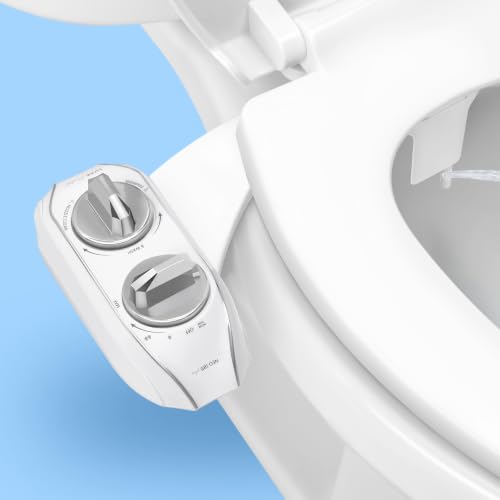
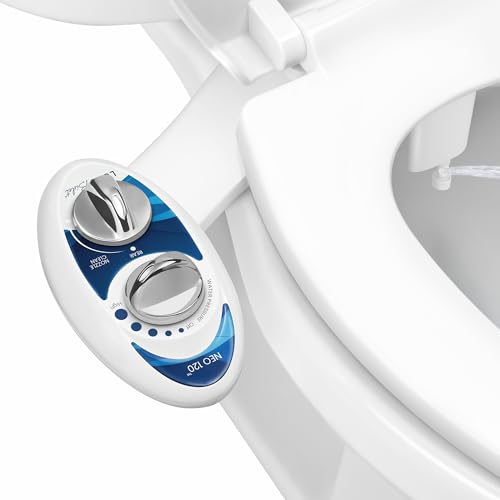
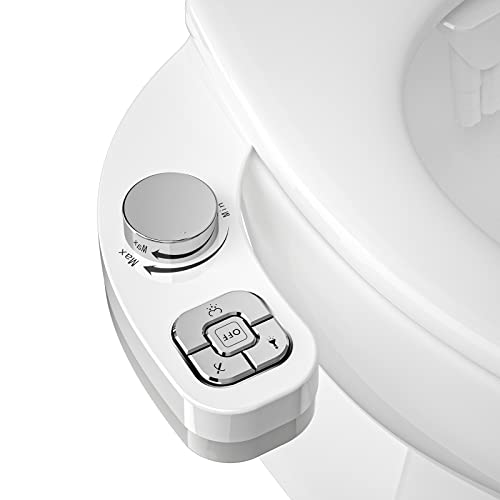
An attachment is a thin plate that mounts under the seat you already own, with a nozzle that angles water up when you turn a dial or press a lever. Most run on cold water from the toilet supply line, though some connect to a nearby sink for warm water. This is usually the lowest cost route and the fastest install. The tradeoff is basic control, so look for a dial with many small steps rather than one strong blast, since a gradual ramp in pressure protects tender tissue far better than an on and off switch.
Full Electric Seats With Warm Water and Air Drying
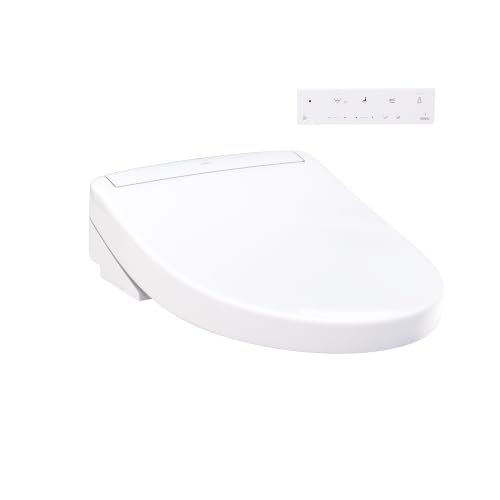
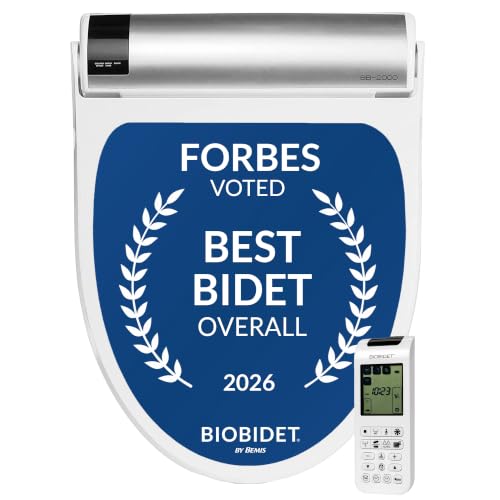
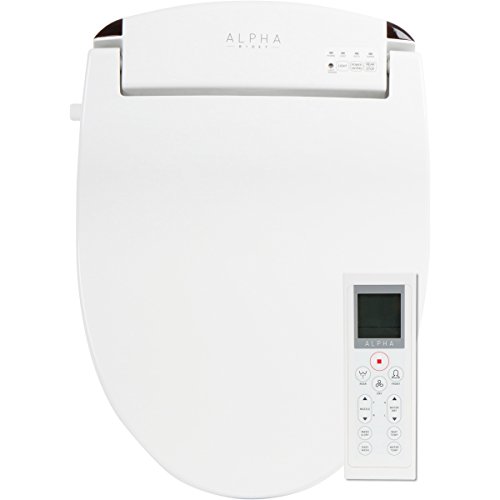
An electric seat replaces your current seat entirely and adds a heated water supply, a warm seat surface, and often a warm air dryer. Those comforts matter here for a practical reason. Warm water can feel soothing on irritated skin, and air drying means you can pat dry less or not at all. You do need a grounded outlet near the toilet, and the seat costs more than an attachment. In return you get the finest pressure and temperature control of any type, plus nozzle position you can adjust from a remote or side panel while seated.
Portable and Handheld Options for Travel or Shared Bathrooms
A handheld sprayer connects to the toilet supply line and hangs beside the tank, while a portable model is a squeeze bottle or a small battery powered unit you fill at the sink. Both let you aim the stream yourself and keep the pressure as light as your hand allows. They suit renters, shared bathrooms, and travel, and our guide to the best portable bidet covers that format in depth. The downside is aim takes practice, and water temperature is whatever you filled the bottle with, so check it on your wrist first.
How We Chose What to Compare
We compared types and features using maker specifications, plumbing standards, and patterns in verified buyer feedback. The criteria were installation and compatibility, build quality and finish, pressure and temperature control, nozzle hygiene, certifications, and warranty length. Features that do not change gentleness, cleanliness, or fit were left out, since a night light does not help sore tissue.
How to Choose the Right Bidet for Hemorrhoids
Type and How It Changes Daily Cleaning
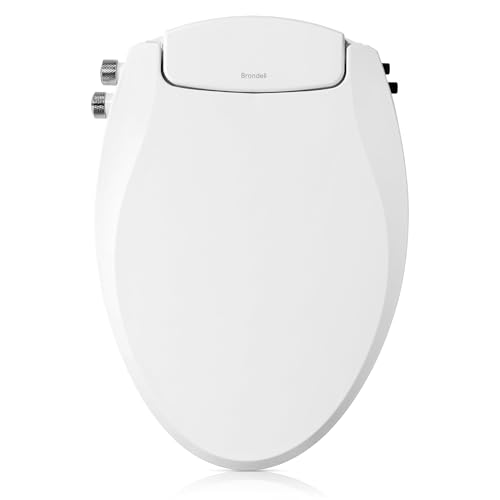
Start with how much change your bathroom and budget allow. An attachment keeps your seat and costs the least, but most give you cold water only and simpler controls. An electric seat gives warm water, finer spray settings, and air drying, at the price of an outlet and a higher bill. A model that needs no power at all is covered in our guide to the best non electric bidet designs, a good middle path if your toilet has no outlet nearby. Match the type to the one feature you will use daily, not the longest feature list.
Features Worth Paying For
Adjustable water pressure is the feature to pay for first, ideally with a soft start that builds slowly. Adjustable nozzle position comes next, since it lets the stream reach the right spot without you shifting on the seat and putting strain on sore tissue. Warm water and a warm air dryer are worth it if cold water makes you tense up, because tensing makes cleaning harder. A self cleaning nozzle and a stainless steel or antimicrobial nozzle tip help hygiene. Skip paying extra for deodorizers and colored lights, which add cost and do nothing for comfort or cleanliness.
Measurements and Compatibility With Your Setup
Measure before you order. Note whether your bowl is round or elongated, since seat models are sold in both shapes and the wrong shape leaves an overhang or a gap. Check the distance from the seat mounting holes to the front of the bowl, and confirm you have clearance behind the seat for an attachment plate and its hoses. Look at your water supply valve and hose type, and check whether an outlet sits within reach of the cord on an electric model. Renters should also confirm that the design removes cleanly without marking the fixture.
Certifications and Materials
Look for plumbing parts that meet NSF and ANSI standards and valves described as lead free, since these parts carry water that touches broken or irritated skin. Electric seats should carry a recognized electrical safety listing such as UL or ETL. WaterSense labeling matters less here than on a showerhead, but efficient models use less water per cleanse. Prefer smooth plastic or stainless steel nozzle parts with few seams, since seams trap residue and make wiping the unit down slower. A clear warranty of at least one year signals the maker stands behind seals and valves.
Doing It Yourself Versus Hiring a Pro
Most attachments install with basic hand tools in under an hour, using the seat bolts and a tee fitting on the supply line. Electric seats add the outlet question, and adding a new grounded outlet is a job for a licensed electrician. A plumber is worth calling if your supply valve is corroded, if you see any leak you cannot stop, or if your toilet uses an unusual concealed connection. Doing it yourself keeps the cost to the unit itself, while pro help adds labor but protects against slow leaks that can damage a bathroom floor.
How Much Should You Spend?
Simple squeeze bottles and basic attachments often cost under $50 and cover the core benefit, water instead of paper. Attachments with warm water feeds and better dials tend to run about $50 to $100. Models around $100 to $300 add stronger build quality and dual nozzles. Electric seats commonly cost about $300 to $500 or more, adding heated water, a dryer, and remote control. Spend more only when the step up buys pressure control, warm water, or drying, since those are the upgrades sore tissue actually feels. Our comparison of best electric bidet seats shows what that top tier adds.
What Matters Most in a Bidet for Hemorrhoids
Hemorrhoids are swollen veins in and around the anus, and they flare with straining, friction, and leftover residue that keeps skin irritated. A bidet helps on the friction and residue points only. Water rinses the area clean without dragging, so you use far less paper, often just a few squares to check that the water ran clear and to pat dry. That is also the core of the bidet vs toilet paper debate, and for tender tissue the water side has a clear comfort edge.
Be clear about the limits. A bidet is a hygiene aid, not a treatment, and it does not shrink hemorrhoids or stop bleeding. See a doctor promptly if you notice rectal bleeding for the first time, black or very dark stools, severe or worsening pain, a lump that will not go back in, fever, or symptoms that do not ease within about a week. Talk with your clinician about your personal situation before relying on warm water or sitz style soaking if you are pregnant, recovering from surgery, or managing a condition that affects immunity or blood flow.
Technique matters as much as the hardware. Start on the lowest pressure setting, let the stream do the work for about 20 to 30 seconds, and raise the pressure only if residue remains. Keep the water warm rather than hot, since hot water can increase itching and dry the skin. Finish by patting with a soft cloth or a small amount of paper instead of rubbing, or use warm air drying if your seat offers it.
FAQ
What is the best bidet for hemorrhoids?
The best choice for most people is the type that gives you slow, finely adjustable pressure and a nozzle you can reposition while seated, which for many homes means an electric seat, and for smaller budgets a dial controlled attachment. One extra point to weigh is seat height, since a very thick electric seat raises you slightly and changes the angle of your knees, which some people find makes straining worse.
What should I look for in a bidet for hemorrhoids?
Prioritize gentle pressure control, warm water if cold water makes you tense, and a nozzle with a self cleaning rinse cycle. Also check the shape of the spray, since a wide, aerated stream feels softer than a thin jet at the same dial setting. If two models look equal, choose the one with the longer warranty on valves and seals, because those are the parts that wear first in daily use.
How do you use a bidet when you have hemorrhoids?
Sit normally, start the water at its lowest setting, and let it rinse for longer rather than turning it up. Our step by step guide on how to use a bidet walks through positioning in detail. One tip the main guide adds here is timing, since using the bidet right after a warm shower means tissue is already relaxed and cleans faster at low pressure, so you spend less time seated.
How do you install a bidet attachment or seat?
Most installs follow the same order, shut off the water, remove the seat, fit the mounting plate or new seat, add the tee fitting, reconnect, and check for drips. The full sequence is in our guide on how to install a bidet. Before you tighten everything down, sit on the closed lid and shift your weight, since a plate that feels firm by hand can still flex under body weight and loosen over time.
Are bidets sanitary when tissue is sore or broken?
Yes, when the nozzle stays clean and the water comes straight from your home supply, which never passes through the bowl. Choose a nozzle that retracts behind a guard when idle and rinses itself before and after each use. If skin is broken, skip added cleansers or fragranced sprays in the water, use plain water only, and ask your clinician whether a bidet suits any wound care plan you were given after a procedure.
Do bidets need electricity to work?
No, attachments, handheld sprayers, and squeeze bottles all run on water pressure alone and need no outlet. Electricity powers the extras on seat models, such as heated water made on demand, a heated seat, warm air drying, and a remote control. If your only outlet is across the room, a non electric model avoids cord routing entirely, and you can still get warm water on some attachments by connecting to the sink supply line nearby.
Final Thoughts
Choosing well comes down to gentle control. Pick the type that fits your toilet, your outlet situation, and your budget, insist on pressure you can raise slowly, and use warm rather than hot water. Used that way, the best bidet for hemorrhoids replaces rough wiping with a calm rinse that leaves skin clean and undisturbed. Look back at the product table above to compare the types side by side, and start on the lowest setting your first week while you learn what your body prefers.