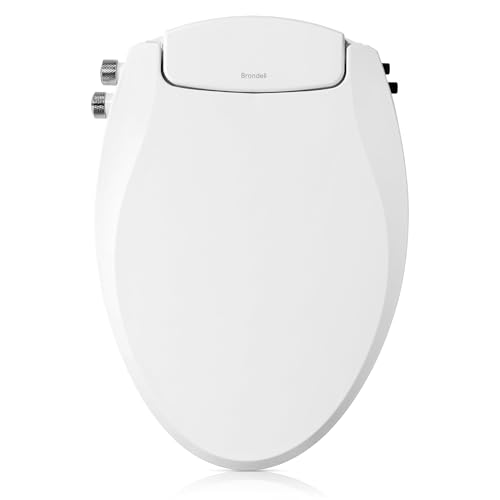
Best Bidet with Warm Water in 2026: Ways to Get Warm Water
Disclosure: We may earn a commission when you buy through links on this page, at no extra cost to you. As an Amazon Associate I earn from qualifying purchases. Learn more
Electric seats and dual temperature attachments compared by heating method, cost and setup, to help you choose the best bidet with warm water.
A cold spray is the main reason many people hesitate, and warmth changes the whole experience from a shock to something calm and comfortable. Choosing the best bidet with warm water comes down to how that water gets warm, whether an electric seat, an attachment tied to your sink supply, or a simpler dual temperature design, and whether that method fits your toilet and your plumbing.
This guide compares the main warm water types on installation and compatibility, build quality and finish, and the features that matter in daily use. Use the product table below to see the types side by side, then read on for sizing, costs, and setup details. If you want a broader view first, see our guide to the best bidet for every bathroom style.

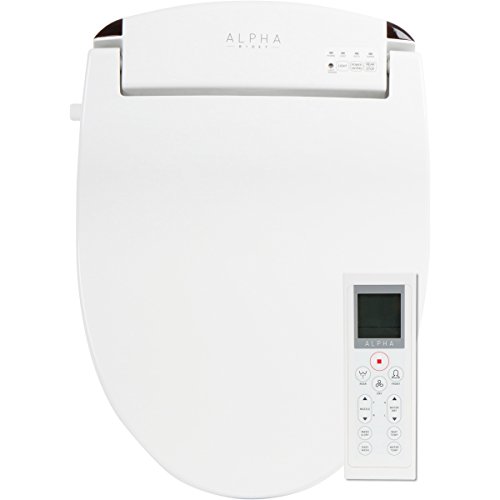
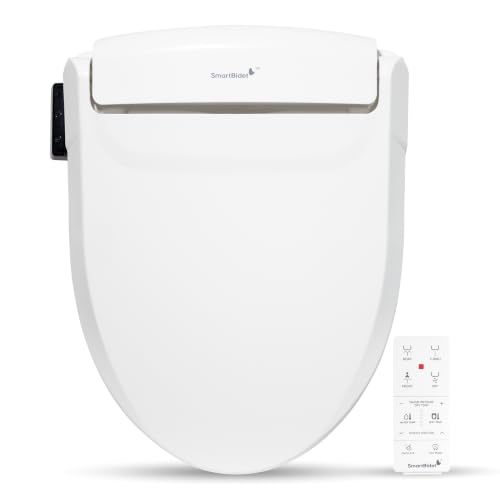
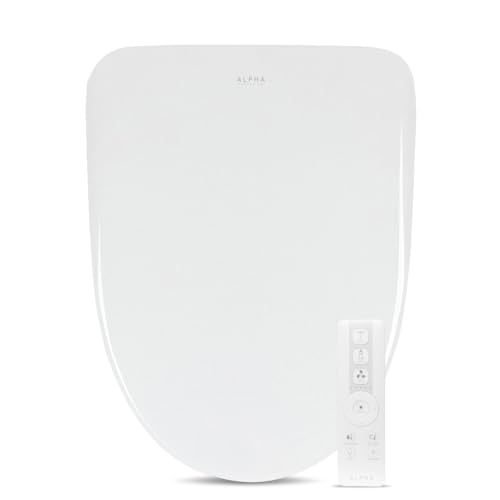
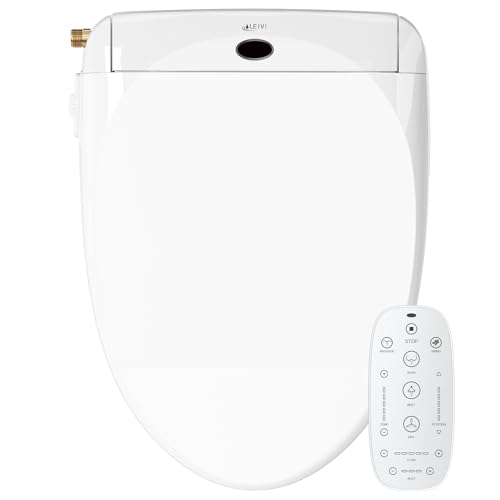
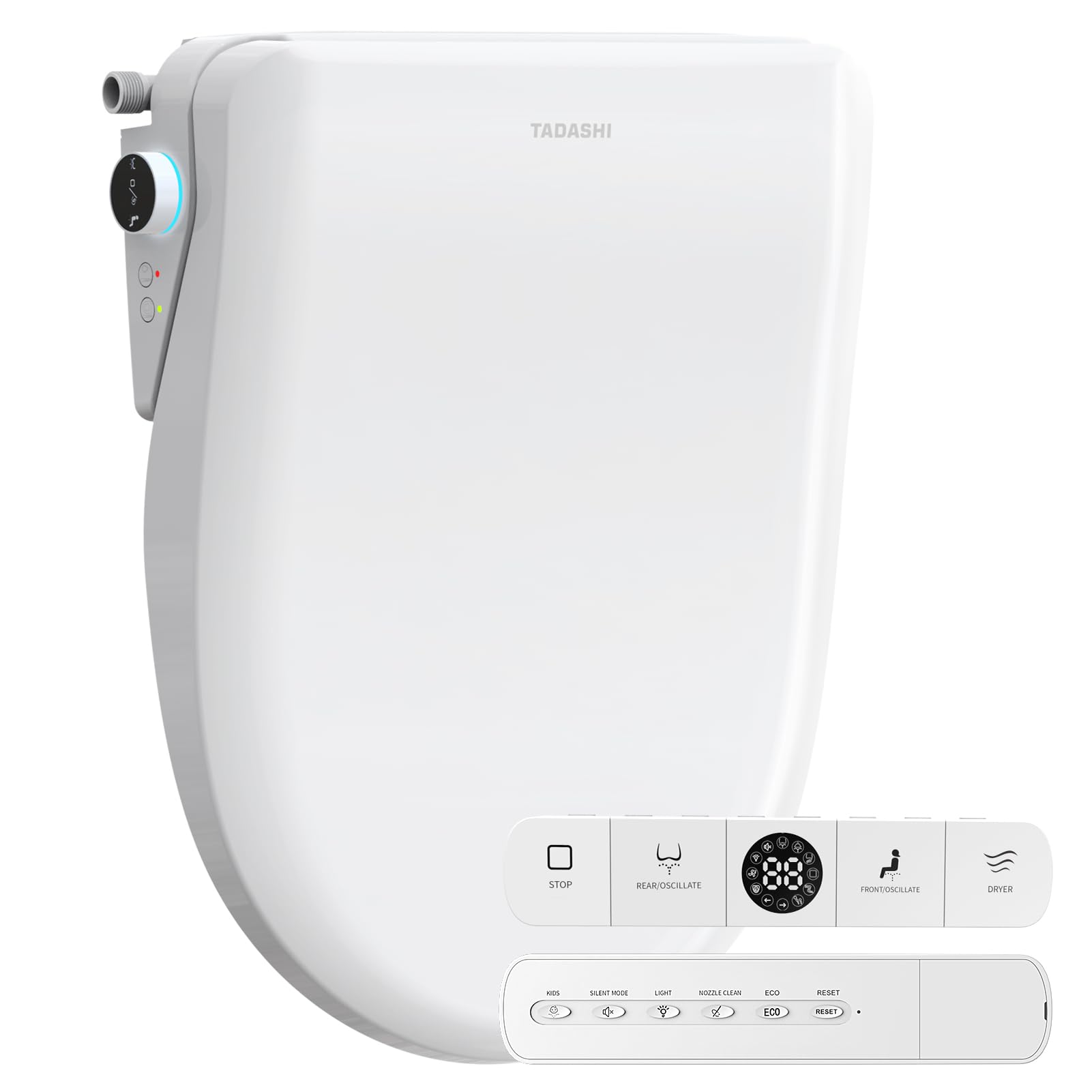


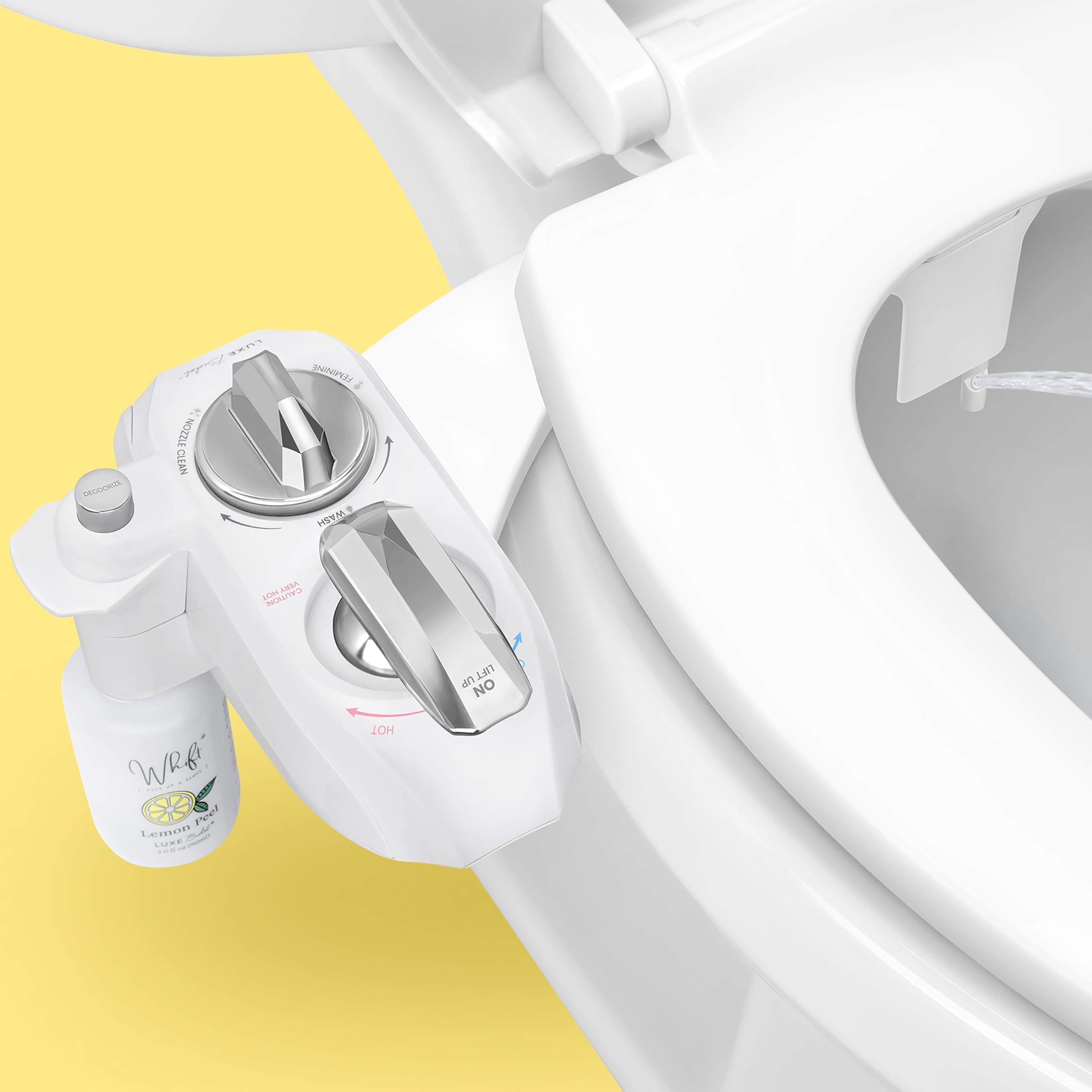
Warm Water Types Compared at a Glance
There are three practical ways to get warm water at the nozzle, and each one asks something different from your bathroom. Electric seats heat water inside the seat itself. Attachments borrow warm water from a nearby sink line. Handheld sprayers can mix warm water too, but control is less precise. The right choice depends mostly on whether you have an outlet near the toilet and how far your sink sits from the bowl.
Electric Bidet Seats With Built In Heating
An electric seat replaces your current toilet seat and plugs into a nearby outlet. Inside, either a small tank keeps water warm or an instant heater warms water as it flows, with no tank to refill. You set the temperature on a remote or a side panel, usually across several levels, and the setting stays steady through the whole wash. These seats also tend to add a heated seat surface, a warm air dryer, and adjustable nozzle position. The trade off is cost and the need for a ground fault outlet within reach of the cord.
Attachments That Draw From a Hot Water Line
A dual temperature attachment mounts under your existing seat and connects to both the toilet supply and the hot water line under a nearby sink. You turn a dial to blend cold and warm water, much like adjusting a shower. There is no electricity and no heating element, so the unit stays slim and costs far less. Warmth does depend on how fast hot water reaches that sink line, and you may run the tap briefly first in a home where hot water travels a long distance.
Handheld and Travel Options With Limited Warmth
A handheld sprayer on a flexible hose can also draw from a blended supply, and you aim it yourself, which some people prefer for front washing or for rinsing cloth diapers. Control over temperature is rougher than with a seat or attachment, and you manage pressure entirely by hand. For travel, a portable squeeze bottle holds only the water you fill it with, so warm water means filling it from a tap each time. If travel use matters most, look for a compact bottle design that packs small and seals well.
How We Chose the Best Bidets With Warm Water
We compared types and models using manufacturer specifications, plumbing and electrical requirements published by the makers, and patterns in verified buyer reviews. Our criteria were installation and compatibility, build quality and finish, useful features, recognized certifications, and warranty length.
How to Choose the Right Bidet
Type
Start with the power and plumbing you already have. If a ground fault outlet sits near the toilet, an electric seat gives you the most precise temperature control and the richest feature set, and our guide to the best electric bidet explains that category in depth. If there is no outlet but a sink sits within a few feet, a dual temperature attachment is the simpler path. Renters often prefer attachments because removal leaves no lasting change, while owners who plan to stay put often choose a full seat.
Features Worth Paying For
Temperature adjustment with clear levels is the core feature, and more levels mean finer control for sensitive skin. A heated seat surface matters most in a cold bathroom during winter mornings. Nozzle position adjustment and an oscillating or pulsing spray help you aim without shifting your body. A warm air dryer reduces paper use but adds drying time. Useful extras include a night light for dark trips, a deodorizer fan, and a remote that older users can read at a glance. Skip paying extra for music or app controls you will rarely open.
Measurements and Compatibility With Your Setup
Check bowl shape first. Most toilets are elongated or round, and a seat made for one shape will overhang or sit short on the other. Measure from the center of the seat bolt holes to the front edge of the bowl, then compare that number with the size chart for the seat. Leave clearance behind the bolt holes for the seat body and, on an attachment, for the mounting plates. Confirm your supply valve size and hose length, and for an attachment, measure the distance to the sink hot water valve so the included hose can reach without strain.
Certifications
Look for plumbing listings that show the product meets North American standards, such as NSF and ANSI standards for drinking water system components. Lead free compliance matters because the spray contacts water that touches skin, and makers should state it plainly. Electric seats should carry a recognized electrical safety listing, such as UL or ETL, and should be used only on a ground fault protected circuit. Water saving claims tied to the WaterSense program apply to some complete fixtures, while most seats and attachments simply reduce paper use rather than flush volume.
DIY vs Pro Installation Cost
Most attachments install with basic hand tools in under an hour, and most seats take a little longer because you also route a cord and set up a remote. A plumber visit for the bidet alone often runs about $150 to $350, and adding a new outlet by an electrician can add about $200 to $500 depending on access to wiring. If you want a walk through before deciding, read our guide on how to install a bidet, which covers the valve, the T connector, and leak checks in order.
How Much Should You Spend?
Under $50 usually buys a cold water only attachment, so warm water at this level is rare and limited. About $50 to $100 covers most dual temperature attachments with metal fittings and a self cleaning nozzle gate. About $100 to $300 brings entry level electric seats with a heated seat and basic temperature control. About $300 to $500 adds instant heating, a remote, and a dryer. Over $500, you pay mainly for slimmer styling, quieter operation, and longer warranties rather than warmer water.
Do You Really Need a Bidet With Warm Water?
Warm water is a comfort feature, not a cleaning requirement. Cold water cleans just as well, and many people in mild climates never miss the heat. Warmth earns its cost if your home runs cold in winter, if you have hemorrhoids or sensitive skin that reacts to a cold spray, or if a household member refuses to use a cold unit at all. Persistent rectal pain, bleeding, or new swelling should be checked by a doctor rather than treated with any bidet setting, and you should talk with your clinician about personal needs if symptoms continue.
If budget is tight, a cold water model from our guide to the best non electric bidet still delivers the main hygiene gains, and you can upgrade later because attachments and seats swap out easily. Comparing paper costs and comfort over a full year can also help if you are still deciding whether to switch at all. For most buyers who can afford the step up, though, warm water is the feature that turns a bidet from a novelty into a daily habit.
FAQ
What is the best bidet with warm water?
For most homes, an electric seat with instant heating is the strongest all around choice because it holds one steady temperature, needs only a cold supply line, and adds a heated seat. Homes without a nearby outlet do better with a dual temperature attachment run from the sink. The best pick for you is the type that matches your outlet access, bowl shape, and budget, in that order.
Is a bidet with warm water worth it?
It is worth it when cold water is the reason you or a family member avoid using a bidet, because a unit that sits unused returns nothing. It is also worth it in cold climates, where supply water can feel icy for months. If your bathroom stays mild and you tolerate cold water well, the extra cost buys comfort only, and a simpler cold model may serve you just as well for years.
How to use a bidet?
Stay seated, start on the lowest pressure, and let the spray run for about twenty to sixty seconds while you shift slightly to cover the area. Pat dry with a small amount of paper or use the dryer if your seat has one. Our full guide on how to use a bidet adds tips for front washing, for children, and for building the habit during the first week.
How to install a bidet?
Turn off the water at the wall valve, drain the tank by flushing, and place a towel under the fittings before you loosen anything. One detail many guides skip is to check the rubber washer inside each new hose end before you tighten it, because a missing washer is the most common cause of a slow drip after setup. Tighten by hand first, then add only a small turn with a wrench.
Are bidets sanitary?
Yes, when the nozzle stays clean and the supply comes from your home drinking water line, the same line that fills your kitchen tap. Most nozzles rinse themselves before and after each use, and many retract behind a small gate between uses. Wipe the nozzle tip weekly with a soft cloth, and follow the maker schedule for any filter change, so buildup never reaches the spray holes.
Do bidets need electricity?
Only electric seats do, and they need it for heating water, warming the seat, and running a dryer or deodorizer. Attachments that blend hot and cold water from your plumbing need no power at all. If your only outlet sits far from the toilet, do not run an extension cord across a wet floor. Choose a plumbing blended model instead, or hire an electrician to add a proper outlet near the bowl.
Final Thoughts
The product table above sums up the three warm water paths, and your bathroom layout should make the final call. Pick an electric seat if you have an outlet and want steady heat with extra comforts, or a dual temperature attachment if you want warmth without wiring. Either way, the best bidet with warm water is the one that fits your bowl, reaches your water lines, and feels comfortable enough to use every single day.