Best Bidet with Remote in 2026: Remote Models Compared
Disclosure: We may earn a commission when you buy through links on this page, at no extra cost to you. As an Amazon Associate I earn from qualifying purchases. Learn more
Handheld and wall mounted remotes compared on reach, presets and fit, to help you choose the best bidet with remote for your bathroom.
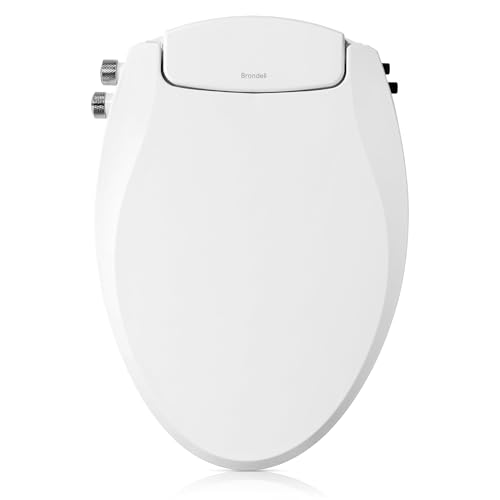
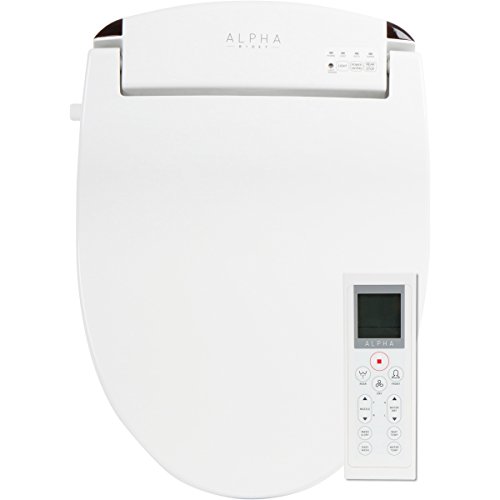
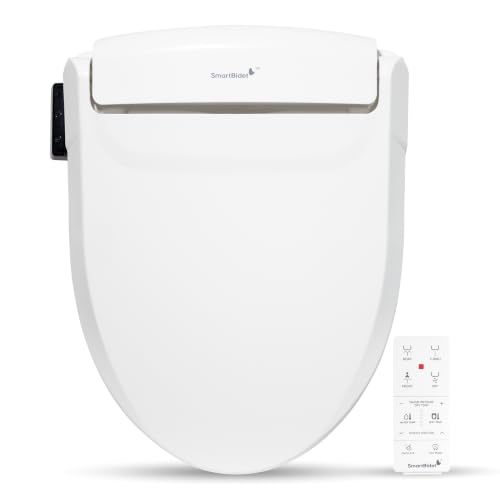
A remote sounds like a small extra until you picture yourself twisting around to reach a side knob while seated. With a remote, you adjust water pressure, nozzle position, and temperature from a control you can hold or mount where your hand naturally rests. Finding the best bidet with remote comes down to fit, power, and which comfort features you will actually use, and the product table below sums up the main types side by side.
This guide walks through installation and compatibility, build quality and finish, and the features that separate basic models from premium ones. If you want the wider picture first, our guide to the best bidet covers every format.

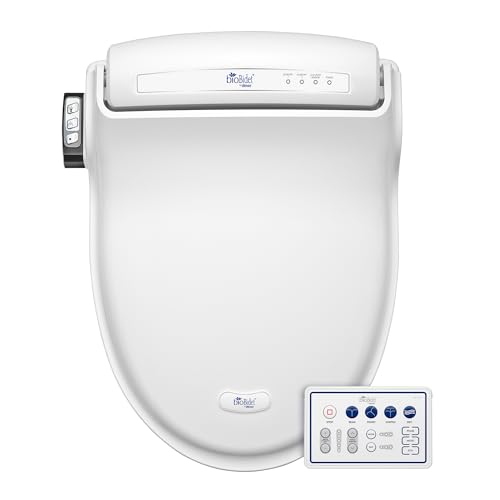


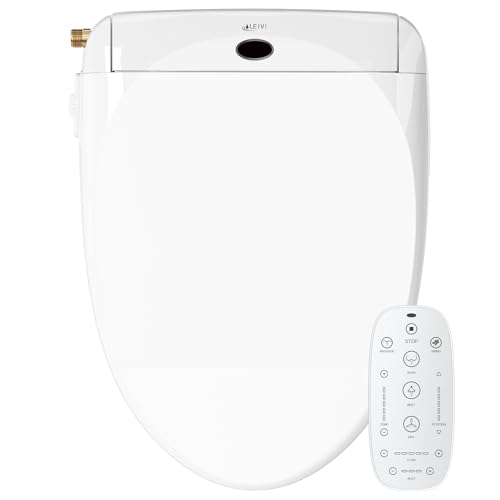
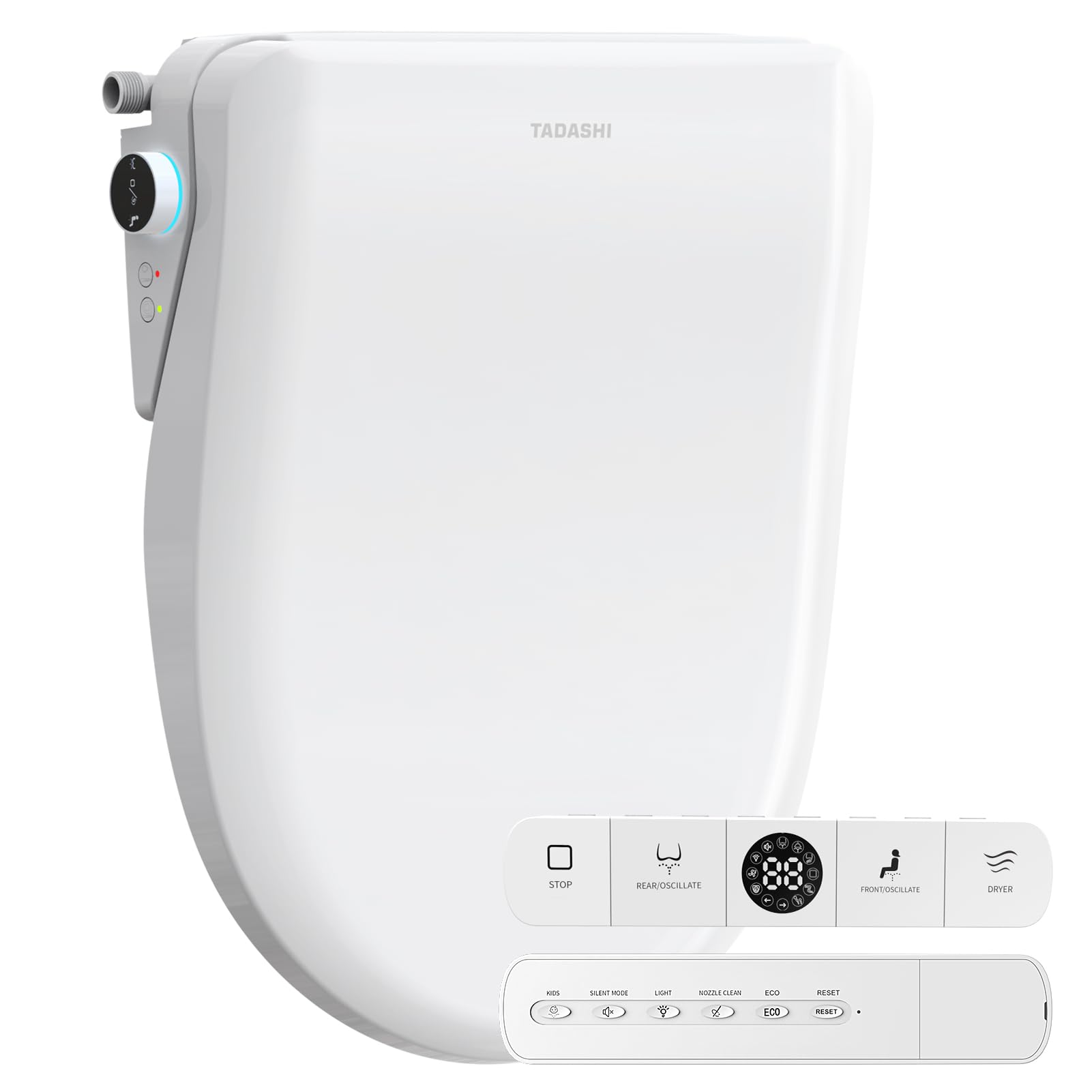


Remote Bidet Types at a Glance
Almost every bidet with a remote is an electric seat, because the remote needs powered parts to talk to. Attachments under your current seat almost always use a dial or lever instead, and integrated toilets with remotes involve replacing the whole fixture. For most homes, the real choice is between a seat with a handheld remote and one with a remote mounted on the wall.
- Handheld remote seats: the control rests in a cradle or in your hand, so you can hold it close and read the settings without leaning.
- Wall mounted remote seats: the panel fixes to the wall at a set height, which suits shared bathrooms because the control always stays in one place.
- Integrated smart toilets: the bidet is built into the toilet itself, with the most polished finish and the highest cost and installation effort.
Remote Bidet Types Compared
Electric Seats With a Handheld Remote
This is the most common format and the one most buyers should start with. The seat replaces your current toilet seat, connects to the water line with a T adapter, and plugs into a nearby outlet. The remote usually controls water temperature, spray pressure, nozzle position, seat heat, and often two user presets. Holding it means you adjust settings without twisting or looking down, which helps if you have limited mobility or a sore back. The trade off is simple. A loose remote can slide off a tank lid or end up on the floor, so choose a model with a cradle you can mount within easy reach.
Electric Seats With a Wall Mounted Remote
These seats work much like the handheld type, but the control panel attaches to the wall and stays put. That fixed position suits households where several people share one bathroom, because nobody has to hunt for the remote and the settings sit at a consistent height. Larger panels can also fit bigger buttons and clearer labels, which some users find easier to read and press. The downside is placement. You must pick the spot before you know your ideal seated reach, and moving the panel later can leave marks on paint or tile, so mark the position with tape first.
Integrated Toilets With Remote Control
An integrated unit combines the toilet and the bidet in one fixture, so there is no separate seat to align and no visible gap between parts. The finish looks clean, the remote tends to offer the longest feature list, and many models add automatic lid opening and flushing. This route makes sense during a remodel, when the toilet is coming out anyway. For a simple upgrade, it is usually more than you need. The unit costs far more than a seat, installation often calls for a plumber, and a failure can affect the toilet itself rather than one removable seat.
How to Compare Options Before You Buy
Judge every model against the same short list so marketing terms do not steer you. Start with installation and compatibility, because a seat that does not fit your bowl or reach an outlet is useless no matter how good the spray feels. Next, look at build quality and finish, including the seat material and how the remote feels in the hand. Then weigh the feature list against your daily habits, and finish with certifications and warranty length.
Base your shortlist on manufacturer specifications and verified buyer feedback about fit and reliability rather than on feature counts alone.
How to Choose the Right Bidet
Type
Start by deciding how much of your current setup you want to keep. A remote controlled seat keeps your toilet and changes only the seat, which keeps cost and effort down. If you are comparing power formats, our guide to the best electric bidet explains what plugging in adds, such as heated water on demand and a warm air dryer. Attachments and handheld sprayers cost less, but they give up the remote entirely, so treat them as a different purchase.
Features Worth Paying For
Warm water matters most, and you get it in two forms. Tank systems heat a small reserve that can cool during a long wash, while on demand systems heat water as it flows and keep the temperature steady. A heated seat takes the chill off on cold mornings and costs little to run at low settings. A warm air dryer reduces toilet paper use, though most people still pat dry at the end. Nozzle position adjustment helps you aim without shifting your body. Extras such as a night light, a deodorizer fan, and saved presets are pleasant, but they should rank below steady temperature and clear remote buttons.
Measurements and Compatibility With Your Setup
Measure before you order, because bowl shape is the most common reason a seat goes back. Elongated bowls measure about 18 to 19 inches from the bolt holes to the front rim, while round bowls measure about 16 to 17 inches, and a seat built for one shape will overhang or fall short on the other. Confirm that a ground fault circuit interrupter outlet sits within reach of the cord, which is often only about 3 to 4 feet long. Finally, make sure a wall mount spot or counter surface for the remote falls within a comfortable reach from a seated position.
Certifications
Because a remote bidet mixes water and electricity in one appliance, listings matter. Look for an electrical safety listing from a recognized lab such as UL or ETL on the product page or the box. Plumbing parts that touch drinking water should be described as lead free, and the seat should include backflow protection so wash water can never move toward your supply line. If a listing shows no safety mark at all, treat that as a reason to keep looking.
DIY vs Pro Installation Cost
Most owners install a seat themselves with a wrench and a screwdriver, swapping the old seat, adding the T adapter at the shutoff valve, and plugging in the cord. Our step by step guide on how to install a bidet shows the full sequence before you start. Hire help in two cases. If your bathroom lacks an outlet near the toilet, an electrician can add one, often for about $150 to $400 depending on access to wiring. If your shutoff valve is corroded, a plumber visit at about $100 to $250 can prevent a leak.
How Much Should You Spend?
Expect remote control to start where basic electric seats start. Models at about $200 to $350 usually cover warm water, a heated seat, and a simple remote with presets. Spending about $350 to $600 typically adds on demand heating, a warm air dryer, a slimmer seat profile, and a remote with a display. Above about $600, you pay for premium materials, quieter pumps, automatic features, and longer warranties rather than a stronger wash. A very low price on a listing that promises remote control deserves a careful read of the details.
Do You Really Need a Bidet With Remote?
You need the remote if reaching a side panel is hard for you. A side panel forces you to twist, lean, and look down at controls printed beside your hip. A remote removes that movement, which is why these seats suit seniors, people recovering from hip or back surgery, and anyone with limited reach or grip strength. Large buttons you can hold up to your eyes also beat small dials if your vision is poor. Caregivers benefit too, since the control can be operated from a standing position beside the toilet.
You may not need one if you are comfortable with simpler formats. If cost is the main concern, our roundup of the best non electric bidet options covers dial controlled models that wash well without any outlet. Keep the downsides in view as well. Remotes run on batteries that need changing, a handheld unit can be dropped or misplaced, and the seat itself needs power around the clock. If your bathroom has no outlet and adding one is not practical, a remote model is the wrong purchase.
FAQ
What is the best bidet with remote for most homes?
For most homes it is an electric seat in the middle price range, sized to match your bowl shape, with on demand warm water and a remote that offers presets for two users. That mix covers daily comfort without paying for automatic lids or app controls. One detail buyers overlook is the remote display. A screen that shows temperature and pressure as numbers is easier to trust than a row of unlabeled lights, especially for guests.
Is a bidet with remote worth it over a side panel model?
Yes, if you adjust settings often or find the side panel awkward to reach. The remote lets you change pressure and nozzle position mid wash without shifting your weight, and presets recall your preferred settings with one press. If you tend to set a seat once and never touch the controls again, the panel version delivers the same spray for less money, and you give up nothing you would actually use.
How do you use a remote bidet for the first time?
Sit down fully before you press the wash button, because the nozzle aims for a seated body and the seat sensor on most models will not start the spray until it feels your weight. Begin with the lowest pressure, then raise it one step at a time. If you want a guided walkthrough of posture and settings, the article on how to use a bidet covers your first wash in order. Expect the first try to feel unfamiliar and the third to feel routine.
How hard is it to install a remote bidet seat?
For a standard two piece toilet with an accessible shutoff valve, most people finish in about 30 to 60 minutes using basic hand tools. The slow step is usually removing the old seat bolts, which can be corroded on older toilets. Check the valve before you begin by turning the water off and on once. A valve that will not close fully needs attention first, because the whole job depends on a dry work area.
Are bidet seats with remotes sanitary?
Yes, when you keep two habits. Wipe the remote weekly with a soft cloth, since it is the surface your hands touch most and the one cleaning routines forget. Also check that the nozzle guard and the area under the seat rim get rinsed during your normal bathroom cleaning, because spray mist settles there over time. The wash water itself comes from the same clean supply line as your sink tap, kept separate from bowl water by the seat plumbing and backflow protection.
Do bidet seats with remotes need electricity?
The seat does, because the water heater, seat heater, and nozzle motor all run on household power, and the seat stops washing if the power goes out, though you can still flush the toilet as normal. The remote itself runs on replaceable batteries, so keep a spare set in the bathroom drawer. A dead remote battery leaves the seat powered but hard to control, which is why some owners tape the spare set inside the vanity door where they will find it fast.
Final Thoughts
Match the seat to your bowl, confirm an outlet is within reach, and pick the remote style that fits how your household shares the bathroom. Spend your money on steady warm water, clear controls, and a solid warranty before you pay for extras. The product table above pulls those points together so you can compare formats at a glance. Chosen well, the best bidet with remote turns an everyday routine into one you control without twisting, guessing, or settling for a spray that almost fits.