Best Bentonite Clay for Detox: A Buying Checklist for 2026
Disclosure: We may earn a commission when you buy through links on this page, at no extra cost to you. As an Amazon Associate I earn from qualifying purchases. Learn more

Picking the best bentonite clay for detox starts with form, purity, labels and price, plus safety notes to discuss with your doctor first.
Shopping for the best bentonite clay for detox can feel confusing, because labels use similar words for very different products. This guide gives you a simple checklist for comparing form, purity, label details, independent verification, and price. Use it to narrow your options as you look at the product table.
Bentonite clay is sold as a powder, in capsules, and in liquid form, and each form suits a different routine. The right choice depends on how you plan to use it, what the label clearly states, and what your doctor advises for your situation. Keep safety and label transparency ahead of bold marketing claims.
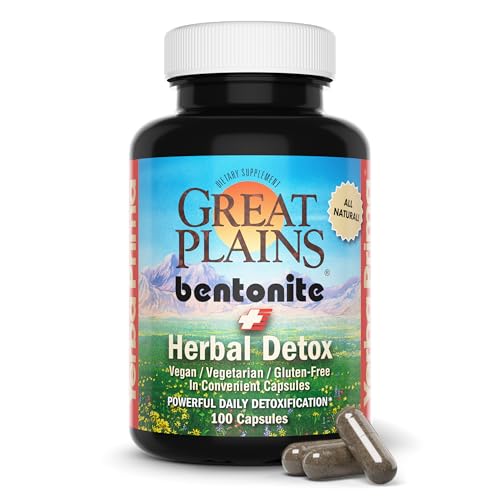
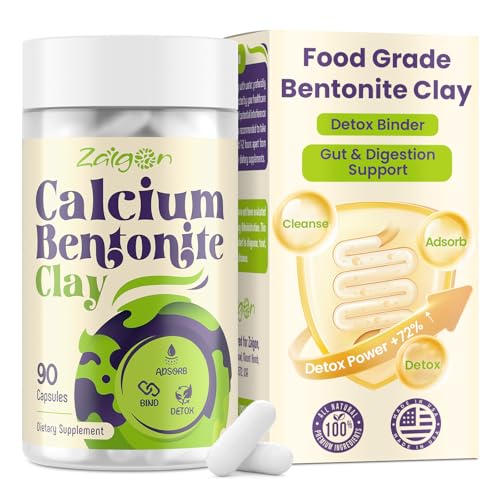
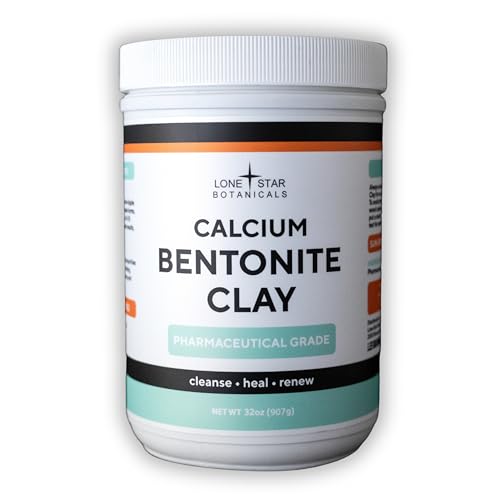

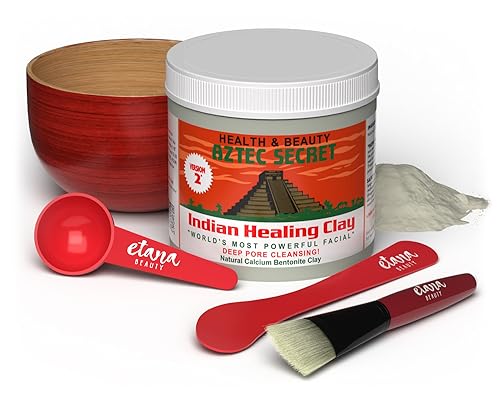
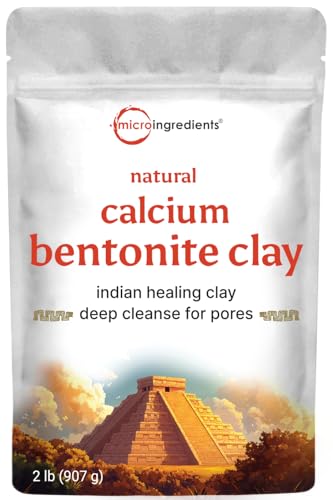


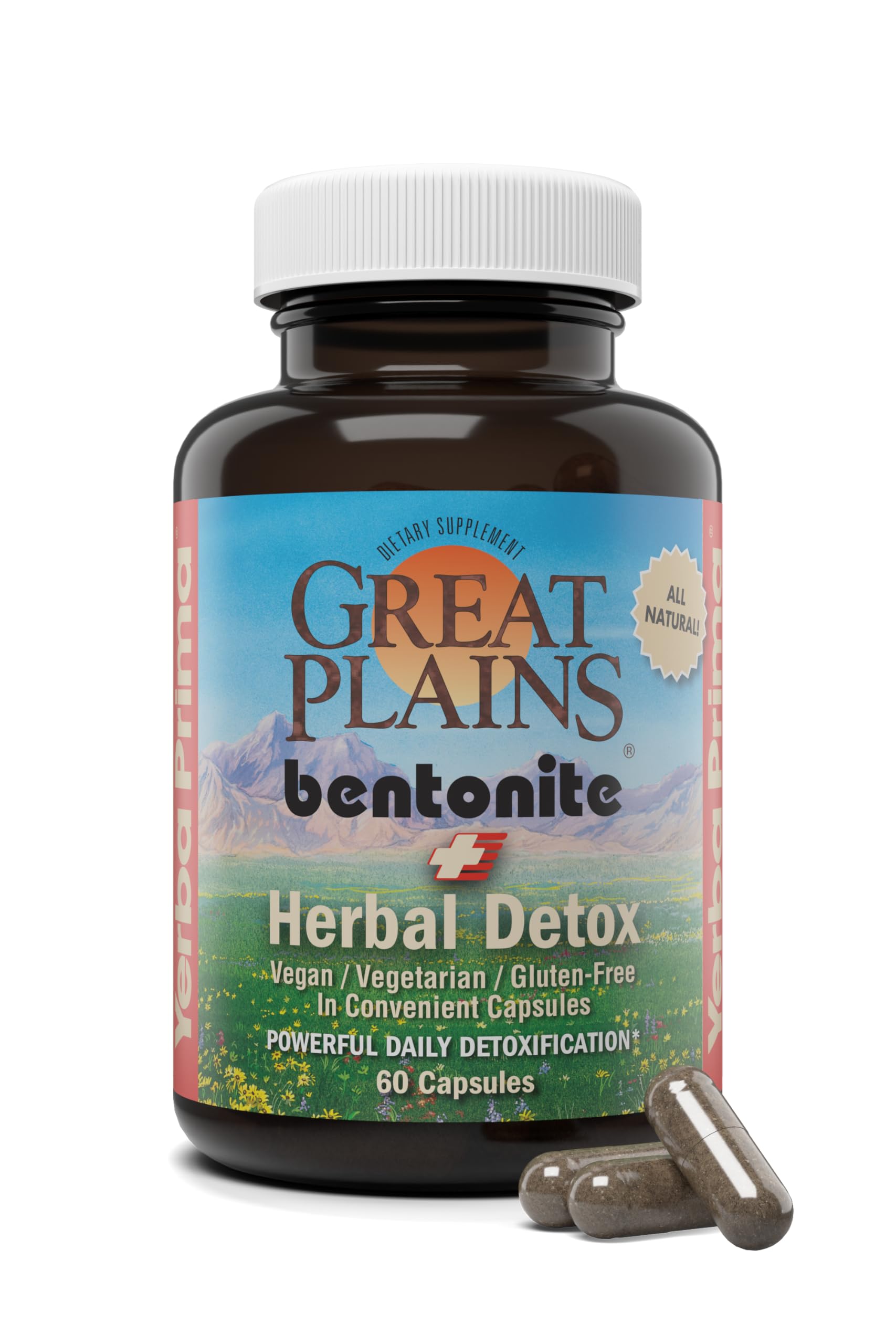
How to Judge the Best Bentonite Clay for Detox Before You Buy
Use the factors below as a checklist, not as a promise about results. A good product makes its basic facts easy to find. A weak product hides them behind vague words.
Form and Purity Basics
Bentonite clay products usually come as loose powder, capsules, or a ready liquid. Powder often costs less per serving and lets you see the texture, while capsules are simpler to store and carry. Liquid forms are convenient, but check whether the label lists water and any other ingredients. Look for a clear statement of the clay type and origin; avoid products that use only fancy names with no plain ingredient list.
Label Information and Serving Size
Read the full label before you buy, including the ingredient list, serving size, and any warnings. The label should state what is inside in plain terms, without a long list of fillers you do not recognize. Do not rely on a front label claim alone. If the serving information is missing or hard to read, treat that as a warning sign and choose a clearer option; talk with your doctor about whether a supplement fits your needs.
Price per Serving
Compare price per serving, not just the price of the whole container. A large tub may look like a bargain until you divide the price by the number of servings on the label. Typical prices run about $10 to $35 for many common sizes, while larger or specialty packs can cost more. Capsules often cost more per serving than loose powder, because you also pay for the capsule and packaging; choose the form that fits your budget over the full time you expect to use it.
Added Ingredients and Allergens
Check for added sugars, sweeteners, flavors, binders, and common allergens such as gluten, soy, and dairy. Some products add herbs or minerals, so read the label to see whether those extras matter to you. If you have an allergy or a food sensitivity, look for a clear allergen statement. A short and clear ingredient list is easier to judge than a long list with vague terms; when in doubt, ask your doctor or pharmacist about an ingredient you do not understand.
Third Party Verification
Supplements are not approved by the Food and Drug Administration in the same way as medicines, so quality claims deserve a close look. Some makers use an independent organization to check identity and purity, and they may name that organization or the standard used. Look for specific wording about what was checked, rather than a general badge with no detail. A certificate or report that you can actually read is more useful than a seal alone; if a maker will not explain its verification, consider that a drawback.
Safety Notes and Interactions
Talk with your doctor before starting any supplement, especially if you are pregnant, nursing, take medicine, or have a health condition. Bentonite clay can interact with medicines or affect how they are absorbed, so timing and personal risk matter. Keep the product away from children and store it as the label directs. Stop and seek medical advice if you notice a persistent or worrying symptom; general product guidance here does not replace advice from your own clinician.
What Different Spending Levels Usually Offer
Budget options, often about $10 to $20, tend to be simple powders with a basic label and a plain container. They can suit a buyer who wants a simple product and is willing to read the label closely. Mid range options, often about $20 to $35, may add clearer quality notes, better packaging, or a more convenient form such as capsules. Premium options above that range may offer a larger size, a liquid form, or extra documentation; higher price alone does not mean a safer or better product, so compare the checklist points at every price level.
Quick Buyer Checklist
- Does the label list every ingredient in plain terms?
- Does it state the form, serving size, and total servings?
- Does it name any third party verification in specific terms?
- Does it list allergens and added ingredients clearly?
- Have you checked the price per serving, not just the container price?
- Have you talked with your doctor about your own situation?
- Does the storage guidance fit your home and routine?
Red Flags to Watch For
Be cautious with products that promise a specific health result, use vague purity language, or hide the ingredient list. Watch for claims about curing a condition, removing toxins from the body, or replacing medical care. Those claims go beyond what a general buying guide can support. Also watch for ratings that look copied, a missing maker contact, or a very short warranty and return policy; a trustworthy maker gives clear facts and lets you judge the product for yourself.
Setup and Care Tips
Talk to your doctor before starting any supplement, and follow the label directions for storage and use. Store the product in a cool, dry place, away from moisture and away from children. Keep the lid closed and keep powder away from open containers that could spill. Do not exceed the label dose, and do not mix the product with medicine unless your doctor advises it; if the label is damaged or unclear, contact the maker before use.
Frequently Asked Questions
What features matter most in bentonite clays for detox?
The most useful features are a clear ingredient list, a stated form, a readable serving size, and specific verification notes. Price per serving also matters, because container prices can hide a large difference in value. Added ingredients and allergen details help you avoid a product that does not fit your needs. Safety information, including a prompt to talk with your doctor, is another sign of a careful maker; together, these points give a clearer picture than a bold front label claim alone.
Are bentonite clay products safe to take every day?
There is no single answer that fits every person, because safety depends on the product, your health, and any medicine you take. The label may include warnings, and your doctor can weigh those facts against your own history. Daily use raises the chance of an interaction or an unwanted effect, so professional advice matters more than a general claim. If you notice a persistent symptom, stop and seek medical advice; keep the product away from children at all times.
When is the best time to take bentonite clay products?
Timing depends on the product form and on any medicine or supplement you already use, so follow the label and your doctor's advice. Some labels suggest taking a product apart from meals or medicine, while others give no timing guidance at all. Do not guess at timing if you take prescription medicine, because clay can affect absorption. Ask your doctor or pharmacist for timing advice that fits your schedule; a clear label plus professional advice beats a general rule from marketing copy.
Who should avoid bentonite clay products?
People who are pregnant or nursing, people who take regular medicine, and people with a serious health condition should be especially cautious. Children should not use these products unless a doctor advises it, and the product should stay out of their reach. Anyone with an allergy to an ingredient on the label should avoid that product. If you are unsure whether a supplement fits your situation, ask your doctor before buying; that step matters more than any price or packaging difference.
Can I get enough from food instead?
Food and supplements serve different roles, and bentonite clay is not a food nutrient that a normal diet replaces in a direct way. A varied diet can support general health, but it does not make a clay product unnecessary or necessary by itself. Your doctor can help you decide whether a supplement has any place in your routine. Focus first on clear label facts, safety notes, and professional advice; do not buy a product only because marketing suggests that food alone is not enough.
The Bottom Line
Compare form, purity, label clarity, verification detail, and price per serving, and put safety first. A clear label, specific quality notes, and a prompt to talk with your doctor are stronger signals than bold promises. Choose the best bentonite clay for detox for your needs only after that checklist and a talk with your clinician. Check the product table above for a side by side look at the options.