
Best Bentgo Lunch Boxes (2026): Models for Every Home
Disclosure: We may earn a commission when you buy through links on this page, at no extra cost to you. As an Amazon Associate I earn from qualifying purchases. Learn more

Choosing the best bentgo lunch box? Compare kids, adult and salad styles by capacity, seal, bag fit and cleaning.
Picture a weekday morning in a busy kitchen. Lunches for two kids and one adult need to fit into bags and backpacks, the counter is already crowded, and one container lid has gone missing again. Finding the best bentgo lunch box for your home solves that scramble, because the right size and layout make packing faster and storage simpler. This guide sorts the lineup by household size, kitchen space, and budget.
Bentgo builds its range around divided trays and sealed lids, but the models differ a lot in capacity and footprint. The product table below sums up the main types at a glance. If you are still weighing Bentgo against other brands, our guide to the best lunch box options covers the wider field.
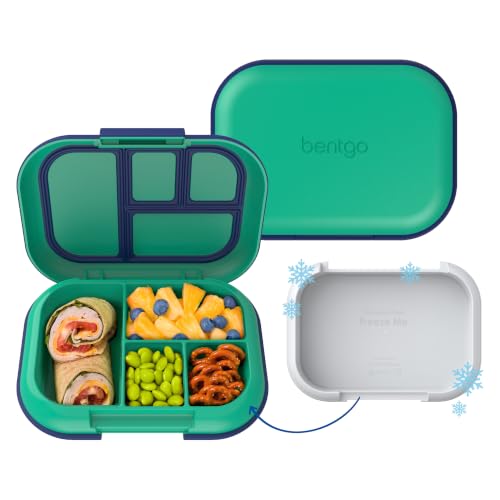

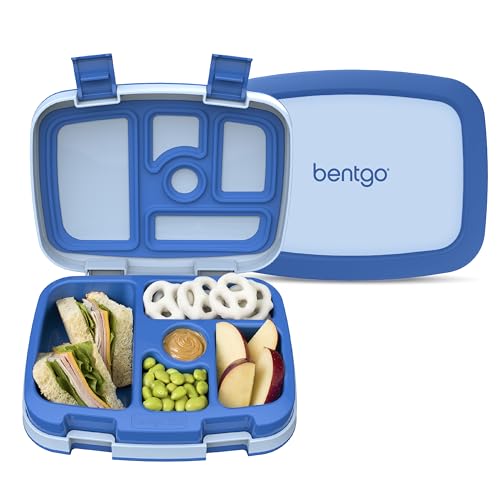
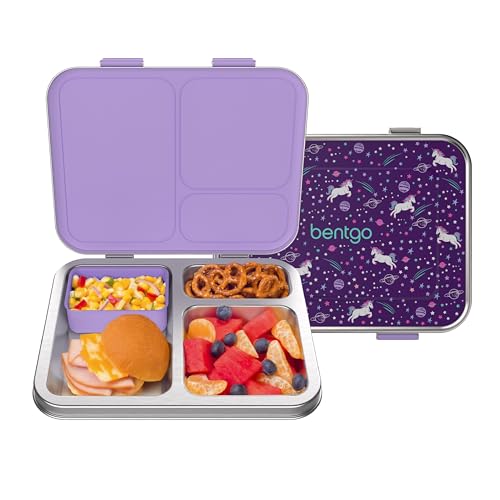


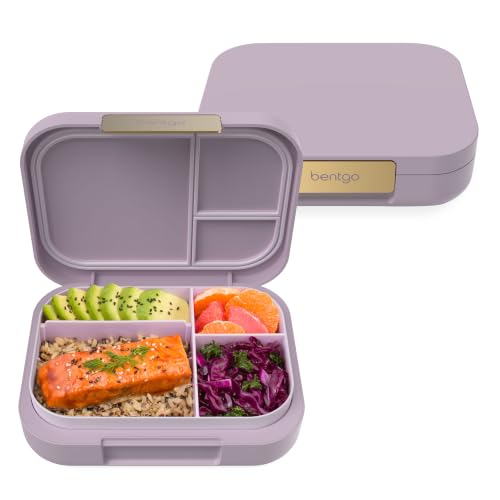

Quick Answer: Which Type Fits Your Home
For most families, a classic divided bento style box in a medium size is the safest starting point. It holds a sandwich or a grain based main, plus two or three small sides, and it stacks flat in a cupboard. Homes packing for one adult usually do better with a larger single tray or a salad style box with a separate dressing cup.
Small kitchens should favor one versatile box per person rather than a set of many sizes. Larger households often prefer two matching boxes per child, so one can dry while the other is in use. Your routine, not the longest feature list, should drive the choice.
Before You Buy: A Quick Checklist for Choosing a Lunch Box
Work through these six points before you compare colors or lids. They decide whether a box earns its shelf space or ends up pushed to the back of a drawer.
Size: Match It to Your Space
Measure the lunch bag or backpack pocket the box must slide into, then check the closed box against that space. A box that fits the bag but fills your only storage drawer creates a daily problem at home. Medium boxes suit most school age children and light adult lunches. Large and extra large formats hold bigger appetites but need deeper bags and more cupboard room. Two tier designs stack food upward, which saves width in a narrow bag while adding height.
Which Type Fits Your Routine
Bento style boxes keep foods apart without extra containers, which suits grazers and picky eaters. Insulated bags with a hard shell or soft sided carrier protect a simple box and help hold temperature when you add an ice pack. Stainless steel versions appeal to families cutting back on plastic, though they cannot go in the microwave. Salad style boxes add a large bowl and a small cup for dressing. Think about your three most common lunches, and pick the type that holds those meals without workarounds.
Features Worth It (and Ones to Skip)
Divided compartments, a removable tray, and a latching lid earn their keep every single day. An included ice pack helps if your routine lacks fridge access, and a shoulder strap matters only for carriers, not for tray style boxes. Skip extra mini containers you will never wash, and skip novelty shapes that waste bag space. A thermos only adds value if someone in your home regularly takes soup or hot pasta. Features you skip save money and reduce the parts you can lose.
Airtight Seal and BPA Free Materials
A silicone ring inside the lid presses against the tray rim and slows leaks and air exchange. That seal helps crunchy foods stay crisp and keeps dressings from creeping into other sections, though no divided tray is fully leakproof for thin soups. Look for food contact parts listed as BPA free, and check whether the seal removes for washing. Trays made from sturdy plastic resist cracking when dropped on a hard floor. If a lid feels loose in product photos or reviews mention warped rims, choose a different style.
Freezer, Microwave and Storage Safety
Many Bentgo trays can go in the microwave without the lid, which lets you warm a main dish right in the box. Confirm the base is marked microwave safe, and never microwave a stainless steel box or a sealed lid. Freezer use suits meal prep for two or three days, but repeated freezing can make plastic brittle over time. Most parts wash on the top rack of a dishwasher, yet hand washing lids protects the seal. Store boxes with lids ajar so trapped moisture can escape.
Realistic Budget Ranges
Under $20 usually buys a single kids bento box or a simple adult tray with basic latches. Spending about $20 to $30 opens up larger capacities, removable trays, and bundled ice packs or carriers. At about $30 to $50 you will see stainless steel builds, salad sets with added cups, and multi box bundles for families. Price alone does not predict how long a box lasts. A mid priced box that fits your bag beats a premium box that stays home.
Bentgo Types Compared: Three Styles That Cover Most Homes
Instead of chasing one winner, match a style to the person who will carry it each day. These three styles cover the great majority of family routines.
Classic Bento Style for Most Homes
This is the divided tray format most people picture, with four or five sections and a single latching lid. It suits families packing varied small portions, because fruit, protein, and a treat each get a spot without touching. Portions stay modest, so hearty adult appetites may need a side container as well. It stacks neatly, wipes clean fast, and works for school, camp, and office days alike. If your household packs mixed foods more than big single dishes, start here.
Larger Adult Trays for Work and Meal Prep
Bigger trays with fewer, deeper sections hold full adult meals, from rice bowls to leftover pasta. This style fits readers comparing the best lunch box for adults, since capacity matters more than cute portion grids. Pair it with a carrier if your commute is long, and check out the best lunch box for work guide for bag sizing help. The downside is drawer space, as wide trays rarely nest with smaller kids boxes.
Salad and Snack Styles for Lighter Routines
Salad style boxes center on one large bowl, a toppings tray, and a small dressing cup that seals on its own. Snack boxes shrink the same idea down for fruit, nuts, and crackers between meals. These styles suit teens and adults who eat light at midday, or families who want a shared snack container for car trips. They are poor picks for sandwich based lunches, since the bowl shape wastes space on square foods. Buy them as a second box, not your only one.
Our Selection Process for Bentgo Lunch Boxes
We compared the current Bentgo range using maker specifications for size and materials, plus patterns in verified buyer reviews about seals, latches, and cleaning. We weighed capacity against storage footprint, because this guide focuses on how a box lives in your home. Value counted too, since a family often buys several boxes at once.
The Bentgo Lunch Box Lineup Explained
Bentgo organizes its range by eater rather than by one universal design. The kids line uses smaller portions, bright colors, and latches that small hands can open. The adult line, sold under names like Fresh and Modern in the range, uses larger trays and calmer colors. Salad, snack, and prep focused styles fill the gaps for specific meals.
Choosing the best bentgo lunch box gets easier once you see that split. Match the line to the eater first, then pick capacity inside that line. Shoppers torn between brands can read our bentgo vs yumbox comparison for a look at latch style and tray layout differences. Bentgo tends to offer more adult sizes, while rival kids brands lean harder on single age groups.
Common Buying Mistakes to Avoid
- Buying a box before measuring your lunch bag, so the lid will not close and the box stays home.
- Choosing the largest size for a small child, so portions look sparse and the heavy box discourages use.
- Expecting a divided tray to carry soup, so thin liquids seep between sections and soak other foods.
- Ignoring replacement part costs, so a lost seal or cracked lid turns a good box into clutter.
- Buying matching sets for the whole family at once, so one sizing mistake gets multiplied across every bag.
Cost of Ownership and Care
The box itself is most of the cost, but budget a little for replacement lids, seals, or an extra ice pack over its life. Most families spend about $10 to $20 a year at most on spares when boxes get daily use. Wash trays after every use, pull the seal out weekly, and let all parts dry fully before closing. Our page on how to clean a lunch box walks through stain and odor care in detail.
Store boxes stacked with lids resting loosely on top, not latched shut. Keep them away from oven heat, which can warp rims and weaken the seal. Drop a spare box into rotation during the school term, because sharing the workload between two boxes reduces wear on each latch. Treat scuffs as cosmetic, but retire any box with a cracked tray edge.
Your Questions, Answered
How do you clean a Bentgo lunch box without damaging the seal?
Wash the tray in warm soapy water or on the top rack, and wash the lid by hand to protect the seal ring. For stubborn smells, soak the empty tray with a spoon of baking soda in warm water for an hour, then rinse well. Dry every part with the lid open overnight. Storing a box closed while damp is the main cause of lingering odors.
How long does a Bentgo lunch box last with daily use?
With daily use and gentle washing, expect about two to three years from a plastic bento box before latches loosen or the seal stops seating well. Stainless steel styles can last far longer, since the body does not warp. Watch for a lid that rocks on a flat counter, which signals warping. Replacing a worn seal can add another year of reliable use.
Which Bentgo lunch box should I buy for a small kitchen?
Choose one medium classic bento per person, in the same style, so the boxes stack into a single neat pile. Identical boxes nest their trays together and share lids, which halves the storage fuss when one lid goes missing. Skip salad bowls and oversized trays, since odd shapes claim shelf space out of proportion to their use. One shared snack box can serve the whole household.
Is Bentgo a good lunch box brand for families?
Yes, mainly because the range spans toddlers through adults with one familiar latch and tray system, so kids graduate between sizes without relearning anything. Spare lids and seals are widely sold, which keeps a dropped box in service instead of in the trash. The lineup is broad rather than fancy, and that breadth is the real strength for a household buying several boxes at once.
Is a Bentgo lunch box worth it for daily family use?
For most homes, yes, because packing lunch even twice a week quickly offsets a box that costs under $30. The savings grow when divided trays cut the need for single use bags and wrap. Worth depends on fit, though. A box that matches your bag and your storage shelf gets used daily, while a poor fit gathers dust no matter how sturdy it is.
Final Thoughts
Start with the eater, then the bag, then your shelf space, and the lineup narrows fast. Most families land on a classic bento for kids and a larger tray for adults, with a salad or snack style added later if the routine calls for it. Check your pick against the product table above before you order. The best bentgo lunch box for your home is simply the one that gets packed, washed, and packed again without a fight.


