Best Benchmark for Android Phones: The Buyer Checklist We Use for 2026
Disclosure: We may earn a commission when you buy through links on this page, at no extra cost to you. As an Amazon Associate I earn from qualifying purchases. Learn more
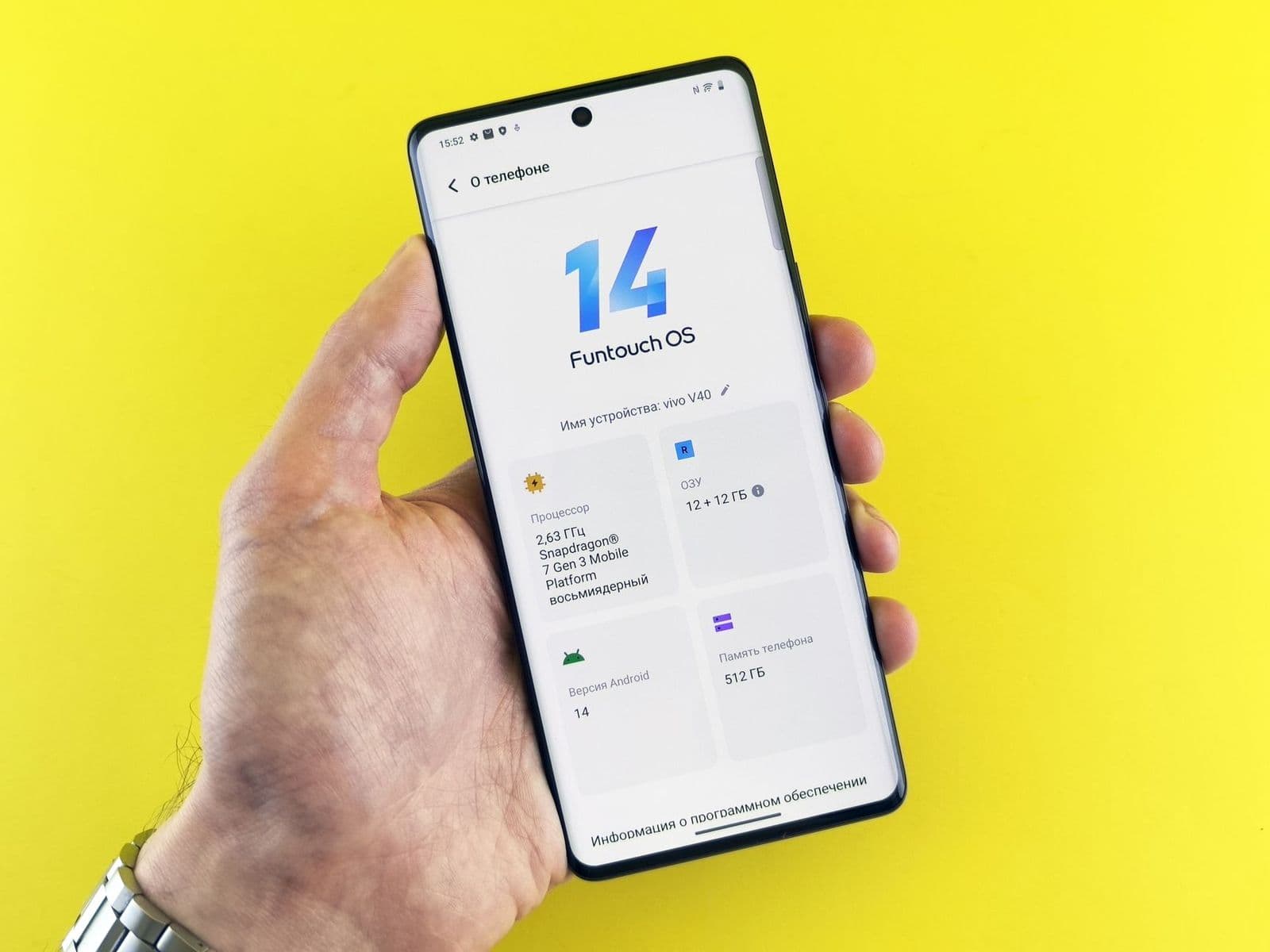
Learn how to choose the best benchmark for android phones, read scores with confidence, check cooling and battery results, and spot weak claims quickly.
A single score never tells you how a phone will feel after a year of updates, gaming sessions, and hot summer days. That is why choosing the best benchmark for android phones means choosing a tool and a method, not just chasing the biggest number. This checklist shows which tests matter, what good and weak results look like, and how to pair scores with the specs that shape daily use.
Work through the criteria in order. By the end, you will know how to read any result and judge whether it applies to the way you actually use a phone.
How We Evaluate Benchmarks
A useful benchmark does three things well. It measures the hardware fairly, it repeats results consistently, and it reports details you can act on, such as throttling over time. The criteria below pair each test area with the phone spec behind it, so scores and shopping decisions stay connected.
Features That Matter for Android Phones
Android phones vary far more than most product categories, with different chips, cooling designs, screen types, and software skins. A good benchmark must therefore test the whole system: processor, graphics, memory speed, and storage speed, not just one peak number. Look for tools that run the same workload across devices and publish sub scores for each area. That breakdown lets you see, for example, that a phone is fast for gaming but slow at storage, which a single headline score would hide completely.
Display Size and Quality
Benchmarks cannot capture how a screen looks, so judge this spec yourself alongside the scores. Aim for an OLED panel if you value deep contrast, and a refresh rate of 120 Hz if you want scrolling and gaming to feel smooth. Brightness matters outdoors: panels rated around 1,000 nits or higher stay readable in sunlight. Size is personal, but remember that larger screens draw more power and make one handed use harder. A phone with modest scores and a great screen often feels better daily than a chart topper with a dim, dull panel.
Software Updates and Support Window
Performance scores age, but update policy decides whether a phone stays secure and smooth for years. Prefer makers that promise at least four years of system updates and five years of security patches, and check whether updates arrive monthly or drift to quarterly. A benchmark result from launch day says nothing about this, so treat the support window as a separate pass or fail check. Phones near the end of support can look like bargains while quietly becoming poor long term buys.
Build, Durability, and Water Resistance
Look for an IP68 rating if the phone will live near pools, rain, or job sites, since that rating covers dust and submersion in shallow water for a limited time. Modern protective glass on the front and back reduces crack risk, but no glass is unbreakable, so a case still matters. Frame material affects both feel and survival: aluminum frames bend less than plastic ones in a drop. None of this appears in a benchmark score, which is exactly why a checklist beats a leaderboard when you shop.
Battery Life and Charging Speed
The best tools include a battery rundown test that loops real tasks until the phone dies, because capacity in mAh alone misleads. A 5,000 mAh battery is a sensible target for a full day of heavy use, but screen brightness and chip efficiency change the outcome a lot. Charging speed deserves the same scrutiny: fast wired charging that refills half the battery in about thirty minutes is genuinely useful, while wireless charging adds convenience at lower speed. Compare results from the same test before trusting any endurance claim.
Storage Options
Storage speed quietly shapes how snappy a phone feels, and good benchmarks measure it directly. Faster storage standards load games and large files noticeably quicker than older ones. For capacity, 128 GB suits light users who stream everything, while 256 GB is the safer choice if you shoot video or keep games installed. Fewer phones accept microSD cards now, so buy the capacity you need at purchase. If a benchmark omits storage testing entirely, treat its overall score as incomplete for judging everyday responsiveness.
Processor and Everyday Performance
Processor scores are the headline act, but read them in layers. Single core results predict how quick simple tasks feel, multi core results predict heavy work like video export, and graphics results predict gaming. Most important is the sustained score after ten or twenty minutes, because phones that throttle hard lose a large share of their peak speed. If you want to see which devices hold up well, our guide to the best performing android phones explains sustained performance in plain terms. RAM of 8 GB is a workable floor, with 12 GB giving multitasking more room to breathe.
What Passing Scores Look Like: Three Tool Profiles
Benchmark tools fall into three broad profiles. Match the profile to your purpose, then confirm any candidate offers the tests that profile promises.
The Complete Suite Profile
The overall profile is a complete suite that covers processor, graphics, memory, storage, and battery in one place, with results you can repeat on any device. It suits shoppers comparing several phones and anyone who wants one trusted method. Good versions export detailed reports, flag throttling during long runs, and keep a public results database so you can sanity check your own numbers. The main limitation is complexity: a full suite gives you more data than a casual buyer needs, and learning to read sub scores takes a little patience at first.
The Free Tool Profile
The value profile is a free tool that covers the essentials honestly. Expect solid processor and graphics tests, a simple overall score, and a results browser for comparing popular models, often supported by ads or an optional paid upgrade. This profile pairs well with the shopping approach in our guide to the best inexpensive android phones, where the goal is spotting strong performance per dollar. The trade off is depth: battery testing, storage detail, and long stress runs may be limited or missing. For a quick check before buying, that is often enough.
The Professional Tool Profile
The premium profile is a paid professional tool aimed at reviewers, developers, and serious enthusiasts. It adds long duration stress tests, detailed thermal graphs, component level reporting, and the ability to run custom workloads without ads or result prompts. Pricing is usually a modest one time fee or a yearly plan around $10 to $30. The limitation is audience: most buyers will never open half of these reports. Pay for this tier only if you compare phones often, test accessories, or simply enjoy understanding exactly why one device runs cooler than another.
Quick Buyer Checklist
- Does the tool test processor, graphics, storage, and battery, or only one of them?
- Can it repeat a run and show whether scores stay stable over time?
- Does it publish sub scores instead of only one headline number?
- Are results from the same tool version, so comparisons stay fair?
- Does it flag thermal throttling during long tests?
- Can I check a public database of results before I buy the phone?
- Does the phone itself offer at least four years of system updates?
- Have I checked screen brightness and storage speed, not just chip scores?
Red Flags to Watch For
The biggest red flag is a score quoted with no tool name, no version, and no test conditions, because that number cannot be verified or repeated. Be wary of results recorded with performance modes that everyday settings never use, since some phones boost speeds when they detect a benchmark app. Screenshots showing one spectacular run, with no average across repeats, usually hide heavy throttling. On the shopping side, treat listings that shout about chip names but omit update policy, storage type, and water resistance as incomplete at best. Finally, ignore any claim that a single score settles which phone is best for every person.
Tips to Get the Most From Your Benchmark
Run every test under the same conditions: same battery level range, same room temperature, and no case trapping heat, or with the case on if that is how you use the phone. Close background apps, let the phone cool between runs, and record at least two results so you can spot an outlier. Once you own the phone, use a case and screen protector, keep software updated, and avoid charging in extreme heat, since heat ages batteries and lowers sustained performance. Small habits keep your real world scores close to the ones that impressed you. You can also personalize the home screen afterward; our ideas for the best widgets for android phones show options that stay light on resources.
Frequently Asked Questions
What features matter most in benchmarks for android phones?
Repeatability and breadth matter most. A tool should test processor, graphics, storage, and battery, then show sub scores and stability across repeated runs. Peak numbers alone mislead, because a phone that throttles loses speed in real sessions. Prefer tools with public result databases, since shared data lets you confirm that your device performs like other units of the same model.
How much storage do I need?
Most people should choose 256 GB if the price gap is fair. Photos, offline video, and a few large games can fill 128 GB within two years, and few phones still accept expansion cards. If you stream everything and back up photos to the cloud automatically, 128 GB remains workable. Check storage speed too, because a large but slow drive makes a big library feel sluggish.
Do I need 5G?
For most buyers, yes, simply because nearly every new phone includes it and carriers keep expanding coverage. The real question is whether your plan and area deliver good 5G service today. If you live rurally and rely on WiFi at home and work, 5G should not drive your choice or your budget. Never pay a premium for a special 5G edition of a phone when the standard version performs the same.
Is a mid range phone good enough?
For everyday tasks, photography in good light, and most games at moderate settings, yes. Mid range phones now post benchmark scores that flagship phones managed only a few years ago. The gaps show up in sustained gaming, low light cameras, and update length. If those matter less to you, a mid range phone plus money saved is a genuinely smart outcome, not a compromise to apologize for.
How many years of updates should a phone get?
Aim for at least four years of system updates and five years of security patches. Longer support keeps banking and work apps working, protects your data, and raises resale value. Some makers now promise seven years on flagship lines, which sets the standard others chase. Always check the promise for the exact model, because support windows often differ between a maker’s premium and budget lines.
Should I buy unlocked?
Buying unlocked gives you freedom to switch carriers, travel with local SIM cards, and avoid carrier installed apps you never asked for. It also makes comparing true phone prices easier, since carrier deals spread cost across long plans. The downside is paying more upfront, though maker financing can soften that. If you benchmark phones before buying, unlocked models also match the retail units most results are based on.
The Bottom Line
Trust a method, not a number. Choose a tool that tests the whole phone, repeats results honestly, and shows how performance holds up over time, then weigh screen, battery, and update policy beside the scores. Check your shortlist against these points, and the best benchmark for android phones for your needs will be the one whose results you can verify and understand.