
Best Bench Cushion Sofas of 2026: Complete Buying Guide
Disclosure: We may earn a commission when you buy through links on this page, at no extra cost to you. As an Amazon Associate I earn from qualifying purchases. Learn more
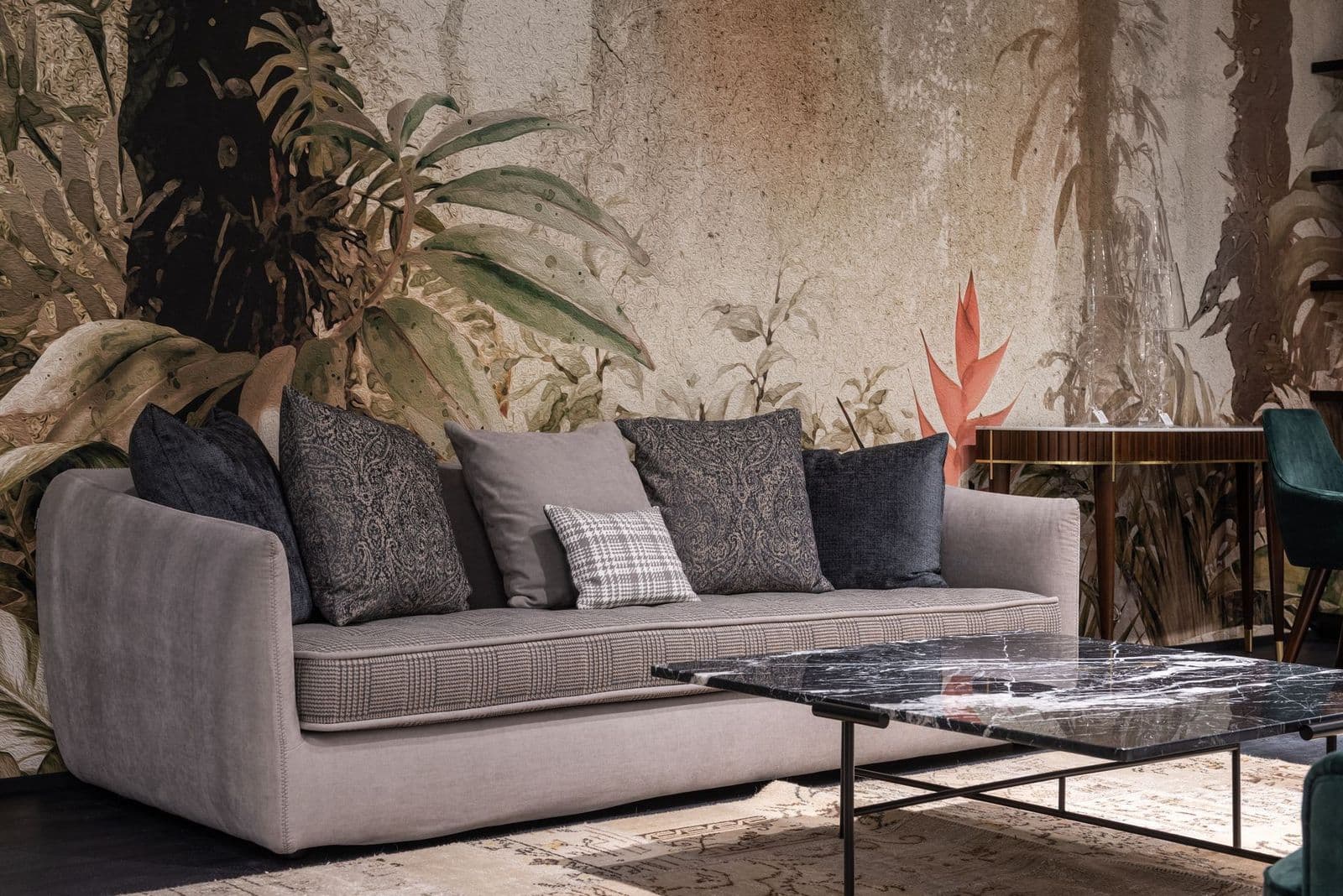
Learn how the best bench cushion sofas differ by fill, firmness, fabric, and frame quality, and use this checklist to choose a seat that stays comfortable.
A bench cushion sofa uses one long seat cushion instead of two or three separate ones, and that single choice changes how the sofa looks, sits, and ages. The clean line suits modern rooms, two people can share the seat without a gap in the middle, and someone can stretch out for a nap without landing on a seam. This guide to the best bench cushion sofas explains the fills, fabrics, and frame details that decide whether that long cushion stays supportive or sags into a hammock.
As you compare sofas, note the cushion fill and seat depth first, since those two specs shape daily comfort more than the fabric color you will pick later anyway.
Three Buying Profiles to Match Against
Use these profiles as measuring sticks for any model you consider. Each describes who the sofa serves, the construction to demand, and the weakness that comes with the territory.
The Everyday Family Profile
A family bench sofa needs a high resilience foam core wrapped in a softer layer, a performance fabric that releases stains, and a cushion cover you can remove and wash. One long cushion means kids and dogs migrate across the whole seat, so even density matters: press along the cushion in the store or check return terms if you buy online. Expect family grade models around $900 to $1,800. The weakness is rotation: a single cushion can only be flipped, not rotated end to end if it is shaped, so wear concentrates where the household favorite spot happens to be.
The Value Profile
Value in this style comes from a simple strong frame, a foam and fiber cushion, and a durable woven fabric rather than leather or designer textiles. Around $600 to $1,100 buys a sofa that seats well for years if the foam density is honest, so ask for the foam density figure, often called the ILD or pound rating, before you buy. If you are furnishing around an existing sofa, our guide to the best cushions for sofas helps you judge replacement and accent cushions by the same fill standards. Skip paying for power recline or storage extras at this level; put the money into the seat itself.
The Premium Profile
Premium bench sofas, often about $1,800 to $3,500, should add a kiln dried hardwood frame, eight way hand tied or heavy gauge sinuous springs, and a cushion built like a mattress: pocketed coils or latex inside a foam shell, wrapped in down blend or premium fiber. The payoff is a seat that feels tailored, supportive at the edges, and still level after years of use. Covers may be leather or fine linen that needs professional cleaning. The weakness is upkeep and weight: these sofas are heavy to move and their long cushions need two people to flip safely.
How to Choose the Best Bench Cushion Sofas: Buying Guide
Material and Fill
The fill decides how the seat feels in month one and year five. High resilience foam gives a firm, even sit and is the safest core for a long bench cushion, because it resists the center dip that plagues this style. A wrap of down blend adds surface softness but needs daily fluffing to look neat, while down alternative fibers keep the soft look with less upkeep and no feathers escaping. Latex feels springy and cool and lasts a long time, at a higher price. If you plan to restuff later, our guide to the best stuffing for sofa cushions compares fill materials by loft and lifespan.
Certifications (CertiPUR US, OEKO TEX, RDS)
Certifications help you read past marketing words. CertiPUR US on foam means the foam was checked for certain emissions and content limits, which matters in a closed living room. OEKO TEX on fabric signals the textile passed tests for harmful substances against skin contact standards. RDS, the Responsible Down Standard, applies when a cushion wrap contains real down and speaks to animal welfare in the supply chain. None of these labels guarantee comfort, but together they tell you the maker submits materials to outside checks instead of asking you to trust a brochure.
Support, Pressure Relief, and Edge Support
Sit on the cushion the way you actually live: upright with feet on the floor, sideways with legs up, and right on the front edge. Good support keeps your hips level with or slightly above your knees, so standing up takes no rocking. Pressure relief matters at the back of the thighs, where a too firm edge can cut circulation during a long film. Edge support is the weak point of many bench cushions, because one long span flexes more than short ones; a coil unit or a firm foam rail along the front fights that flex. If sitting triggers back pain that lingers, talk with a doctor or physical therapist about your posture and furniture setup.
Cooling and Breathability
A bench cushion traps more body heat than separate cushions because there are no seams channeling air across the seat. Natural fiber covers such as cotton and linen breathe best and feel cool at first touch, while dense synthetic velvets can feel warm during long sits and naps. Foam type matters too: open cell foam and latex move more air than standard memory foam, which tends to hold heat. If your sofa doubles as a guest bed for naps, breathability moves from a nice extra to a core need, and gel infused layers offer a cooler first hour rather than all night cooling.
Durability and Care
Ask three care questions before buying. Do the cushion covers unzip, and are they washable or dry clean only? Does the maker sell replacement covers and foam inserts, because a bench cushion is a single large part and replacing it beats replacing the sofa? What trial period and warranty cover the seat, since sagging claims usually require a visible dip of about 1.5 inches or more? Our guide to the best replacement sofa cushions shows what a quality replacement insert costs and how to measure for one, which is useful math when weighing a cheaper sofa.
Size and Fit
Measure your room, your doorway, and your own legs. Seat depth around 21 to 24 inches suits most adults; deeper seats invite lounging but strand shorter sitters without back support unless they use a throw pillow. Seat height near 17 to 19 inches helps older family members stand up easily. The bench format shines in lengths of 72 inches and up, where three people share one cushion without a seam under anyone. Confirm the cushion itself can be removed through your doors if you ever need it reupholstered or replaced.
Motion Transfer and Noise
One long cushion moves as one piece, so when one person sits down hard, the person at the other end feels it more than on a sofa with split cushions. Dense foam and coil cores damp that movement better than loose fiber fills. Noise is the other tell: a quality bench seat is silent, while creaks at the frame joints or rustling from cheap fill signal weak construction. If you share the sofa with a light sleeper who naps there, test the sit down bounce in person or favor the firmer fills that settle quickly.
Types of Bench Cushion Sofas
Cotton (Percale and Sateen)
Cotton covered bench sofas feel familiar and breathable, wash well in slipcover form, and suit casual rooms. Percale weaves feel crisp and matte, sateen feels smoother with a soft sheen. Cotton wrinkles and stains more easily than performance synthetics, so it suits adult households or covers you can launder often.
Linen
Linen gives a bench sofa a relaxed, textured look and excellent airflow in warm rooms. It is strong for a natural fiber and softens with washing, but it creases by design and premium linen raises the price quickly. Choose linen if the slightly lived in look fits your style rather than fighting it.
Cooling Fabrics
Cooling fabrics use smooth synthetic yarns and open weaves to feel cool at first contact and shed heat during long sits. They pair well with foam cores in warm climates and sunny rooms. The trade off is feel: some people find them slippery, and pet claws can snag open weaves, so order a swatch and test it at home first.
Latex
Latex cushioned bench sofas sit springy and supportive, resist body impressions, and sleep cool for nappers. They cost more and feel firmer than foam at the same thickness, which upright sitters often prefer. Our guide to the best foam for sofa cushions compares latex with high resilience foam if you are deciding between the two for a custom insert.
Tips to Get the Most From Your Bench Cushion Sofa
- Flip the bench cushion regularly. Turning it over every few weeks spreads wear across both faces and slows the center dip this style is known for.
- Fluff and smooth the wrap weekly. A minute of patting redistributes down blend or fiber wrap so the surface stays even instead of lumping at the ends.
- Vacuum the seat with an upholstery tool. Crumbs and grit work into the weave and abrade fibers from inside, so a weekly pass extends fabric life.
- Keep the sofa out of harsh direct sun. Strong sun fades one end of a long cushion faster than the other and dries leather covers unevenly.
- Use a washable throw where people nap. Oils from skin and hair break down cushion fabric over time, and a throw is far easier to launder than a bench cover. If the cushion itself ever needs a refresh, our guide to the best bench cushions covers standalone bench seating for other rooms too.
FAQs
How often should I replace my bench cushion sofa?
You should replace the cushion, not always the sofa, when the seat dips noticeably in the middle or you feel the frame through the fill, often after 5 to 8 years of daily use on a midrange model. Frames commonly outlast two cushion cycles. A replacement insert costs far less than a new sofa, so price that option before you shop for a whole new piece.
How do I wash bench cushion covers safely?
Wash bench cushion covers safely by checking the care label first, then using cold water on a gentle cycle for washable fabrics and closing every zipper before washing. Reshape the cover on the cushion while slightly damp so it dries to the right dimensions. Leather and many linen covers should go to a cleaner instead. Never force a shrunken cover back on with the cushion compressed for days; it can split the seams.
Is a higher thread count always better for sofa fabric?
A higher thread count is not always better, and for upholstery it is rarely the number that matters most. Fabric durability on a sofa is better judged by the double rub count, which measures abrasion resistance; family sofas should aim for 15,000 double rubs or more. Very high thread counts in cotton covers can even feel stiffer and trap heat. Ask for the rub count and the fiber content, and let thread count stay a bedding concern.
What firmness is best for back pain when sitting?
A medium firm seat is best for most people with back discomfort, because it keeps hips level and prevents the slouched curl that a deep soft seat encourages. You should be able to stand up without pushing hard on the arms. Add a small lumbar pillow rather than choosing a rock hard cushion. If your back pain persists, worsens, or comes with leg numbness, see a doctor or physical therapist instead of shopping your way out of it.
Are cooling bench cushion sofas worth it for warm rooms and nappers?
Cooling bench cushion sofas are worth it if your living room runs warm, the sofa faces strong sun, or someone regularly naps on it, because breathable covers and latex or open cell cores shed heat that standard foam holds. They matter less in cool rooms with short sitting sessions. Expect a cooler first hour of contact rather than air conditioned seating, and pair the sofa with a light throw instead of a heavy blanket for naps.
The Bottom Line
Judge the fill first, the frame second, and the fabric third, and flip the cushion on a schedule once it is home. Compare your finalists with those tests in mind, and the best bench cushion sofas for your room will be the ones whose seat still feels level when you imagine it five years from now.


