Best Berber Rugs of 2026: Complete Buying Guide
Disclosure: We may earn a commission when you buy through links on this page, at no extra cost to you. As an Amazon Associate I earn from qualifying purchases. Learn more

Berber rugs hide wear and suit busy rooms, but loop height and fiber change cleaning and comfort. A short guide to choosing well.
Berber rugs are known for a looped pile that feels firm underfoot and hides everyday wear well, which makes them a practical pick for busy rooms. This guide to the best berber rugs explains the loop heights, fibers, and sizes that affect cleaning, pets, and how long a rug keeps its shape.
Use the product table to see current options, then read the sections below to match a type and size to your room.




Who Should Buy a Berber Rug?
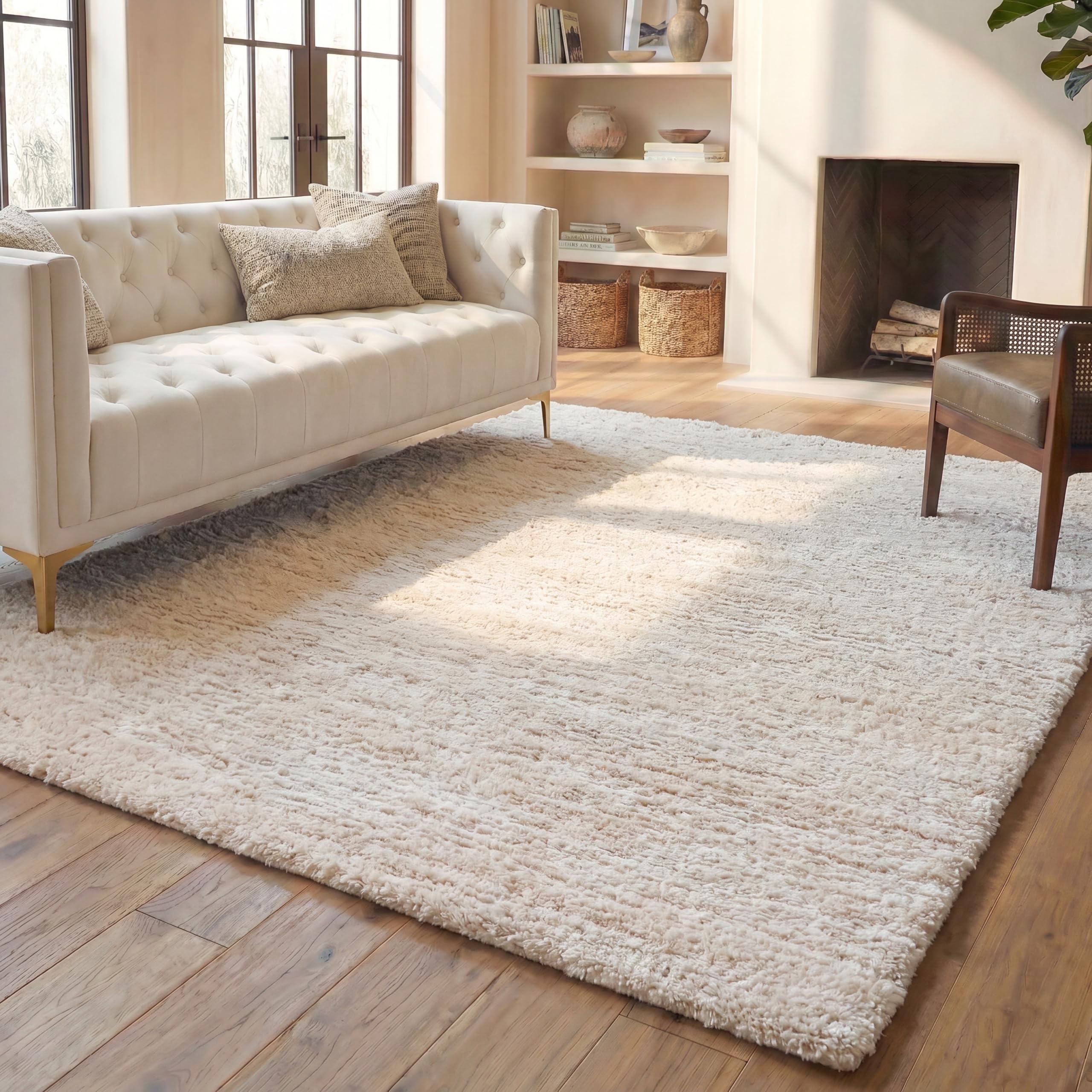
A berber rug suits a household that wants a durable, low pile floor covering for a living room, hallway, or bedroom, especially where shoes and pets are part of daily life. It suits a lower pile better if you vacuum often or use a robot vacuum, since tall loops can snag. It may suit you less if you want a very plush, sink in feel under bare feet, because berber feels structured rather than soft and deep.
Types of Berber Rugs Compared
Most buyers choose from a small number of types, each with clear strengths and limits.
| Type | Best For | Strength | Watch Out For |
|---|---|---|---|
| Wool berber | High traffic living rooms | Natural resilience and a warm look | Higher price and careful cleaning |
| Nylon berber | Family rooms and hallways | Strong wear resistance and easy spot cleaning | Can feel firmer than wool |
| Olefin berber | Basements and casual rooms | Stain resistance and a lower price | Less resilient under heavy furniture |
| Blended berber | Everyday mixed use rooms | A balance of softness, strength, and price | Quality varies a lot by blend |
Choosing between types usually comes down to where and how often you will use the rug. Match the type to your most frequent use rather than to an occasional scenario.
Key Features to Compare
Loop Height
Short loops clean more easily and resist snagging, while taller loops feel softer but need gentler vacuuming and more care around pet claws.
Fiber
Wool offers natural bounce, nylon offers toughness, and olefin offers stain resistance, so match the fiber to the room, not just to the color.
Backing and Pad
A firm pad protects the loops, reduces sliding, and helps the rug wear evenly, so check pad thickness and grip before you settle on a rug.
Size and Placement
Measure the seating area first and leave a clear border of floor around the rug, because a rug that is too small makes a room feel cramped. For other room needs, see our guide to the best quality rugs.
Common Mistakes to Avoid
- Choosing tall loops for a house with cats or dogs, which can catch claws.
- Using a beater bar on looped pile, which can pull and fuzz the loops.
- Skipping the pad, which lets the rug slide and wear unevenly.
- Guessing the size instead of taping the outline on the floor first.
- Putting a rug over a damp basement floor without checking moisture first.
Care Tips
Vacuum with suction only or a low brush setting, blot spills instead of scrubbing, and test any cleaner on a hidden corner first. For a large stain or a musty smell, a professional clean is often safer than repeated home scrubbing. If the rug is going on stairs or into a basement, our guides to the best rugs for stairs and the best rugs for basement cover those rooms.
Frequently Asked Questions
Do berber rugs work well with pets?
Yes, in many homes they do, because the low looped pile resists matting and shows less surface dirt than a deep pile rug. Choose a short loop, keep claws trimmed, and vacuum with suction only to avoid pulling loops.
Are berber rugs hard to clean?
They are usually easy to maintain with regular vacuuming and prompt spot cleaning, but the looped surface needs a gentle touch. Follow the care label for water and detergent.
Will a berber rug feel comfortable underfoot?
It feels firm and supportive rather than plush. A quality pad adds comfort and insulation. For extra softness, look for a slightly taller loop or a wool blend.
What size berber rug should I choose?
In a living room, aim for the front legs of sofas and chairs to sit on the rug. In a bedroom, extend the rug well past the sides of the bed. Mark the outline with tape before you order.
Do berber rugs suit a basement?
They can, if the basement stays dry. Choose a synthetic fiber for damp prone rooms and use a breathable pad. Fix any moisture problem first.
Final Thoughts
Match the loop height and fiber to your room, measure carefully, and add a good pad. Compare your shortlist in the product table above, and choose the best berber rugs for your daily routine rather than the one with the longest feature list.