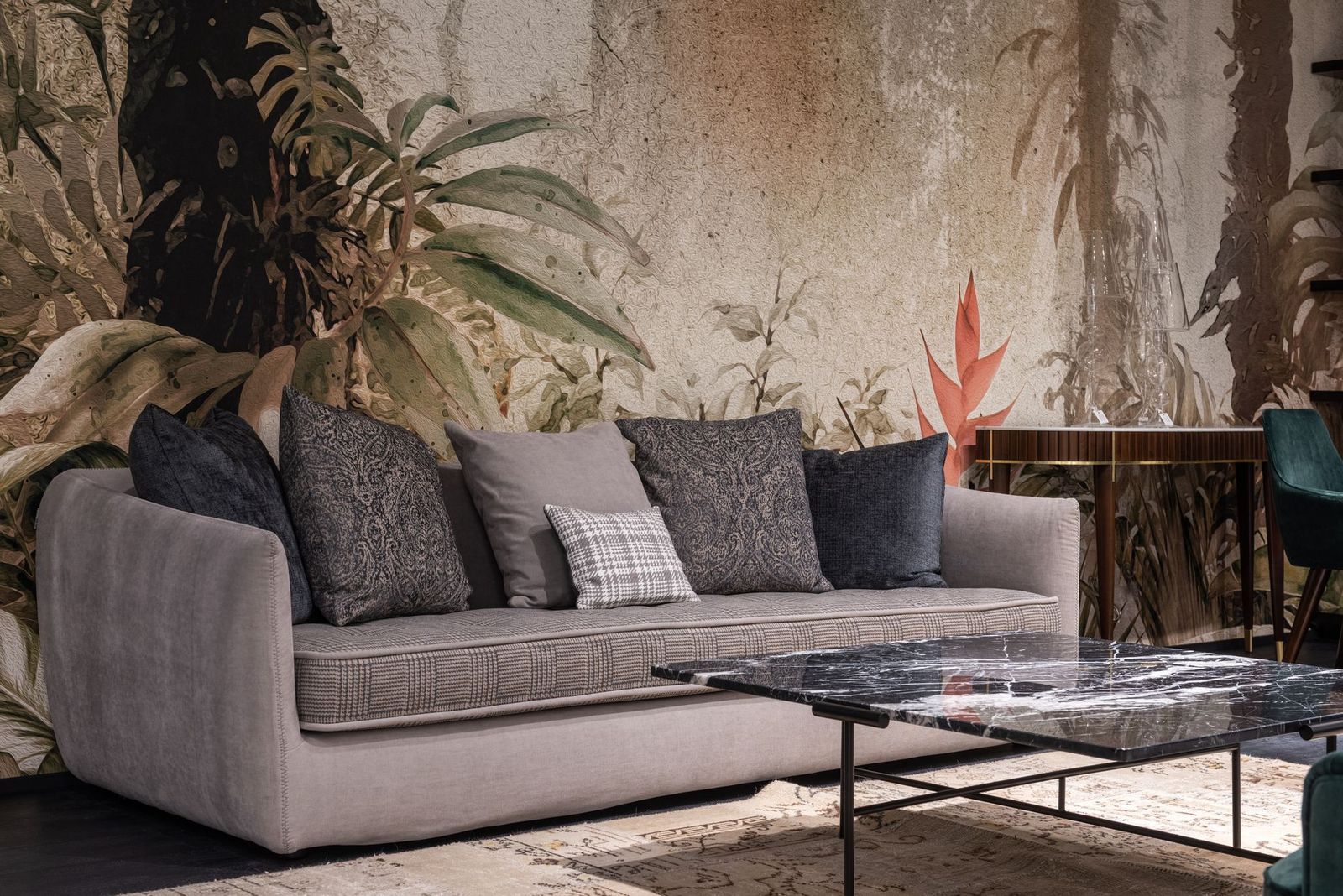
Best Big Sofas for Every Need: How to Pick the Right One in 2026
Disclosure: We may earn a commission when you buy through links on this page, at no extra cost to you. As an Amazon Associate I earn from qualifying purchases. Learn more

Not all big sofas fit every routine. See which best big sofas match how you actually use them, what features to prioritize, and what to skip.
There is no single sofa that suits every household, because a family film night, a reading corner, and a formal sitting room ask for different things. The best big sofas for you depend on who sits there, for how long, and what your room can truly hold. This guide sorts buyers by use first, so you can match features to your routine instead of chasing a generic winner.
The product table puts current options side by side. Read the use cases first, then use the table to check sizes, fabrics, and prices against the profile that sounds like your home.

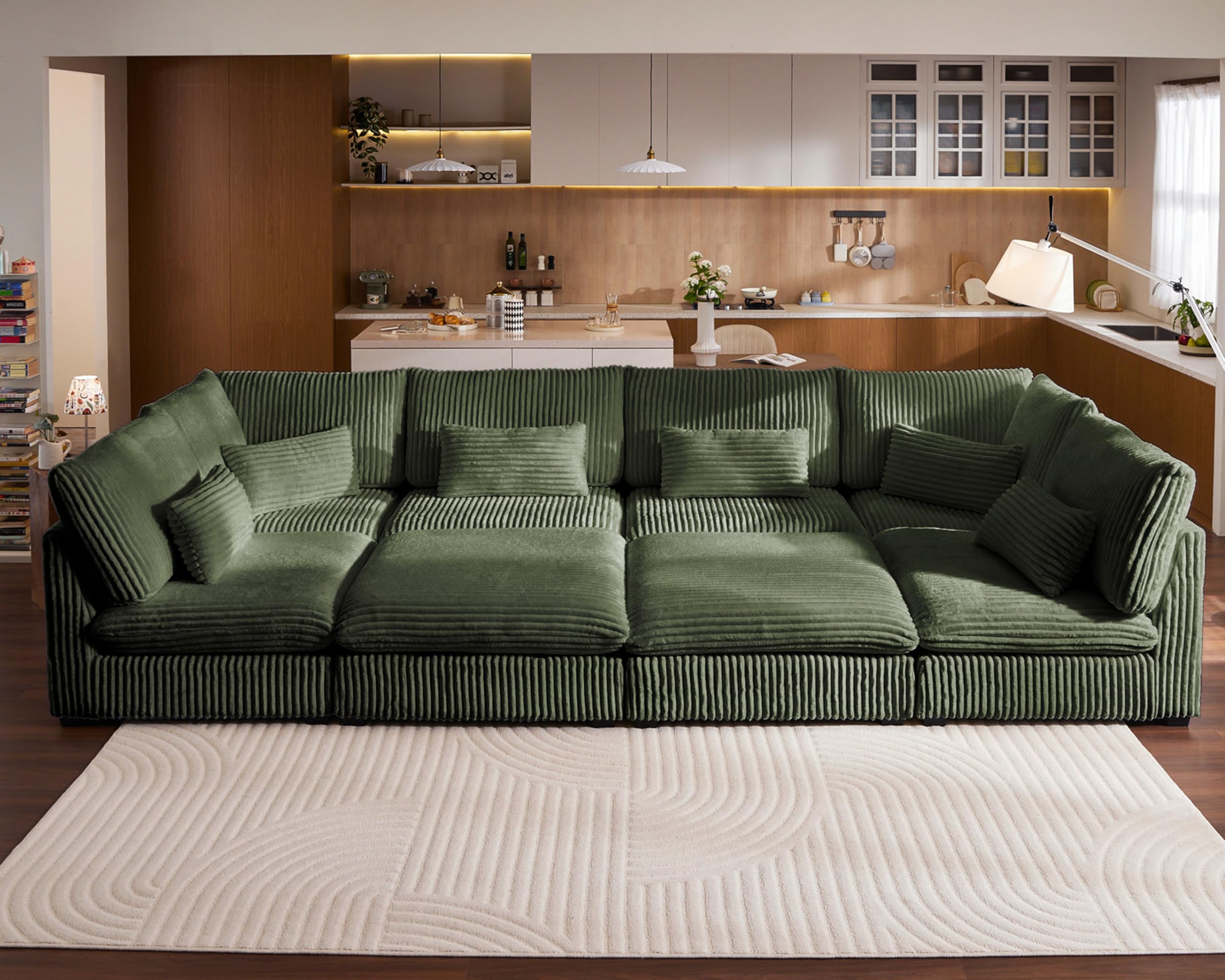
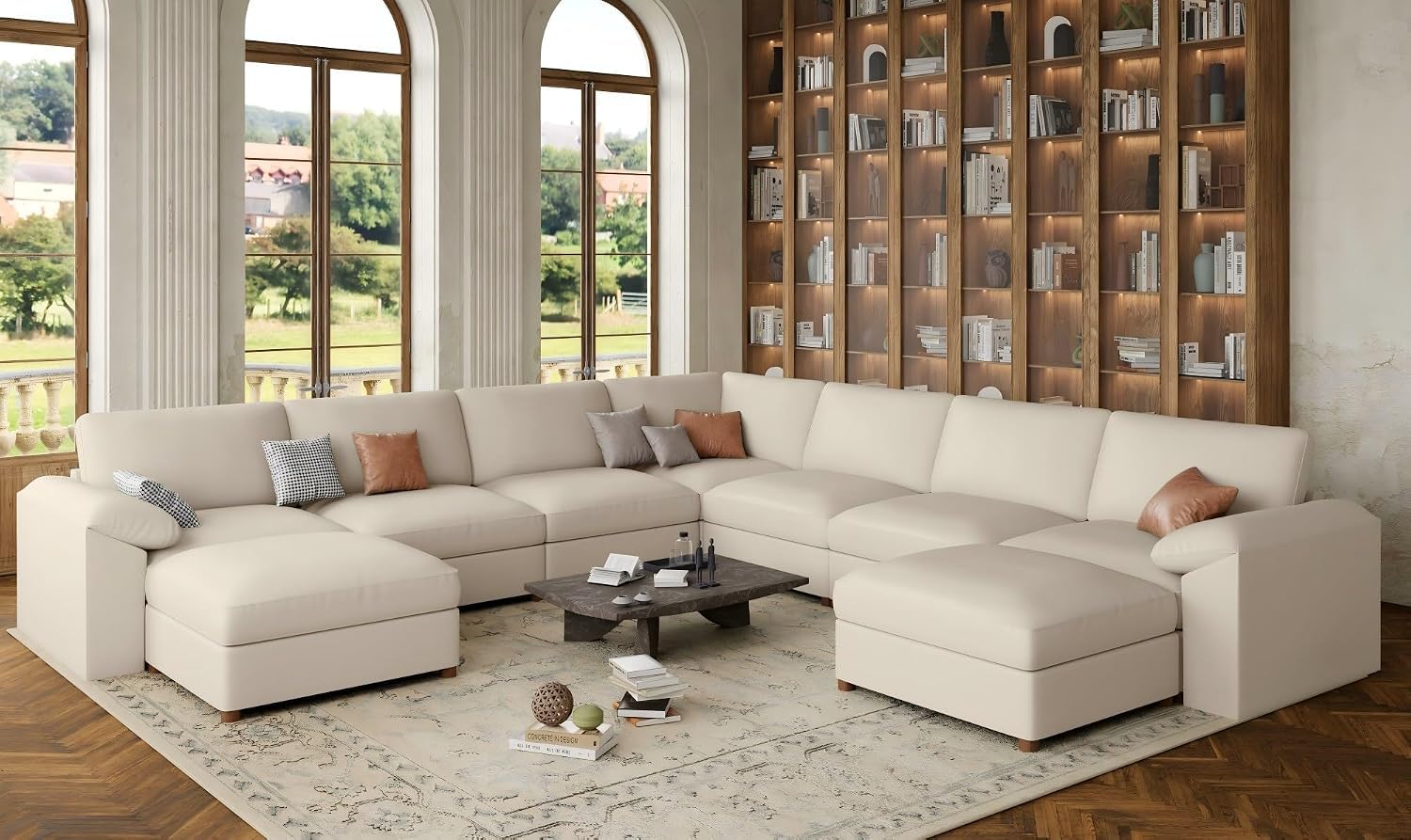

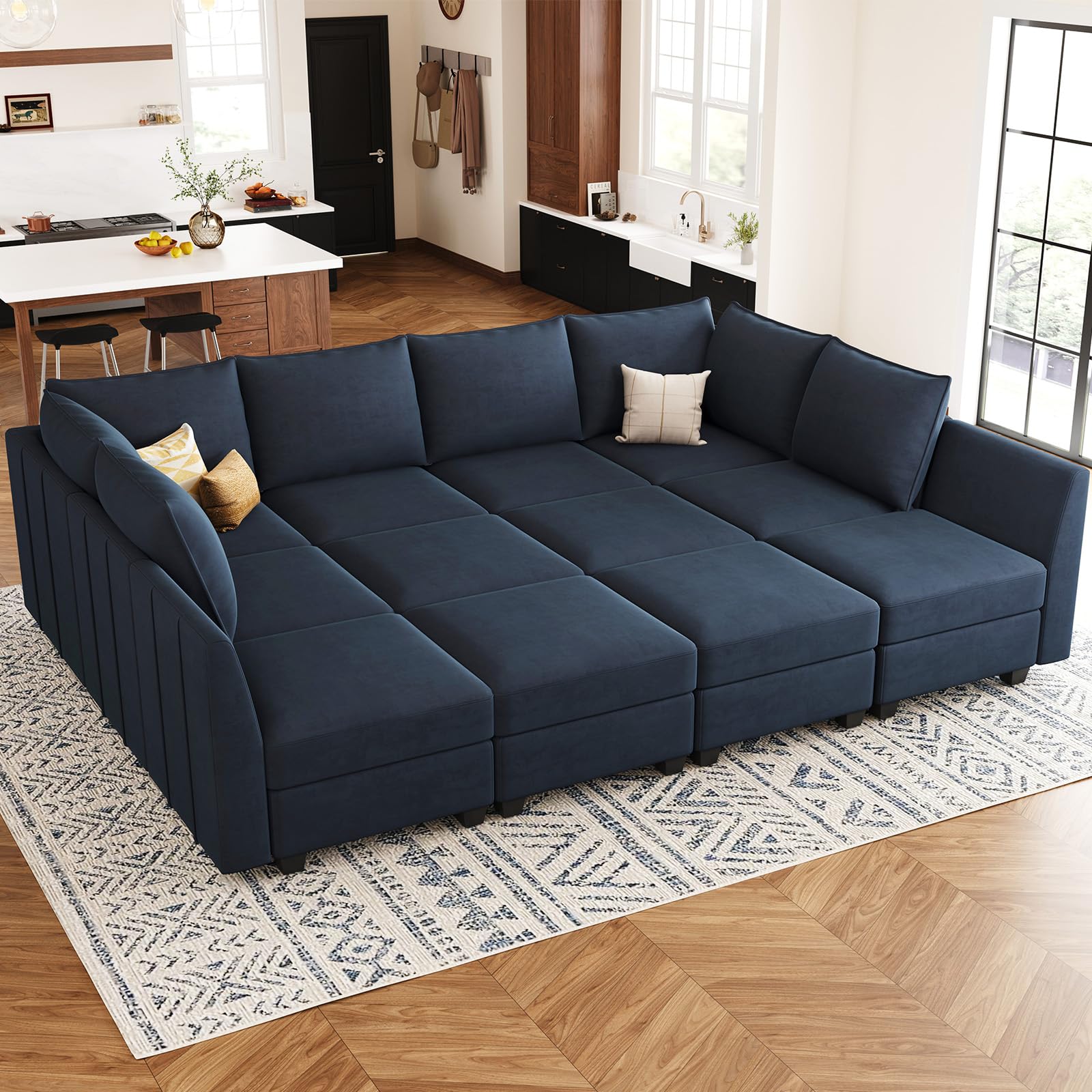
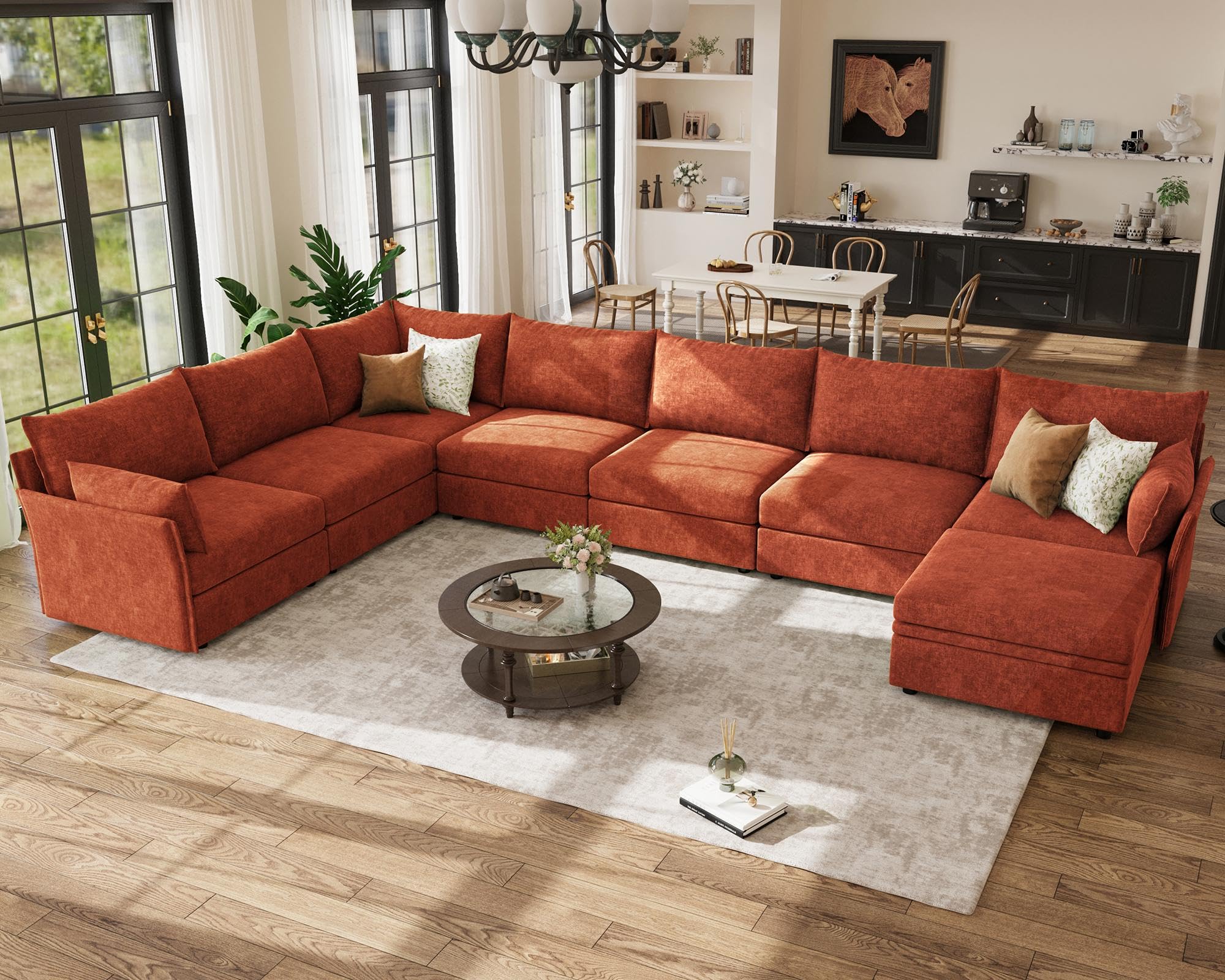
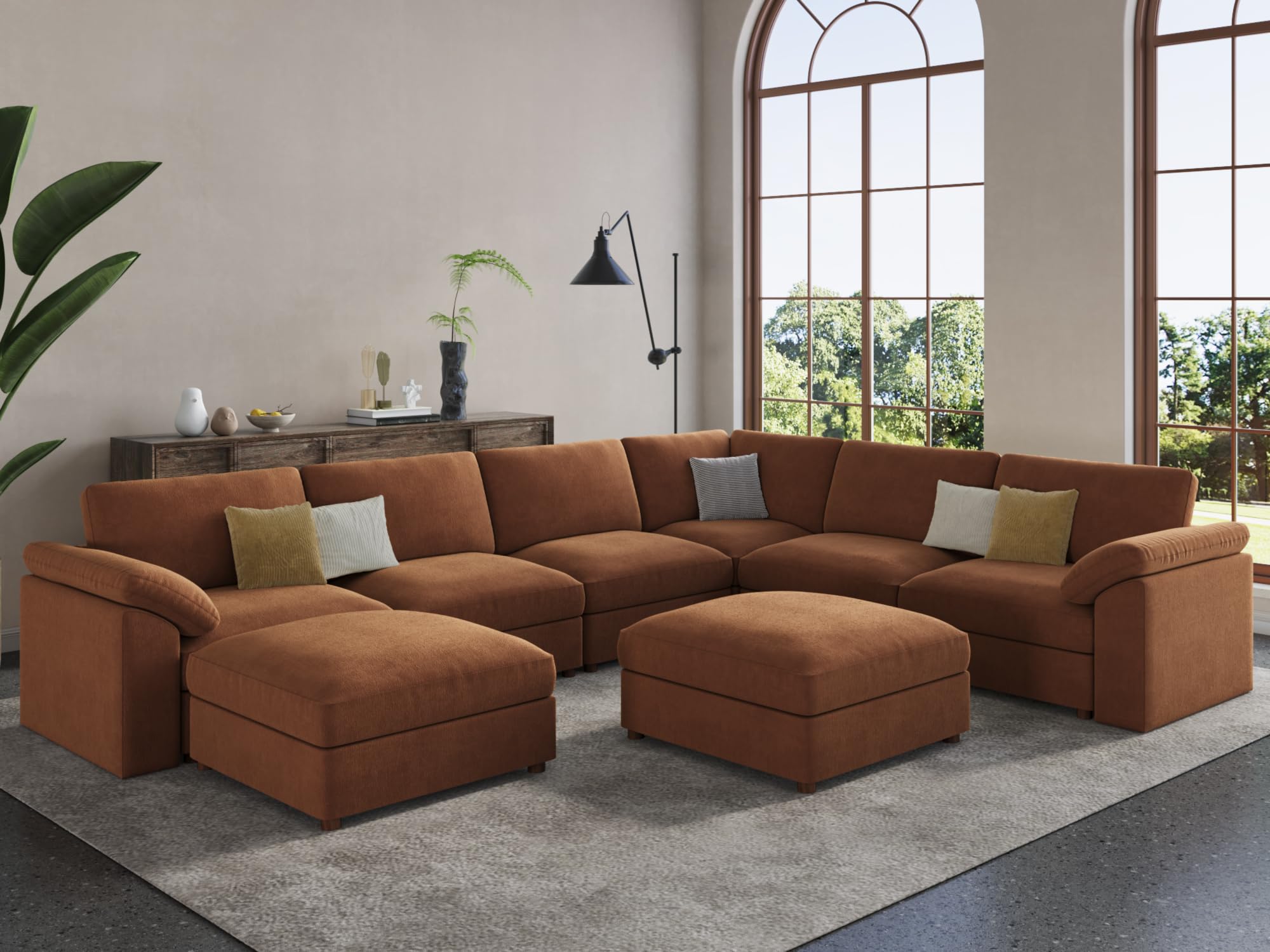
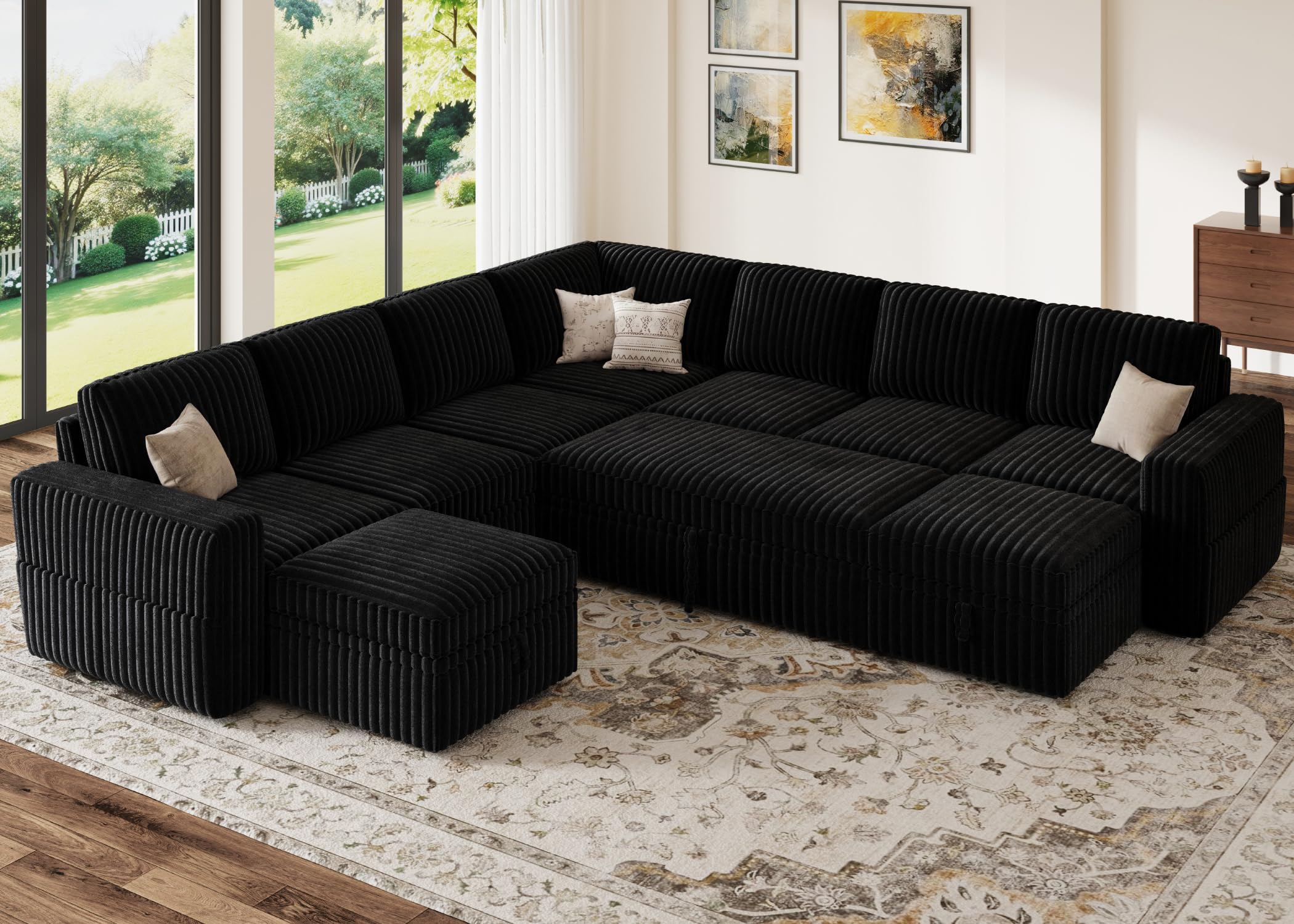
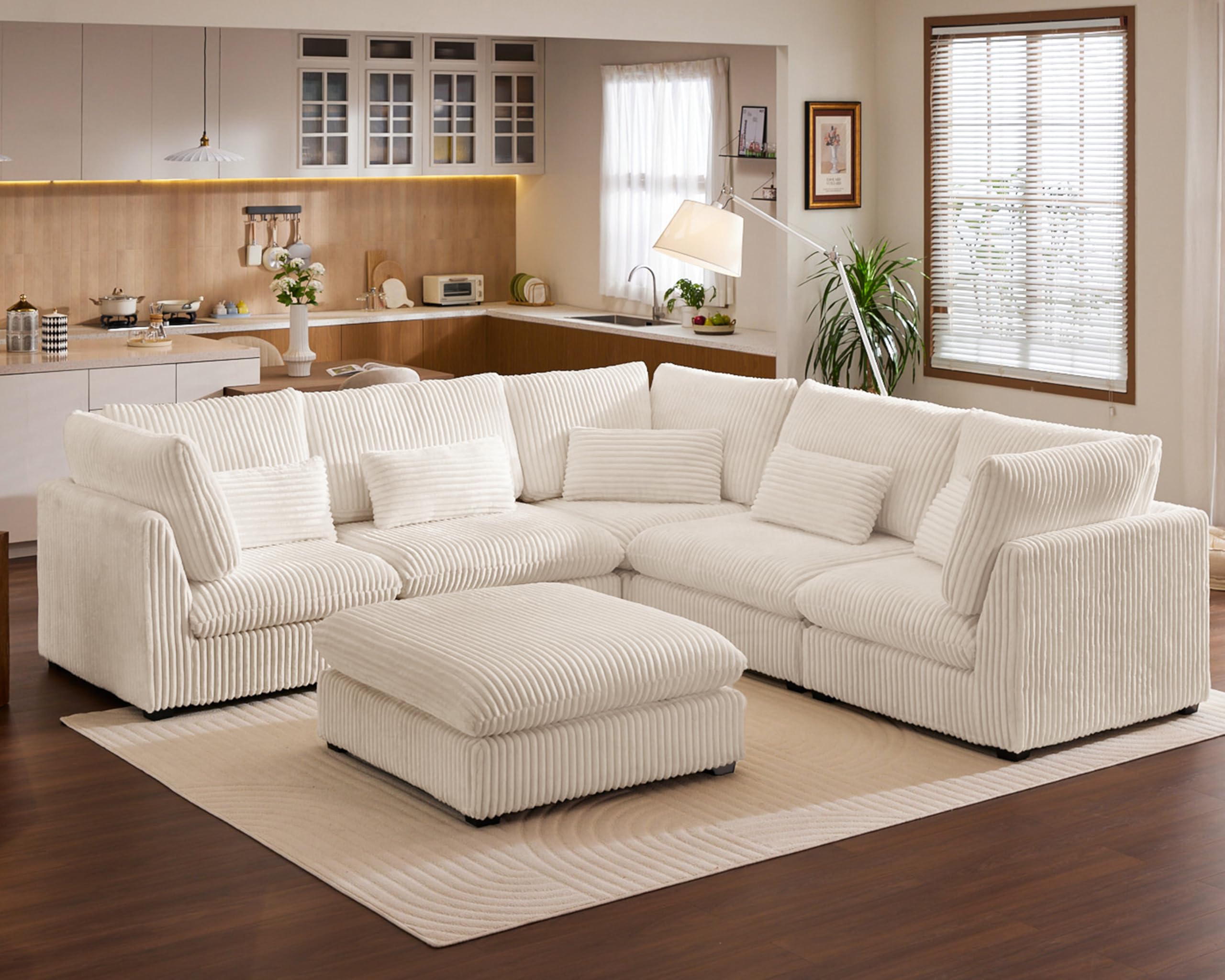
Who Should Buy Which Big Sofas?
For First Time Buyers
If this is your first large sofa, favor simple, proven construction over clever features. A fixed back design with removable cushion covers, a hardwood or strong engineered frame, and a neutral fabric will serve you well while your taste settles. Measure twice, choose a versatile three seat layout, and avoid very deep seats until you know how you like to sit.
Reliability matters more than novelty at this stage. Look for clear assembly instructions, a warranty that covers the frame for several years, and a return policy that allows a home trial. A straightforward sofa you can clean easily and rearrange around will teach you what to want next time without an expensive lesson.
For People Who Want the Best Performance
If you sit for long stretches daily, premium construction earns its price in support and longevity. High density foam over strong springs keeps cushions from sagging, and quality joinery stops frames from creaking or loosening. Deep, well shaped seats with good lower back support let you read, work, or watch for hours without shifting around.
Performance also shows in fabric that resists pilling and fading and in cushions that recover their shape each morning. Expect to pay more, often about $1,500 to $3,500 or higher for large well made pieces. Choose this route if the sofa is the center of your home and will be used hard for a decade.
For Value Seekers
Value seekers should spend on the frame and seat support and save on decorative extras. A simpler fabric in a forgiving color, standard legs, and fewer moving parts can cut the price to about $700 to $1,500 while keeping daily comfort strong. Sectional layouts that can split or reverse add flexibility without premium cost.
Check the trade offs carefully. Thinner fabric, foam that softens sooner, and shorter frame warranties are common cuts at lower prices. If the bones are sound, those compromises are reasonable for a first home, a rental, or a busy family room where spills are a normal part of life.
Key Features to Compare
Measuring for Size and Portability
When shortlisting the best big sofas, measure your room, your doorways, your hallway turns, and any elevator before you fall for one. A big sofa that cannot enter the home is the most common and most avoidable mistake in this category. Leave walking space of about 30 to 36 inches in main paths, and check that the sofa depth leaves room for a coffee table and leg stretch.
Use painter tape on the floor to outline the footprint for a day or two. Live with the outline at breakfast and in the evening to feel the flow. Also note seat height and depth from the product details, because a sofa can fit the room and still fit your body poorly.
Materials and Upholstery
Upholstery decides cleaning effort and how the sofa ages. Woven fabrics breathe well and hide texture, performance fabrics resist stains and suit kids and pets, and leather develops character but needs conditioning and costs more. Faux leather can look smart at first yet may peel sooner in heavy use.
Under the cover, look for high density foam in seat cushions, ideally wrapped in fiber for softness, and a frame of solid wood or quality plywood rather than thin board. Ask how cushion covers remove for washing. Practical tip: order fabric swatches and test them against spills, pet hair, and sunlight in your own room before you commit.
Style and Room Fit
A big sofa anchors the room, so its color and shape influence everything else. Low arms and slim legs make a large piece feel lighter in a small space, while wide arms and deep skirts suit larger traditional rooms. Neutral upholstery with colorful cushions and throws is the safest path if you like to change decor with the seasons.
Think about sight lines too. A tall back can block a window or split an open plan space, which may be exactly what you want or a problem. Match the sofa style loosely to your other furniture rather than buying a full matching set, which can make a room feel heavy and dated.
Ergonomics and Adjustability
Comfort on a sofa is ergonomics in disguise. Seat height should let most adults sit with feet resting flat on the floor, and seat depth should support thighs without pushing into the back of the knees. If you are tall, deeper seats and higher backs will feel far better over a long film.
Back angle and lumbar support matter when you sit upright to read or work. Some big sofas add reclining sections or adjustable headrests, which help long sessions but add cost, weight, and parts that can fail. Test the main seat you will use, not just the corner spot, and sit for several minutes before judging.
Common Mistakes to Avoid When Buying Big Sofas
- Choosing by price alone and ignoring frame quality and cushion fill.
- Skipping doorway and hallway measurements, then facing a failed delivery.
- Buying too large for the room and blocking walking paths and doors.
- Picking a pale delicate fabric for a home with pets or young children.
- Forgetting to check the frame warranty and the return terms before paying.
Each of these mistakes is cheap to avoid with an hour of measuring and reading. The tape measure and the warranty page protect your budget better than any discount. If you are also comparing seating for taller family members, see our guide to the best sofas for big and tall for seat depth guidance.
Setup and Care Tips
Place the sofa so feet rest flat and viewing angles feel natural, with the main seats facing your screen or conversation area directly. Tighten legs and any bolts every few months, because large pieces shift slightly with daily use and seasonal humidity. Vacuum upholstery weekly with a soft brush tool and blot spills at once rather than rubbing them deeper.
Rotate and flip cushions if the design allows it, so wear spreads evenly across seats. Keep leather away from direct heat sources, and use throws on the arms and head area where oils build up fastest. Quality focused readers may also enjoy our guide to the best quality sofas, and anyone needing guest sleeping space should compare the best bed sofas before choosing a fixed model.
FAQs
How long should a good big sofa last?
A good big sofa should last about seven to fifteen years depending on frame quality and daily use. Solid frames and high density foam sit at the long end, while budget frames in busy family rooms sit at the short end. You can extend life by rotating cushions, keeping weight limits in mind, and reupholstering a sound frame instead of replacing the whole piece when fabric wears.
What features matter most for long hours?
For long hours, seat support, back angle, and cushion recovery matter most. Choose high density foam that does not bottom out, a back that supports your lower spine without forcing an upright pose, and arm height that lets your shoulders relax. Breathable fabric helps during warm evenings. If you often work from the sofa, a firmer seat and a side table at elbow height make long sessions far easier.
Is an expensive big sofa worth it?
An expensive big sofa is worth it when you sit on it daily for many hours and plan to keep it for a decade. Better frames, springs, and foam delay sagging and squeaks, and quality fabric ages gracefully. It is less worth it for a short term rental or a room used mainly for guests. In those cases, a sound mid priced sofa and a good protection plan serve you better.
How do I choose the right size?
Choose size by measuring the room, the access route, and your own body, in that order. Tape the footprint on the floor, confirm walking space remains, and check seat height and depth against the tallest and shortest regular users. Leave a margin around radiators and doors. If two sizes both fit, the slightly smaller one usually makes the room feel calmer and leaves options for side tables and lamps.
The Bottom Line
Start with your use, confirm the fit with tape and measurements, and spend on frame and cushions before decor. The product table above gathers the key sizes and materials so you can compare your shortlist quickly. Chosen this way, the best big sofas give your household room to gather, stretch out, and relax for years without crowding the space you live in. For a broader view of styles, see our guide to the best couches and sofas.