
Best Bark Collars for Small Dogs for 2026: What Actually Matters Before You Buy
Disclosure: We may earn a commission when you buy through links on this page, at no extra cost to you. As an Amazon Associate I earn from qualifying purchases. Learn more
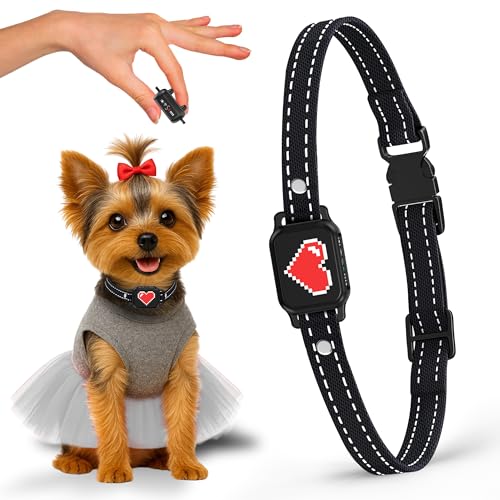
The best bark collars for small dogs are light, narrow and gentle to start. Check fit, modes, battery life and safety limits with this buyer checklist.
A collar made for a large dog can be too heavy, too wide or too strong for a small dog, so size should come first in your search. This guide gives you a checklist for best bark collars for small dogs, covering fit, weight, correction modes, battery life and safety limits. The comparison table below summarises the main collar types, and the sections that follow explain how to judge each one.
Small dogs also vary a lot, from a tiny lap dog to a sturdy small breed with a thick coat. That means the same collar can fit one small dog well and overwhelm another. Use the checklist in this guide to compare collars on facts that matter for small necks, sensitive skin and everyday training, rather than on claims alone.
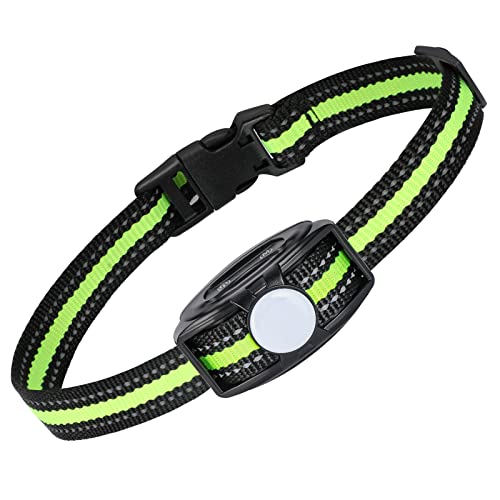
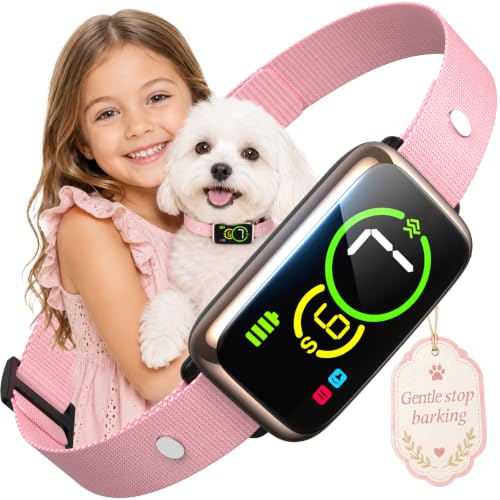
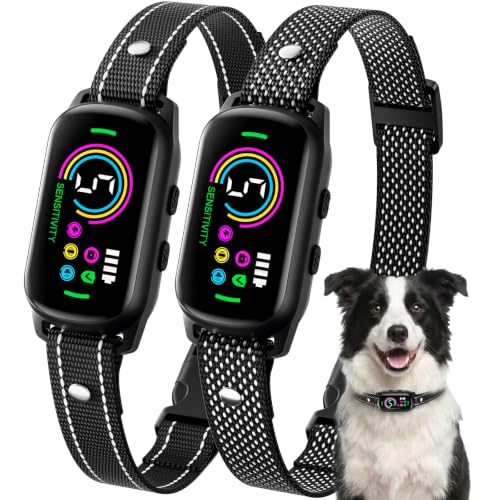
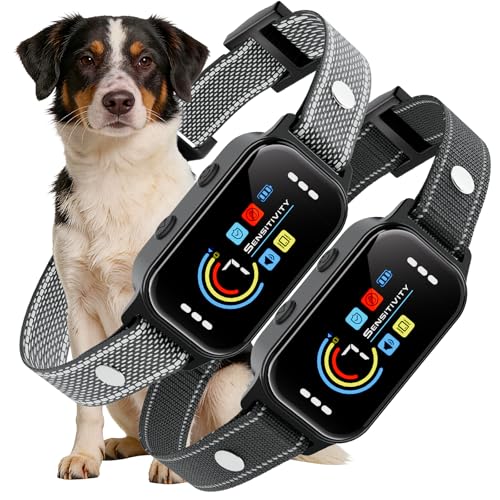
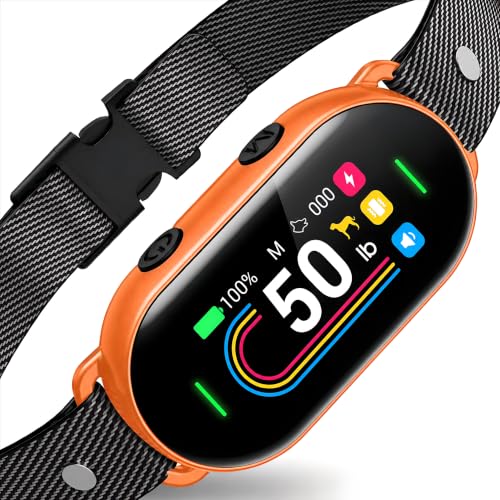


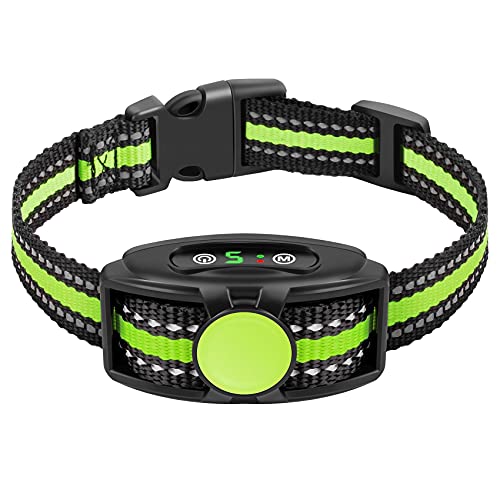

Best Bark Collars for Small Dogs: Key Features to Compare
Work through these criteria in order, and drop any collar that fails on fit or safety before you compare extra features. A collar with many modes is not useful if it slips, chafes or weighs down a small dog. The criteria below reflect the needs of small dogs in particular, not just collars in general.
Features That Matter for Small Dogs
Small dogs need a light receiver, a narrow strap and a sensor that can tell barking apart from ordinary movement. A heavy box on a small neck can shift position, which changes how the sensor reads sound and vibration. Look for adjustable sensitivity, a clear low starting level and a way to turn the collar off during play, meals and sleep. If your dog has a thick coat, check that the contact points can reach through fur without pressing hard, since a poor fit can cause missed signals or skin irritation.
Measuring for Size and Portability
Measure your dog neck with a soft tape, snug but not tight, and add the maker recommended gap, often about two fingers under the strap. Weigh the receiver if you can, and compare it with your dog build, because a few extra ounces matter more on a small dog than on a large one. Check strap length as well, since a strap made for medium dogs may leave a long loose end on a small neck. A compact receiver also travels better, and it is less likely to catch on bedding, crates or brush on walks.
Intended Use and Who It Is For
Bark collars suit owners who want a consistent signal for barking at home, in the yard or during short outings. They are less useful when barking comes from fear, pain, boredom or separation distress, because a collar does not fix the cause. In those cases, training, enrichment and advice from a vet or qualified trainer should come first. If you live in an apartment, check noise rules and neighbor concerns too, and use the collar only as one part of a wider plan that includes exercise, routine and calm greeting habits.
Safety and Certifications
Safety starts with a fit check, a time limit and a skin check. Follow the maker label guidance on how long the collar may stay on each day, and remove it during sleep, play and grooming. Inspect the neck daily for redness, soreness or hair loss, and stop use and ask your vet if irritation appears or worsens.
Look for clear safety instructions, a waterproof rating that matches your use and a strap that releases or adjusts without tools that could pinch. Keep the collar and charger away from children, and store small parts where a child or pet cannot reach them.
Correction Modes and Controls
Common modes include sound only, vibration and static stimulation, often in a graded sequence. Sound or vibration only is a gentler starting point for many small dogs, and it lets you judge the response before using a stronger mode. Check whether levels adjust in small steps, whether the collar pauses after repeated triggers and whether you can lock the settings.
A collar that jumps straight to a high level, or that keeps firing during continuous barking, is a poor choice for a small dog. Clear controls matter too, since fiddly buttons lead to accidental changes.
Maintenance and Long Term Costs
Long term cost includes batteries or charging, replacement straps, contact points and cleaning supplies. Rechargeable collars save on batteries but need a charging routine, while battery models need spares on hand. Check battery life claims against real use, since frequent barking drains power faster than occasional use.
Clean the strap and contact points as directed, and replace worn straps promptly, because a stretched strap changes fit and sensor position. A clear warranty helps when a button, charger or sensor fails early.
Ease of Use and Setup
Setup should be simple enough to do correctly on the first try. Read the manual before first use, fit the collar, try the sensor at a low level and watch your dog response in a calm setting. A collar with a clear on and off switch, a visible battery indicator and a simple mode button is easier to use safely than one buried in menus.
If setup needs a phone app, check that the app works with your phone and that you can change settings without the app when needed. Keep the manual handy for the first week, so you can check fit and levels without guessing.
| Type | Best For | Signal | Watch Out For |
|---|---|---|---|
| Sound only | Sensitive small dogs | Tone | May be ignored by persistent barkers |
| Vibration | Gentle first step | Buzz | Fit must stay snug to be felt |
| Graded stimulation | Owners who want steps | Levels that rise | Must start low and pause |
| Spray | Dogs that respond to scent | Spray burst | Refills and wind outdoors |
Spending Levels: What Each Budget Buys
Budget collars usually offer basic sound or vibration, a simple strap and a standard battery or charge. They can suit a first trial, but check fit range and safety guidance closely, since some budget models lack fine sensitivity steps. Mid range collars often add graded levels, better waterproofing, a clearer battery indicator and a more adjustable strap for small necks.
Premium collars may add a compact receiver, longer battery life, a stronger warranty and finer controls, which matter most for daily use or for dogs that bark often. In every price level, fit and safety should decide the purchase, not the number of modes on the box.
Quick Buyer Checklist
- Does the receiver weight and strap width suit a small neck?
- Can you fit two fingers under the strap, and does the collar stay in place?
- Does it offer sound or vibration only as a starting mode?
- Do sensitivity and levels adjust in small, clear steps?
- Does it pause after repeated triggers instead of firing without a break?
- Is battery life, charging and waterproofing clearly stated?
- Does the maker give a daily wear limit and skin check guidance?
- Is there a warranty and a way to buy replacement straps?
Red Flags to Watch For
Watch for vague specs, such as a correction level with no scale, a waterproof claim with no rating or a size range that covers every dog from tiny to large. Short warranties, missing safety instructions and reviews that sound copied are also warning signs. Avoid collars that cannot be turned off easily, that lack a pause after repeated barking or that use a strap too wide for a small neck. If the maker gives no guidance on fit, wear time or skin checks, choose a different collar, since those details matter most for a small dog.
Setup and Care Tips
Read the manual before first use, then fit the collar in a calm room and try it at the lowest level. Clean and inspect regularly, checking the strap, contact points and skin under the collar each day. Store the collar in a dry place, keep the charger with the manual and remove the collar for sleep, play and baths unless the maker says otherwise.
If your dog also needs a safe resting space while you work on barking, see our guide to best dog crates for small dogs for size and setup basics. For outings, see our guide to best dog shoes for small dogs for paw protection on rough ground. At home, see our guide to best dog gates for small dogs for safe room boundaries.
Frequently Asked Questions
What features matter most in bark collars for small dogs?
Fit, weight and gentle starting modes matter most in bark collars for small dogs. A light receiver and a narrow strap keep the sensor in place without weighing down a small neck. Adjustable sensitivity, sound or vibration only options and a pause after repeated triggers help you train at a low level.
Battery life and waterproofing come next, since a collar that dies or fails in rain is not useful. Always check the maker size range against your dog actual neck measurement.
What features matter most when buying bark collars?
When buying any bark collar, judge the sensor, the mode range and the safety controls before price or style. A good sensor should respond to barking, not to head shaking or play, and modes should rise in small steps. Look for a clear off switch, a battery indicator and a strap that stays put.
The collar should also suit your setting, since a yard collar needs weather resistance that an indoor only collar may lack. Keep the focus on consistent, low level signals rather than maximum strength.
How do I maintain a bark collar?
Maintain a bark collar by cleaning the strap and contact points as directed and checking fit every day. Wipe off dirt and moisture after outdoor use, and let the strap dry fully before the next wear. Inspect for fraying, loose parts or a stretched strap, and replace worn parts promptly.
Charge or change batteries on schedule, and store the collar in a dry place away from children and pets. If skin redness appears, remove the collar and ask your vet before using it again.
How much should I spend on a bark collar?
Most small dog owners do well with collars priced at about $30 to $80, depending on modes and battery type. Budget models suit a short trial with sound or vibration, while mid range models add graded levels and better waterproofing. Premium models make sense for daily use, longer battery life or a compact receiver. Spending more does not guarantee a better fit, so measure your dog neck and check the receiver weight before paying extra for features you may not need.
Are expensive bark collars worth it?
Expensive bark collars are worth it when the extra cost buys a lighter receiver, finer levels, longer battery life or a stronger warranty that you will use every day. They are less worthwhile when the premium price pays only for extra modes that start too strong for a small dog. Compare fit and safety features first, then decide whether the costly model solves a real gap, such as frequent barking or outdoor use. If it does not, a mid range collar with sound and vibration often works just as well.
How long does a bark collar last?
A bark collar often lasts two to four years with regular care, though battery life and strap wear set the real limit. Rechargeable batteries lose capacity over time, and straps stretch with daily use. Replace the strap when it no longer holds a snug fit, and replace the collar when buttons, sensors or charging fail.
Daily skin checks and proper storage extend its life, while leaving it on too long or storing it damp can shorten it. Follow the maker guidance on wear time and cleaning.
Wrapping Up
The best choice for a small dog is the collar that fits well, starts gently and lets you control levels with confidence. Measure the neck, compare receiver weight, try sound or vibration first and check skin daily during the first weeks. If barking comes from fear, pain or distress, get vet or trainer advice alongside any collar use, since a device alone will not fix the cause. With fit and safety settled, choosing among the best bark collars for small dogs becomes a checklist decision, and the product table can help you compare the options before you buy.


