
Best Beginner XC Mountain Bike of 2026: Complete Buying Guide
Disclosure: We may earn a commission when you buy through links on this page, at no extra cost to you. As an Amazon Associate I earn from qualifying purchases. Learn more

Learn how to choose the best beginner xc mountain bike with clear advice on sizing, brakes, suspension, gears and budget for your first trail rides.
Cross country bikes are built for covering ground efficiently on trails, fire roads, and rolling singletrack, but the spec sheets can overwhelm a new rider. This guide explains how to choose a best beginner XC mountain bike in plain terms, so you spend your money on fit and reliable parts instead of features you will not use yet.
A good first cross country bike feels stable on descents, climbs without wasting your energy, and fits your body well enough for rides of an hour or more. The comparison table below summarizes the main options while you work through the details in this guide.
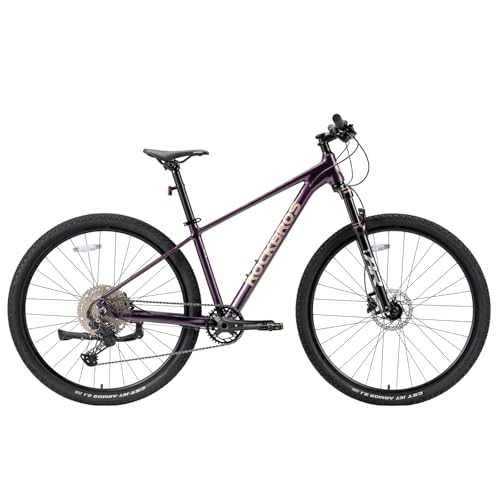

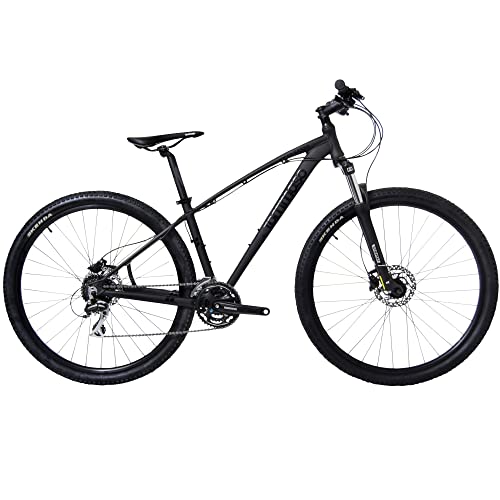


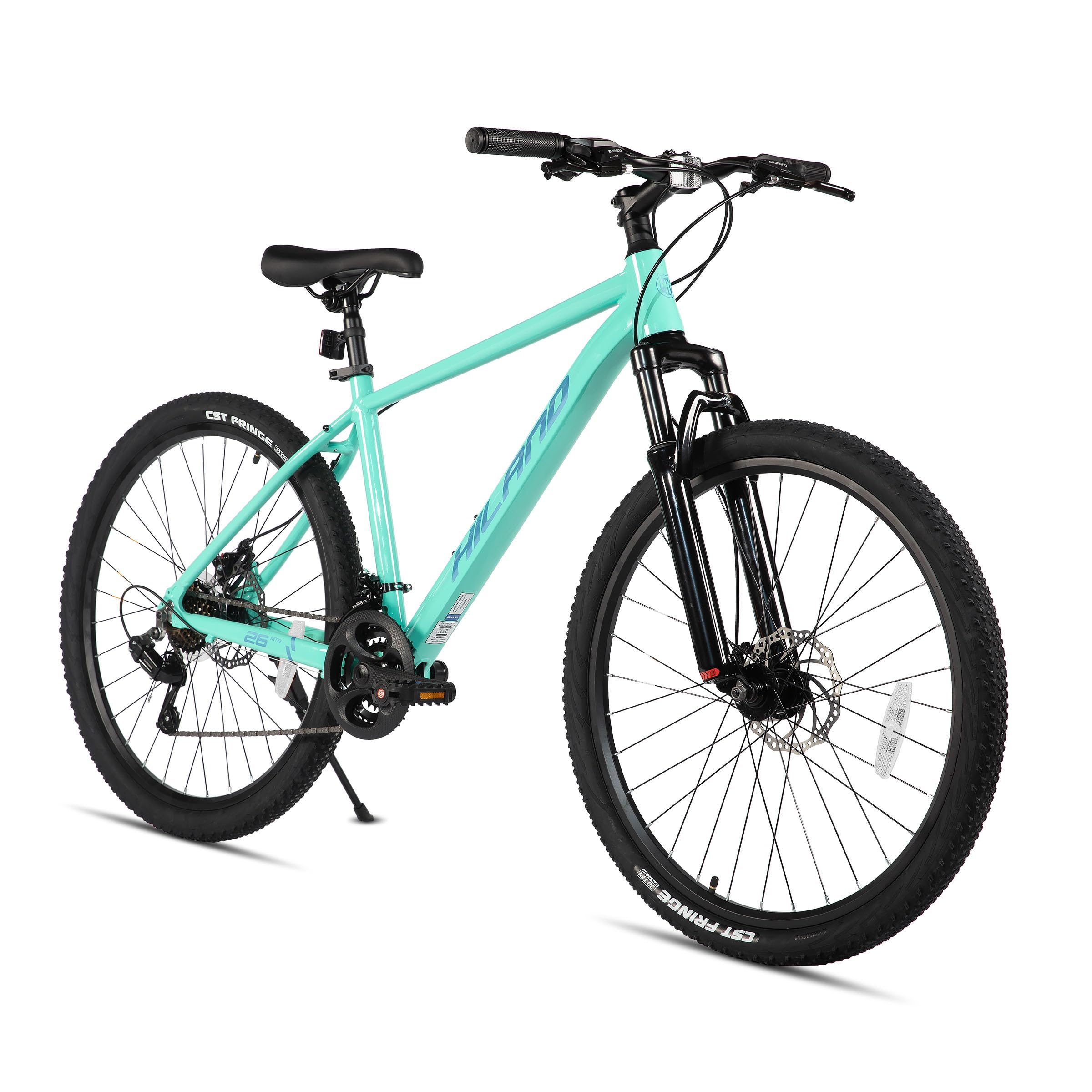
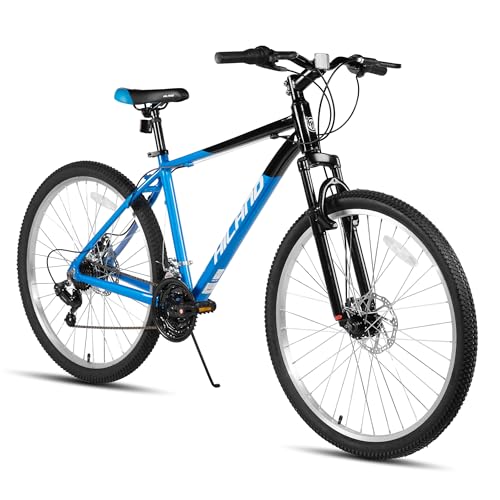

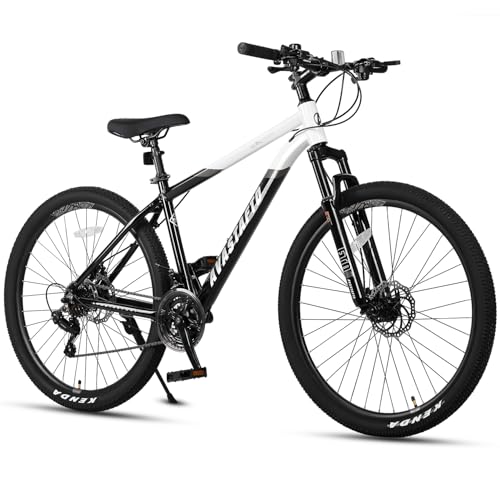

We will cover price tiers, the parts that matter most, sizing, and basic care. If you are also comparing trail bikes in general, our guide to the best beginner mountain bike range gives useful background on how cross country models differ from heavier trail designs.
What Each Price Tier Gives You
Entry Tier
Entry tier cross country bikes, often around $500 to $900, usually pair an aluminum hardtail frame with a basic suspension fork and a simple single chainring drivetrain. Brakes at this level may be mechanical disc brakes, which work fine in dry weather but need more hand effort. These bikes suit smooth trails, gravel paths, and fitness riding, though the fork offers little adjustment.
Mid Range Tier
Mid range models, often about $900 to $1,800, are the sweet spot for most beginners who plan to ride weekly. You typically get hydraulic disc brakes, an air sprung fork that you can adjust for your weight, and a wider range drivetrain with smoother shifting under load. Wheels and tires are often tubeless ready, which lets you run lower pressure for better grip. Weight drops as well, and the difference is easy to feel on long climbs and when you lift the bike onto a car rack.
Upgrade Tier
Upgrade tier bikes, often about $1,800 to $3,000, add lighter frames, better suspension damping, and stronger wheels. Some models at this level offer full suspension for rough and rocky trails, along with a dropper seat post that lowers your saddle for descents at the push of a lever. These upgrades improve comfort and control, but they add parts that need more service.
How to Choose the Best XC Mountain Bikes: Buying Guide
Beginner Friendly Features That Matter
A single chainring at the front removes the front shifter and makes gear changes simple, which helps you focus on the trail. Wide handlebars, a short stem, and tires with a grippy but fast rolling tread build confidence on loose surfaces. Look for clear setup guidance from the maker, including a sag chart for the fork and a tire pressure range printed on the tire sidewall. Mounts for two water bottles inside the frame are a small detail that matters a lot on warm cross country rides.
Bike Type and Riding Style
Cross country bikes favor climbing speed and efficiency, with lighter frames and faster rolling tires than trail or enduro bikes. That focus suits riders who enjoy longer distances, smoother singletrack, and steady climbs more than jumps or very steep descents. If your local trails are rough and technical, a trail bike may feel calmer, but it will feel slower on climbs. Our guide to the best xc mountain bike category explains how race focused models differ from the more relaxed beginner designs covered here.
Brakes: Hydraulic vs Mechanical Disc
Hydraulic disc brakes use fluid to multiply the force from your fingers, so one finger can slow you down with control on long descents. Mechanical disc brakes pull a cable instead, cost less, and are easier to adjust at home, but they need more hand effort and more frequent adjustment as the cable stretches. For regular trail riding, hydraulic brakes are worth prioritizing in your budget. Whichever type you choose, bed in new pads with a series of gentle stops before your first hard descent.
Sizing and Fit
Start with the size chart from the maker, which matches frame sizes to rider height, then check standover clearance so you can stand over the top tube with room to spare. Reach, the distance from the saddle to the handlebars, affects how stretched out you feel, and beginners usually do better with a moderate reach rather than a very long race fit. If you fall between sizes, the smaller frame usually feels easier to handle. A shop fit or a longer test ride is worth more than any single number on a chart.
Frame Material and Geometry
Most beginner cross country frames are aluminum, which keeps cost sensible and resists dings from trail use. Carbon frames weigh less but cost much more and need care after a crash. Geometry numbers that matter most are head tube angle and reach. A slightly slacker head angle, around sixty seven to sixty nine degrees, feels calmer on descents without making the bike slow to steer on climbs.
Motor, Battery, and Range for Electric Models
Electric cross country bikes add a motor and battery that assist your pedaling, which can help you keep up on group rides or climb hills you would otherwise avoid. Mid drive motors sit at the pedals and feel natural, while hub motors sit in the rear wheel and cost less. Battery size is measured in watt hours, and larger batteries give more range but add weight. Charge the battery at room temperature with the charger supplied by the maker.
Weight and Components Upgrade Path
Total bike weight for a beginner hardtail often lands around twenty eight to thirty four pounds, and lighter wheels make the biggest difference you can feel. Plan upgrades in a sensible order: contact points first, such as saddle, grips, and pedals, then tires, then wheels. A bike with common standards, such as a threaded bottom bracket and standard axle spacing, will accept upgrades more easily in later seasons.
Types of XC Mountain Bikes
Hardtail Bikes
A hardtail has a suspension fork at the front and a rigid rear end. It is lighter, cheaper, and simpler to maintain than a full suspension bike, and it teaches clean line choice because the rear wheel follows the ground exactly. Hardtails suit smooth to moderately rough trails and riders who value climbing efficiency.
Full Suspension Bikes
Full suspension bikes add a rear shock that helps the rear wheel track rough ground, which improves traction on climbs and control on descents. Cross country versions usually offer around one hundred to one hundred twenty millimeters of travel, keeping weight and pedaling efficiency in check. The trade off is higher cost, extra weight, and more service, since pivots and shocks need periodic care.
Electric Cross Country Bikes
Electric models combine a light cross country frame with pedal assist, letting you ride farther and climb more in the same time. Expect a higher price and a heavier bike, often around forty to fifty pounds. When you compare tires for any of these types, our guide to the best xc mountain bike tyres explains tread patterns in more detail.
Setup and Care Tips
- Check tire pressure before every ride. Many beginners run too much pressure, which reduces grip, while too little risks rim damage on rocks.
- Clean and lube the chain every 100 to 200 miles. A clean drivetrain shifts better and lasts far longer than a dry and gritty one.
- Set fork sag with your riding gear on. Air forks work best when sag matches the chart from the maker for your weight.
- Have a professional tune up yearly. A shop can spot worn brake pads, loose bearings, and cable wear before they strand you on a ride.
- Store the bike indoors and dry. Wipe the frame after wet rides and keep tires away from direct sun during long storage.
Tire choice changes how any cross country bike feels, and the same model may be sold with different tread in different regions. Our guide to the best xc mountain bike tires covers the United States listings and sizing terms if the wording on product pages looks unfamiliar. Match the tire to your driest and loosest local trail rather than to your smoothest one.
Pedals and shoes deserve a thought before your first rides. Flat pedals with a grippy shoe are the easiest way to start, since you can put a foot down instantly. Our guide to the best xc mountain bike shoes explains sole stiffness and closure types when you are ready to try shoes that attach to the pedals for longer rides.
FAQs
What makes XC mountain bikes for beginners different from advanced models?
Beginner cross country bikes use more relaxed geometry, simpler parts, and tires that balance grip with durability. Advanced models chase low weight with carbon parts, steeper prices, and geometry that rewards an aggressive riding position. A beginner model also leaves more room in the budget for a helmet, shoes, and a pump. Those extras improve your first season far more than a lighter frame would at this stage of your riding.
How much should I spend on my first XC mountain bike?
Most beginners do well between about $700 and $1,500. Below that range, forks and brakes often limit how much fun the bike is on real trails. Above it, you pay for lower weight and smoother suspension, which are nice but not essential while you learn. Remember to budget for a helmet, a floor pump, a spare tube, and basic tools, because a bike without those items is not ready to ride.
Should a beginner choose a hardtail or full suspension XC bike?
A hardtail is the better first choice for most beginners on smooth to moderate trails. It costs less, weighs less, and has fewer parts to service, so more of your budget goes into fit and brakes. Full suspension makes sense sooner if your local trails are rocky, if you have joint pain that rough ground aggravates, or if you plan long rides where comfort decides whether you finish happily.
What size XC mountain bike do I need?
Use your height and inseam with the size chart from the maker, then confirm standover clearance in person when you can. Your knee should keep a slight bend at the bottom of the pedal stroke, and you should reach the bars without locking your elbows. If two sizes both seem possible, pick the smaller one for easier handling. A short parking lot ride often reveals more about fit than any chart.
Are electric XC mountain bikes allowed on trails?
Rules differ by land manager, park, and country, so there is no single answer. Many areas allow the lowest assist class on some trails and ban electric bikes on others, and rules change over time. Check the trailhead signs and the land manager website before you ride, and ask local shops which trails near you welcome electric models. Buying the bike before checking access is a common and expensive mistake.
Do beginners need tubeless tires on an XC bike?
Tubeless tires are a worthwhile upgrade once you ride weekly, but they are not essential on day one. Running tires without tubes lets you use lower pressure for grip and lets sealant plug many small punctures while you ride. The setup needs compatible rims and tires plus some patience the first time. Many beginners start with tubes, learn basic trail repair, and convert later when a tire wears out.
Final Thoughts
Fit, hydraulic brakes, and a simple drivetrain matter more than a famous frame name or the lowest weight. Use the product table above to compare models on those points within your budget. The right best beginner XC mountain bike should make your first trails feel inviting, so you ride more often and build skill with every outing.


