
Best Beginner Trail Mountain Bike: Which One Fits the Way You Use It? for 2026
Disclosure: We may earn a commission when you buy through links on this page, at no extra cost to you. As an Amazon Associate I earn from qualifying purchases. Learn more

A guide to the best beginner trail mountain bike: match suspension, brakes and fit to your local trails and ride frequency.
No single trail bike suits every beginner, because the right choice depends on the ground under your tires. A rider on smooth forest paths needs something different from a rider facing rocky desert climbs, even at the same budget. This guide matches features to real use cases so you can pick with confidence. Choosing the best beginner trail mountain bike starts with your local trails, your ride frequency, and an honest look at the conditions you face most weeks.
The comparison table below puts the main options side by side. Read the user groups and feature sections first, and the table will make much more sense when you return to it.
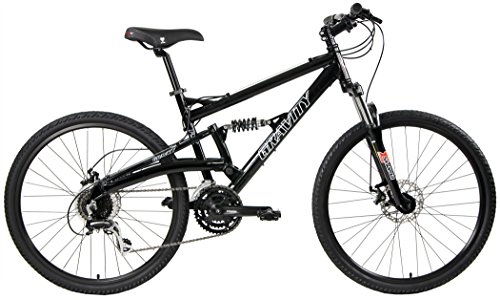

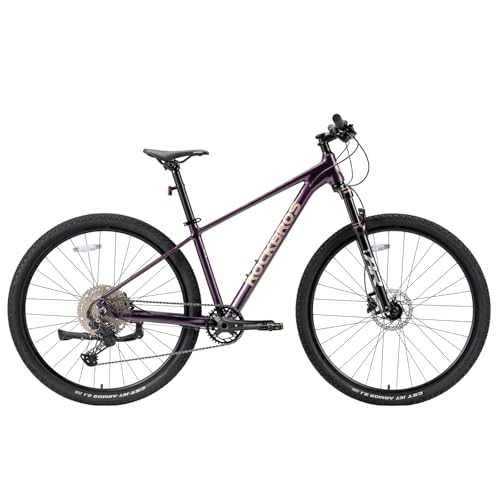
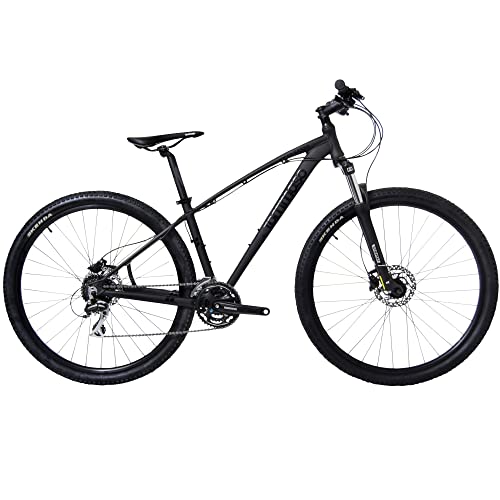

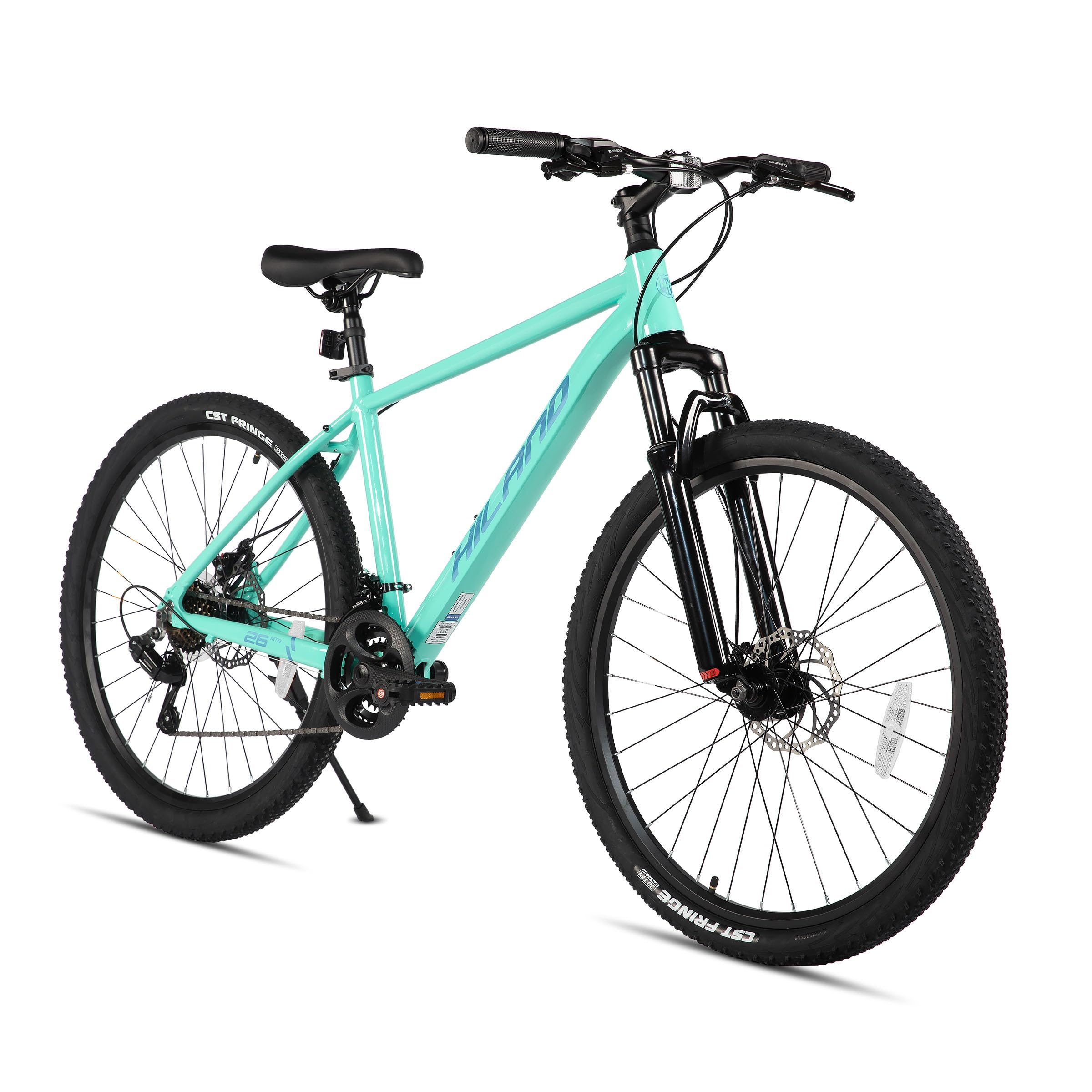

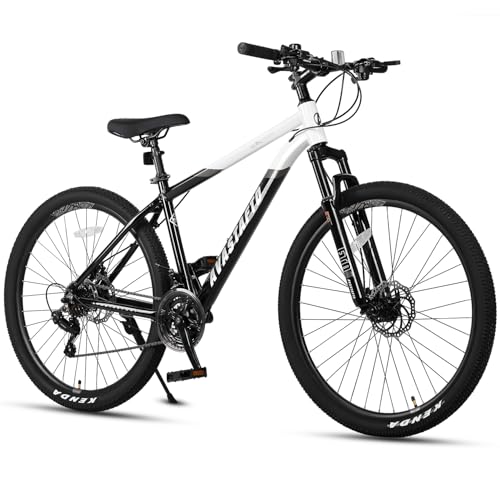

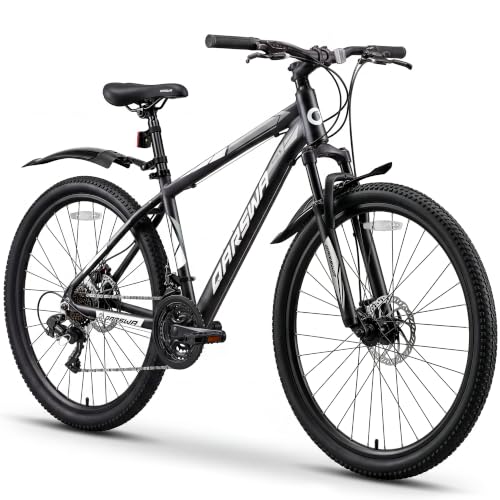
Who Should Buy Which Trail Mountain Bikes?
For Weekend Beginners
Weekend riders need a bike that feels welcoming after five days off it. Choose a hardtail with an upright position, easy single chainring gearing, and tires that roll well on packed dirt. Comfort matters more than speed at this pace, so a saddle that suits you and grips that reduce hand numbness are smart places to spend a little. Durability can be modest but brakes should still be disc brakes with good feel. Plan on rides of one to two hours, and pick a bike that makes those rides feel easy to start, because the best beginner bike is the one you keep choosing on Saturday morning.
For Frequent or Serious Users
If you ride several times a week or join faster group rides, buy for strength and service life. An air fork tuned to your weight, hydraulic brakes, and a clutch derailleur that keeps the chain steady on rough descents will all earn their cost. Wheels ready for tubeless tires help too, since lower pressure means more grip and fewer pinch flats. Look at warranty length and local shop support, because frequent riders wear chains, pads, and tires on a predictable schedule. This group can also justify full suspension sooner, especially on rocky trails where comfort over two hours decides whether you ride again tomorrow.
For Bad Weather and Tough Conditions
Wet roots, loose gravel, and steep fall line trails ask more of a bike than dry dirt does. Prioritize wide and knobby tires, strong hydraulic brakes that work the same in rain, and a low gear range for slippery climbs where you must stay seated. Sealed headset and bottom bracket bearings resist the grit that tough conditions grind into moving parts. Frame protection tape is a small cost that saves paint and resale value. If your region is known for technical terrain, study the trail descriptions first: our guide to the best mountain bike trails for beginners explains trail ratings and surfaces in plain terms.
Key Features to Compare
Bike Type and Riding Style
Trail bikes sit between light cross country racers and heavy enduro machines. They climb willingly, descend calmly, and handle the mixed terrain most beginners actually ride. Within the trail category, hardtails suit smooth to moderate ground, while full suspension models add rear traction and comfort on rocks and roots. Your riding style matters too: if you enjoy flow trails with berms and small rollers, a playful and slightly shorter bike feels fun, while long distance riders may prefer a steadier and longer frame. Think about famous riding areas you hope to visit, since rocky desert riding near Moab rewards more suspension and stronger tires than mellow forest singletrack does.
Brakes (Hydraulic vs Mechanical Disc)
Brakes decide how safe you feel on every descent. Hydraulic disc brakes use fluid to multiply hand force, so one finger gives strong and even stopping with less fatigue. Mechanical disc brakes use a cable, cost less, and are simple to adjust at home, but they need more hand effort and more frequent tweaks as pads wear. For flat and dry trails, mechanical brakes are acceptable. For hills, wet weather, or heavier riders, hydraulic brakes are worth the step up. Either way, larger rotors give more power and better heat control on long descents, and fresh pads make an older setup feel new again.
Beginner Friendly Features That Matter
Simple controls help you focus on the trail instead of the bike. A single chainring drivetrain removes front shifting entirely, and a wide range cassette still gives you a low climbing gear. A dropper seatpost, even a basic one, lets you lower the saddle for descents and raise it for climbs with a thumb lever, which builds confidence quickly. Clear sizing charts, mounts for a water bottle inside the frame, and tires with visible tread you can judge at a glance all help new owners. Good instructions for setting fork pressure and saddle height are another quiet plus, because a well set up bike rides better than a costly bike set up badly.
Frame Material and Geometry
Most beginner trail bikes use aluminum frames, which balance strength, weight, and price well. Steel frames ride smoothly and shrug off dents but weigh more, while carbon saves weight at a much higher price and needs more care after crashes. Geometry shapes handling: a slacker head angle, around 65 to 67 degrees on modern trail bikes, steadies steering downhill, while reach numbers tell you how long the cockpit feels. Longer is not always better, since a very long frame can feel clumsy in tight turns for a new rider. Match geometry to your trails, and remember that tire choice changes handling almost as much as frame design.
Common Mistakes to Avoid When Buying Trail Mountain Bikes
- Judging by price alone. The lowest price often means a fork you cannot tune and brakes that tire your hands, which you will pay to upgrade within a season.
- Skipping bike type and riding style. A cross country racer and a trail bike feel very different on descents, so buy for the trails you ride most.
- Buying the wrong size. A frame that is too big stretches you out and dulls steering, and it cannot be fixed fully with a shorter stem.
- Ignoring the warranty. Check frame coverage, fork service intervals, and whether a local shop will handle claims before you order.
- Spending the whole budget on the bike. A helmet, pump, spare tube, and multitool belong in the first purchase, not a later wish list.
Care and Maintenance Tips
A few steady habits keep a trail bike quiet and safe. Check tire pressure before every ride and match it to the trail, since a few pounds too much pressure costs grip on loose corners. Clean and lube the chain every 100 to 200 miles, and sooner after wet or dusty rides, wiping off extra lube so grit does not stick. Inspect brake pads and tire tread monthly, and learn to fix a flat at home before you need the skill miles from the trailhead. Have a professional tune up yearly to check bearings, suspension service, and wheel trueness. When you plan riding trips, terrain guides such as our roundup of the best beginner mountain bike trails colorado riders enjoy can also hint at the tire and gearing setup worth preparing.
FAQs
What makes trail mountain bikes for beginners different?
Beginner trail bikes use stable geometry, simpler gearing, and durable parts rather than the lightest ones. The position is more upright, which calms steering while skills develop. They also ship with wider tires that grip on varied surfaces. One detail worth knowing is that beginner models often skip a dropper post to hold price down, so many riders add one later as their first upgrade once descents feel limiting.
What size bike do I need?
Start with your height and inseam on the maker size chart for that exact model, since brands measure frames differently. You want clear space when standing over the frame and a reach that lets you ride with soft elbows. A helpful home check is the saddle test: with your heel on the low pedal, your leg should be almost straight. If you land between sizes, most beginners handle the smaller frame more easily on tight trails.
Hardtail or full suspension for beginners?
A hardtail is the right start for most beginners because it costs less, weighs less, and needs less service while teaching smooth line choice. Full suspension earns its price on rocky and rooty trails where rear grip and comfort shape the whole ride. Destination terrain shows the split clearly: slickrock areas covered in our guide to the best beginner mountain bike trails moab visitors ride reward traction and cushioning, while smooth singletrack does not. At the same price, the hardtail almost always brings better core parts.
How much should I spend on my first bike?
Around $700 to $1,200 buys the fork, brakes, and gearing most beginners will enjoy for years. Below that range, expect heavier wheels and limited fork adjustment, which is fine for gentle paths. Above it, money buys lighter parts and smoother suspension rather than basic capability. Set your total budget first, hold back money for a helmet and tools, and let your trail type decide whether the extra spend goes to suspension or to better brakes and tires.
Wrapping Up
Let your trails lead the decision: match suspension and tires to your roughest regular ride, size the frame with care, and favor hydraulic brakes when hills are part of your routine. The product table above gathers the strongest starting points at each budget. Chosen that way, your best beginner trail mountain bike will feel right on the first ride and still make sense as your skills and mileage grow.


