
Best Beginner Mountain Bike under 500: The Buyer Checklist We Use for 2026
Disclosure: We may earn a commission when you buy through links on this page, at no extra cost to you. As an Amazon Associate I earn from qualifying purchases. Learn more

Use this checklist to find the best beginner mountain bike under 500, learn which specs matter most, spot red flags, and set a realistic budget plan.
At this price, the difference between a bike you love and a bike you regret is rarely one headline feature. It is whether the brakes, fork, and fit pass a few simple checks before you buy. This checklist first approach shows you exactly how to judge a best beginner mountain bike under 500 candidate without needing shop level knowledge.
The comparison table below lists the styles you will see at this budget. Work through the criteria in order, because a bike that fails an early check, such as frame size or brake type, is not a bargain at any discount.
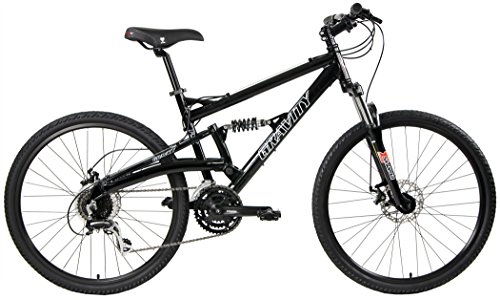
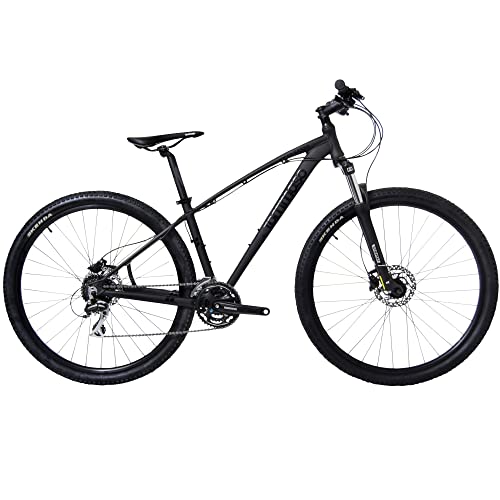


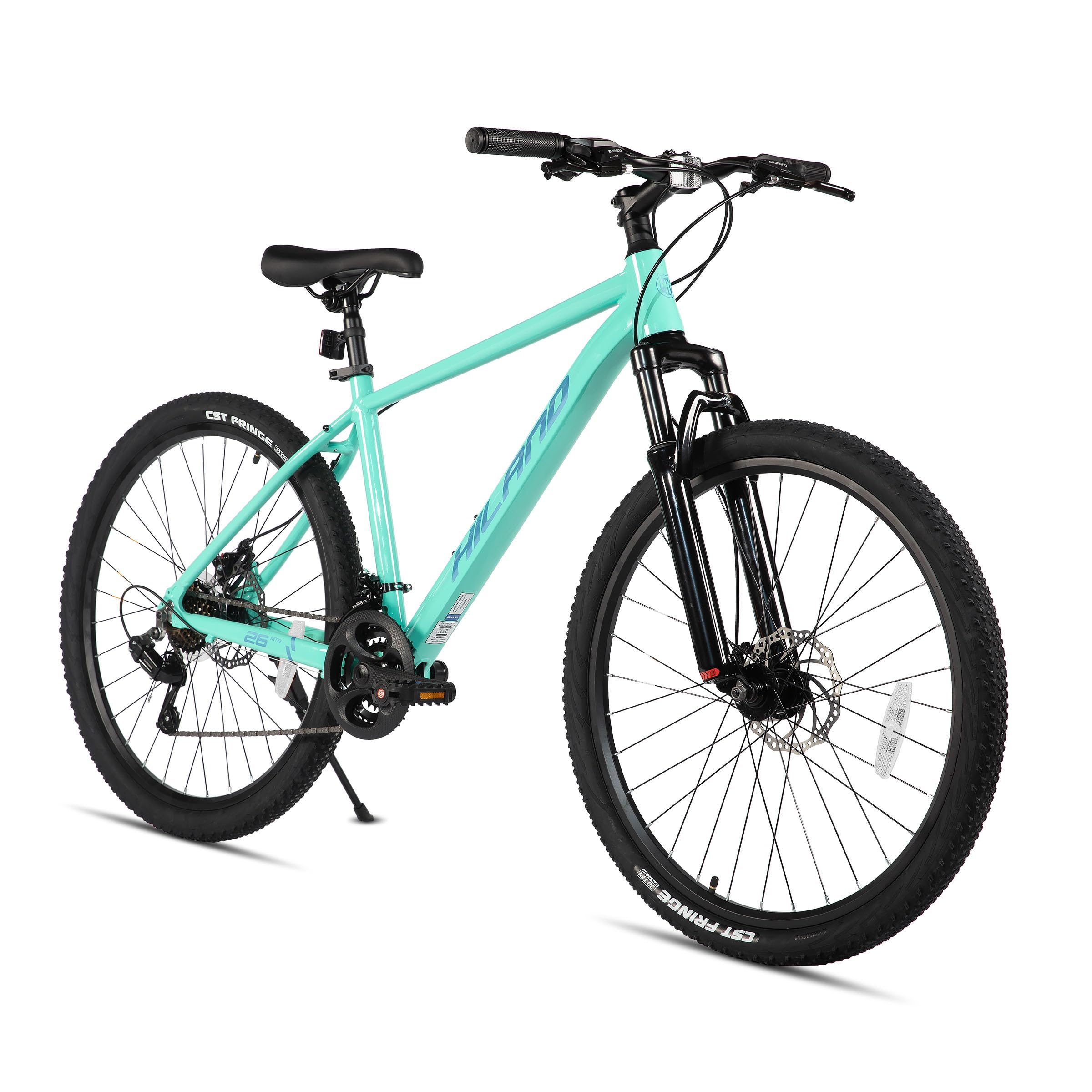
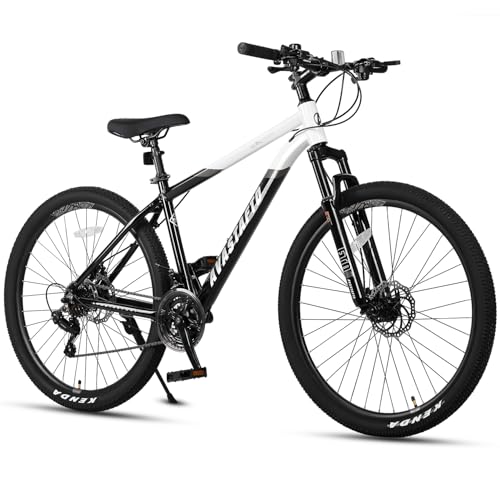



How We Evaluate Mountain Bikes
What You Can Realistically Get Under $500
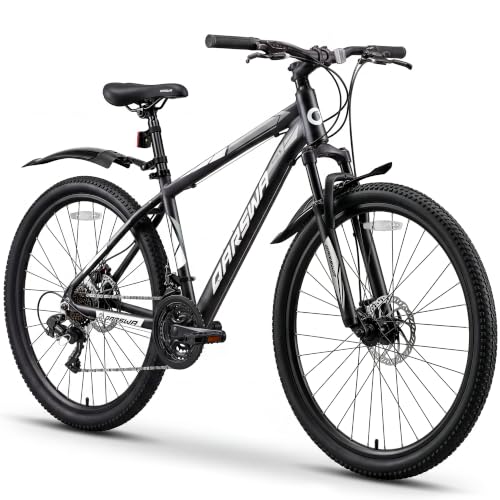
Expect an aluminum or steel hardtail frame, a basic coil fork, mechanical disc brakes on better builds, and a drivetrain with one or two chainrings. Hydraulic brakes appear occasionally on sale models, but they are not guaranteed at this price. What you should not accept is a heavy full suspension design with vague specs, because the money spreads too thin to work well.
Beginner Friendly Features That Matter
Forgiveness matters more than speed at this level. Upright, relaxed geometry keeps steering calm, thumb shifters are easy to learn, and a wide saddle suits new riders better than a narrow racing shape. Clear assembly instructions and a support line also count, since many bikes at this price arrive partly built and need careful setup before the first ride.
Bike Type and Riding Style
Most bikes at this budget suit cross country riding, park paths, gravel, and light singletrack. They are not built for bike parks, big jumps, or steep downhill courses, and using them there risks both the bike and the rider. If your local trails are rough, a simpler hardtail ridden within its limits is safer than a cheap full suspension bike pushed beyond them.
Riders who mainly want fitness on mixed surfaces can also compare the broader best mountain bike under 500 category, which includes comfort oriented styles alongside trail hardtails. Decide your surface first, because tire tread and fork travel should follow the ground you ride most.
Wheel Size and Tires
You will see 27.5 inch and 29 inch wheels at this price. Larger 29 inch wheels roll over roots and rocks more easily and hold speed well, while 27.5 inch wheels feel quicker to turn and suit shorter riders. Either size works for a beginner, so let frame fit decide rather than chasing a wheel trend.
Tires matter as much as wheels. Look for a moderate tread with a continuous center for paths and shoulder knobs for corners, plus enough width, usually about 2.1 to 2.4 inches, to run comfortable pressures. Tubeless setups are rare at this price, so plan on tubes and carry a spare, a pump, and tire levers on every ride.
Brakes: Hydraulic vs Mechanical Disc
Disc brakes are the standard to insist on, because rim brakes struggle in mud and rain. Mechanical disc brakes use a cable, cost less, and are easy to adjust at home with basic tools. Hydraulic disc brakes use fluid, stop with less hand effort, and modulate better, but they need occasional bleeding that many beginners prefer to leave to a shop.
Either disc type can pass our checklist if it is properly set up. Squeeze the levers on a test ride or after assembly. They should engage firmly without pulling to the handlebar, and the wheels should spin freely without rubbing when the brakes are released.
Drivetrain and Gearing
Count usable low gears, not total speeds. A wide rear cassette or a triple chainring setup both can give an easy climbing gear, which is what tired beginner legs actually need. Single ring setups are simpler and increasingly common, but check that the largest rear cog is big enough for your hills before choosing one.
Shifters and derailleurs from the main component families are a good sign, because replacement parts are everywhere. Our price twin guide, the best mountain bike for under 500 dollars, covers the same checks from a slightly different angle if you want a second opinion before ordering.
Motor, Battery, and Range for E Bikes
True trail ready electric mountain bikes rarely fit honestly under $500, and most models at this price are light assist city style bikes with small batteries. Check battery capacity in watt hours, motor type, and whether the battery is removable for indoor charging. Treat any model without clear electrical safety certification and a named battery maker as a risk not worth taking.
If electric help is your real goal, saving longer or shopping the used market with care usually beats a new ultra cheap e bike. The best used mountain bike under 500 guide explains what to inspect on a second hand frame, fork, and drivetrain before money changes hands.
Price Tiers That Pass Our Checklist
The Balanced Tier
The balanced tier, usually around $400 to $500, is where this budget works best. It typically delivers an aluminum hardtail frame, mechanical disc brakes that are properly sized, and gearing with a genuinely easy low gear. This is the tier to target if you will ride trails weekly, because the parts tolerate regular use and home maintenance without constant adjustment.
The Value Tier
The value tier, around $250 to $400, suits path riding, campus use, and occasional easy trails. Expect a heavier frame, a simpler fork with limited adjustment, and components that work well but wear faster. It passes our checklist for light duty as long as the brakes are discs, the size is right, and you budget for a professional safety check after assembly.
The Upper Tier Near $500
Spending close to the full budget sometimes adds hydraulic brakes, a lighter fork, or a cleaner single ring drivetrain during sales. Those upgrades are worth having if everything else already passes, especially brakes, because stopping confidence changes how you learn. Do not stretch to this tier for cosmetic extras like color matched parts while core items stay weak. Riders sizing for a taller or broader frame can cross check fit advice in the best men's mountain bike under 500 guide.
Quick Buyer Checklist
- Does the frame size match the maker chart for your height and inside leg length?
- Are the brakes disc brakes that engage firmly without the lever touching the bar?
- Is there a low gear easy enough for the steepest hill on your usual route?
- Does the fork move smoothly and return without clunking or sticking?
- Are the tires wide enough, about 2.1 inches or more, for your main surface?
- Is the total cost, including helmet, pump, and lock, still inside your budget?
- Does the seller state a clear warranty and return policy in writing?
If you answered no to any of the first four questions, keep looking. Those items shape safety and comfort on every ride, and fixing them later often costs more than choosing a better bike at the start. The dedicated best hardtail mountain bike under 500 guide can narrow the field once your checklist answers are clear.
Red Flags to Watch For
- Vague specifications, such as a fork or brake described only by a marketing name with no travel, size, or maker listed.
- Full suspension at a very low price, which usually means heavy parts and pivots that wear quickly.
- No stated weight limit, frame size range, or warranty period on the product page.
- Assembly that requires special tools the seller does not mention, leaving you with hidden extra cost.
- Review patterns that praise delivery speed but say nothing about riding, shifting, or braking.
Setup and Care Tips
Check tire pressure before every ride, and keep it within the range printed on the tire sidewall. Clean and lube the chain every 100 to 200 miles, and have a professional tune up once a year to catch brake wear, loose spokes, and headset play. After home assembly, a shop safety check is money well spent, because a loose stem or fork can cause a crash on the first ride.
Mountain Bikes: Your Questions Answered
Can you get a good mountain bike under $500?
Yes, if good means safe, comfortable, and suited to light trails rather than fast or technical riding. A hardtail with disc brakes, a real low gear, and correct sizing will teach you the basics happily for seasons. What this budget cannot honestly deliver is light weight, refined suspension, or durable full suspension, so judge it against realistic goals.
What makes mountain bikes for beginners different?
Beginner bikes use relaxed geometry, simpler controls, and tougher, heavier parts that forgive missed shifts and skipped cleaning. They also choose comfort over speed, with wider saddles and higher handlebars. That design lets you build balance and braking skill first. Advanced bikes assume fitness, technique, and regular servicing that most new riders have not developed yet.
What size mountain bike do I need?
Use the maker chart with your height and inside leg measurement, then confirm you can stand over the frame with clearance and reach the brakes without stretching. Riders between sizes usually handle the smaller frame more easily. If you order online, keep the box and paperwork until after a short test ride confirms the fit feels right.
How much should I spend on my first mountain bike?
For light trails, about $350 to $500 for the bike plus a reserve for safety gear is a sensible first total. Spending less often means rim brakes or poor sizing that you will replace within a year. Spending more mainly buys lighter parts and better forks. Match the spend to how many days a month you honestly expect to ride.
Should beginners choose a hardtail or full suspension mountain bike?
Choose a hardtail at this budget almost every time. It is lighter, simpler, and puts the money into brakes and fit instead of a basic rear shock and extra pivots. Full suspension makes sense later, on rougher trails and at higher budgets, where the suspension quality is good enough to help rather than bounce and add weight.
How far can an e bike go on one charge?
Small budget e bikes often manage about 15 to 35 miles per charge, with range falling fast on hills and at high assist settings. Battery size in watt hours is the best clue, and larger riders should expect the lower end of any claim. Plan routes with reserve charge, because pedaling a heavy e bike with a flat battery is hard work.
Wrapping Up
Run the checklist in order: size first, brakes second, gearing third, and only then compare colors and extras. The product table above is a fast way to apply those checks to current options side by side. A best beginner mountain bike under 500 purchase done this way gives you a safe hardtail that fits, stops well, and leaves money for the gear that keeps you riding.


