Best Beginner Keyboards With Weighted Keys 2026 Buying Guide
Disclosure: We may earn a commission when you buy through links on this page, at no extra cost to you. As an Amazon Associate I earn from qualifying purchases. Learn more

The best beginner keyboards with weighted keys feel like a real piano. Learn about hammer action, 88 keys, pedals and budget before you buy your first one.
Weighted keys are what make a digital keyboard feel like a real piano. Each key resists your finger with a small hammer mechanism, so soft and loud playing feel different and your fingers build the strength that piano music needs. The best beginner keyboards with weighted keys give you that feel at a price well below an acoustic piano, with headphone practice thrown in.
This guide explains the types of weighted action, how many keys you need, which other features matter for a first instrument and what to budget. Use the product table below to compare models, then check them against the points that follow.



What Weighted Keys Actually Mean
On an acoustic piano, pressing a key moves a hammer that strikes a string. Digital keyboards copy this feel with small weights or springs under each key. Fully weighted or hammer action keys feel closest to the real thing. Graded hammer action goes a step further, making the low keys heavier and the high keys lighter, as on an acoustic piano.
Semi weighted keys use springs and a lighter touch. They are easier to play fast and suit synth sounds, but they do not teach the same finger control. If your goal is to learn piano, choose fully weighted or hammer action keys.
Who Should Buy a Weighted Keyboard
Students Taking Piano Lessons
Teachers usually recommend weighted keys from the start, because technique built on light keys does not transfer well to an acoustic piano. A weighted 88 key model removes that problem and lets you practice at home between lessons.
Adults and Returning Players
If you are learning as an adult or returning after years away, weighted keys feel familiar and protect your technique. A model with a good piano sound and headphone output lets you practice at any hour.
Families Sharing One Instrument
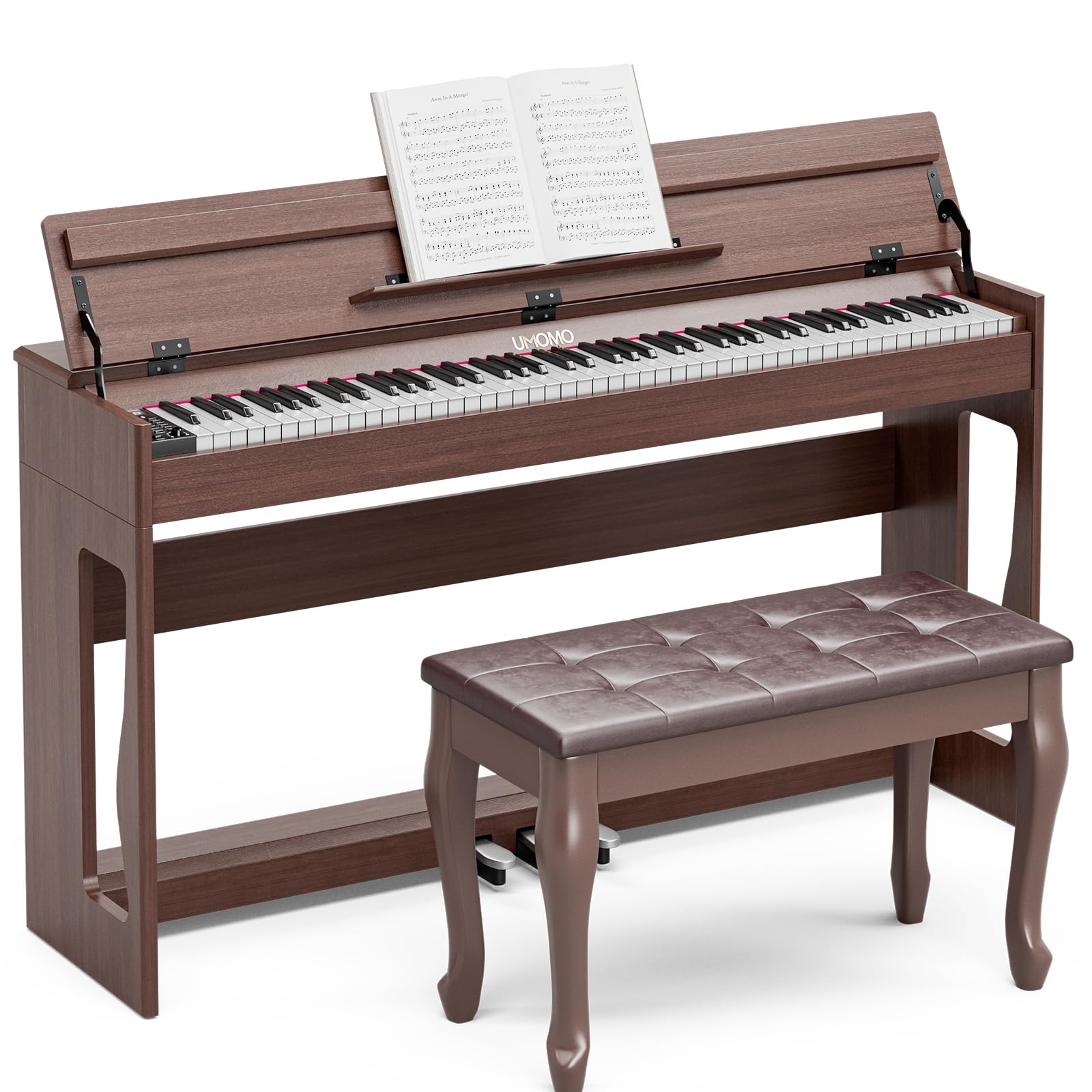
A weighted keyboard that is well made lasts through years of practice, and several people can share it. Choose a stable stand and a bench that adjusts for different heights.
Types of Weighted Keyboards
Compact Portable Models
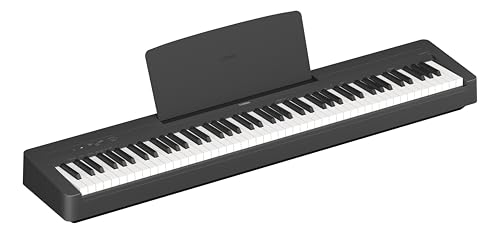
Portable 88 key digital pianos weigh around 25 to 40 pounds and fit on a simple stand. They suit small rooms and students who carry the instrument to lessons.
Furniture Style Digital Pianos
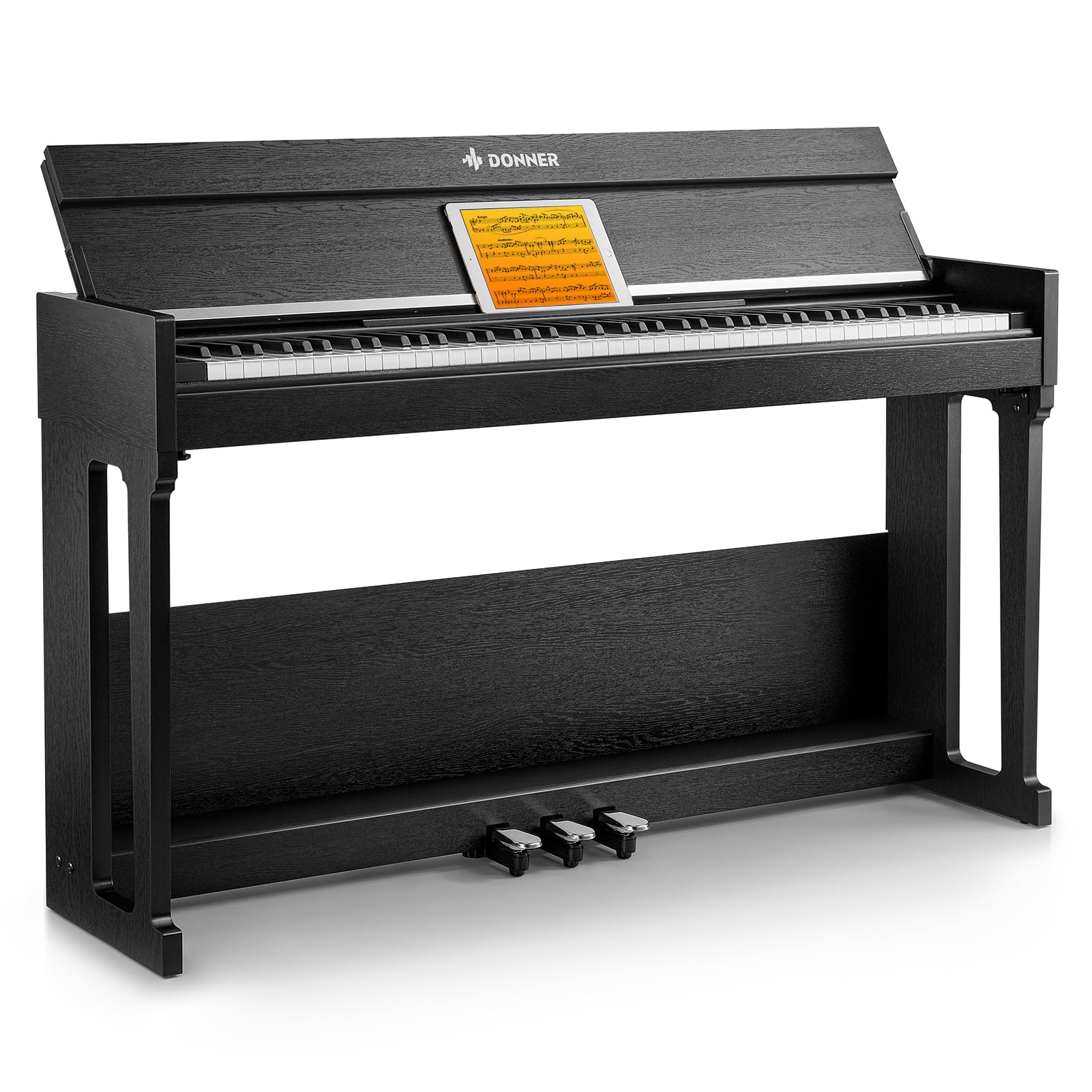
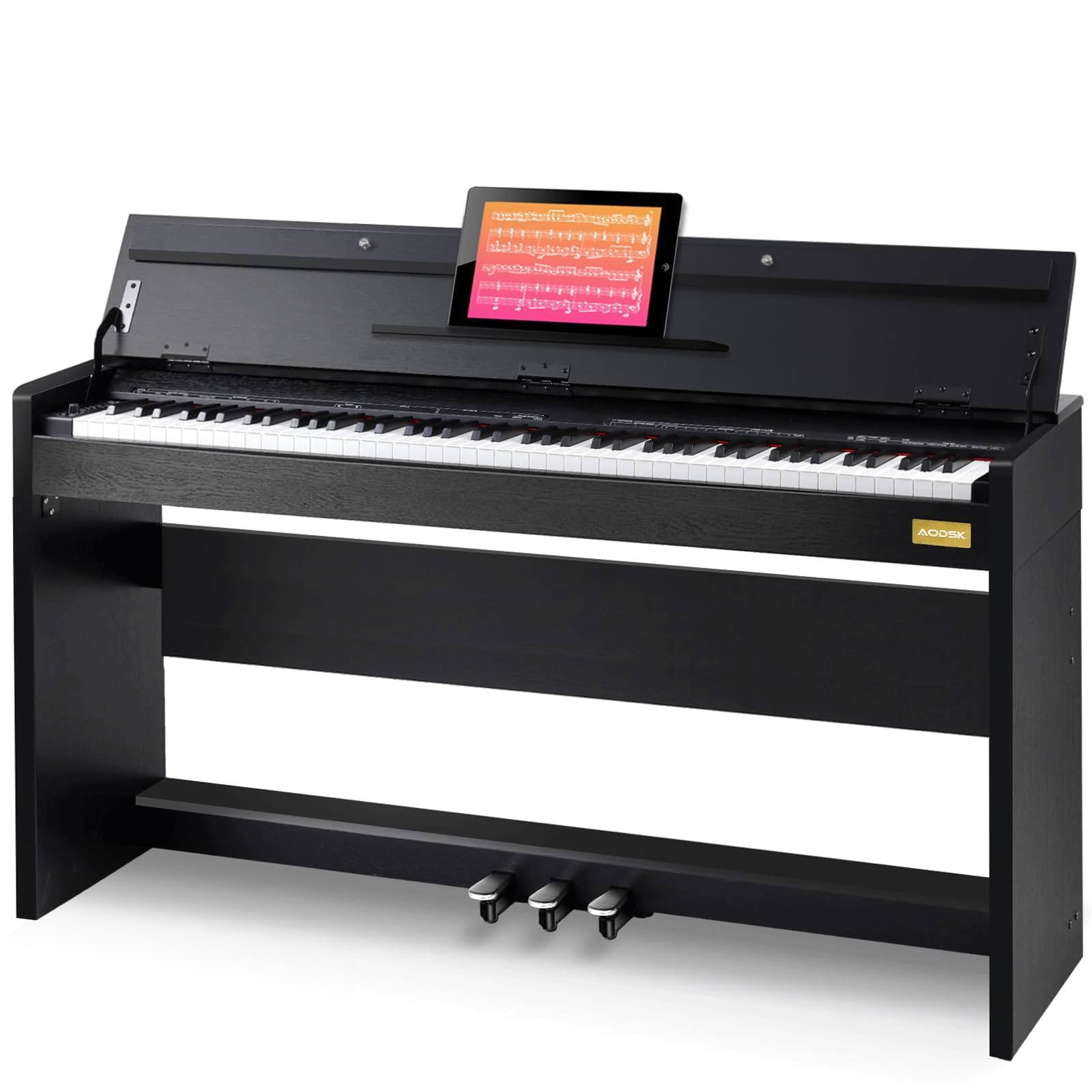
Console models include a built in stand, pedals and a keyboard cover. They look like a real piano, feel stable and suit living rooms, though they are heavy and cost more.
Hybrid Keyboards With Studio Features
Some weighted keyboards add MIDI controls, extra sounds and recording tools. These suit players who also make music on a computer, and the guide to the best midi keyboards with weighted keys covers that group in more detail.
Key Features to Compare
Key Count
88 keys cover the full range of a piano and are the best long term choice. 76 keys are smaller and still play most beginner music, while 61 keys limit weighted options and are less common.
Action Quality
Look for descriptions such as hammer action, graded hammer or scaled hammer. Better actions also include a good key surface that grips the finger and a quiet return, so keys do not clatter during quiet practice.
Sound and Polyphony
A good piano tone matters more than a long list of voices. Polyphony is the number of notes that can sound at once. A value of 64 or more keeps notes from cutting off when you hold the sustain pedal.
Pedal, Stand and Headphones
A sustain pedal is essential for most piano music. A solid stand at the correct height keeps your wrists healthy, and a headphone jack allows silent practice. Check that these are included or budget for them.
Connectivity and Learning Tools
USB or Bluetooth lets you connect lesson apps and recording software. Some models include built in lesson modes that split pieces into hands.
What Each Price Level Buys
Beginner weighted keyboards commonly cost about $350 to $900. At the lower end you get weighted keys, a simple piano tone and headphones, which is enough for learning. In the middle, graded hammer action, better speakers and bundles with a stand and bench appear. Above that, key feel and sound approach those of an acoustic piano. Prices in listings vary with bundles, so compare what is included before you decide.
Common Mistakes to Avoid
- Buying semi weighted keys and expecting acoustic piano technique to develop.
- Choosing a model without a sustain pedal or a stable stand.
- Paying for hundreds of voices and rhythms that a student will not use.
- Ignoring size, so the keyboard does not fit the room or a doorway.
- Placing the keyboard too high or low, which strains wrists and shoulders.
Care and Setup
Place the keyboard on a stable stand away from direct sunlight and radiators. Dust the keys with a soft dry cloth, keep drinks away and use a cover when it is not in use. Keep the power adapter and pedal cable secure so nobody trips. A short daily practice, even twenty minutes, builds skill faster than a long weekly session. For wider comparisons, see the guides to the best keyboards with weighted keys, the best weighted keyboards for beginners and the best digital keyboards with weighted keys.
Frequently Asked Questions
Are weighted keys necessary for beginners?
They are not required, but they are recommended for anyone planning to learn piano, because they build finger strength and control and prepare you for an acoustic piano.
What is the difference between weighted and semi weighted keys?
Weighted keys use hammer mechanisms to copy the resistance of a piano. Semi weighted keys use springs and a lighter touch, which suits synth sounds and casual play.
How many keys do I need?
88 keys give the full piano range and are the best long term choice. 76 keys can work for beginners with limited space.
Do I need a sustain pedal?
Yes. Most piano music uses the sustain pedal, and a cheap switch style pedal can limit expression, so look for a pedal with a piano style action.
How much should I spend?
Plan about $350 to $900 for a good weighted keyboard, and add a little for a stand, bench and headphones if they are not included.
Final Thoughts on Beginner Keyboards with Weighted Keys
Choose hammer action and 88 keys if you can, make sure a sustain pedal and stand are covered, and pick a model with a piano tone you enjoy. Compare finalists in the product table above, and the best beginner keyboards with weighted keys will support real practice from the first week. Apply these checks to any best beginner keyboards with weighted keys you compare.