Best Beginner Keyboards to Learn Piano: Budget, Midrange, and Premium Guide for 2026
Disclosure: We may earn a commission when you buy through links on this page, at no extra cost to you. As an Amazon Associate I earn from qualifying purchases. Learn more

Learn how to choose the best beginner keyboards to learn piano by price tier, with guidance on key count, weighted action, sounds, and lesson tools.
Prices for a first piano keyboard range from under $100 to well over $1,000, and the listings all promise an easy start. The real question is where your money changes how the keys feel and how long the instrument stays useful. This guide shows how to judge best beginner keyboards to learn piano by key action, key count, and learning tools.
Use the comparison table below to see the spread of sizes and prices, then read the tier guide that follows. Spending on touch and sound first will serve your practice far better than spending on lights and novelty voices.

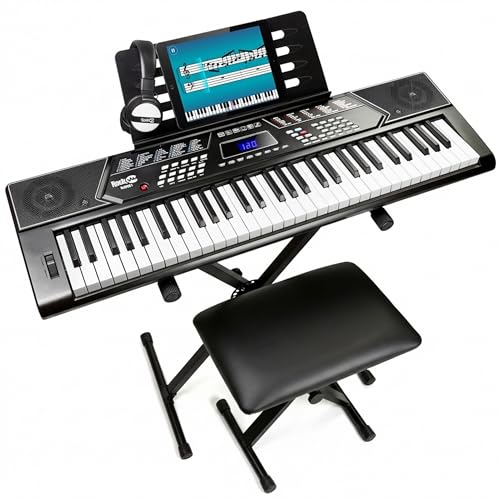

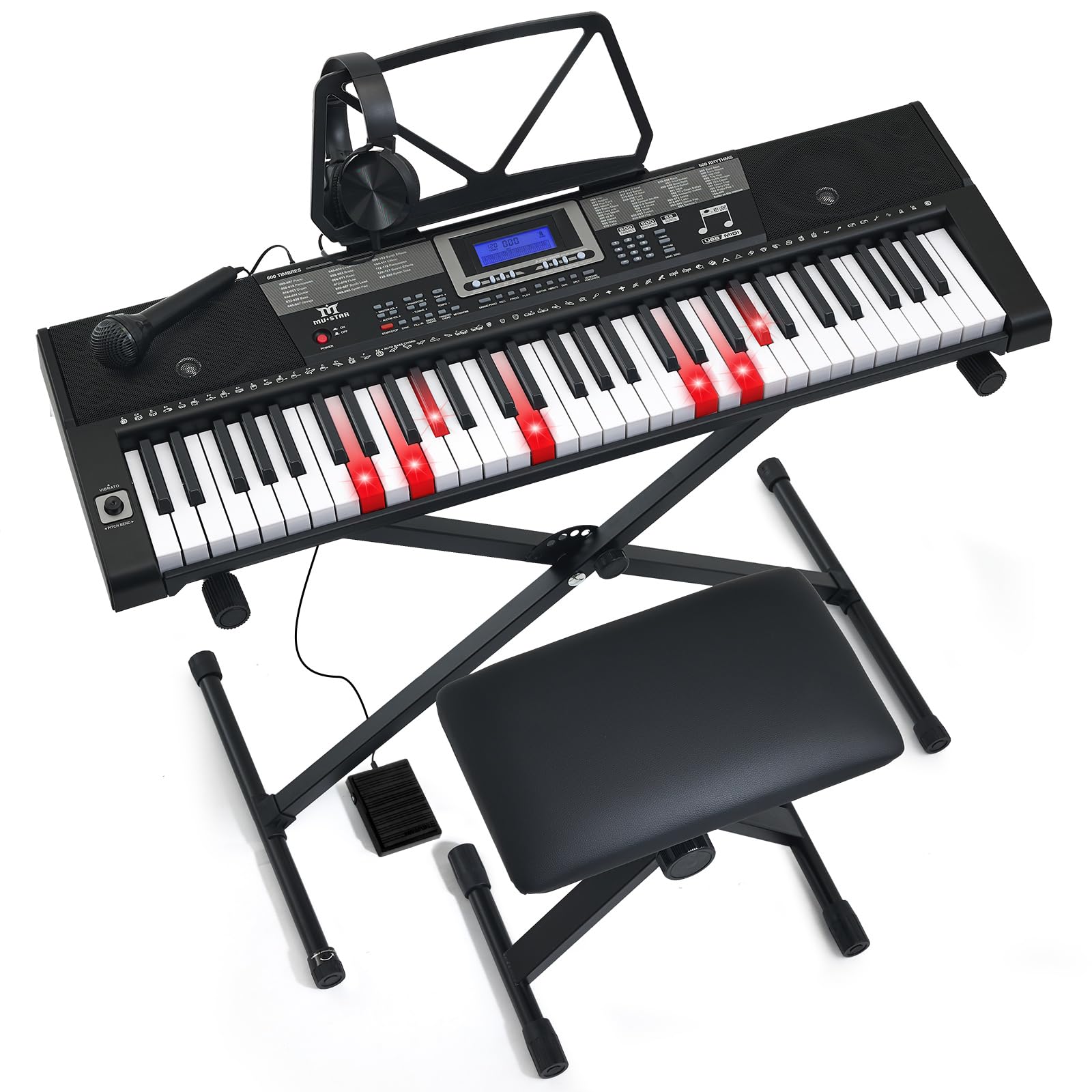

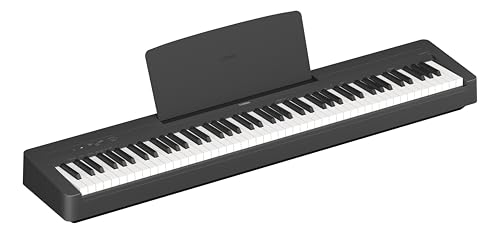


What Each Price Tier Delivers
The tiers below describe what your money should buy at each level in the product table above, without naming specific models. Match the tier to how serious your practice plan is today. A keyboard you outgrow in three months costs more in the end than a midrange model you keep for years.
The Budget Tier
Budget models around $100 to $250 usually offer 61 keys, basic sounds, and sometimes light up keys or built in lessons. Many have unweighted keys that feel more like a synth than a piano, which is fine for learning notes and timing in the first months. Speakers are small and the piano tone is simple. This tier suits children testing interest and adults who want a low risk start, as long as you accept an upgrade later if practice becomes a habit.
The Midrange Tier
Midrange models around $300 to $600 are the sweet spot for most learners. You should expect 88 keys on many models, weighted or semi weighted action that begins to mimic an acoustic piano, better speakers, and a more realistic piano sound. A sustain pedal input and USB MIDI for lesson apps are standard at this level. For a student taking weekly lessons, this tier supports technique, dynamics, and repertoire for several years without holding progress back.
The Premium Tier
Premium models around $700 to $1,200 add graded hammer action where lower keys feel heavier than higher keys, richer sound engines, stronger speakers, and furniture style stands and pedal units. The benefit is real if you practice daily, play expressive pieces, or plan to keep one instrument for a decade. The trade off is weight and price, since many premium models are furniture pieces that stay in one room. Buy this tier for feel and longevity, not for a longer list of novelty sounds.
What Your Money Gets You at Each Price Tier
Budget Tier: What to Expect
At budget level, prioritize a full size key width even if the key count is 61, because narrow mini keys teach finger spacing you will have to unlearn. Touch sensitivity, where a harder press plays louder, is the one feature worth insisting on, since it lets you start shaping dynamics. Built in metronome and lesson modes are helpful extras. Battery power and light weight make budget models easy to move, store under a bed, and take to a friend house for practice.
Midrange Tier: The Sweet Spot for Most Buyers
Midrange money mainly buys touch. Weighted keys build finger strength and control that transfer to an acoustic piano at lessons or at school. You also gain better recording and app connection, a headphone jack for quiet evening practice, and speakers that make the piano tone pleasant enough to enjoy daily. If a teacher is guiding your learning, ask them to confirm the action type before you buy, because teachers have strong and useful views on what their method requires.
Premium Tier: When Spending More Pays Off
Spending more pays off when the action and sound stop reminding you that you are playing an electronic instrument. Premium key surfaces, longer samples, and three sensor key detection support fast repeated notes and subtle control in advanced pieces. You also get sturdier stands, sliding key covers, and three pedal units that support proper pedaling technique. If you only play simple songs for fun, much of this refinement will go unused, which is why honest self assessment matters at this tier.
Features Worth Paying For (and Ones to Skip)
Lesson Apps and Learning Software
Many keyboards connect to lesson apps that listen to your playing and track progress through songs and exercises. This can motivate daily practice, especially for children and self taught adults. Check whether the useful content needs a subscription and add that yearly cost to your budget. Built in lesson modes that split songs into right hand and left hand parts are a free alternative worth using. Avoid paying extra for hundreds of voices and rhythms you will never touch after the first week.
Compatibility With Computers, Tablets, and Phones
USB MIDI or Bluetooth MIDI lets the keyboard talk to apps, recording software, and online lessons on a computer, tablet, or phone. Confirm the connection type your favorite app needs, since some apps require a cable while others accept Bluetooth. A standard audio output also lets you connect better speakers later. What matters is whether your practice tools, lesson platform, and headphones all work with the instrument on day one.
Wired vs Wireless Connections
A wired USB connection is the most reliable choice for lesson apps and recording, with no pairing steps and no delay you can feel. Bluetooth MIDI adds freedom from cables and works well for practice apps, though setup varies by device. Audio itself is almost always wired through the headphone jack or speakers, so wireless claims usually refer to data, not sound. For a beginner setup on a desk or stand, a simple cable is often the least frustrating answer.
Beginner Friendly Features That Matter
The features that help beginners most are a clear control panel, a readable screen or simple buttons, a music rest that holds a book steady, and a headphone jack for practice any time. A sustain pedal, included or bought separately for around $20 to $40, should be part of your first setup, because many early pieces need it. Weighted keys and touch sensitivity shape technique, while light up keys can help absolute beginners find notes but should not replace reading music.
Sizing is a practical checkpoint many buyers miss. An 88 key keyboard is about 52 inches wide and needs a stable stand at the right height so your forearms stay level with the keys. Measure the space and the doorway before ordering. If room is tight, a 61 or 76 key model on a folding stand may get practiced more than a full size model squeezed into a corner. For related options, see our guides to the best keyboards to learn piano and the best keyboards for beginners piano.
Long Term Costs to Factor In
Budget for the stand, a bench at the right height, a sustain pedal, and headphones if they are not included, often around $80 to $200 in total. Lesson app subscriptions can add around $60 to $150 per year, and formal lessons cost far more than the instrument over time. Digital keyboards need no tuning, which saves real money compared with an acoustic piano, and they use very little electricity. Factor in replacement power adapters and the occasional pedal, and keep the total in view when you compare tiers in the product table above.
Adults choosing for themselves can also compare notes in the best keyboards to learn piano for adults guide, while families weighing a more piano like instrument can read the best digital piano keyboards for beginners guide.
Frequently Asked Questions
What makes keyboards for learning piano different for beginners?
They prioritize realistic key feel, a good piano sound, and practice tools over stage features. A beginner model should have full size keys, touch sensitivity, a metronome, and a headphone jack. Many add lesson modes and app connections that structure early practice. What they should not do is overwhelm a new player with complex menus, because the first months are about building a daily habit and basic reading skills.
How many keys do I need to learn piano?
Sixty one keys are enough for the first year of most beginner methods, since early pieces stay near the middle of the keyboard. Eighty eight keys, the full piano range, become important once lessons add wide reaching pieces and both hands travel far apart. If space and budget allow, starting with 88 keys avoids an early upgrade. If not, a good 61 key model with touch sensitivity beats a poor 88 key model with toy like keys.
Are weighted keys worth it for beginners?
Yes, weighted keys are worth it if you plan to take lessons or ever play an acoustic piano. They build even finger strength and control over loud and soft playing that unweighted keys cannot teach. Semi weighted action is a workable middle ground on a tight budget. The one exception is a young child testing interest for a few months, where a simple light model keeps the cost of a trial low.
Wired or wireless connection: which is better for practice apps?
A wired USB connection is better for reliability, since it pairs instantly and avoids the small delays and dropouts Bluetooth can introduce. Bluetooth MIDI is convenient for a tablet on a music rest and works well for most lesson apps once it is set up. Many keyboards offer both, so you can start wired and experiment later. Whichever you choose, test the connection during the return window, because app compatibility is easiest to fix while a return is still simple.
Does a beginner piano keyboard work with a tablet or computer?
Most midrange and many budget keyboards work with a tablet or computer through USB MIDI or Bluetooth MIDI. That connection unlocks lesson apps, recording, and a huge library of sounds beyond the built in voices. Check the product specifications for the exact connection type and whether a cable is included. Keep in mind that the keyboard speakers or headphones carry the sound in most setups, not the tablet, unless the model also sends audio over USB.
Final Thoughts on Beginner Keyboards to Learn Piano
Decide by touch first, key count second, and extras last. Weighted or semi weighted keys, touch sensitivity, a sustain pedal connection, and a piano sound you enjoy hearing will shape your progress more than any voice library. Pick the tier that fits your commitment, compare it in the product table above, and your choice among the best beginner keyboards to learn piano will support real practice from the first week onward. Apply these checks to any best beginner keyboards to learn piano you compare.