
Best Beginner Hiking Shoes 2026: First Trail Guide
Disclosure: We may earn a commission when you buy through links on this page, at no extra cost to you. As an Amazon Associate I earn from qualifying purchases. Learn more

The best beginner hiking shoes fit well, grip wet trails and stay comfortable all day. Compare waterproofing, cushioning, weight and price for your first trails.
A first pair of trail footwear decides whether your early hikes feel like fun or like a lesson in blisters. The best beginner hiking shoes are light enough to walk in all day, grippy enough for wet dirt and rock, and roomy enough in the toes to handle long descents. They do not need the stiff, heavy build of mountaineering boots.
This guide explains how hiking shoes differ from trail runners and boots, which features to compare, how a good fit should feel and how to avoid the most common beginner mistakes. Use the product table below to compare shoes, then check them against the points that follow.
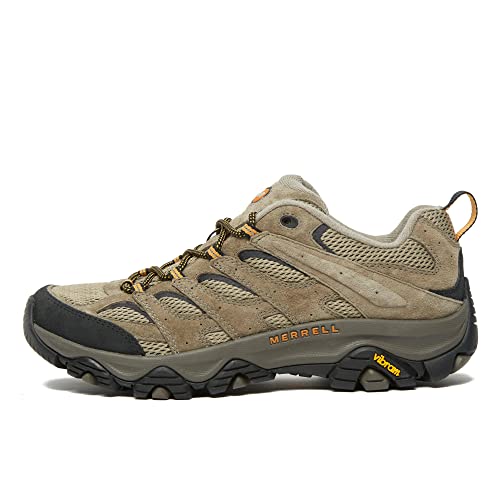
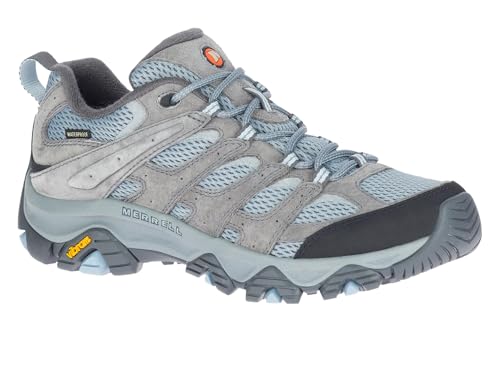

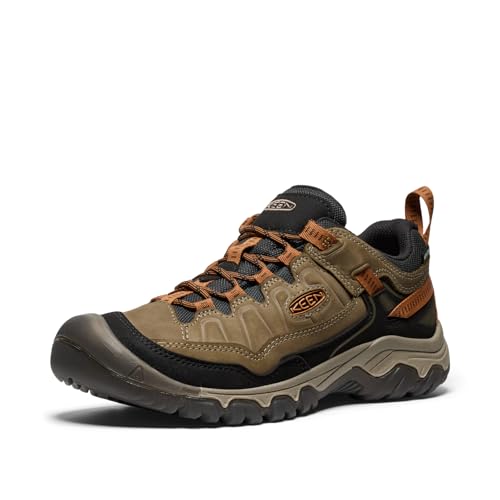
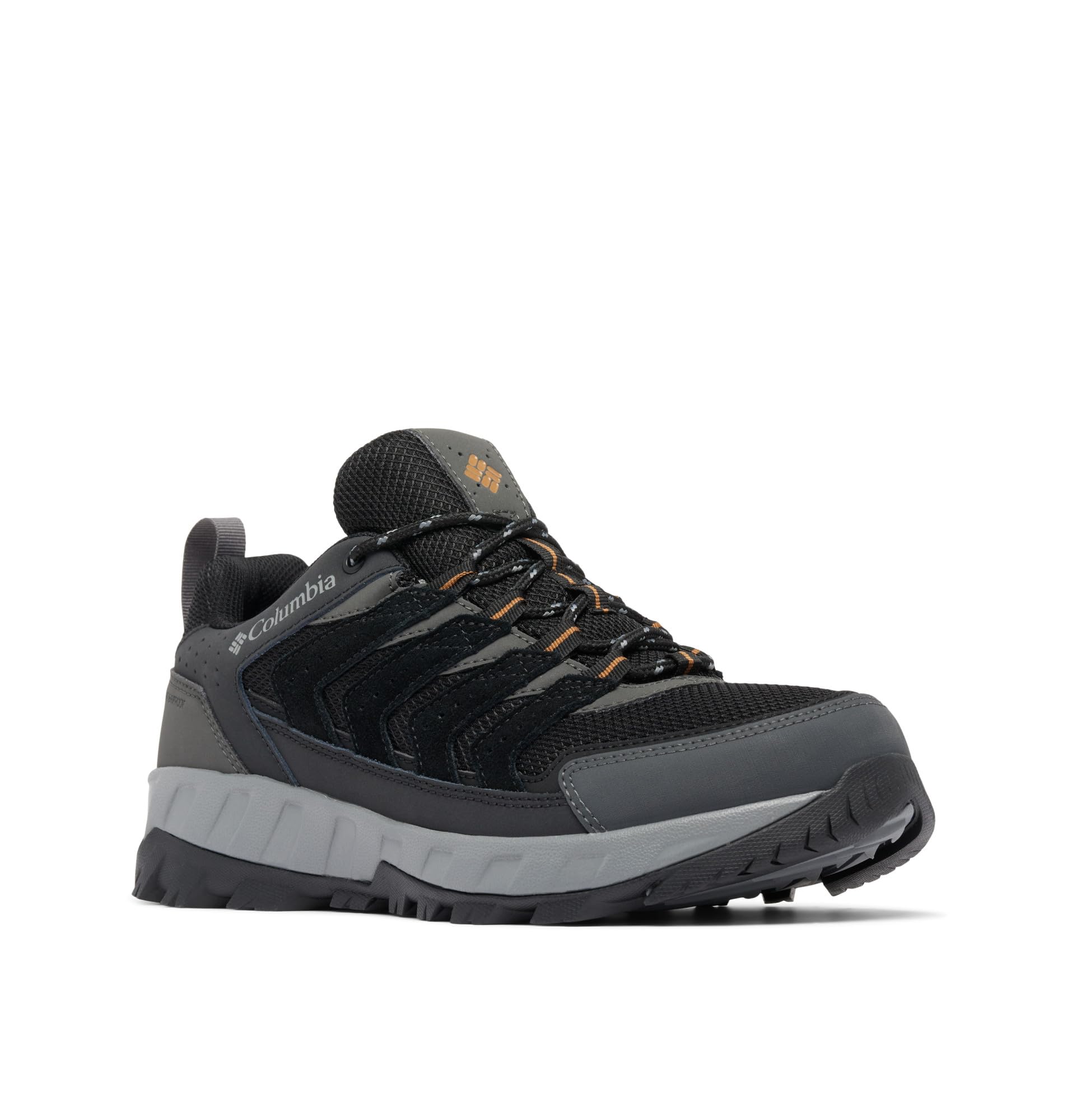
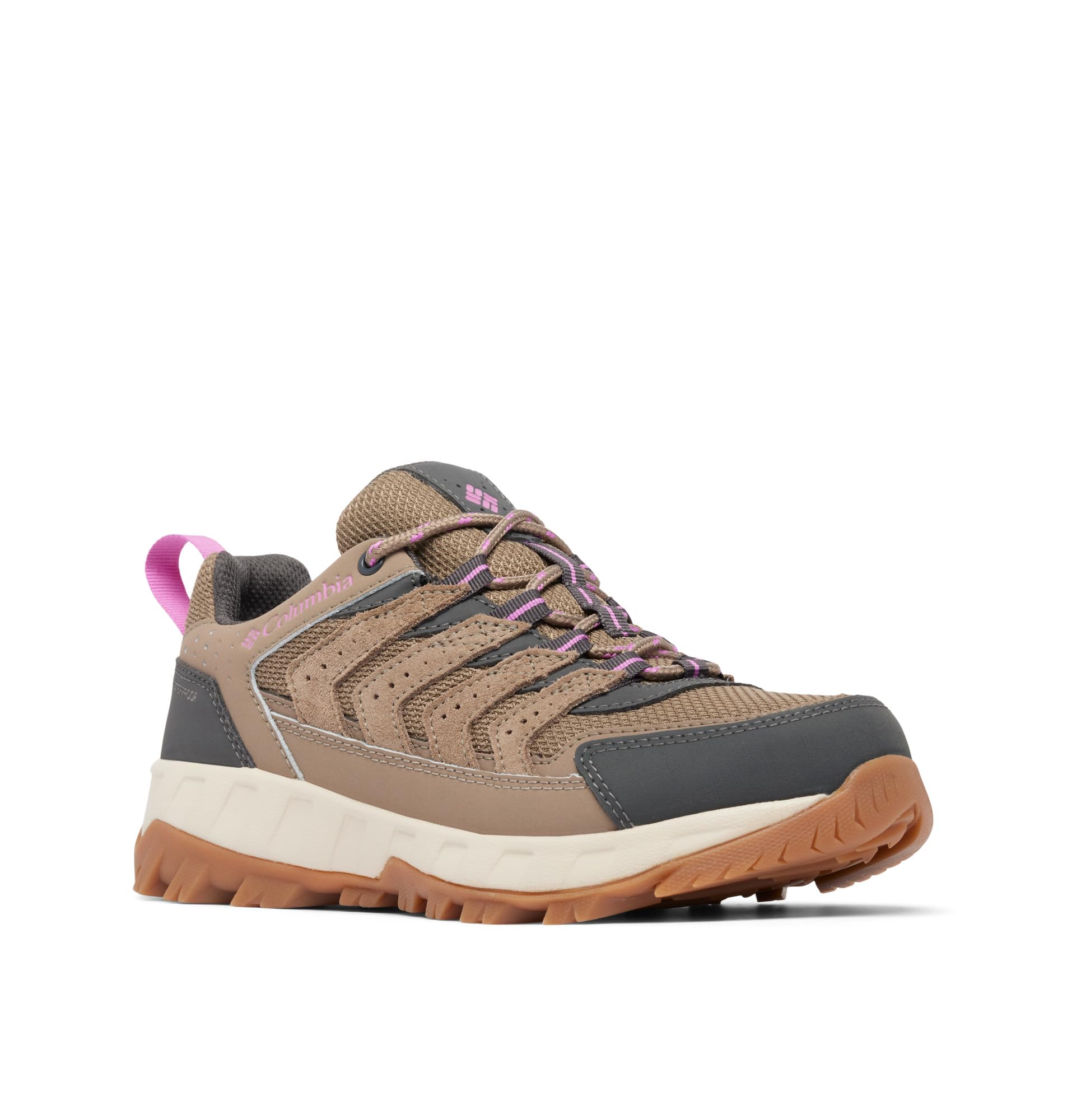
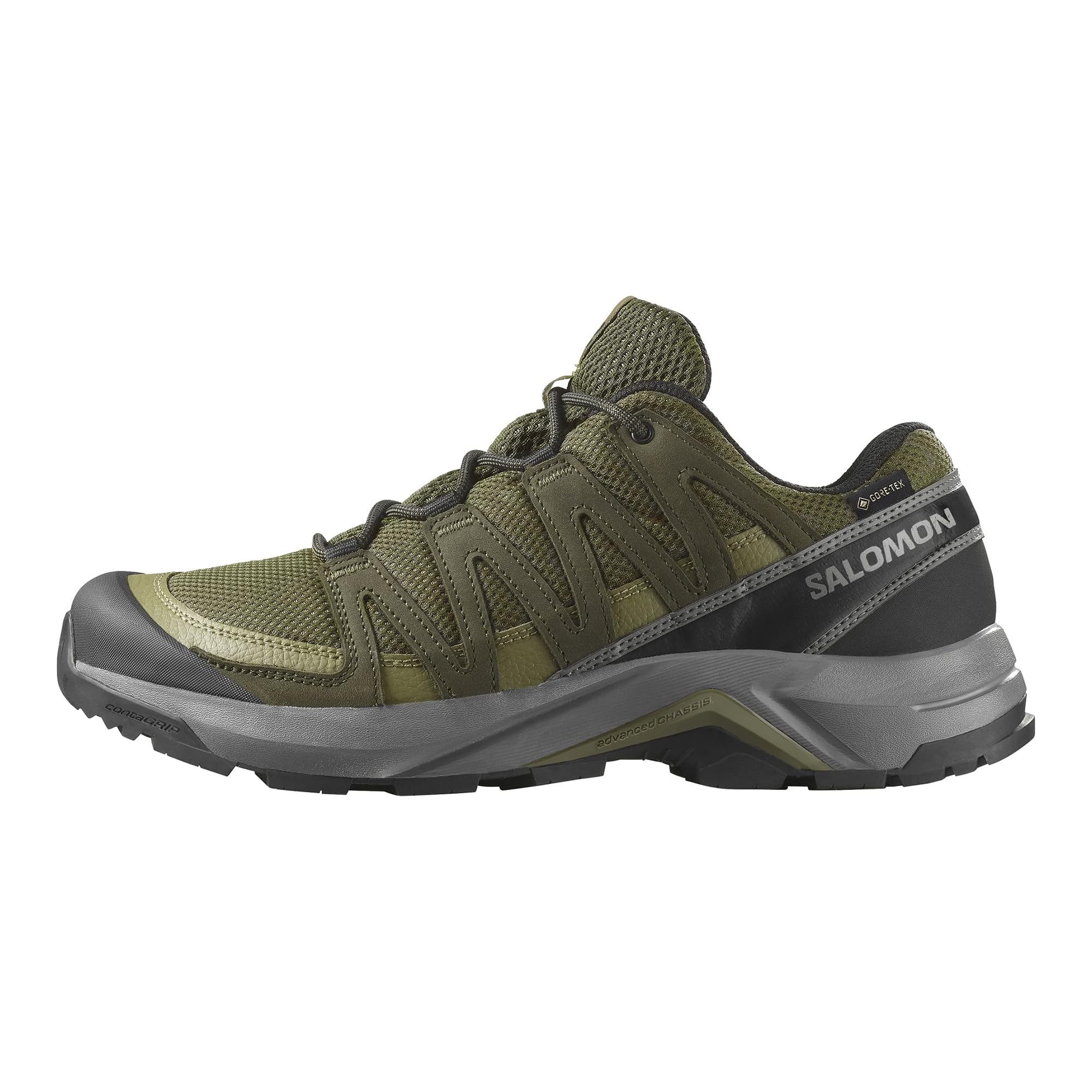


Who Should Buy Hiking Shoes
First Time Hikers
If you are new to trails, comfort matters more than technical features. Choose a shoe that feels good in the first five minutes, with moderate cushioning and a flexible forefoot. Stiff boots with a long break in period are harder to get right and can put people off hiking.
Walkers Moving to Trails
Regular walkers already have fitness, but trails add uneven ground, mud and slopes. A hiking shoe with a grippy outsole and a reinforced toe cap is a sensible step up from a road shoe. Start on well marked trails and build toward rougher ground.
Families and Casual Weekend Hikers
For short day hikes and park trails, a low cut waterproof or breathable shoe is easy to wear and easy to pack for travel. Adults should check fit with the socks they plan to wear, and children's shoes should be checked often because feet grow quickly.
Hiking Shoes Compared With Other Options
Trail Running Shoes
Trail runners are the lightest choice, dry quickly and need almost no break in. They suit easy to moderate trails and fast hiking. They offer less protection from rocks and less ankle support than sturdier shoes.
Hiking Shoes
Hiking shoes add tougher uppers, firmer midsoles and better toe protection. They suit mixed trails and day hikes with a light pack, and they balance weight and support well for beginners.
Light Hiking Boots
Light boots add ankle coverage and support for rough ground and heavier packs. They weigh more and need some break in. If your hikes involve scree, roots or loose rock, our guide to best beginner boots covers that step up.
Key Features to Compare
Fit and Toe Box
Hiking shoes should fit snugly at the heel, with room for your toes to spread. Your longest toe should have about a thumb width of space, because feet slide forward on descents. Try shoes on late in the day, when feet are slightly swollen, and wear the socks you plan to hike in.
Grip and Outsole
Grip comes from the rubber compound and the lug pattern. Multidirectional lugs of about 4 to 5 mm grip on climbs and descents, while wide spacing sheds mud. A defined heel edge helps you brake on loose slopes.
Waterproof or Breathable
A waterproof membrane keeps feet dry in rain and wet grass but traps heat and sweat on warm days. A breathable mesh upper dries quickly after a stream crossing but lets water in. Choose according to your usual weather rather than assuming waterproof is always better.
Cushioning, Support and Weight
Moderate cushioning absorbs impact on rocky trails without feeling unstable. A firmer midsole supports the foot on uneven ground. Every extra ounce on your feet costs energy over a long hike, so choose the lightest shoe that gives the protection your trails need.
Materials and Durability
Most beginner shoes use a mix of mesh and suede or synthetic overlays. Suede and leather last longer and resist scuffs from rocks, while mesh is lighter and cooler. Check that stitching is even and the sole is firmly bonded to the upper.
What Each Price Level Buys
Good beginner hiking shoes commonly cost about $60 to $170. Lower priced models work well for dry, easy trails but may wear out faster and have thinner cushioning. In the middle you get better outsoles, sturdier uppers and more reliable waterproofing. Higher priced shoes add refined fit and longer life, which pays off if you hike often.
Common Mistakes to Avoid
- Buying shoes that are too small, which leads to blisters and bruised toenails on descents.
- Choosing waterproof for every hike, which can leave feet hot and damp in summer.
- Skipping a break in period, so hot spots show up on a long trail.
- Wearing cotton socks, which hold sweat and cause blisters.
- Waiting too long to replace shoes with worn lugs or flattened cushioning.
Fit, Break In and Care
Break in new shoes with short walks, then easy trails, watching for pressure points. Keep toenails trimmed and carry blister care on longer hikes. If you feel sharp pain, swelling or numbness, or soreness that lasts days after a hike, rest and talk with a clinician.
Clean mud off after wet hikes with a soft brush and water, then let the shoes dry at room temperature away from direct heat. Heat from radiators can crack leather and weaken glue. Replace the shoes when lugs wear smooth or the midsole feels flat. For more choices by wearer, see the guides to the best hiking shoes, the best hiking shoes for men and the best ladies hiking shoes.
Frequently Asked Questions
Do beginners need hiking boots?
Not always. Many beginners do well in hiking shoes or trail runners on easy trails. Boots help on rough, rocky terrain and with heavy packs. Start with the terrain you actually hike.
How should hiking shoes fit?
They should feel snug at the heel, roomy at the toes and secure across the midfoot. Walk up and down a slope, and check that your toes do not hit the front.
Are waterproof hiking shoes worth it?
They help in rain, wet grass and mud, but they are warmer and slower to dry if water gets in over the top. For dry climates and summer hiking, breathable mesh often feels better.
How long do hiking shoes last?
For regular hikers, a pair often lasts a season or two of day hikes, depending on terrain and mileage. Watch for worn lugs, compressed cushioning and upper tears.
What should I carry on a first hike?
Carry water, a snack, a map or phone, sun protection and a basic first aid kit, even on short trails. Wear layers you can adjust, and tell someone your route.
Final Thoughts on Beginner Hiking Shoes
Put fit first, then grip, then the weather protection your trails need. Compare finalists in the product table above, break them in gently, and the best beginner hiking shoes will carry you through your first season of trails in comfort. Apply these checks to any best beginner hiking shoes you compare.


