
Best Beginner Binoculars for Stargazing in 2026: Which One Fits the Way You Use It?
Disclosure: We may earn a commission when you buy through links on this page, at no extra cost to you. As an Amazon Associate I earn from qualifying purchases. Learn more

The best beginner binoculars for stargazing balance magnification, light gathering and a steady view. Compare formats, field of view, weight and price.
No single pair suits every new observer, because your sky and your hands shape what feels easy on the first night out. The best beginner binoculars for stargazing match your viewing spot and the targets you want to find first, not the longest spec list. Use the comparison table below to check size, weight and price against the guidance that follows.
Start with how you will actually observe. A backyard learner scanning the Moon needs a different balance of power and steadiness than a camper under dark skies. The sections below sort those needs first, then explain the barrel numbers.


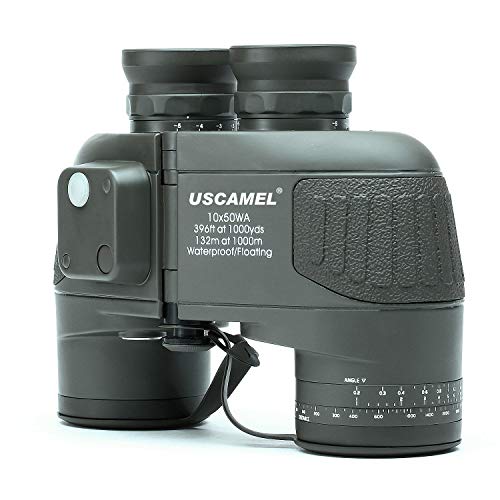

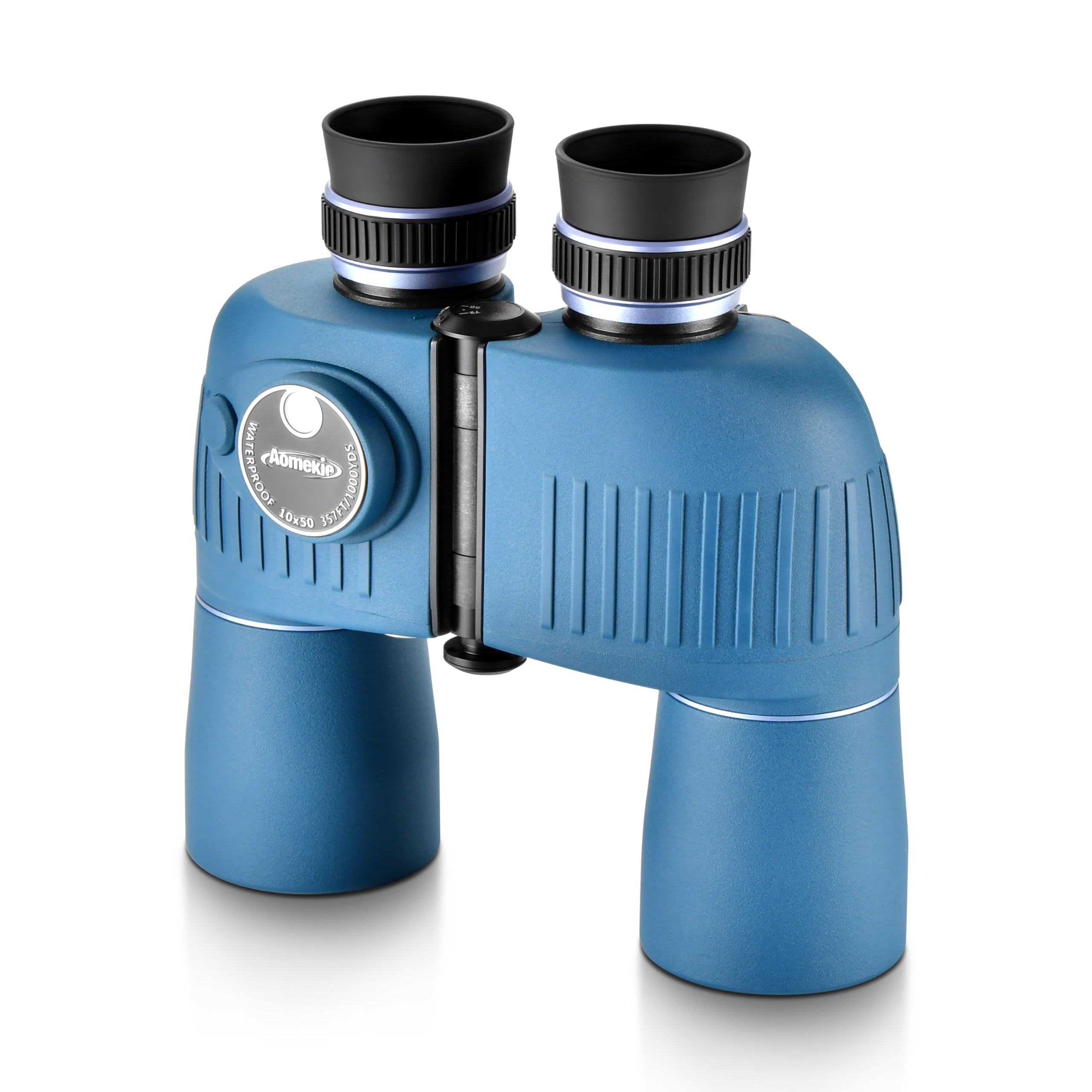

Who Should Buy Which Binoculars for Stargazing?
Pick by the session you will repeat most often. A pair that feels simple at home may feel heavy at a campsite, and a pair built for wide sweeps may feel weak on planets.
Backyard Learners Starting With the Moon and Bright Planets
You observe in short sessions, often with street light nearby, and you want early wins that keep you going outside. Prioritize a steady handheld view, simple center focus and enough power to show lunar craters and the moons of Jupiter. A 10x50 format suits this group well, because it gives useful detail without demanding a mount.
Campers and Dark Sky Travelers Who Pack Light
You carry your gear to a site, set up in the dark and value a wide, bright sweep of the Milky Way over fine planetary detail. Prioritize lower weight, a wide field of view and a format such as 7x50 or 8x42 that stays calm in your hands. A snug strap and padded case matter here, because the pair rides in a pack.
Families Sharing One Pair of Stargazing Binoculars
You pass one pair between adults and older children, so quick adjustment matters more than a perfect fit for one person. Prioritize a smooth focus wheel, eyecups that move easily and a hinge that holds its setting between viewers. Choose a moderate weight that smaller hands can hold, and plan short turns with a chair for support.
Key Features to Compare
Read the barrel numbers in this order. Each factor below changes what you see at night, and strength in one area cannot rescue weakness in another.
Magnification and Objective Lens Size for Night Viewing
The format pairs two numbers, such as 10x50, where the first is magnification and the second is the diameter of each front lens in millimeters. Higher magnification makes the Moon and star clusters look larger, but it also magnifies hand shake and narrows what you see at once. Bigger front lenses gather more light, which helps faint targets, yet they add weight. Most new observers do well with 7x50, 8x42 or 10x50, chosen for steadiness and sky darkness rather than the biggest numbers.
Exit Pupil and Brightness Under a Dark Sky
Exit pupil is the width of the light beam that reaches your eye, found by dividing lens size by magnification, so a 7x50 pair gives about 7 mm and a 10x50 pair gives about 5 mm. A larger exit pupil can feel brighter on faint nebulae under rural skies. Under brighter suburban skies, a very large exit pupil may waste light and wash the background. Match the figure to your sky rather than treating bigger as always better.
Field of View for Finding Targets as a Beginner
Field of view describes how much sky fits in the eyepieces at once, often listed in degrees. A wider view makes finding a constellation far easier, because a small aim error still keeps the target in sight. A narrow view can feel like looking through a tube, which frustrates new users learning star patterns. For a first pair, favor a generous field and accept a little less power if that trade keeps locating targets simple.
Glass, Coatings and Prism Design in Stargazing Binoculars
Prisms fold the light path inside the body, and Porro prism designs often deliver bright views for the price, while roof prism designs feel slimmer in the hand. Glass quality and coatings shape contrast, so look for fully multi coated optics, meaning the main glass surfaces carry coatings that reduce lost light. Better contrast helps separate pale nebulae from a gray sky background.
Eye Relief, Eyecups and Focus Controls for New Users
Eye relief is the distance your eye can sit from the eyepiece while still seeing the full view, and glasses wearers generally need about 15 mm or more. Twist up eyecups let you set that distance quickly. A large center focus wheel you can turn with gloves on speeds up cold sessions. The small diopter dial balances focus between your two eyes, so set it once and leave it.
Weight, Balance and Tripod Use for Longer Sessions
A common first pair weighs about 24 to 36 ounces, and even a few ounces change how long you can hold a steady view overhead. A balanced pair tires your arms less than a front heavy pair of the same weight. Many full size pairs accept a simple tripod adapter, which steadies high targets. If you dislike mounts, choose lower magnification rather than fighting shake.
How to Choose Between 7x50, 10x50 and 8x42 Binoculars for a First Night Out
Think of the three formats as three first experiences. A 7x50 pair gives the steadiest and widest view, which suits sweeping star fields. A 10x50 pair shows more lunar detail, but asks for steadier hands or support from a fence or chair. An 8x42 pair is smaller and lighter for travel, with a slightly dimmer view under dark skies.
Budget shapes the choice too, because coatings improve as price rises within each format. If cost is your main limit, see our guide to the best budget binoculars for stargazing. Readers set on the larger format can compare notes in our guide to the best 10x50 binoculars for stargazing. For a wider shortlist, see our guide to the best binoculars stargazing.
Check any shortlist with one question: can you hold it up, find a bright star and focus within a few seconds? The best beginner binoculars for stargazing feel almost invisible in use, so your attention stays on the sky. If a pair fights you on that test, a simpler format will teach you more.
Common Mistakes to Avoid
These errors are common on first orders.
- Choosing very high magnification for a first pair makes hand shake blur stars and leaves you frustrated on night one.
- Ignoring field of view leaves you hunting for targets through a narrow window and losing them each time you lower the pair.
- Buying the heaviest format for travel means the pair stays home, because no one wants to carry it to a dark site.
- Skipping the glasses check on eye relief means glasses wearers see only the center of the view with dark edges.
- Judging by price alone can land you with dim coatings that make faint clusters look washed out and dull.
How to Make Stargazing Binoculars Last for Years of Night Use
Clean the lenses only when dust or a smudge affects the view. Blow loose grit off first, then wipe gently with a clean lens cloth in small circles, because rubbing dry grit across glass can scratch the coating. Never use a shirt hem or paper tissue, as both can drag grit and leave fibers behind.
Store the pair in a dry, padded bag with the lens caps on, away from heaters and damp basements. Bring a cold pair indoors inside its closed bag so moisture settles on the bag rather than the glass. Check strap and hinge tension now and then, and tighten nothing beyond finger firm.
FAQ
What makes beginner binoculars for stargazing different from daytime binoculars?
Beginner binoculars for stargazing differ mainly in light gathering, with larger front lenses and moderate magnification chosen for dim targets. Daytime pairs often favor compact size, which limits brightness at night. Let your eyes adjust to darkness for about 20 to 30 minutes before judging brightness, because a pair that looks dim at first performs better once your vision settles.
How much should a beginner spend on a first pair of stargazing binoculars?
A sensible first budget for stargazing binoculars is about $80 to $200, where coatings and build quality are usually solid for learning. Spending less often means dimmer glass, while spending far more buys refinements a new observer may not yet notice. Keep a small part of the budget for a padded case and a simple star guide, because finding targets is half of the early learning curve.
Can beginners wear glasses while using binoculars for stargazing?
Yes, beginners can wear glasses while using binoculars for stargazing, provided the eye relief is long enough and the eyecups twist down. Keep your glasses on if you have astigmatism, because the focus wheel cannot correct that condition and the diopter dial only balances one eye against the other. Start with the cups fully down, then raise them slightly until the full field appears.
Do beginner binoculars for stargazing need a tripod?
No, beginner binoculars for stargazing do not need a tripod, and most first sessions work well handheld at 7x or 8x. A tripod helps most for long looks at one target, such as splitting a double star. A low cost alternative is a monopod or a reclining camp chair with arm support, which steadies the view without the setup time a full tripod demands.
Can beginners see planets with binoculars for stargazing?
Yes, beginners can see planets with binoculars for stargazing, though the views are small rather than detailed. You can spot the four large moons of Jupiter as tiny points, follow the phases of Venus and pick out the warm color of Mars and Saturn. Brace your elbows on a railing and observe when the planet sits high, because low targets shimmer through thicker air.
Final Thoughts on Beginner Binoculars for Stargazing
Match the format to your sky and your hands first, then weigh coatings, eye relief and build quality within that format. A steady, bright pair will teach you the sky far faster than a powerful pair you struggle to hold. Compare your finalists in the product table above before you order.
Chosen that way, the best beginner binoculars for stargazing become a simple nightly habit rather than a puzzle of numbers. Start with one easy target and learn its neighborhood well.


