Best Bedside Speakers: The Buyer Checklist We Use for 2026
Disclosure: We may earn a commission when you buy through links on this page, at no extra cost to you. As an Amazon Associate I earn from qualifying purchases. Learn more

Use this checklist to compare the best bedside speakers by low volume sound, footprint, controls, clock features, ports, and value for your bedroom.
A bedside speaker has a very different job from a party speaker or a living room system. It plays at low volume late at night, it shares a small nightstand with a lamp and a phone, and its controls have to make sense when you are half asleep. That is why a simple checklist works better than chasing the biggest wattage number on the box.
This guide walks you through the exact criteria to judge best bedside speakers for real bedrooms. You will learn what good low volume sound looks like on a spec sheet, which features actually matter at 2 a.m., and which claims are red flags. The comparison table below pulls the shortlist together once you know what to look for.


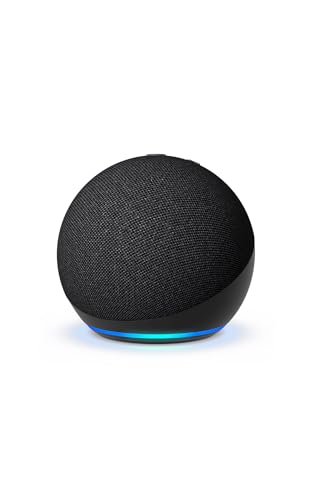


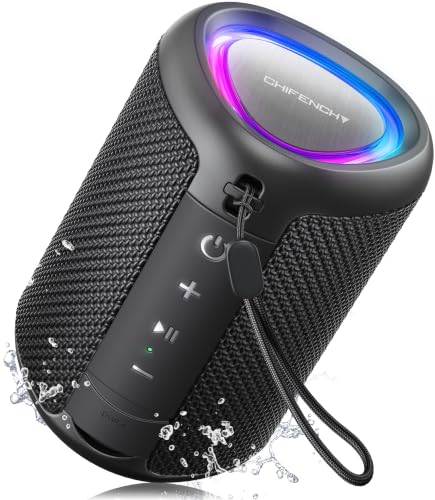

How to Judge Bedside Speakers
Every speaker on a nightstand should pass a few basic checks. It must sound clear at whisper level, fit the space you actually have, charge or power your phone without fuss, and stay quiet in standby so it never hums or glows while you sleep. The sections below turn each test into a plain threshold you can check before you buy. If a model fails two or more of them, it is probably better suited to another room.
Sound Quality and Tuning
For bedside listening, clarity at low volume matters far more than maximum loudness. Look for a tuning that keeps voices forward and bass modest, because heavy bass travels through walls and floors and annoys partners and neighbors. A driver around 2 to 3 inches is plenty for a nightstand, and a published frequency range that reaches down near 80 Hz usually means fuller sound without boom. If the listing only shouts about peak watts and says nothing about tuning, treat that as a weak sign.
Battery Life and Charging
Decide first whether you want a plug in model or a portable one. Plug in models never run flat and often include a USB port that charges your phone overnight, which frees a wall outlet. Portable models should offer at least 10 hours of playback at moderate volume and charge over USB C so one cable handles everything. A battery percentage readout or a clear low battery warning is worth more than a slightly larger cell, because a speaker that dies silently during an alarm is a real problem.
Microphone Quality
A built in microphone matters only if you plan to take calls or talk to a voice assistant from bed. For occasional calls, any clear mic with echo reduction is fine, and callers should hear you from about 6 feet away without shouting. If you never take calls in the bedroom, skip this feature entirely and put the money toward better drivers instead. Also check for a physical mic mute switch if privacy concerns you, since a hardware switch is more trustworthy than a software toggle.
Noise Cancellation and Isolation
Speakers do not cancel noise the way headphones do, so be skeptical of any bedside model that leads with ANC claims. What actually helps you sleep is the opposite set of traits: no fan noise, no standby hum, and no bright standby light. Some models add white noise or sleep sounds with a fade out timer, which can mask street noise without raising overall volume. If outside noise is your main issue, also compare the best bt speakers category for portable models with long sleep timer options you can move between rooms.
Comfort, Fit, and Weight
For a speaker, comfort means physical fit on your nightstand and controls you can work by touch. Measure your nightstand before ordering and leave room for a lamp, a book, and your phone. Buttons should be raised or shaped so you can find volume and snooze in the dark, and the display should dim to near black at night. Weight matters mainly for portable models: under about 2 lb is easy to carry to a bathroom or guest room, while heavier plug in units stay put and feel more stable.
Placement and Room Size
Small bedrooms need less power than listings imply. A modest speaker fills a typical bedroom easily at bedtime levels, and placing it at ear height on the nightstand improves clarity more than extra watts would. Keep the speaker a few inches from the wall to avoid boomy bass buildup in the corner. If you want stereo, confirm the model supports pairing two units, and note that paired speakers need matched placement on both sides of the bed to sound balanced. Readers building a bigger setup for the whole home may also want to see our guide to the best sounding speakers for larger rooms.
Price Tiers at a Glance
Instead of chasing named models, use the three tiers below to match a speaker to your habits and budget. Each tier describes what a good example looks like, who it suits, and the trade off you accept at that level. Any speaker can be judged against these descriptions in a minute or two.
Mid Priced All Round Tier
The strongest all round bedside choice, usually around $80 to $150, combines a dimmable clock display, an alarm with a gentle wake tone, USB charging for your phone, and warm low volume sound. It suits most people because it replaces a separate alarm clock and charger. The trade off is size: these units are wider than basic speakers, so measure your nightstand first. Look for a display that turns fully off, because even a dim clock can bother light sensitive sleepers.
Budget Tier
A value tier speaker, usually around $35 to $70, skips the clock and assistant features and focuses on clean sound, Bluetooth 5.3 for a stable connection, and simple top mounted controls. It suits students, guest rooms, and anyone who already uses a phone alarm. Battery life of 12 hours or more makes it useful beyond the bedroom too. The main limitation is charging speed and a smaller driver, so expect lighter bass. If portability is your priority, compare this tier with the best portable speakers before you decide.
Best for Heavy Use
Heavy use means daily alarms, nightly podcasts, and frequent calls, and the right speaker for that life is a sturdy plug in model around $120 to $200 with physical buttons rated for constant pressing and a replaceable backup battery for alarms during power cuts. Sound tends to be fuller, with a dedicated woofer that keeps talk radio clear. The trade off is a fixed spot and a higher price. Choose this tier if the speaker is your main alarm clock and failure is not an option.
Quick Buyer Checklist
Run through these questions before you order. Mostly yes answers mean the speaker fits bedside duty.
- Does it sound clear at low volume without heavy bass?
- Does it fit your nightstand with room left for a lamp and phone?
- Can the display or light be dimmed or switched off fully?
- Does it charge over USB C or include a phone charging port?
- Can you find the main controls by touch in the dark?
- Does the alarm still work if Bluetooth disconnects overnight?
- Is the warranty at least one year from a reachable seller?
Red Flags to Watch For
Walk away from listings with vague power claims such as huge wattage with no driver size or frequency range to back it up. Be wary of speakers with no stated warranty, no firmware support page, or reviews that repeat the same phrases about unrelated uses like camping. A missing dimmer is another quiet red flag, because a bright display is the top complaint among bedside buyers. Finally, avoid models that require an app account just to set an alarm. Your alarm clock should never depend on a login. Shoppers who also need a speaker for a handbag or commute can see our guide to the best handheld speakers for smaller options.
Tips to Get the Most From Your Bedside Speaker
Update the firmware once when you set the speaker up, then turn off auto updates that might restart it at night. Set the sleep timer rather than lowering volume to zero, so playback stops cleanly. Keep the speaker out of direct sun and away from steam if you move it to a bathroom, and wipe the grille with a dry cloth weekly so dust does not muffle the driver. If you travel often, our guide to the best mobile speakers covers compact models built for bags and hotel rooms.
FAQs
Do I need a special codec for a bedside speaker?
No, a special codec is not necessary for bedside listening. Standard SBC and AAC support covers podcasts, audiobooks, and music at close range perfectly well. Codecs like aptX or LDAC help most with high resolution files and video sync across a room. At nightstand distance, tuning and low volume clarity matter far more than the codec logo on the box.
Wired or wireless: which sounds better for a bedside speaker?
A wired connection can sound slightly cleaner, but at bedside distances most listeners hear no real difference over a stable Bluetooth 5.3 link. Wireless wins on convenience because you can keep your phone charging across the room. Choose wired only if your speaker doubles as a computer speaker by day. Either way, keep the source within about 15 feet to avoid dropouts.
Is ANC worth the extra cost on a bedside speaker?
No, active noise cancellation is a headphone feature and adds little to a speaker that plays into open air. Spend that money on a sleep timer, a dimmable display, and better low volume tuning instead. If room noise keeps you awake, a model with built in white noise or fan sounds will help far more than any ANC badge on a speaker.
How long does the battery last on a bedside speaker?
Most portable bedside models last about 10 to 20 hours per charge at moderate volume. Playing sleep sounds all night uses roughly a third of a typical battery, so expect to charge every two or three nights. Plug in models remove the question entirely. Check whether the alarm still sounds when the battery runs low, because that detail varies and matters more than headline hours.
What IP rating do I need for a bedside speaker used outdoors?
For occasional patio or balcony use, IPX5 handles light rain and splashes. If the speaker will live outdoors or travel to the beach, look for IP67, which survives brief immersion and shrugs off dust and sand. Remember that water resistance ratings assume intact seals, so rinse off salt water and dry the charging port before plugging in.
The Bottom Line
Judge any bedside speaker on three things first: clear sound at low volume, a display and controls that respect your sleep, and power that never lets an alarm down. Match the tier to your habits, plug in for reliability or portable for flexibility, and use the comparison table above to confirm the details. Chosen that way, the best bedside speakers simply disappear into your routine, which is exactly what a nightstand speaker should do.