Best Bedroom Cameras: A Buying Guide for 2026
Disclosure: We may earn a commission when you buy through links on this page, at no extra cost to you. As an Amazon Associate I earn from qualifying purchases. Learn more
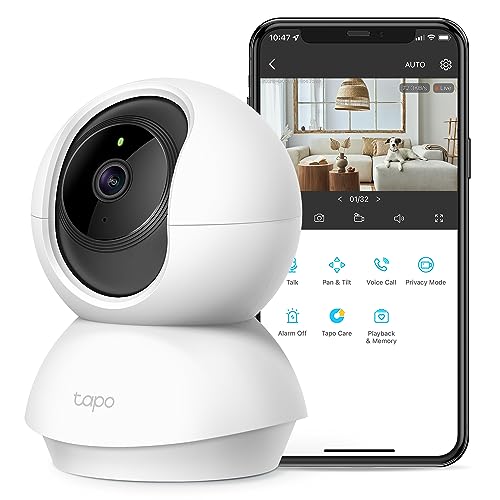
Compare the best bedroom cameras with consent, placement, and account security first, then match resolution, storage, and price to your own room.
A camera in a bedroom is the most sensitive purchase in the home camera category, so this guide puts the law and other people first and the hardware second. The best bedroom cameras are the ones aimed at your own room, for a purpose you can say out loud, with settings that protect everyone who walks in. Resolution and price only matter after that test is passed.
Below are the consent rules, the few purposes that hold up, and the features that separate a careful setup from a risky one. The comparison table below lines up the main types side by side.
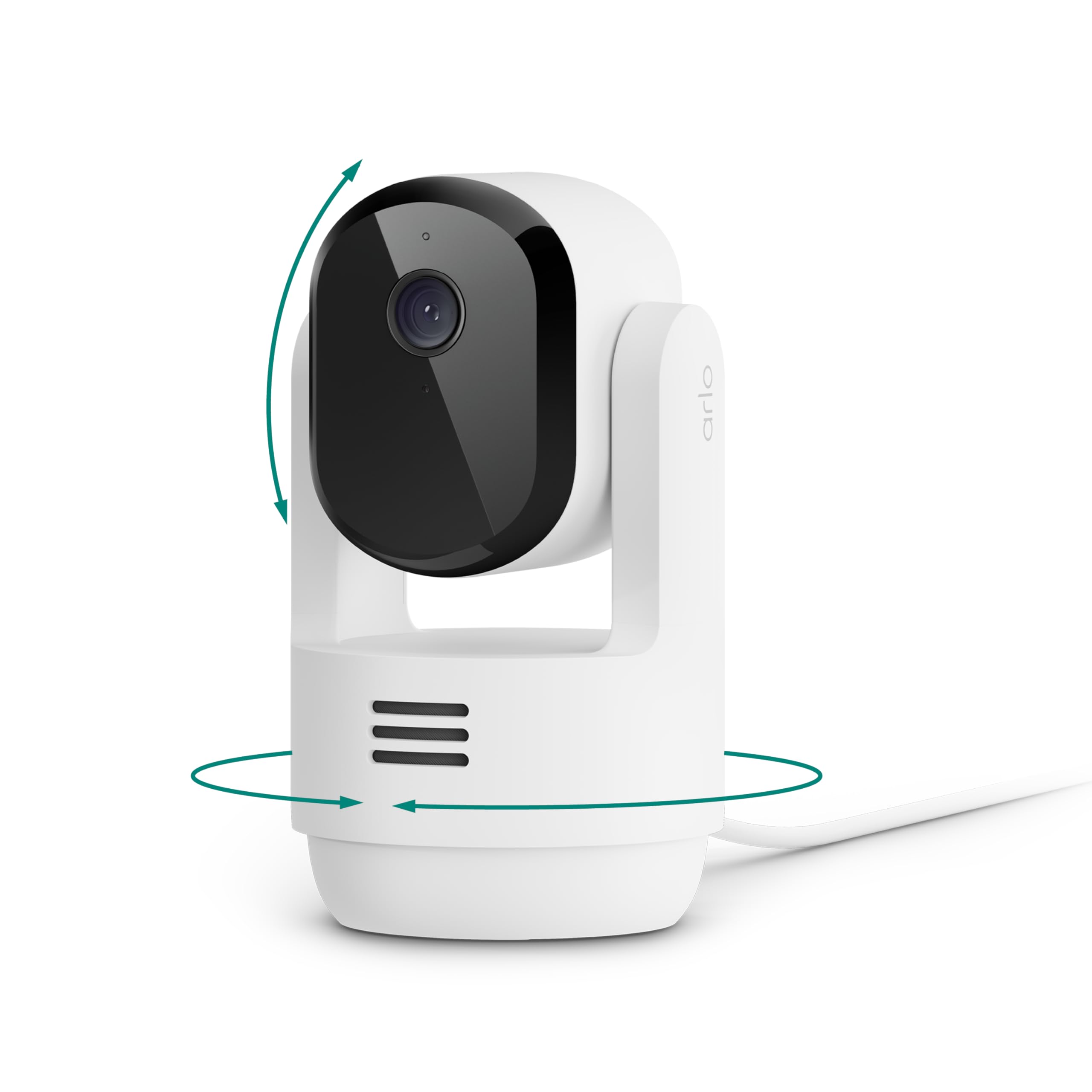


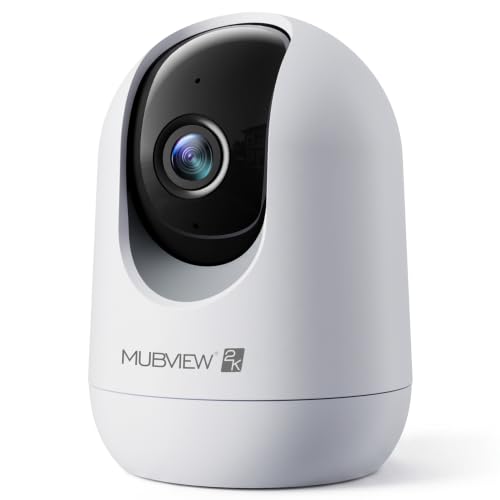

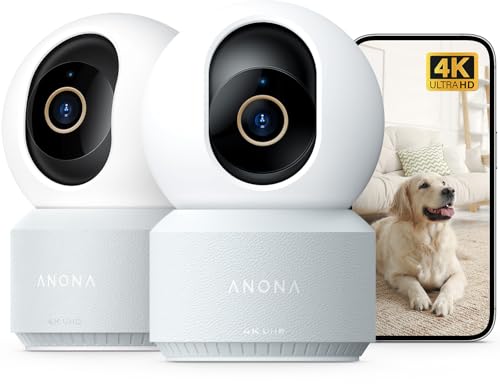
Consent and the Law Come First
Consent governs every bedroom camera decision. A camera recording a space only you use sits in a very different legal position from one that records anyone else. Partners, guests, older children, and caregivers all have a reasonable expectation of privacy in a bedroom, and recording them without clear agreement can break wiretapping and voyeurism laws. Check local rules first, and treat agreement from every adult who uses the room as a hard requirement.
Audio raises the stakes further, because sound recording is the highest risk part of any bedroom setup. Many places treat recording a conversation more strictly than silent video, and some require everyone recorded to agree. The safest default is the microphone off, permanently.
Covert recording deserves a direct warning here. A concealed lens pointed at a guest, a partner, or a child is a legal risk no feature list can soften, and secrecy is what turns a gadget into a consent violation. Choose a camera that is plainly visible with a status light. If a plan only works when nobody knows about it, the plan is the problem.
Start With a Clear and Limited Purpose
Once consent is settled, name one narrow purpose and let it choose the camera class. The two purposes that hold up best are checking on a pet that sleeps in your room, and confirming whether your room door or window was opened while you were away. Both are served by a simple camera aimed at the entry point rather than at the bed.
Watching a partner, monitoring a teenager, or checking up on a guest are not problems a camera solves, and a lens pointed at the bed records far beyond any stated purpose. A narrow aim is a privacy feature in its own right.
Who Should Buy Which Bedroom Camera
Pet Owners Who Travel
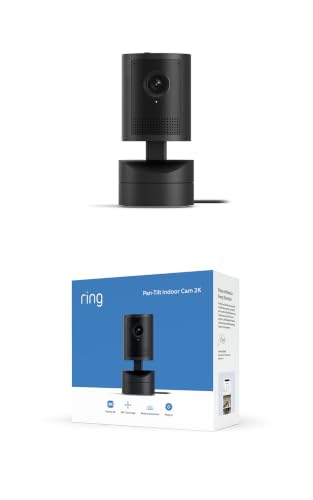
If a dog or cat sleeps in your room, a basic pan and tilt camera with motion alerts covers the job for about $25 to $50. You need a wide view, decent night vision, and two way talk to settle the animal. Fancy resolution adds little, because you are checking posture, not fine detail.
People Checking Their Own Room Entry
After a break in scare or landlord dispute, the useful camera is a fixed view model aimed only at your door. Local storage on a memory card keeps the footage in your hands, and a visible status light keeps the setup honest. Expect to spend about $40 to $80 for this class.
Shift Workers in Shared Homes
People who sleep during the day in a shared house sometimes want proof their locked room stayed undisturbed. A camera with a physical privacy shutter fits, because the shutter closes the lens completely while you are home. That mechanical off switch matters more than any app setting, and this class runs about $50 to $100.
Key Features to Compare
Four features decide whether the best bedroom cameras respect the room they watch. Privacy hardware and account security come before image quality, because a sharp picture of the wrong thing is still the wrong thing.
A Physical Privacy Shutter or Cover
The most valuable feature on a bedroom camera is a way to block the lens with hardware, not software. Some rotate the lens into the body, others use a sliding cover, and a hand placed cap still beats a mute button in an app. When the lens is physically covered, no account breach or software fault can turn the camera on. Treat any model without a cover as a weaker choice for this room.
Account Security and Passwords
Privacy also lives in the account, so read this feature class as a password and two factor problem first. Turn on two factor authentication, use a password you use nowhere else, and keep app and firmware updated. A camera signed in with a reused password is an open window, whatever the lens quality.
Resolution, Field of View, and Night Vision
For a single room, 1080p is enough for almost everyone, because distances are short and faces are close. A field of view around 110 to 130 degrees covers a bedroom corner to corner without a second camera. Night vision matters more than raw resolution in a dark room, so favor clear infrared range over extra pixels.
Stills cameras solve a different problem: best digital cameras are carried in your hands to take photographs, not mounted to watch a room. Likewise, best cameras for photography are judged on lenses and sensors for deliberate shooting, a separate purchase from unattended monitoring.
Storage: Memory Card or Cloud Plan
Local storage on a memory card keeps bedroom footage inside your home and carries no monthly fee, which suits this room better than most. Cloud plans add off site backup for about $3 to $15 per month per camera, but they also put intimate footage on a company server. Many buyers choose the card, set it to overwrite old clips, and accept the risk that the camera itself could be taken.
Where to Place the Camera, and Where Never to Place It
Mount the camera high in a corner, angled toward the door and window, with the bed at the edge of the frame or outside it. That aim captures entry while recording as little of the sleeping area as possible. Tell every adult who uses the room where the camera points, and keep the status light on. Furniture is a separate decision: best bedroom sets change how the room is arranged, while the camera works with the layout you have.
Some placements are never acceptable. Never point a camera at a guest bed, never install one in a bathroom, and never keep one running in a room a child uses as a private space. If a placement only works in secret, remove the camera instead.
What Your Money Gets You
Basic cameras at about $25 to $50 cover pet checks and door alerts with 1080p video and card storage. The middle band at about $50 to $100 adds what this room rewards: a privacy shutter, better night vision, and reliable person alerts. Above about $100 to $150 you mostly pay for sharper sensors and smart home links, which help a hallway far more than a bedroom. Match your shortlist against the product table above, and let shutter and storage break any tie.
Common Mistakes to Avoid
- Recording audio by default, when silent video covers the purpose with less legal risk.
- Aiming at the bed instead of the door, recording far more than any stated purpose needs.
- Reusing an old password on the camera account, which leaves the feed open to strangers.
- Leaving the camera running during an overnight guest stay without telling the guest.
- Buying the sharpest sensor while skipping the privacy shutter this room actually calls for.
Care and Maintenance
Check for firmware updates every few months and install them, because camera updates are mostly security fixes. Change the account password if a phone with app access is lost. Wipe the lens when the night image turns hazy, and check the privacy shutter monthly.
Bedroom Cameras: Questions Answered
Is it legal to put a camera in my own bedroom?
Recording your own private room is treated differently from recording anyone else, but details depend on where you live and who else uses the room. Many states restrict recording where people expect privacy, and a room shared with a partner or used by guests creates duties even for the owner. Renters face extra rules in leased homes too. Read your state law and lease before installing, and get agreement from every adult who uses the room.
Should a bedroom camera record audio?
For most bedroom setups, no, and turning the microphone off is the simplest risk cut you can make. Audio laws are stricter than video laws in many places, and some states require every person in a conversation to agree before it is recorded. A sleeping room captures exactly the kind of private conversation those laws protect. Silent video still shows a door opening or a pet moving.
Is local storage or cloud storage better for a bedroom camera?
Local storage on a memory card suits most bedroom cameras because the footage never leaves your home and there is no monthly bill. The trade off is that the card leaves with the camera if it is stolen, so earlier clips that day could be lost. Cloud storage protects the clips but places private footage on a company server for about $3 to $15 a month. A middle path is a card plus phone alerts for short clips.
What should I do before a guest stays overnight?
Unplug the camera or close its privacy shutter, and tell your guest you have done so. A guest who finds a live camera in a bedroom will reasonably feel spied on, and some jurisdictions treat recording a guest in a sleeping room as an offense on its own. The simplest habit is a powered off camera in a drawer during any stay. Restart it only after the guest has left.
Can a bedroom camera replace a lock or an alarm?
No, a camera only records, and recording is not the same as protection. A solid door lock, a sound window latch, and a monitored alarm change what an intruder can do, while a camera only shows what already happened. Buyers sometimes skip the lock because the camera felt like security. Spend on the lock first, then add the camera if the budget allows.
Final Thoughts
The right choice starts with consent you can state out loud, a purpose narrowed to a pet check or an entry check, and hardware that can be physically switched off. Compare the shortlist with the product table above, favor the privacy shutter and local storage, and keep audio off. Chosen that way, the best bedroom cameras protect your space without putting anyone else's privacy at risk.