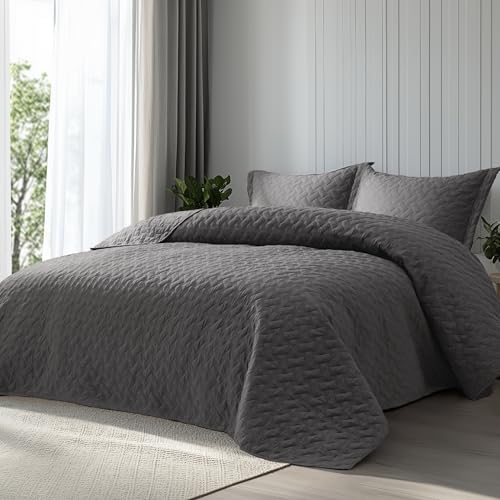
Best Bedroom Blankets: Choosing Warmth Without the Weight 2026
Disclosure: We may earn a commission when you buy through links on this page, at no extra cost to you. As an Amazon Associate I earn from qualifying purchases. Learn more
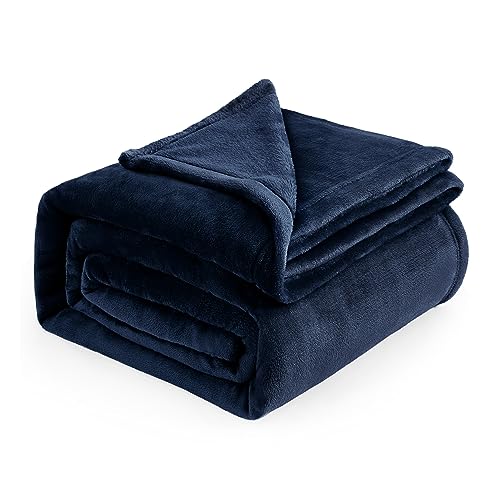
Choose bedroom blankets by warmth, weight, fabric, and care for every season. This guide explains fills, weaves, and sizes so your bed feels right all year.
The best bedroom blankets keep you at a steady temperature all night without weighing you down. Warmth comes from loft, weave and fiber as much as from weight, so a heavy blanket is not always the warmest choice. The product table below gives a quick side by side view of the main types, and this guide explains what each one does on a real bed.
Start with your room and your own body temperature. A sleeper who runs warm in a heated apartment needs a very different blanket from someone in a drafty older house, and most households end up with a light blanket for summer and a heavier one for winter.


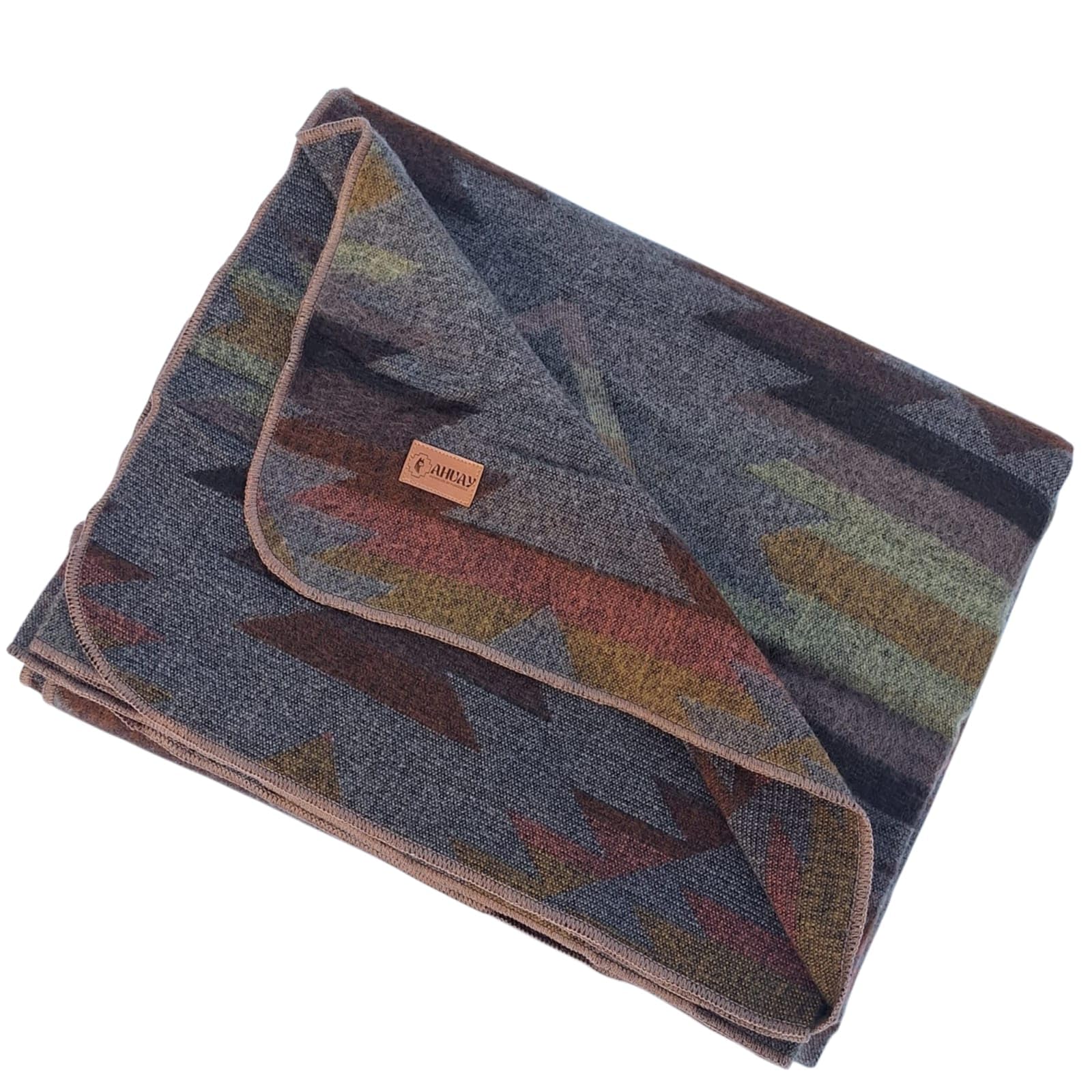
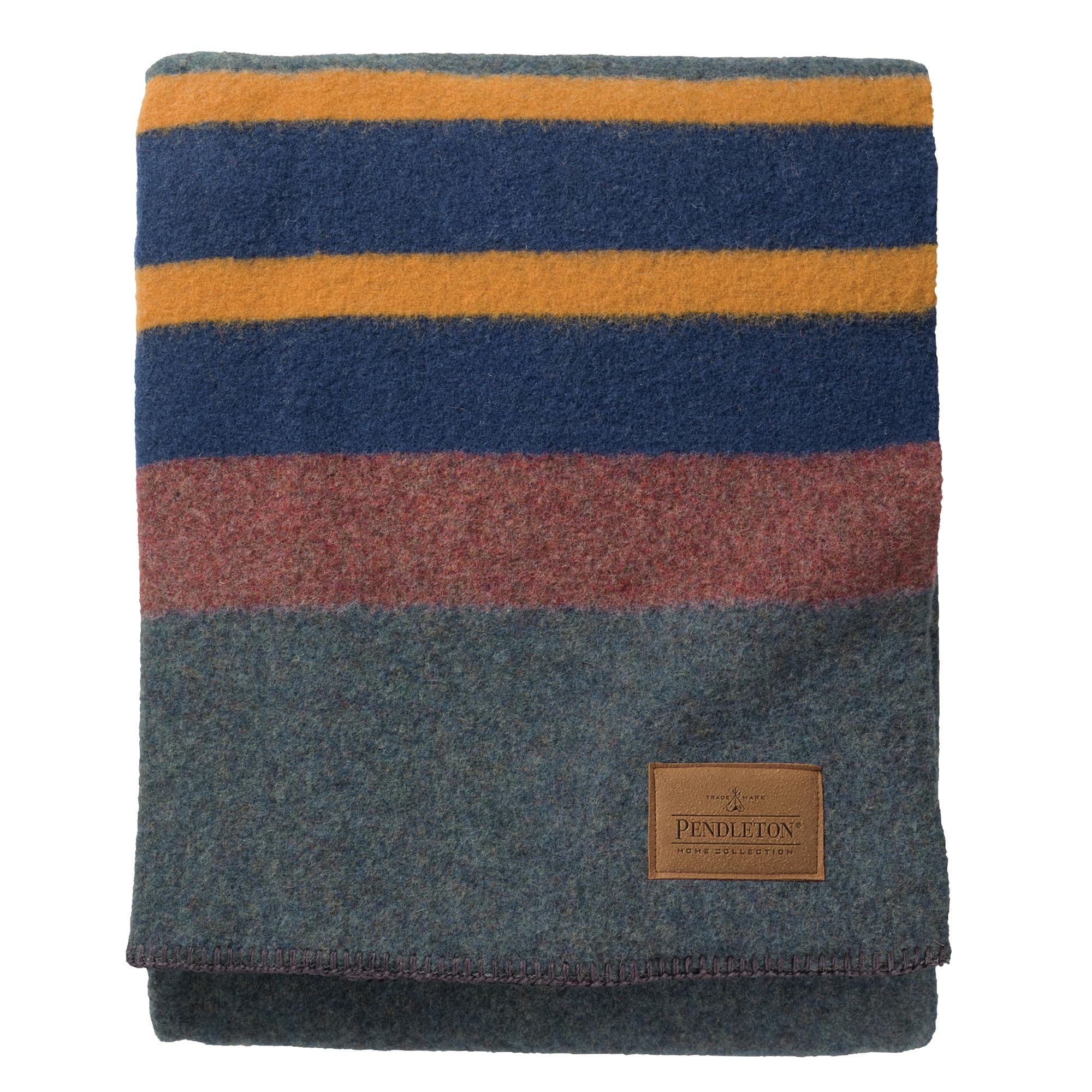
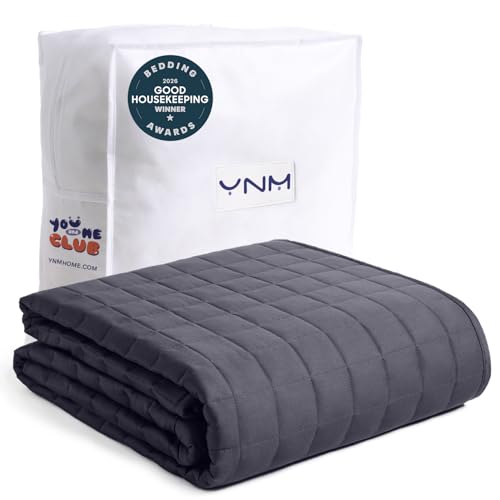
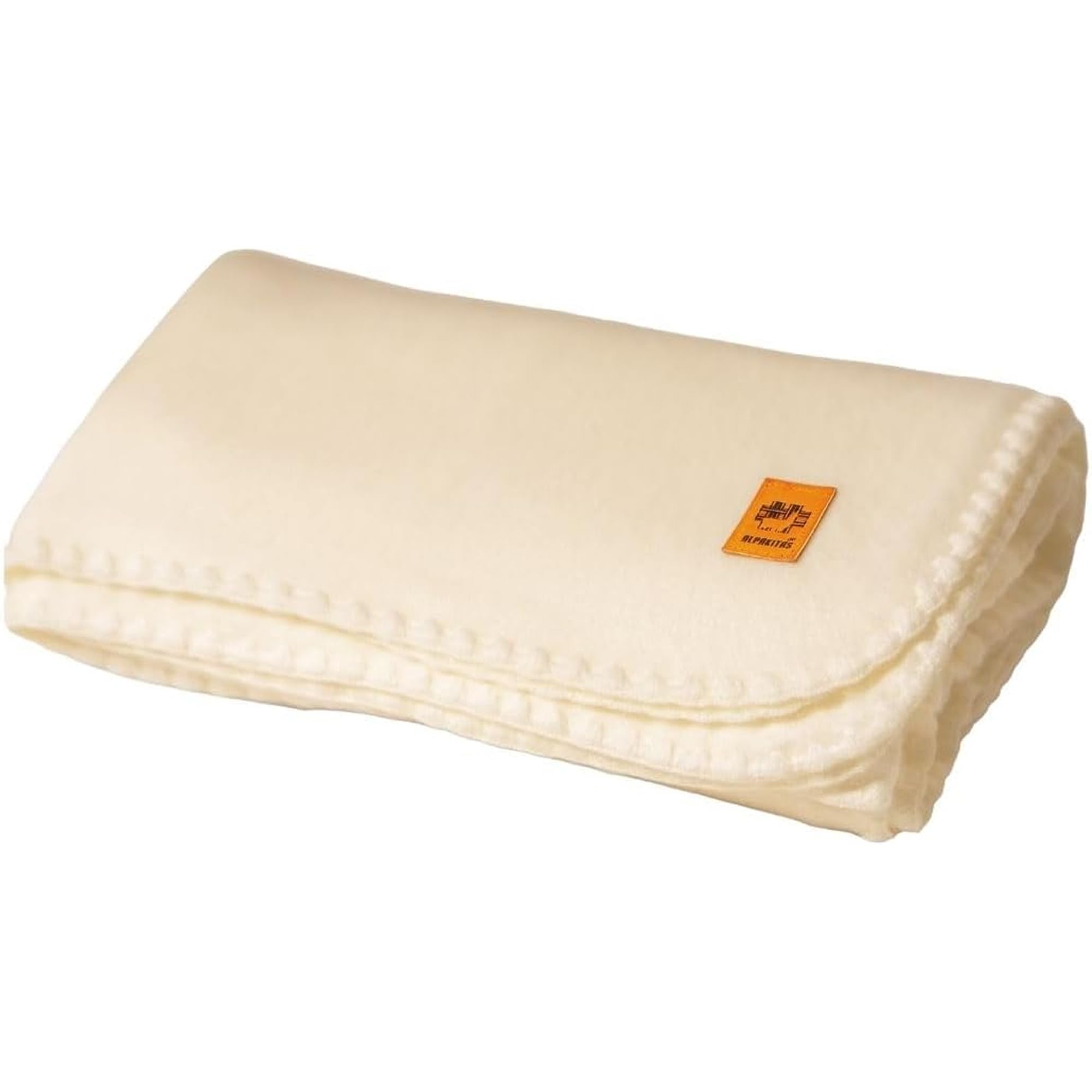

Who Should Buy Which Type
For warm sleepers
A light, breathable blanket in cotton, a cooling knit or a thin fleece suits people who overheat. Look for an open weave that lets air move, and choose a size that can be pushed to the foot of the bed without dragging the sheet along with it.
For cold rooms
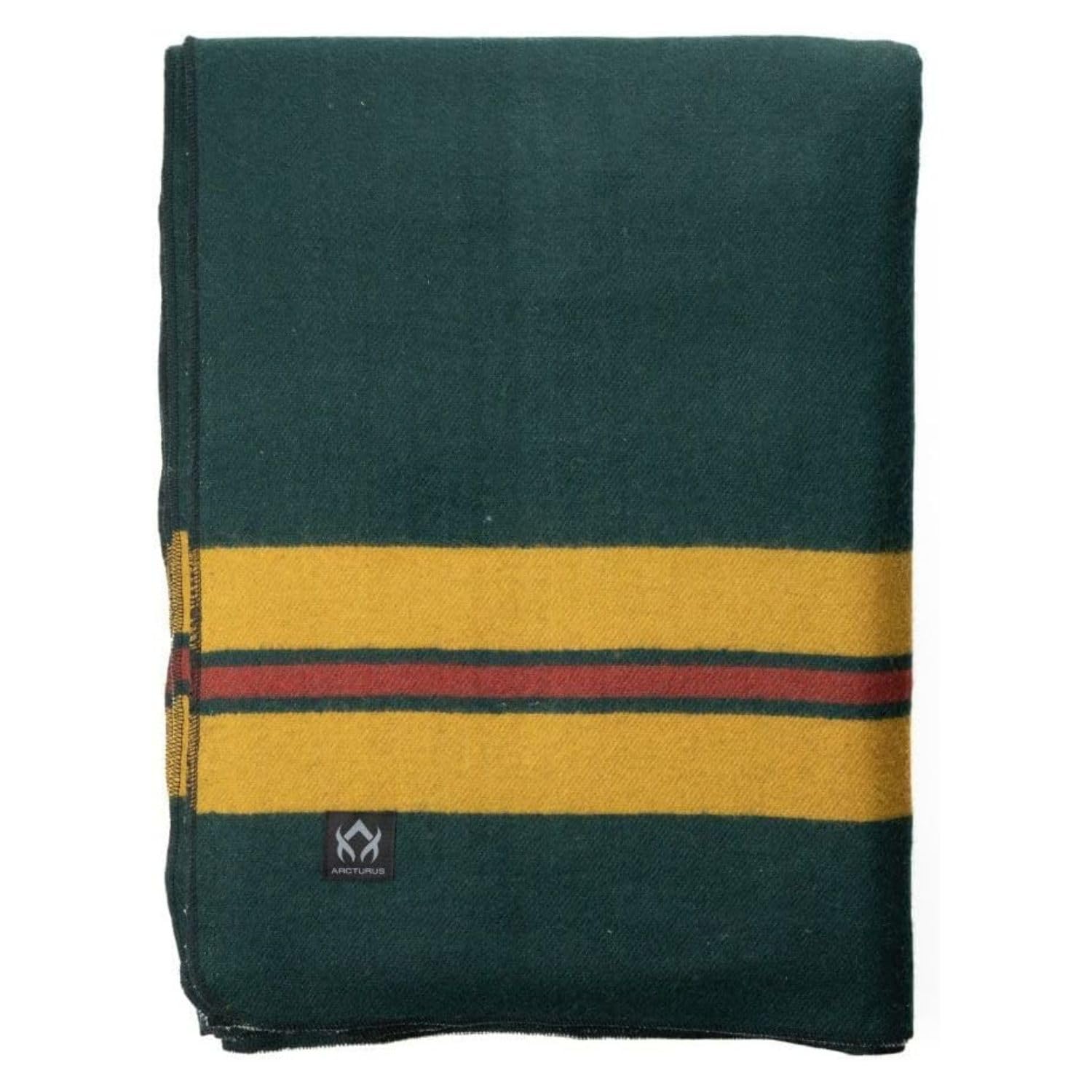
Wool and thick sherpa fleece hold heat best when the room stays cool at night. Wool also manages moisture, so it stays comfortable if you sweat a little, while polyester sherpa feels cozy but can feel clammy if the room is warmer than expected.
For layered beds
A medium weight blanket works well between the sheet and a comforter or quilt. Layering gives you the most control, because you can add or remove a layer without remaking the whole bed.
Fiber and Fill Compared
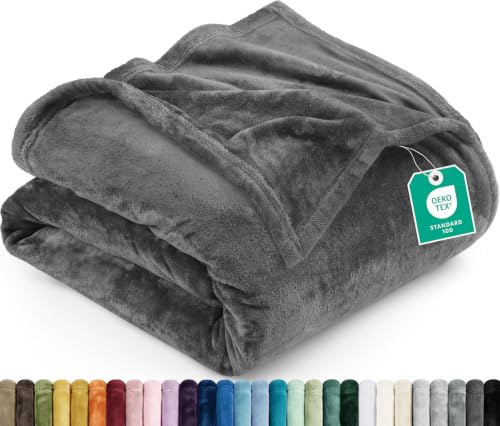
Fleece is the budget favorite: it is soft, light, dries quickly and survives hard washing, but it traps static and pills over time. Cotton and cotton knit blankets breathe well and suit three seasons. Wool is naturally warm, breathable and long lasting, though it costs more and some wool needs gentle washing. Alpaca is lighter than wool for the same warmth and feels very soft, while weighted blankets add pressure rather than heat and work best in a cooler room.
Size and Coverage
Check the listed dimensions, not just the size name. A queen bed blanket should be at least around 90 by 90 inches if you want it to overhang the sides, whereas throw sizes of about 50 by 60 inches only cover a person on a sofa. If two people share the bed, choose the next size up so neither sleeper loses coverage when the other turns over.
Budget Tiers and What Your Money Gets
Budget fleece blankets cost about $20 to $35 and suit guest rooms and seasonal swaps. Mid range cotton, cooling and thicker blended blankets usually cost about $50 to $90 and offer better stitching and softer fibers. Wool and alpaca blankets cost more, often $100 or above, and repay that with decades of use if they are cared for properly. Spend more when the extra money buys fiber quality or durability that you will notice every night.
Care and Everyday Use
Wash most blankets on a gentle cycle in cool or warm water and dry them on low heat. Wool often needs a wool cycle or hand washing, so read the label before buying if easy care matters. Air blankets outdoors on a dry day to freshen them between washes, and store spares in a dry cupboard, since damp storage causes a musty smell.
Common Mistakes to Avoid
Buying a throw size for a queen bed is the most common error, followed by buying the heaviest blanket for the coldest night and then sleeping hot for most of the year. Another mistake is ignoring the fiber label: a blanket described as soft may be thin polyester that pills after a few washes.
Related Guides Worth Reading
For general bedroom shopping see our guides to the best bedroom sets and best bedroom pillows. If you want more options, compare best quality blankets, best throws and blankets and the best heated blanket for very cold rooms.
Choosing a Blanket for Your Sleep Style
Your usual sleeping position changes what you need from a blanket. Side sleepers tend to tuck the blanket under the chin and between the knees, so a supple, drapey fabric such as a cotton knit or a fleece moves with the body and does not feel stiff. Back sleepers often prefer a flatter, evenly weighted cover that stays put, and stomach sleepers usually like a thinner blanket that does not bunch near the face.
If you share the bed, think about two different temperatures. One partner may run warm and the other cold, and a single heavy blanket rarely suits both. A common solution is a light shared blanket plus a separate throw on the colder side, or two smaller blankets in matching colors, which also ends the nightly tug of war over the cover.
Weighted Blankets and When They Make Sense
Weighted blankets are filled with glass beads or plastic pellets and sit heavier than a normal cover. Many people like the feeling of gentle pressure when they settle down, but they are not for everyone. A common guideline is to choose a weight of about ten percent of body weight, and to avoid them for young children unless a clinician has advised it. They can feel warm, so a breathable cover or a cooling fabric helps, and they usually need cool water and a gentle cycle. If you are unsure, try a lighter weight first and check that you can move freely and push the blanket off without help.
Where to Use Your Blankets Through the Year
A well stocked bedroom has three layers to mix: a light cotton or cooling blanket for summer, a medium fleece or wool blanket for the shoulder seasons and a heavier layer for the depth of winter. Because blankets are flat, they store easily in a drawer under the bed or in an ottoman. Rotating them by season also spreads wear, so each one lasts longer.
Frequently Asked Questions
How do I choose blanket warmth?
Match loft and weave to your room temperature, and remember that layering gives more control than one very heavy blanket. Wool and sherpa fleece run warmest, while cotton and thin fleece run coolest.
Are wool blankets hard to care for?
Many wool blankets need gentle washing or dry cleaning, so check the care label before buying. Machine washable wool exists, but it still prefers cool water and low heat.
What size blanket fits a queen bed?
A queen size blanket should cover the mattress with overhang on the sides, so look for dimensions of about 90 by 90 inches or larger rather than trusting the name alone.
Do heavier blankets sleep warmer?
Not always. A light, high loft blanket can trap warm air well, while a heavy flat blanket may feel cool because it holds little air. Fiber and loft matter more than weight.
How can I keep blankets fresh?
Air them regularly, wash on the label cycle and avoid storing them while damp. A breathable cotton bag works better than plastic for long term storage.
Final Thoughts
Choosing the best bedroom blankets comes down to matching fiber, size and warmth to your room and your sleep temperature. Revisit the product table above once you know which type suits you, check the dimensions against your mattress, and confirm the return terms before you order.