
Best Alpaca Blankets 2026: A Warmth Buying Guide
Disclosure: We may earn a commission when you buy through links on this page, at no extra cost to you. As an Amazon Associate I earn from qualifying purchases. Learn more

Discover alpaca blankets prized for soft warmth, light weight, and durability, and learn how to choose weight, weave, and care with ease for lasting comfort.
Best alpaca blankets offer remarkable warmth without heavy weight, since alpaca fiber traps heat efficiently while staying soft against the skin. The comparison table below sets out the main types side by side so you can compare fiber blends, weight, and weave. Alpaca blankets suit people who want cozy warmth on cold nights, a beautiful throw for the sofa, or a softer, low lanolin alternative to wool.
Alpaca fiber differs from sheep wool in softness, warmth, and lanolin content, which matters for sensitive skin. Pure alpaca costs more than blends, while blends add durability and easier care at a lower price. This guide explains fiber types, weights, and care, so you choose a blanket that feels luxurious and lasts for years.
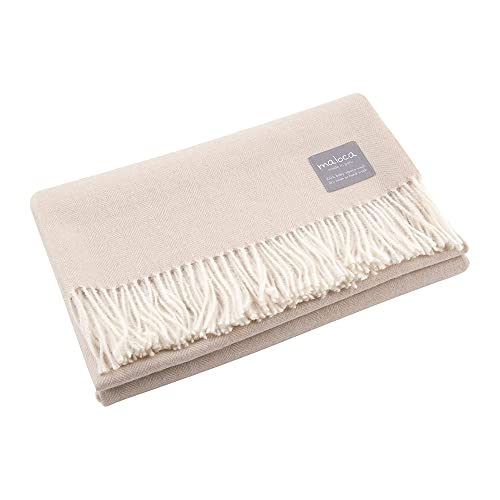
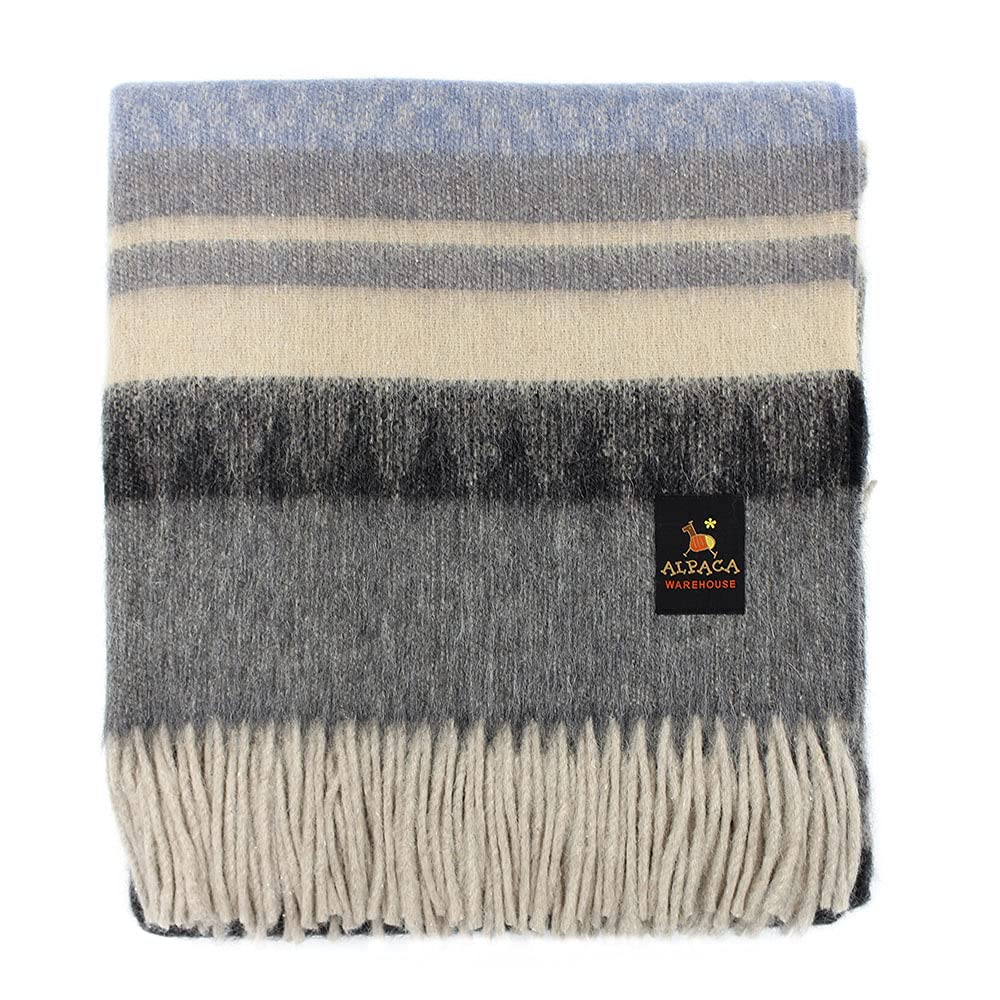


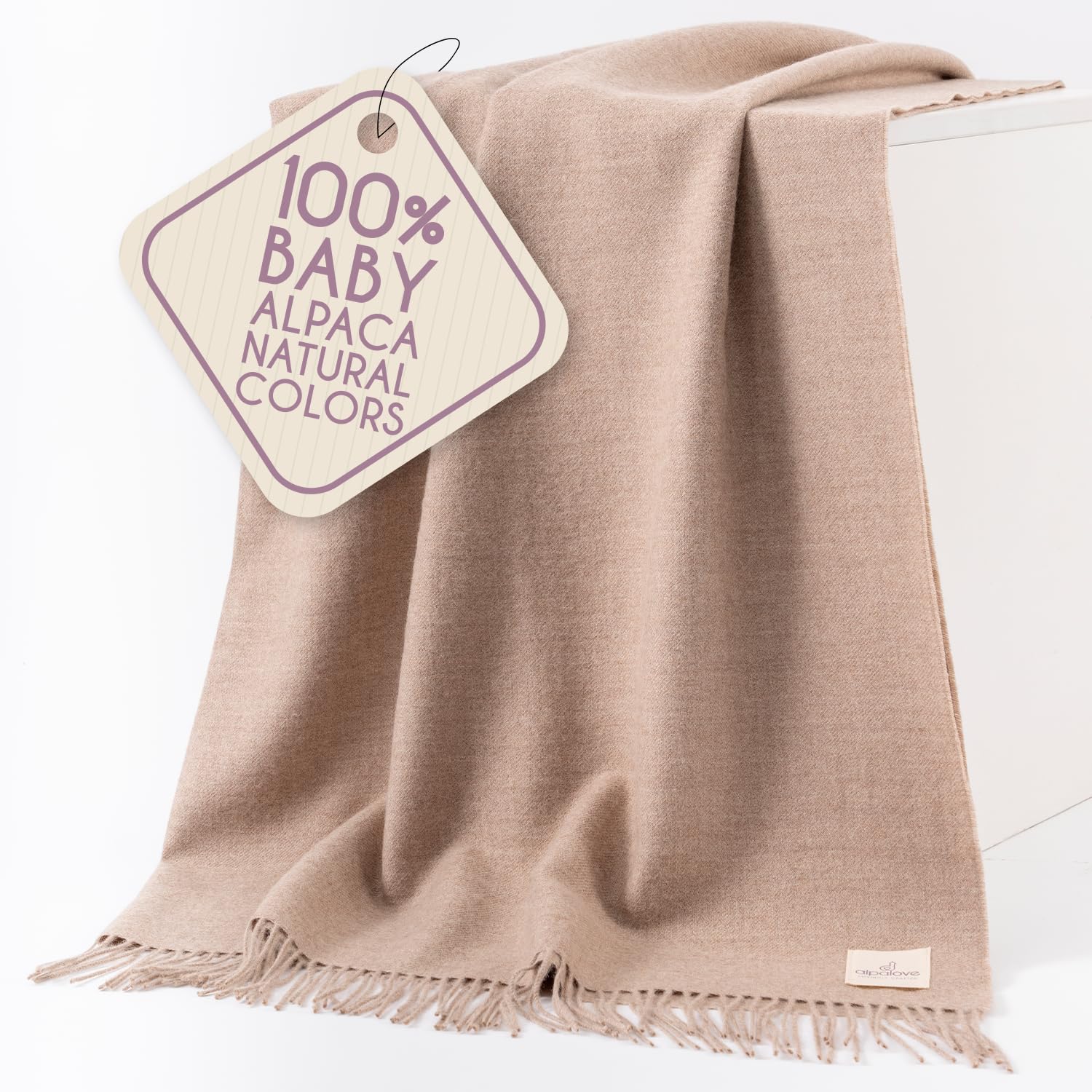
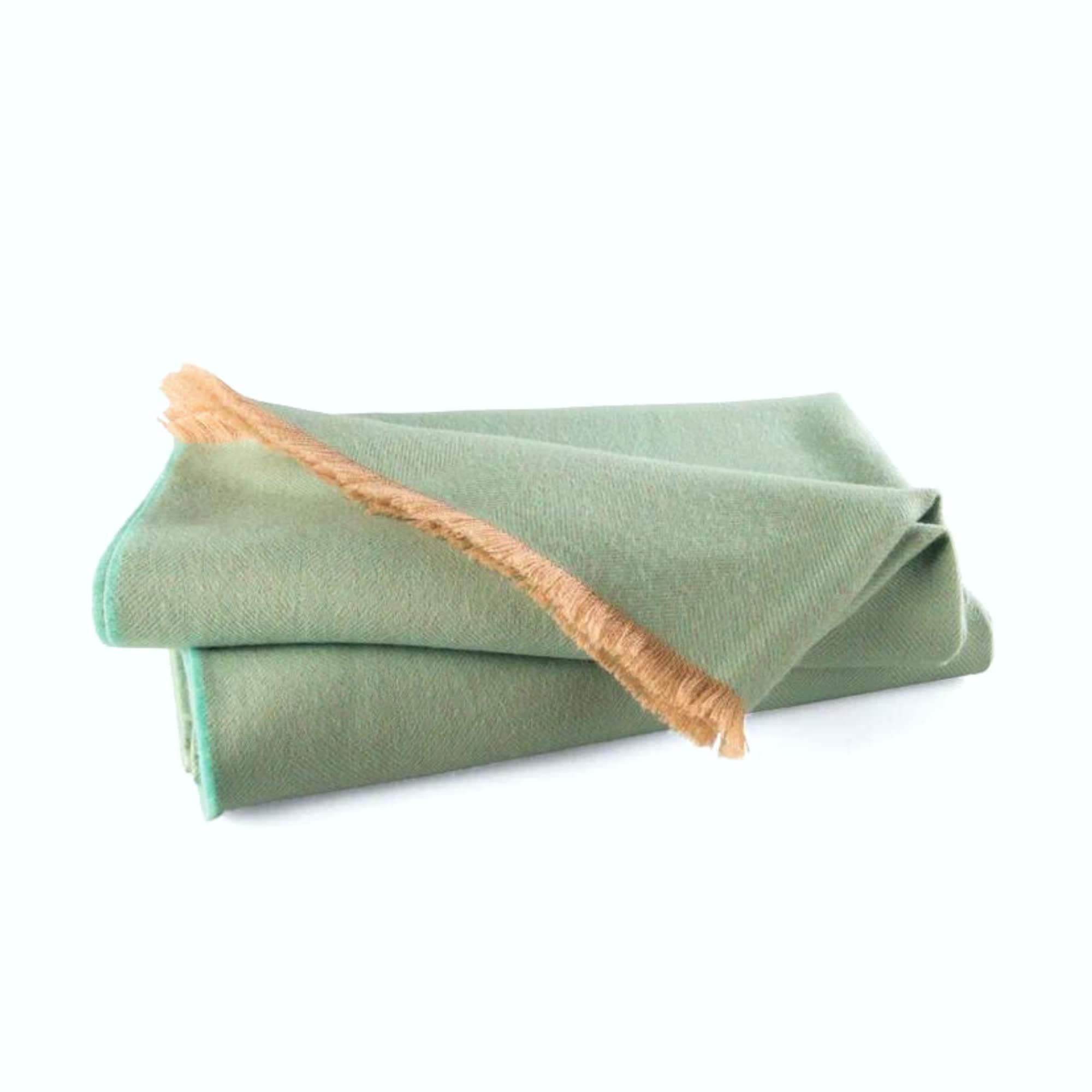


Who Should Buy an Alpaca Blanket
An alpaca blanket suits cold sleepers who want warmth without a heavy, bulky cover. It also suits people with sensitive skin, since alpaca fiber contains little lanolin compared with sheep wool. Homes in cold climates benefit most, though a light alpaca throw also suits cool summer evenings and air conditioned rooms.
If you need a blanket for very messy use, such as picnics or pet beds, a cheaper washable blanket may prove more practical. Alpaca blankets reward gentle care, so they suit beds and sofas better than rough outdoor use. Think about where the blanket will live, and choose weight and care needs to match that place.
Alpaca Blankets: Fiber Types and Blends
Alpaca fiber comes mainly from Huacaya alpacas, whose dense, fluffy fleece gives soft, springy blankets. Suri alpaca fiber feels silkier and drapes more elegantly, though it costs more and appears less often in blankets. Baby alpaca refers to the finest, softest fiber from first shearings, and it feels exceptionally gentle against skin.
Blends mix alpaca with wool, cotton, or acrylic to add strength, reduce cost, and ease washing. A high alpaca content keeps warmth and softness closest to pure alpaca, while a lower content trades some luxury for durability. Check the fiber label carefully, since a blanket marketed as alpaca may contain only a small alpaca share. Quality blanket comparisons appear in best quality blankets, while best throws and blankets covers throws generally.
Weight, Warmth, and Weave
Weight decides warmth and drape, with heavier blankets feeling cozier and lighter throws suiting layering. A medium weight alpaca blanket often warms as well as a much heavier wool blanket, thanks to efficient fiber insulation. Consider your climate, your bedding layers, and whether you sleep hot or cold before choosing weight.
Weave affects texture and durability, with tightly woven blankets resisting pilling and loose weaves feeling softer but wearing faster. A brushed finish feels extra soft, while a flat weave shows pattern more crisply. Handle blankets in person when possible, since photos cannot convey softness, weight, or drape accurately. Heated alternatives are covered in best heated blanket for people who want adjustable warmth.
Size and Styling
Size should match the bed or sofa where the blanket will live, with enough overhang to tuck or drape attractively. A throw suits sofas and single chairs, while a full blanket should cover the bed with room to spare. Measure your bed or sofa before ordering, since blanket sizing varies between makers.
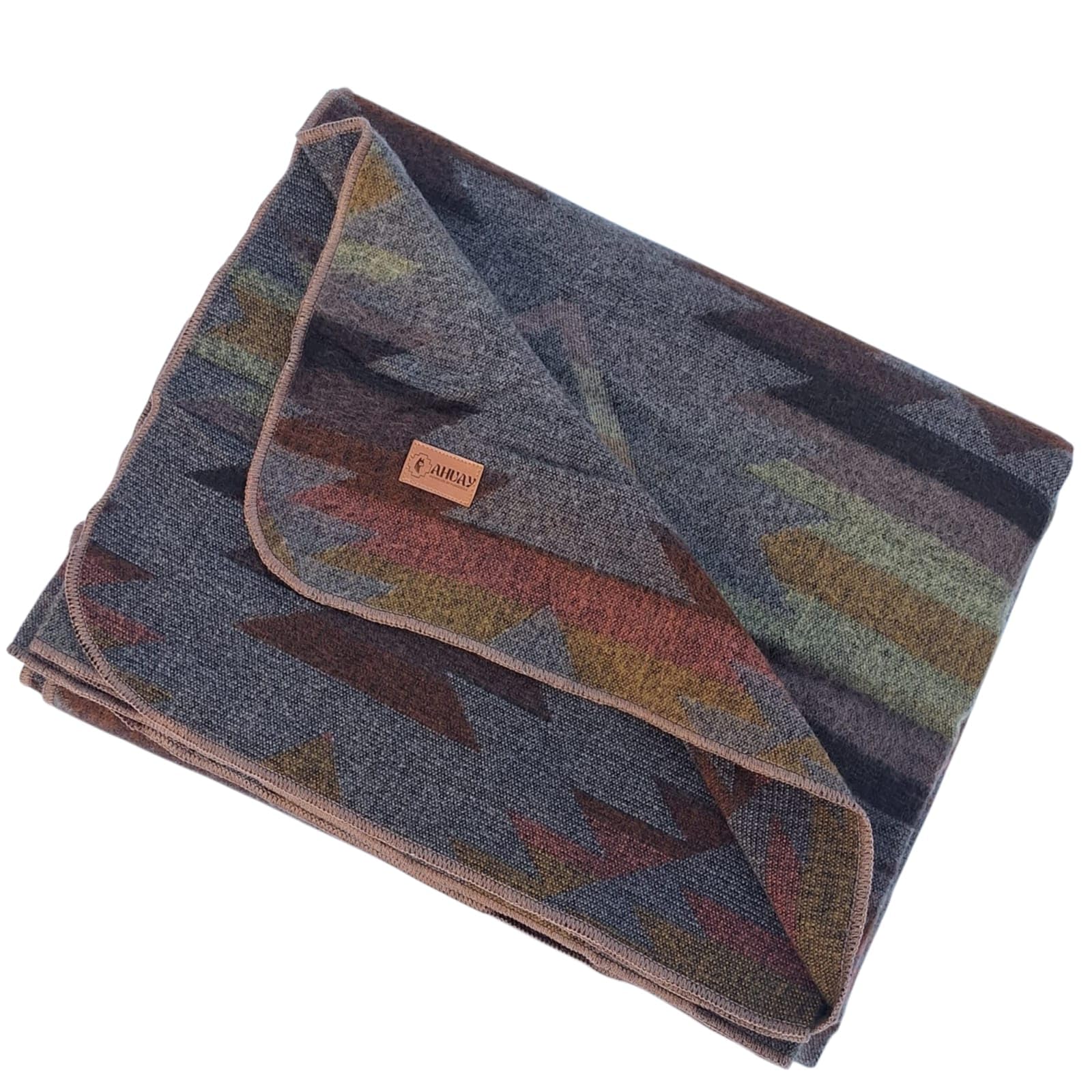
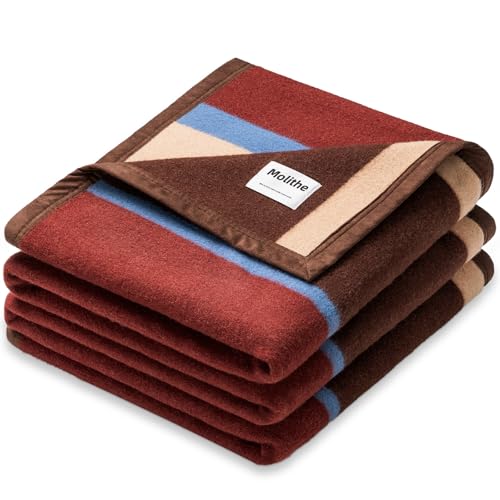
Color and pattern matter for a blanket that stays visible in a living space. Natural alpaca shades suit calm interiors, while dyed colors add warmth and personality. Favor colors that complement your room, since a beautiful blanket you love looking at will earn far more use than one chosen purely on specs.
Care and Longevity
Alpaca blankets need gentle care to stay soft for years. Most makers recommend dry cleaning or gentle hand washing in cool water, followed by flat drying away from direct heat. Avoid harsh detergents and vigorous washing, which felt and shrink natural fibers.
Store alpaca blankets clean and dry, protected from moths with cedar or lavender rather than harsh chemicals. Air blankets outdoors on dry days to freshen them without washing. With gentle care, a quality alpaca blanket can last for decades and soften beautifully with age.
Mistakes to Avoid
The most common mistake is buying an alpaca blend without checking the fiber content, then wondering why it feels less soft than expected. Another mistake is washing a pure alpaca blanket harshly, which shrinks and felts the fibers permanently. Read care labels before the first wash, not after a mishap.
Many buyers also choose the wrong weight for their climate, ending up too hot or too cold. Consider your existing bedding layers, and favor a medium weight blanket you can layer rather than an extreme weight that suits only the coldest nights.
Layering Alpaca for Comfort Through the Seasons
Alpaca blankets layer beautifully across seasons, serving as a sole cover on cool nights and as a warm middle layer under a heavier quilt in deep winter. Experiment with layering before buying a heavier blanket, since an alpaca throw over a light sheet often warms as well as a bulky winter cover while staying easier to manage. Layering also lets you adjust through the night, pushing a layer aside when warm and pulling it back when cool.
Color and texture layering matters in living spaces too, where an alpaca throw over a sofa adds warmth and visual richness without overwhelming the room. Drape the throw casually rather than folding it perfectly, since natural drape shows off alpaca softness and invites use. A throw that looks inviting gets used daily, while one kept pristine in a cupboard gives no comfort at all.
Gift giving suits alpaca blankets particularly well, since a beautiful, warm throw feels personal and luxurious without the sizing risks of clothing. Choose a neutral color and a medium weight when buying for someone else, and include care instructions so the recipient can enjoy the blanket without fear of ruining it. A thoughtful blanket gift often becomes a household favorite that reminds the recipient of the giver on cold evenings for years.
Frequently Asked Questions
Are alpaca blankets warmer than wool blankets?
Alpaca blankets often feel warmer than wool blankets of similar weight, since alpaca fiber insulates efficiently while staying lighter. Many sleepers find a medium weight alpaca blanket warms as well as a heavier wool blanket. Individual warmth also depends on weave, layers, and room temperature. Choose weight based on your climate and sleep habits rather than fiber claims alone.
Are alpaca blankets good for sensitive skin?
Alpaca blankets suit many people with sensitive skin, since alpaca fiber contains little lanolin compared with sheep wool. The soft, smooth fiber also irritates skin less than coarser wool types. Individual sensitivity still varies, so check a small area first or choose a high quality, finely woven blanket when skin reactions concern you. Wash new blankets gently before first use to remove surface dust.
How do I wash an alpaca blanket?
Wash an alpaca blanket gently by hand in cool water with a mild detergent made for natural fibers, then dry it flat away from direct heat. Many makers recommend dry cleaning instead, especially for large or pure alpaca blankets. Avoid hot water, vigorous agitation, and tumble drying, which shrink and felt alpaca fiber. Always read the care label first, since blends may allow different care.
Do alpaca blankets pill or shed?
Alpaca blankets may pill slightly with friction, especially softer, loosely woven styles, though quality blankets pill less than cheap ones. Remove pills gently with a fabric shaver rather than pulling them, which damages fibers. Some shedding occurs when new, and it usually settles with use and gentle care. Tightly woven blankets and higher quality fiber resist pilling and shedding better over time.
Are alpaca blankets worth the higher price?
Alpaca blankets are worth the higher price when you value light warmth, softness, and long life in a blanket you use daily. Quality alpaca lasts for years with gentle care and often outlives cheaper blankets that flatten or pill quickly. Blends offer a lower cost entry while keeping much of the warmth and softness. Judge value by years of comfortable use, not by the price tag alone.
Final Thoughts
Best alpaca blankets reward buyers who check fiber content, weight, and care needs before falling for softness alone. Use the product table above to compare blends, weights, and weaves, then choose the blanket that suits your climate and your home. A well chosen alpaca blanket brings light, lasting warmth that cheaper blankets struggle to match.
Read the care label, store the blanket clean and dry, and enjoy how it softens with age. With gentle care, an alpaca blanket can become a long lived favorite for cold nights and cozy evenings alike.


