Best Bed Wedge Pillows in 2026: What Your Money Gets You at Every Price
Disclosure: We may earn a commission when you buy through links on this page, at no extra cost to you. As an Amazon Associate I earn from qualifying purchases. Learn more

Compare best bed wedge pillows by price tier, incline height, foam layers, and cover care to see where extra money truly improves comfort.
Bed wedge pillows sell at almost every price point, from simple foam triangles to tall, layered wedges. The confusing part is that a higher price does not always buy a better night, because the right wedge depends on the incline you need and how you plan to use it. Shoppers comparing the best bed wedge pillows usually get the best value by matching height, firmness, and cover quality to their own routine first.
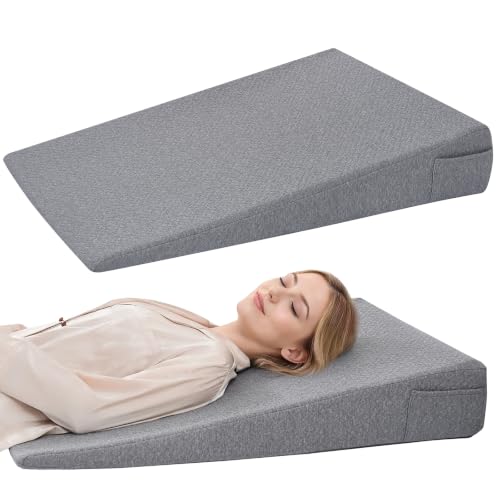
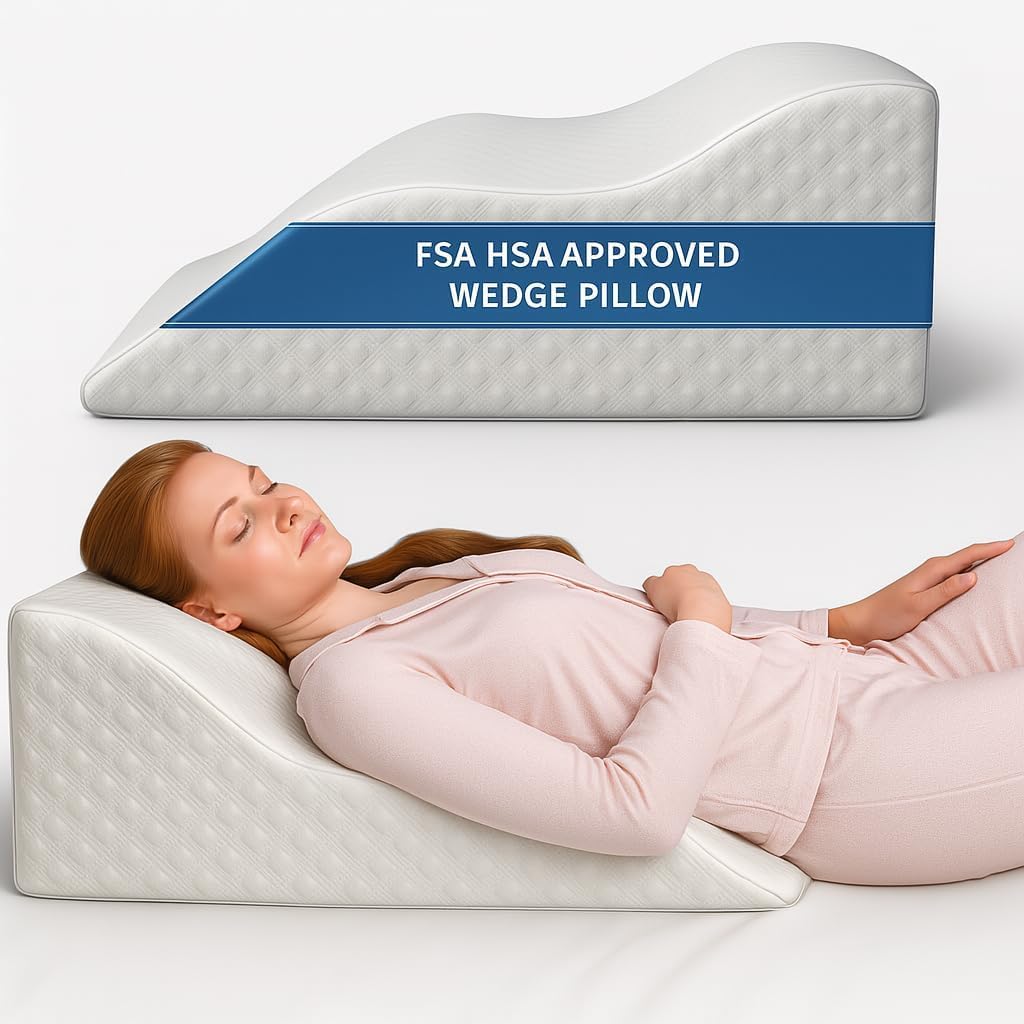
This guide walks through the three spending levels, the features that are worth paying for, and the extras you can safely skip. If your real problem is a flat pillow rather than your body angle, compare standard options in our guide to the best bed pillows first. The product table lays the main wedge options side by side, so incline, foam, and price are easy to compare.



What Your Money Gets You at Each Price Tier
Prices cluster into three bands. Lower prices buy the basic shape and little else, while higher prices mostly buy better foam, better covers, and more size choices.
Budget Tier: About $25 to $40
Budget wedges are usually a single block of plain foam with a basic cover that may not come off for washing. The incline is fixed, the edges can feel soft after a few months, and sizes are limited to one or two heights. For occasional use, such as propping up after a heavy evening meal or elevating your legs after a long day on your feet, this tier does the basic job. Just expect the foam to lose some height within a year of nightly use.
Midrange Tier: About $40 to $80
This is the level most nightly users should start with. You typically get a firm base foam with a softer top layer, a removable cover you can machine wash, and a choice of heights around 7.5, 10, or 12 inches. Foam at this level holds its angle far longer, and the cover fabrics feel less scratchy against the skin. If you sleep on an incline every night, the extra spend shows up as comfort that stays consistent month after month.
Premium Tier: About $80 to $150
Premium wedges add taller or wider builds, cooling cover fabrics, and sometimes a two piece design that works for both sleeping and sitting up. The foam is denser, the stitching is cleaner, and replacement covers are easier to find. This tier makes sense for couples who need a wider wedge, tall readers who need more length, or anyone whose doctor suggested a specific incline. For occasional use, though, the gains over the midrange tier are small.
Features Worth Paying For (and Ones to Skip)
Incline Height and Angle
Height is the decision that matters most, because it sets the angle your upper body rests at. A 7.5 inch wedge gives a gentle lift that suits reading and mild nighttime discomfort after big meals, while 10 and 12 inch wedges raise the torso much more and take a night or two to get used to. A taller wedge is not automatically better, since a steep angle can slide you down toward the foot of the bed. Start with the lowest height that matches your goal, and size up only if you still feel flat.
Foam Layers and Firmness
A single soft foam block feels fine for a week, then slowly flattens where your shoulders rest. Better wedges pair a firm support base with a thinner memory foam top layer, so the angle stays true while the surface still cushions your back. Read the firmness description carefully, because a wedge that feels plush in the first hour can feel mushy by month three. If you are a heavier sleeper, choose the firmest build in your tier, because body weight compresses foam faster.
Cover Fabric and Washability
The cover is the part you actually touch all night, so it deserves part of your budget. Removable covers with a zipper can go in the wash, which matters because a wedge sits close to your face and hair for hours. Cotton and brushed microfiber covers feel soft right away, while quilted covers add a little padding over firm foam. If you are refreshing the rest of the bed at the same time, see our guide to the best bed sheets for fabrics that pair well with an inclined setup.
Size and Folding Designs
Standard wedges run about 24 inches wide, which suits one sleeper, while wide models reach 30 inches or more for readers who spread out. A longer wedge supports the full back down to the hips and feels steadier than a short one that ends at the waist. Folding wedges adjust between a low sleep incline and a steep sitting angle, so they double as backrests. If you mostly read or watch television in bed, compare shapes in our guide to the best bed reading pillows before deciding you need a wedge at all.
Certifications and Extras You Can Skip
CertiPUR US foam certification means the foam was checked for certain emissions and content standards, and OEKO TEX labels on a cover speak to fabric safety checks, so both are reasonable quality signs. Beyond that, many extras add cost without adding comfort, such as scented foam, gel beads you cannot feel through a cover, and bundled pillowcases in colors that match nothing else in your room. Spend on foam quality and a washable cover first. Certifications are a tiebreaker between two similar wedges, not a reason to jump a full price tier.
Using a Wedge for Comfort, Not Treatment
A wedge changes the angle of your body, and that angle can feel more comfortable for reading, for resting after meals, or for keeping your head raised at night. Keep expectations in the right place, though: a wedge pillow is a comfort and positioning aid, not a treatment for any health condition, and it cannot replace medical care. If you rely on a wedge because of nighttime discomfort that keeps returning, loud snoring, swollen legs, or pain that will not ease, ask your doctor about the cause rather than raising the incline higher.
Shoppers whose doctor has already suggested sleeping inclined often start with the options in our guide to the best wedge pillows for gerd and match the height to that advice.
Long Term Costs to Factor In
The wedge itself is only part of the cost. A quality replacement cover runs about $15 to $30, and you may want a second cover so one is always clean while the other is in the wash. Foam slowly softens with nightly use, so plan on replacing a budget wedge in about a year and a midrange or premium wedge in about two to three years. Budget for a small pillow under your knees if you slide down at night; it is a common and cheap fix.
Frequently Asked Questions
What incline height should I choose for a bed wedge pillow?
Start lower than you think, because most sleepers adjust best to a 7.5 or 10 inch wedge before trying anything steeper. You can try the angle at home first by stacking firm pillows or folded blankets into a rough slope for two nights and noting how your back feels in the morning. If you wake up slid down near the foot of the bed, the angle is too steep. Choose the lowest height that still gives the raised feeling you want.
Can I use a regular pillow on top of a bed wedge pillow?
Yes, but keep it thin, because a thick pillow on top of a wedge bends your neck forward and undoes the smooth angle the wedge creates. A slim pillow or a folded towel under your head is usually enough to cushion the surface. Side sleepers sometimes prefer a small pillow tucked under the cheek instead. If you wake with a stiff neck, the pillow on top is the first thing to remove, since the wedge alone often gives a cleaner line from hips to head.
How do I stop sliding down a bed wedge pillow at night?
Place a pillow under your knees, because bent knees anchor your body and stop the slow slide that a smooth slope encourages. Cotton pajamas and cotton sheets grip better than silky fabrics, so change the bedding before you blame the wedge. A lower height also slides less than a tall one. Some sleepers put the wedge under the mattress topper or fitted sheet, which holds it in place and softens the edge where the wedge meets the flat bed.
How often should I replace a bed wedge pillow?
Replace it when the foam stops springing back, not just when the calendar says so. Press the thick end firmly and watch: healthy foam pushes back within a few seconds, while tired foam keeps the dent. A visible sag where your shoulders rest, or morning stiffness that returns after a good first month, also signals the end. Rotating the wedge end to end every month spreads the wear and can stretch its useful life by several months.
How do I wash a bed wedge pillow safely?
Wash only the removable cover, because the foam core should never go through a washing machine or soak in a tub. Spot clean the foam with a cloth dampened with mild soap and water, then let it air dry completely before the cover goes back on, since trapped moisture leads to musty smells. Wash the cover on a gentle cycle and dry it on low heat so the zipper and seams last. If the foam itself develops an odor, a day of fresh air outdoors usually clears it.
Final Thoughts
Choosing among the best bed wedge pillows comes down to three checks: the incline height that matches your goal, foam firm enough to hold that angle, and a cover you can wash without a fight. Most nightly users land happily in the midrange tier, while occasional users can save with a simple budget wedge. Look back at the product table, compare the heights and prices side by side, and pick the wedge that fits how you actually sleep.