Best Bedroom Benches for 2026: Which One Fits the Way You Use It?
Disclosure: We may earn a commission when you buy through links on this page, at no extra cost to you. As an Amazon Associate I earn from qualifying purchases. Learn more
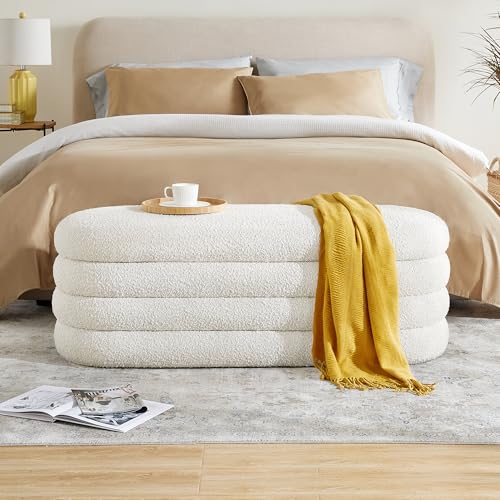
Compare the best bedroom benches by seat height, length, storage and frame strength to find one that fits your room and routine.
There is no single bench that suits every bedroom, because a bench used for dressing in the morning is not the same as a bench used to store blankets at the foot of a bed. The best bedroom benches are the ones that match your routine, your room size and the way you actually live with the piece day to day. This guide walks through the choice by use case, size, build and style, and the product table helps you narrow the options before you spend.
Start by deciding where the bench will sit and what job it must do. A bench that is too long will crowd a walkway, while a bench that is too low can feel awkward to sit on. Measure your space, note how many people will use the bench, and think about storage needs before you compare finishes or fabrics.
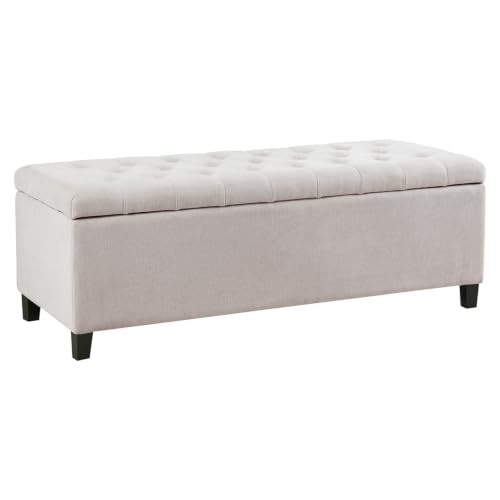
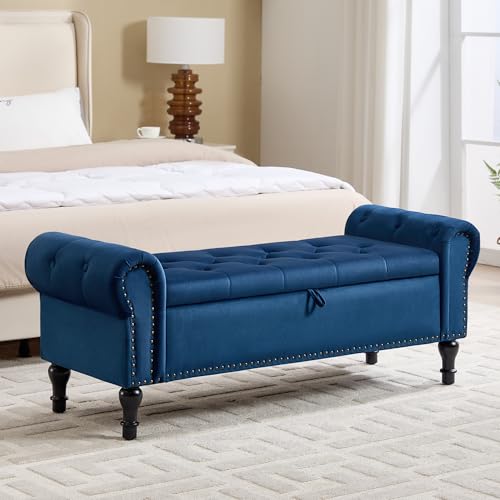
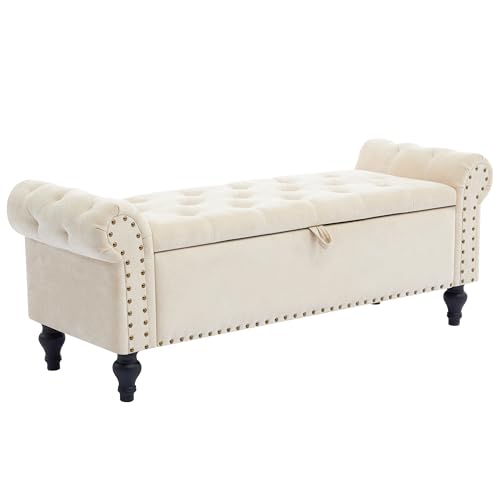


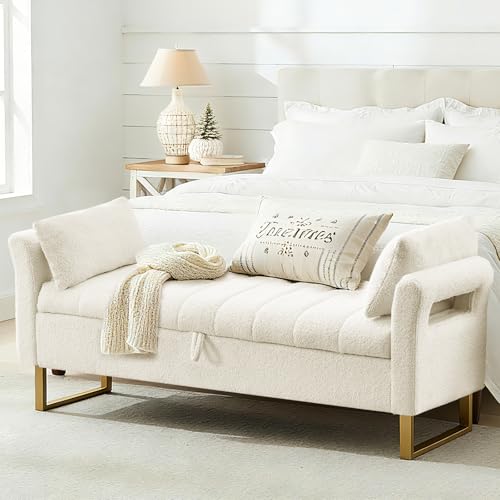
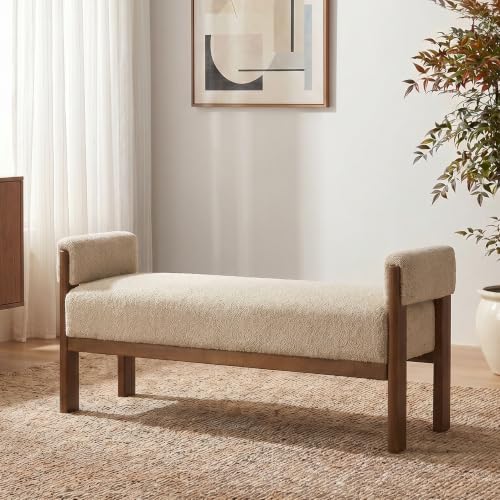
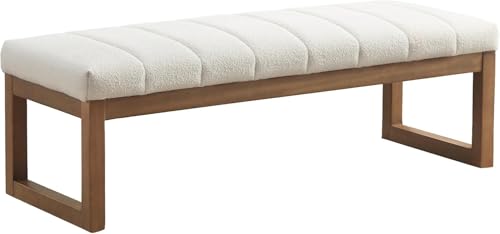
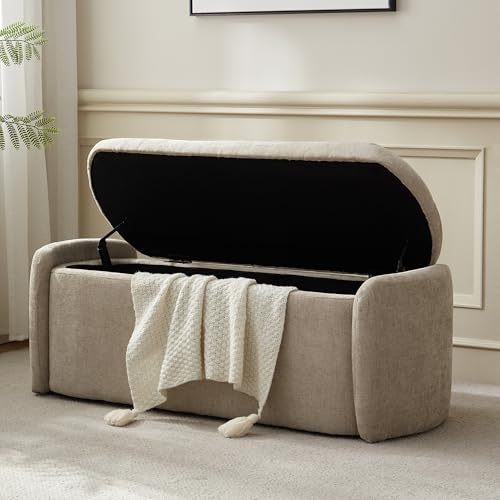
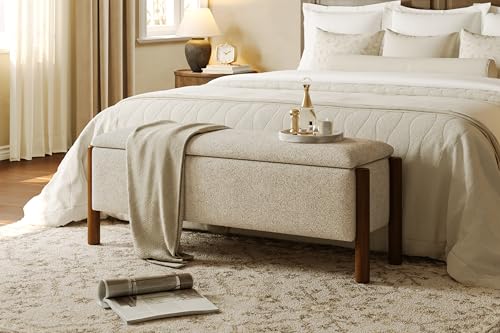
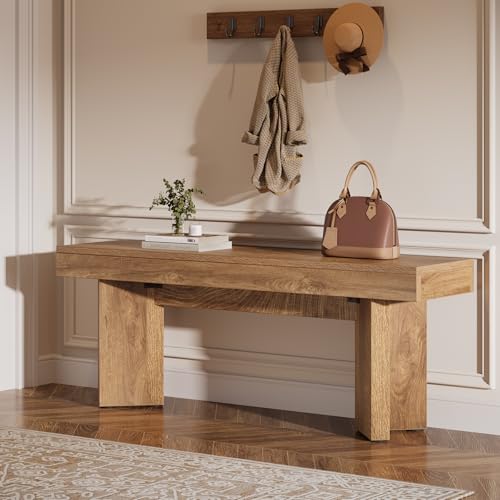
Who Should Buy Which of the Best Bedroom Benches?
Different routines call for different benches, so match the design to the job first and the look second.
For Daily Dressing and Seating
If you sit on the bench every morning to dress, comfort matters more than decoration. Look for a seat height close to your bed height, a firm cushion that holds its shape, and a depth that lets you sit without sliding forward. A bench with a smooth, wipeable surface or a removable cover is easier to live with in a busy routine, and rounded corners are kinder on shins in a tight room.
For Extra Storage at the Foot of the Bed
A storage bench earns its place when it hides blankets, spare pillows or out of season clothes without looking bulky. Check the inside depth and the lid action before you buy, since a lid that slams or sticks will annoy you every day. A bench that matches your bed width looks balanced, and a flat top still gives you a place to lay out clothes for the next day.
For Small Rooms and Flexible Use
In a small room, a bench must earn every inch it takes up. A slimmer profile, open legs that let light pass underneath and a lighter frame all help a room feel less crowded. Consider a bench you can move easily, so it can serve as extra seating when guests visit and return to the foot of the bed afterwards. If floor space is very tight, a backless design keeps sight lines open.
Key Features to Compare
Use these factors to compare benches on equal terms, and judge each one against the spot where it will actually sit.
Length, Height and Seat Depth
Length should relate to your bed or wall, not to the largest bench you can find. A bench about two thirds the width of a queen bed usually looks right, while a bench for a single wall can be shorter. Seat height near 18 to 20 inches suits most adults, and a seat depth near 16 to 18 inches gives support without pushing you forward. Always measure doorways and walkways too, so the bench fits on arrival.
Frame Strength and Weight Capacity
The frame decides how steady a bench feels and how long it lasts. Solid wood and sturdy metal frames tend to stay rigid under daily use, while a light frame may wobble when someone sits down quickly. Check the stated weight capacity and compare it with real use, including two people sitting at once or a child climbing up. A bench that flexes or creaks in the first weeks is a sign the frame is too light for the job.
Storage and Design Details
Storage benches come with lift up lids, drawers, open shelves or baskets, and each style suits a different habit. A lift up lid hides clutter in one move, while open shelves suit items you reach for often. Drawers keep small things sorted but need clearance to open fully.
Look at hinges, handles and interior finish as well, since rough edges can snag blankets and weak hinges wear out fast. If you plan to pair the bench with new bedding, see our guide to the best bedroom blankets for sizes and materials that fold neatly inside a bench.
Upholstery and Care
Upholstery sets the comfort level and the cleaning routine. Tightly woven fabric resists snags, leather style covers wipe clean, and a removable cover is a practical win in a room used by kids or pets. Ask how the cushion attaches, whether it can be spot cleaned, and how the fabric handles sunlight near a window. A bench you can keep clean without special products will look better for longer, and a firm cushion keeps its shape better than a very soft one.
Style and Room Fit
Style should echo the room rather than fight it. A bench with legs that match your bed frame ties the room together, while a contrasting finish can work as a deliberate accent if the shape stays simple. Think about the rug, the wall color and the amount of wood already in the room before choosing a finish.
A bench that blends in will feel like part of the room, not an afterthought, and it will still suit the space if you change bedding later. When you refresh the whole room, our guide to the best bedroom sets can help you match the bench to the wider furniture plan.
Common Mistakes to Avoid When Buying Bedroom Benches
- Choosing by price alone, then finding the frame wobbles or the cushion flattens within months.
- Skipping measurements, so the bench blocks a drawer, a door swing or the path around the bed.
- Buying a bench that is too long for the bed, which makes the room look crowded and unbalanced.
- Ignoring the weight capacity, especially when two people will sit on the bench at once.
- Forgetting to check the return and warranty terms before ordering a large piece online.
Tips to Get the Most From Your Bedroom Bench
Place a small mat or felt pads under the legs to protect floors and reduce noise when the bench moves. Wipe the frame and cushion down regularly, and tighten bolts every month or two, since daily sitting slowly loosens fixings. Rotate cushions if the design allows it, so wear spreads evenly.
If the bench sits in sunlight, shift it occasionally or add a throw to slow fading. These small habits keep a bench steady, quiet and good looking for years.
Bedroom Benches: Your Questions Answered
Is a bedroom bench quiet enough for an apartment?
Yes, most bedroom benches are quiet when the frame is solid and the legs have felt pads or rubber feet. Noise usually comes from loose bolts, a hollow frame or legs dragging on a hard floor, all of which are easy to fix. Tighten the fixings on arrival, add pads under each leg, and place a rug under the bench if the floor is bare. A storage bench with soft close hinges is quieter than one with a lid that drops, so check the hinge design if early mornings matter in your home.
How long does a bedroom bench last?
A well built bench can last many years, while a lightly built one may loosen or sag within a year of daily use. Frame material, joint quality and cushion density matter more than the price tag alone. Solid joints, a sturdy frame and a firm cushion tend to age gracefully, while thin legs and stapled joints wear out sooner.
Regular tightening and gentle cleaning extend the life further. If you use the bench daily, spending a little more on build quality usually pays off over time.
How much space do I need for a bedroom bench?
Allow the bench length plus at least 24 inches of clear walkway in front of it, so you can pass comfortably and open nearby drawers. At the foot of a bed, leave room to make the bed without moving the bench every day. Measure the wall or bed width, the doorway the bench must pass through, and any nearby furniture that swings open. A tape measure takes two minutes and prevents the most common regret, which is a bench that fits the room on paper but blocks daily movement.
Which bedroom bench is better for beginners?
Beginners do best with a simple, sturdy bench in a neutral finish and a standard size. Avoid unusual shapes, fragile materials or complex storage mechanisms until you know how you use the piece. A plain bench with a firm seat, solid legs and easy care fabric is forgiving and flexible.
It works at the foot of a bed, against a wall or as extra seating, and it still suits the room if you redecorate later. Simple designs also tend to cost less and assemble faster.
Do I need matching pillows or bedding for a bedroom bench?
No, a bench does not need matching pillows or bedding to look right, but a shared color or texture helps the room feel planned. One or two cushions in a tone already present in the room are enough, and they add comfort without clutter. If you like a layered look, choose pillow sizes that suit the bench length so nothing overhangs the edges. For ideas on sizes and fills, see our guide to the best bedroom pillows before you buy extras you may not need.
Final Thoughts
The right bench is the one that fits your space, supports your routine and stays steady under daily use. Measure first, compare frame strength and seat comfort, and choose storage only if you will truly use it. A simple, well built bench usually beats a flashy one that crowds the room. Use the product table above to compare the best bedroom benches by size, build and price, then pick the one that earns its place in your bedroom.