Best Bed Throw Pillows: What Matters Most in 2026
Disclosure: We may earn a commission when you buy through links on this page, at no extra cost to you. As an Amazon Associate I earn from qualifying purchases. Learn more

Compare the best bed throw pillows by size, fill, cover fabric and arrangement, with a buyer checklist for queen and king beds and simple care tips.
Throw pillows are the finishing layer on a bed, but the wrong sizes or flat inserts can make a neat bed look tired. The best bed throw pillows add color and texture, hold their shape when you lean against them, and come off the bed easily at night. This guide gives you a clear checklist so you can judge the product table by size, fill and fabric, not by photos alone.
Start with the job you need done. Some beds need only two accent pillows for a clean look, while others need a layered row that supports reading. The sections below match each goal to the right count, shape and cover.




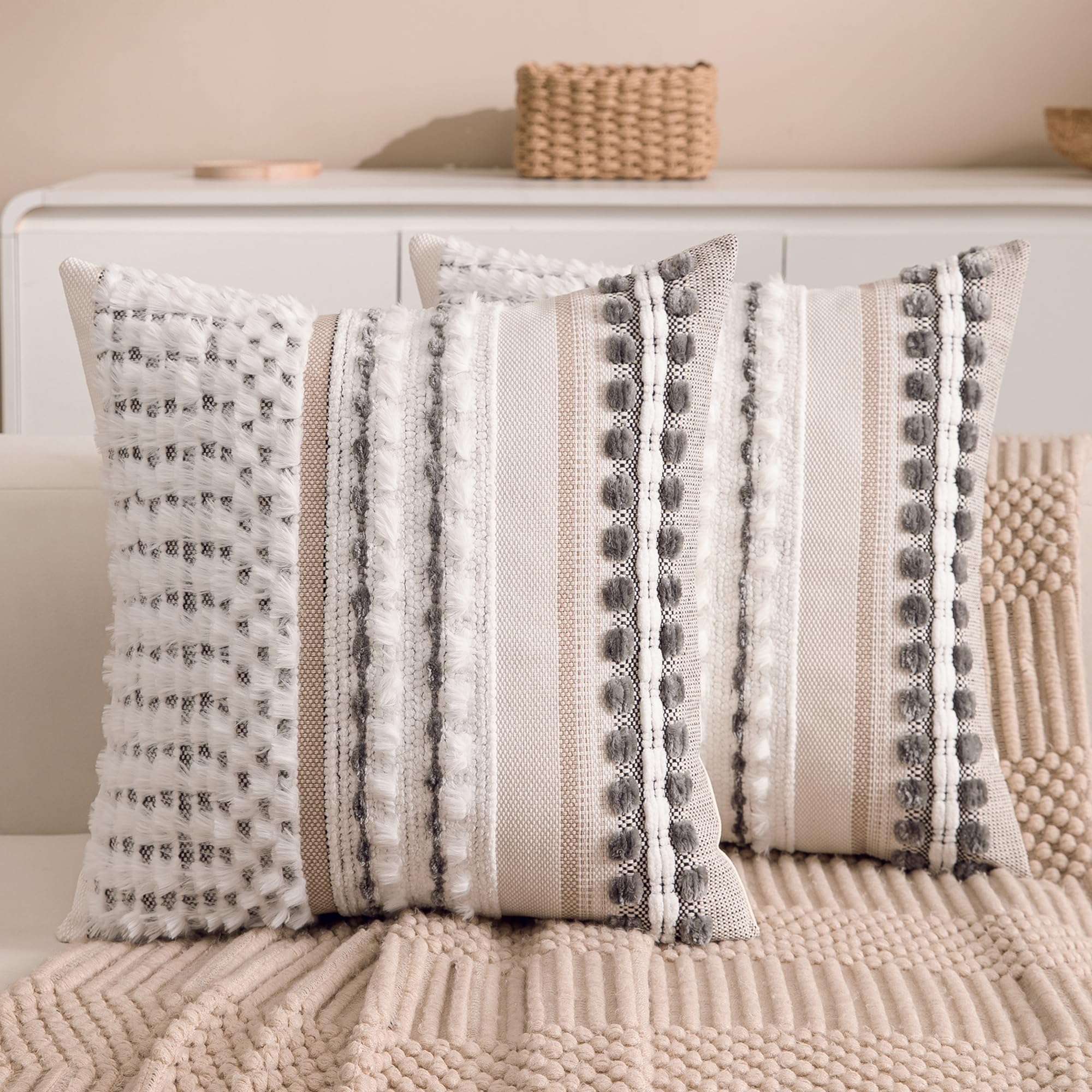
Who Should Buy Which Bed Throw Pillows?
Buy for the way your bed is actually used each day. A pillow that is purely decorative can be soft and light, while one you lean on every evening needs firmer fill and a stronger cover.
Homeowners Building a Layered Decorative Bed
You want the styled look of layered bedding without buying a full new set. Choose two or three shapes in a shared color family, such as a large square pair at the back and one long lumbar pillow in front. Texture matters more than bold pattern here, since varied weaves add depth while the palette stays calm. Keep sleeping pillows behind the row, and see our guide to the best bed pillows if that base layer needs replacing.
Readers and Loungers Who Lean Back in Bed
You sit up in bed to read or watch a show, so your throw pillows work as back support for an hour or more. Choose fuller inserts that stay plump under your shoulders and a lumbar shape that fills the curve of your lower back. A single soft accent pillow will slide flat quickly. For long sessions, compare our guide to the best bed reading pillows, built for extended sitting support.
Guest Room Hosts and Rental Owners
You need a bed that looks welcoming in minutes and survives frequent washing. Choose covers with zippers you can remove and launder between guests, and pick down alternative fill that returns to shape after a quick fluff. Stick to two or three pillows per bed, since a large stack slows every change of bedding. Neutral covers with one patterned accent keep the room flexible.
Key Features to Compare
Compare these factors in order, since size and fill shape the whole result. When you compare best bed throw pillows side by side, a listing that hides its insert size or cover fabric is asking you to guess at the two details that matter most.
Size and Shape for Your Bed Width
Common square sizes are 18 by 18 inches and 20 by 20 inches, with larger 22 by 22 inch and 26 by 26 inch Euro squares for the back row on wide beds. Lumbar pillows are usually about 12 by 20 inches or 14 by 36 inches and sit in front as the final accent. On a twin bed, one square and one lumbar pillow are often enough. On a queen or king bed, pairs of squares build the width you need without crowding the sleeping space.
Fill, Loft and Shape Retention
Down fill feels soft and molds to your back, but it needs daily fluffing and can bother dust sensitive sleepers. Down alternative and polyester fill cost less, hold a crisper edge and suit guest rooms well. A good insert feels full at the corners and springs back after you press it. Buy inserts about 1 to 2 inches larger than the cover for a plump look, since an insert cut to the exact cover size usually looks flat.
Cover Fabric, Texture and Breathability
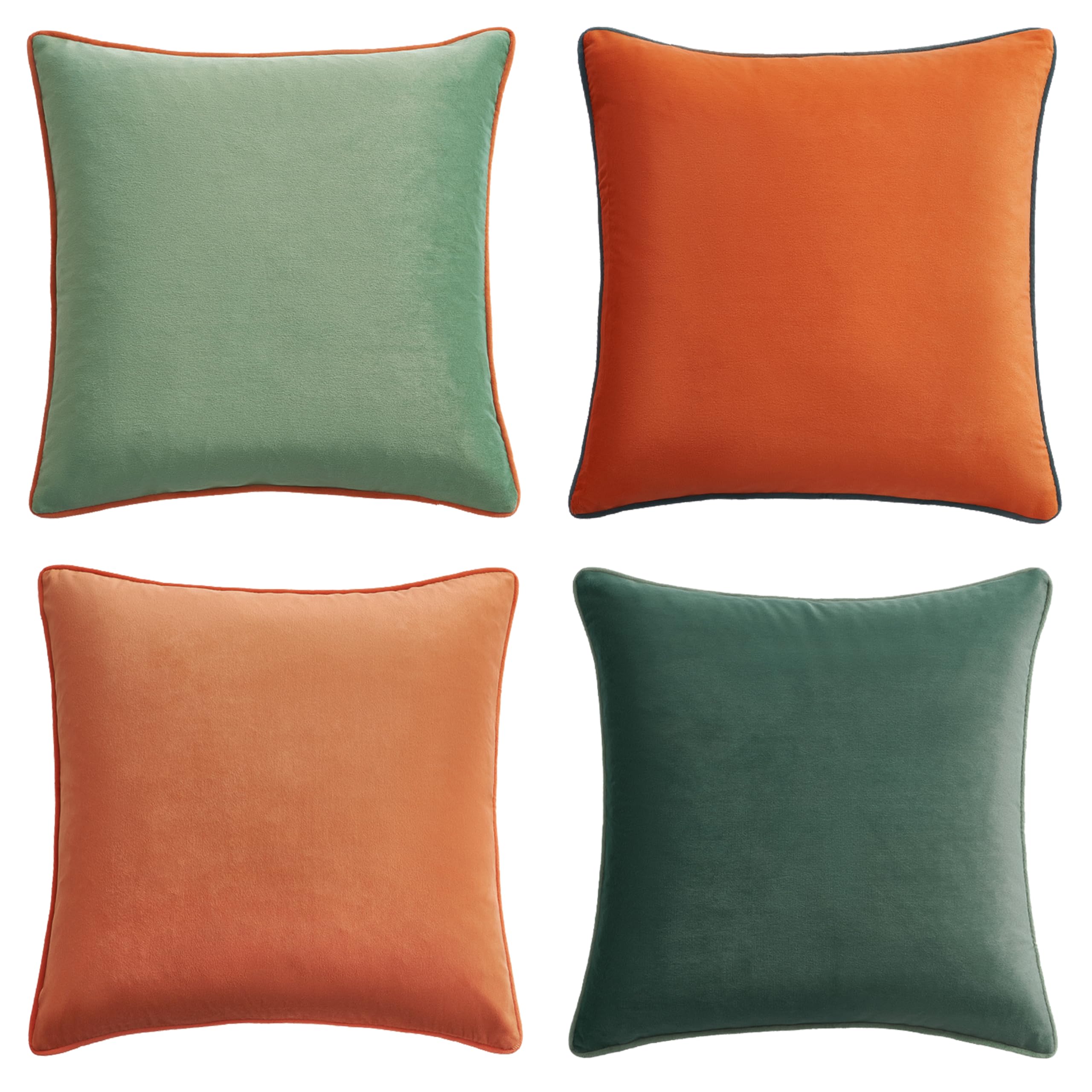
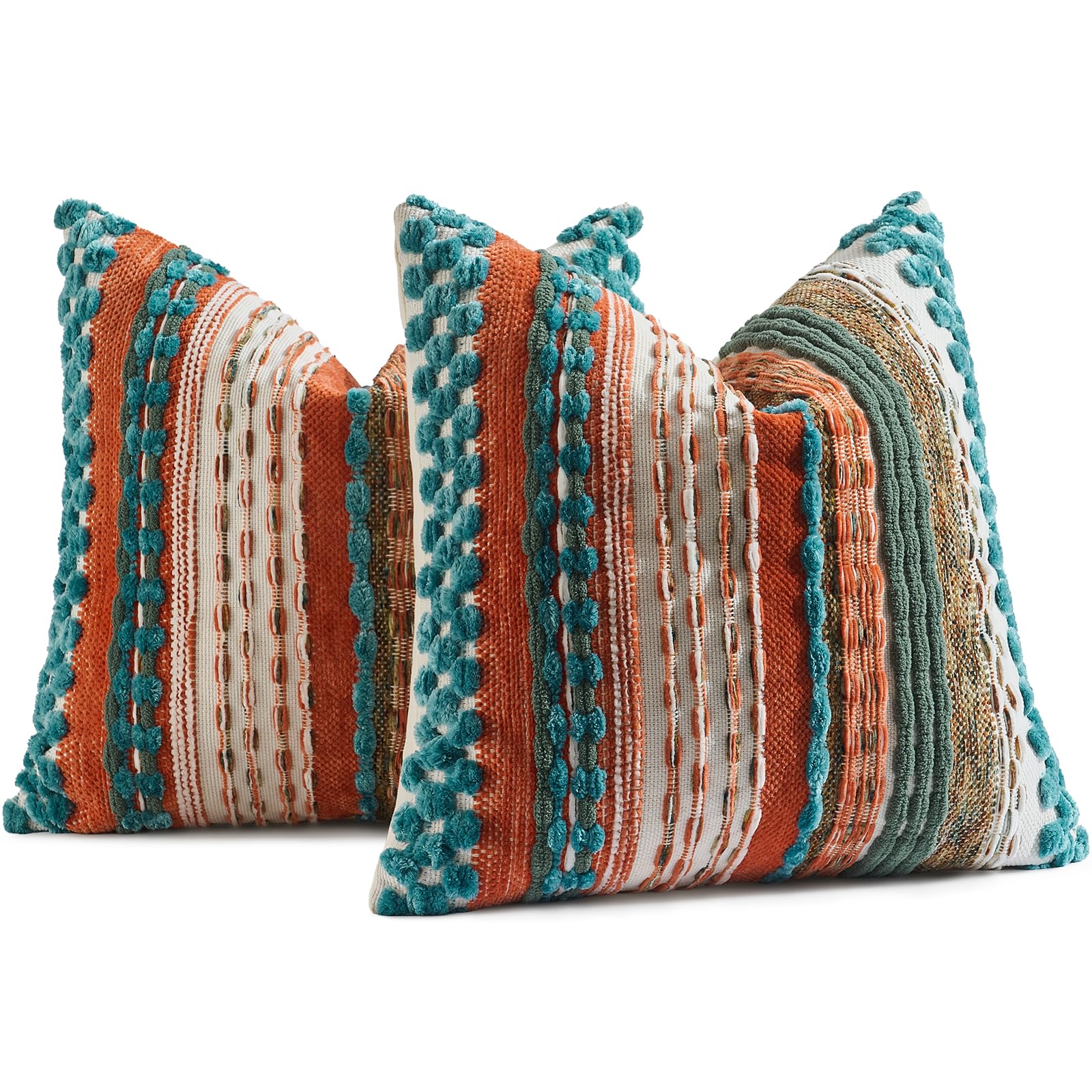
Linen covers bring a relaxed, matte texture and allow air to move, which suits warm rooms. Cotton covers feel smooth and take dye well, and on cotton a higher thread count is not the whole story, since weave and fiber length shape softness more. Velvet adds rich color for a main bedroom, while woven covers add pattern without print. Choose cooling fabrics such as linen or cotton over heavy synthetic velvet if the pillows rest against your back on warm evenings.
Removable Covers and Closure Quality
A removable cover decides how long the set looks fresh, since the cover takes the makeup, lotion and dust, not the insert. Look for a hidden zipper along one seam that opens fully, so you can pull the insert out without tearing stitches. Covers sold without inserts cost less but need a separate insert purchase, so check which format a listing offers. Tight stitching at the corners matters, because corners take the strain each time you fluff the pillow.
Color, Pattern and Fabric Safety Labels
Build the palette from your bedding outward, with one dominant color, one supporting tone and one accent. If your bedding is patterned, choose solid throw pillows in a color pulled from that pattern, and see our guide to the best bed sheets before you change the base color. An OEKO TEX label means the textile was screened for harmful substances, worth seeking for pillows that touch skin. For quality cues beyond labels, see our guide to the best quality throw pillows.
How to Arrange Throw Pillows on Twin, Queen and King Beds
Arrange in rows from large at the back to small at the front. Stand Euro squares or your largest squares against the headboard, place standard squares in front of them, and finish with one lumbar pillow at the center. Odd front accents and paired back rows look balanced, so most queen beds work well with two 20 by 20 inch squares plus one lumbar pillow.
Count changes with bed width. A twin bed needs only two or three pillows before the row takes over the sleeping area. A king bed can carry three large squares across the back plus a long lumbar pillow. For exact pairings by mattress width, see our guide to the best size throw pillows for queen bed. Leave the front third of the bed clear, so the arrangement reads as an accent, not storage you must move each night.
Common Mistakes to Avoid
Most disappointing sets fail on sizing or upkeep rather than on style.
- Buying inserts the same size as the covers leaves pillows flat, with empty corners that sag.
- Stacking six or more pillows on a queen bed makes nightly removal a chore you soon skip.
- Choosing covers you cannot remove means one spill can stain the whole pillow for good.
- Mixing many unrelated patterns turns the bed into visual clutter instead of a focal point.
- Placing white or pale pillows where makeup and hair products touch them leads to early discoloration.
How to Make Your Bed Throw Pillows Last Longer
Fluff each insert by hand when you make the bed, pushing fill into the corners and giving the pillow a firm shake. Rotate the front and back pillows every week or two, since the front row takes more handling and fading from window light. Keep decorative pillows off the floor at night, because floor dust and pet hair work into open weaves.
Wash removable covers on the cycle the care label states, usually a gentle wash in cool water, and close zippers first so they do not snag other fabrics. Air dry linen and cotton covers or tumble on low heat. Spot clean non removable covers at once, and store spare sets in a breathable bag away from direct sun.
Frequently Asked Questions
Is a higher thread count always better for bed throw pillow covers?
No, a higher thread count is not always better for a bed throw pillow cover. Thread count applies only to woven cotton, and very high counts can come from thinner yarns twisted together. For a decorative cover, fiber length, weave and stitch quality shape the feel more. Choose a smooth cotton sateen or percale that matches your bedding, and judge the cover by its seams and zipper.
How do I wash bed throw pillows safely?
Wash the removable cover on its own first, since that is the part that collects skin oils and dust. Check whether the insert itself is washable, because down inserts often need professional cleaning while many polyester inserts accept a gentle machine cycle. Use a mesh laundry bag for delicate weaves, and reshape the insert while it dries so fill does not clump in one corner.
How often should I replace bed throw pillows?
Replace a bed throw pillow when the insert stays flat after fluffing or the cover fades unevenly and pills across the front. Decorative inserts often last about 2 to 4 years, and guest room covers can last longer with light use. You can extend the set by replacing only the worn insert and keeping sound covers.
What size bed throw pillows work best on a queen bed?
Two 20 by 20 inch squares with one 12 by 20 inch lumbar pillow work best on most queen beds. That pairing spans the width without covering the sleeping pillows. If your headboard is tall, step the back pair up to 22 by 22 inches for better proportion. Skip a third row on a queen bed, since it pushes the arrangement past the middle of the mattress.
Are linen bed throw pillow covers a good choice for warm bedrooms?
Yes, linen bed throw pillow covers suit warm bedrooms well. Linen fibers absorb moisture and let air pass, so a pillow against your back feels less clammy than a dense synthetic cover. Linen also softens with each wash and hides its natural texture well, so minor wrinkles read as part of the style. Pair linen accents with cotton bedding to keep the whole bed breathable.
Final Thoughts
Start with the right count and sizes for your bed width, then choose full inserts and removable covers in fabrics that suit your room. Those three decisions shape how the bed looks each morning and how much work the set asks of you each night. Use the product table to check sizes, fill and cover details against this checklist.
When those basics are right, the best bed throw pillows become the easiest layer to swap with the seasons. Buy fewer, fuller pillows rather than a large set of flat ones, and your bed will look finished with far less daily effort.