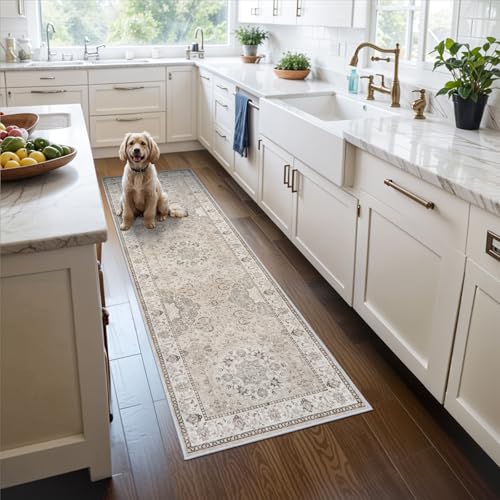
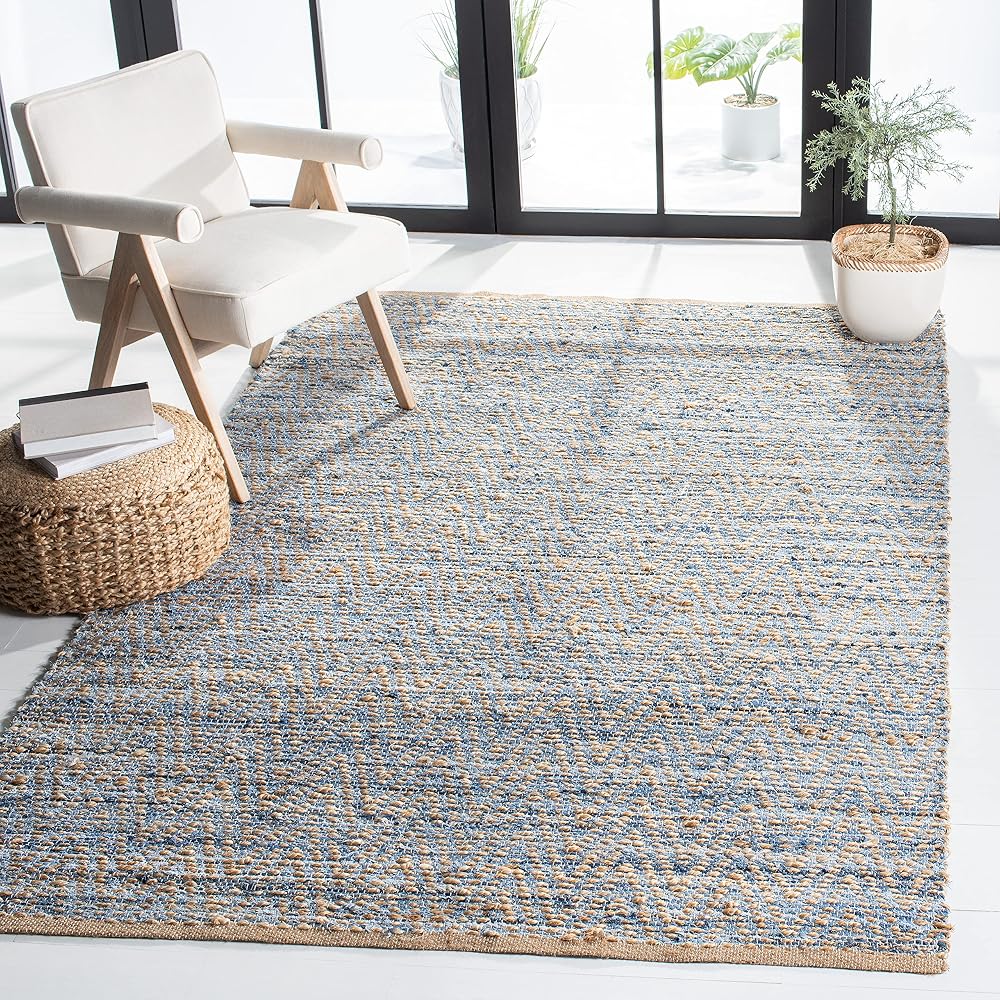
Best Beige Rugs Made Simple: A Clear Buying Guide for 2026
Disclosure: We may earn a commission when you buy through links on this page, at no extra cost to you. As an Amazon Associate I earn from qualifying purchases. Learn more
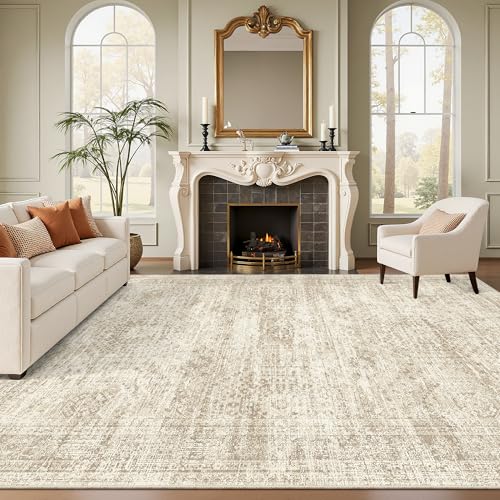
Shopping for the best beige rugs for the first time? Learn the terms, compare options, and avoid rookie mistakes with this easy guide for your home.
A beige rug sounds like the easiest purchase in a room, yet shades, pile heights, and materials vary so much that first time buyers often end up with a rug that looks wrong or wears out fast. This guide explains best beige rugs from the basics up, so you can choose a size, fiber, and tone that fit your floor and your daily life.
You will learn the plain English meaning of the terms on product pages, the mistakes that make light colored rugs look dirty within months, and the simple setup steps that keep a new rug flat and safe. The comparison table below gives you a quick overview while you read.
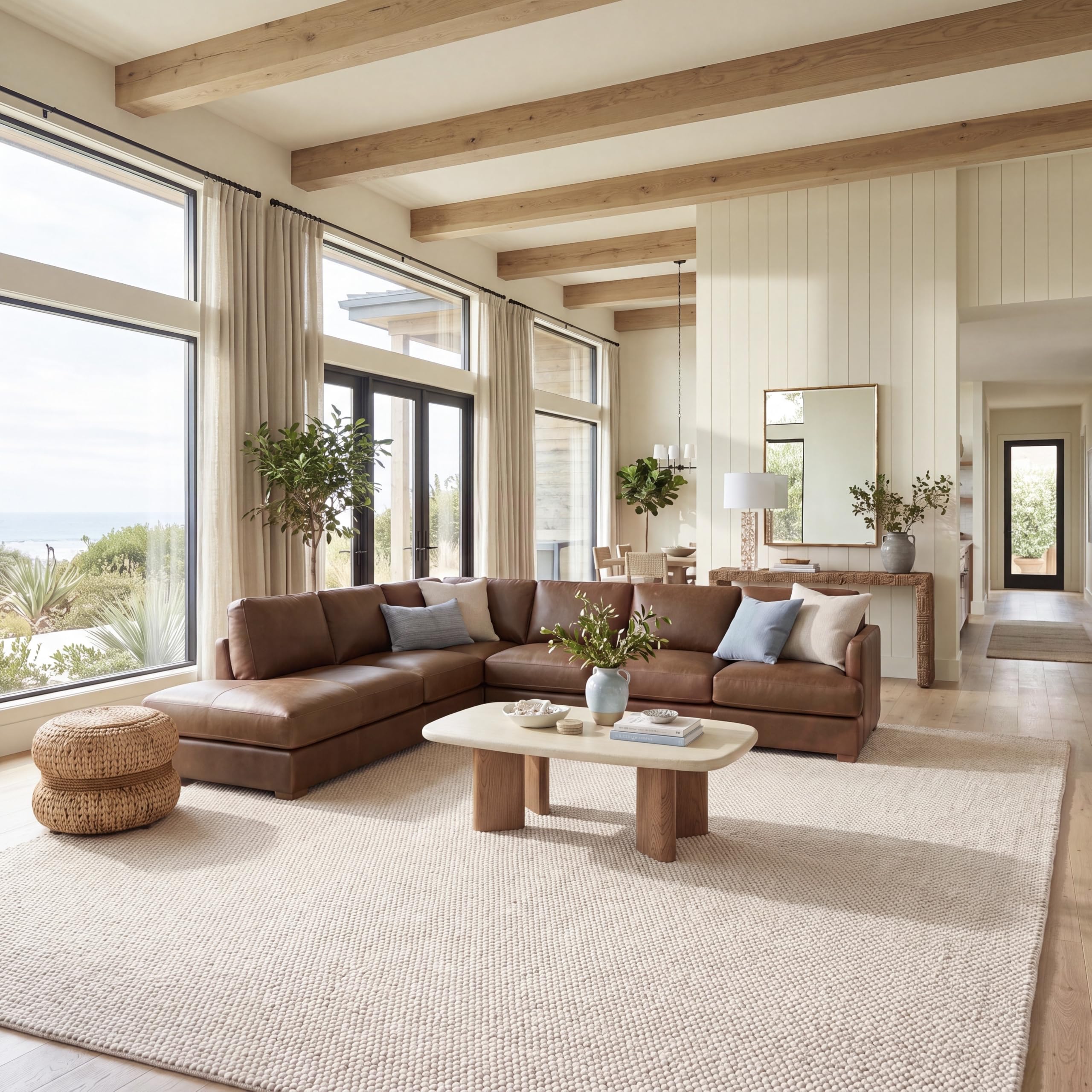
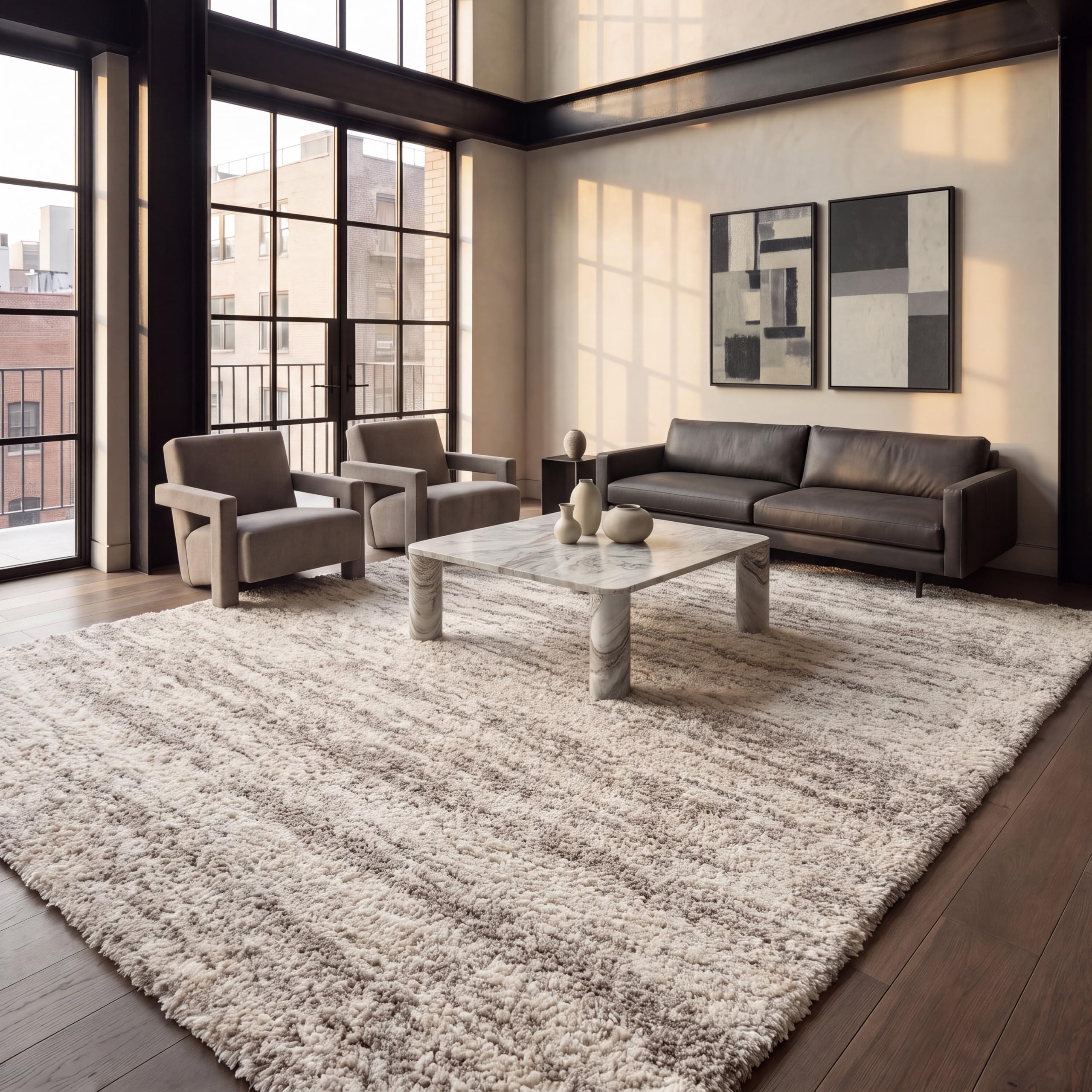


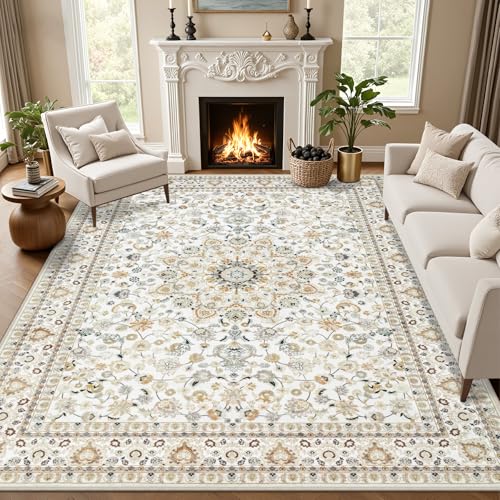

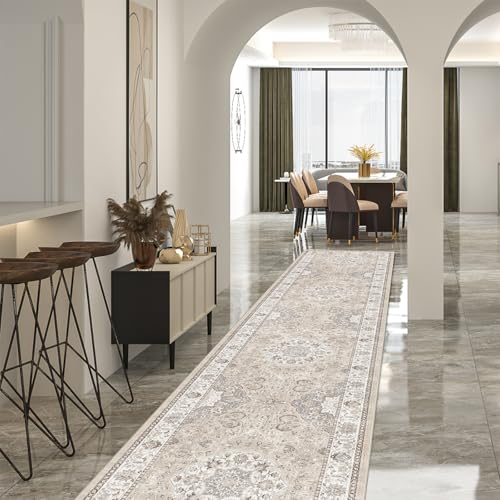

Beige works in almost any room because it warms up cool floors and calms bold furniture. The trick is picking the right beige, since a warm sandy tone and a cool gray leaning tone behave very differently under the same light.
Beige Rugs 101: The Basics
A rug is a finished textile floor covering with defined edges, unlike wall to wall carpet that is fixed to the floor. Its job is to soften sound, add comfort underfoot, protect the floor below, and pull the furniture in a room into one group. A beige rug does all of that in a neutral tone that ranges from pale cream to deep tan, often with flecks or patterns woven in that help hide everyday dust.
Three basic terms explain most listings. Pile is the fiber surface you walk on, and pile height describes how tall those fibers stand. The backing is the underside that gives the rug structure, and density describes how tightly the fibers are packed, which affects both softness and durability. If you want a wider view of construction quality before you narrow down colors, our guide to the best quality rugs explains how to judge weaving and finishing.
Size is the other basic that buyers underestimate. In a living room, the front legs of your sofa and chairs should rest on the rug, which usually means a rug of about 8 by 10 feet or larger. In a bedroom, the rug should extend past the sides of the bed so your feet land on it each morning.
Key Specs Explained in Plain English
Material and Pile
Wool is the classic rug fiber because it feels soft, resists crushing, and hides soil well, though it costs more and needs gentle cleaning. Synthetic fibers such as polyester and polypropylene cost less, resist stains, and suit busy family rooms and dining areas. Cotton feels casual and often comes in flat woven styles that fit under doors. Pile height shapes daily life just as much: low pile rugs clean easily and let chairs roll, while high pile rugs feel plush but trap more crumbs and show footprints in plain beige.
Color, Light, and Room Feel
Beige is not one color. Warm beige carries yellow or pink undertones and makes a north facing room feel cozier, while cool beige leans gray and suits bright rooms with cool light. Always view a swatch or the rug itself at different times of day, because evening light warms every tone. A subtle pattern, a heathered blend of two or three tones, or a visible weave texture will forgive dust and pet hair far better than a flat solid beige, which shows every speck and shadow.
Certifications and Material Safety
Labels help you judge what a rug is made from and how it was tested. OEKO TEX certification means the finished textile was tested for a list of harmful substances, which matters for a product that babies and pets may lie on. Clear fiber content labeling tells you whether a rug is truly wool or mostly synthetic, and honest country of origin and care information signal a careful maker. No label replaces common sense, so air out any new rug in a ventilated room and vacuum it well before children play on it.
Sound Softening and Floor Protection
A rug absorbs the noise of footsteps, chairs, and dropped objects, which is why a room feels calmer the moment a rug goes down. Thicker pile and a quality pad underneath increase that effect and also protect hardwood from scratches caused by grit trapped under the rug. In apartments, a rug plus pad can make a real difference to the neighbors below. The pad also keeps the rug from sliding, which is a genuine safety point on smooth floors, especially in hallways and on stairs.
Cushion, Pile Height, and Rug Pads
Comfort underfoot comes from the combination of pile and pad, not from pile alone. A dense low pile rug on a thick felt pad can feel more cushioned than a thin shag rug on bare floor. Choose the pad type for your floor: felt for cushion, rubber for grip, or a blend for both. On stairs, only use rugs and pads made and secured for that purpose, and see our guide to the best rugs for stairs for the fastening details that keep steps safe.
Rookie Mistakes to Avoid
- Buying too small. A small rug floating in the middle of a room makes the space look unfinished, so size up when you are between options.
- Choosing solid pale beige for a busy entry. The front door area collects grit and moisture daily, and a patterned or darker toned rug survives it far better.
- Skipping the rug pad. Without a pad, rugs slide, bunch, and wear thin from friction against the floor, and corners curl into tripping hazards.
- Ignoring door clearance. Measure the gap under nearby doors before choosing a thick pile, or your new rug may block a door from opening.
- Cleaning with the wrong product. Harsh bleach based cleaners can strip dye and leave a pale patch that stands out badly on beige fibers.
Room choice is another early decision worth slowing down for. A damp basement needs a synthetic rug that resists moisture, and our guide to the best rugs for basement covers that setting. At the front door, a dedicated washable runner from our guide to the best entry rugs can protect a nicer beige rug in the room beyond.
Getting Started: Setup and First Use
Unroll your new rug and let it relax for a day or two, since folds from shipping flatten with time, warmth, and furniture weight. Place the pad first, trimmed slightly smaller than the rug so it stays hidden, then center the rug and walk the edges flat. A useful trick for curled corners is to roll the corner in the opposite direction and set a heavy book on it overnight.
Vacuum the rug thoroughly on a gentle setting before use to lift loose fibers left from manufacturing, which is normal for new rugs. Rotate the rug every few months so sunlight and foot traffic wear it evenly, because beige tones show fading sooner than dark colors do. Blot spills at once with a clean cloth, working from the edge of the spill inward so it does not spread.
For weekly care, choose suction and brush settings that suit your pile height, since aggressive brushes can fuzz delicate fibers. Our guide to the best vacuums for rugs explains which vacuum types handle low and high pile without damage. Keep a small bottle of fiber safe spot cleaner on hand, because a spill treated in the first minutes rarely becomes a lasting stain on a light rug.
Frequently Asked Questions
How do I wash beige rugs safely?
Start with the care label, because wool and synthetic rugs need different handling. Most beige rugs do best with gentle vacuuming, prompt blotting of spills, and spot cleaning with a mild solution tested on a hidden corner first. Small flat cotton rugs may be machine washable if the label says so. Never soak a rug with a jute or latex backing, since trapped moisture can damage the backing and cause odors.
What pile height is best for beige rugs in busy rooms?
Low pile is the safest choice for busy rooms, dining areas, and homes with pets. Short fibers release dirt during vacuuming, resist matting under chair legs, and show less shading from foot traffic, which matters on a plain light color. Keep the height at about half an inch or less where doors swing over the rug. Save plush high pile beige rugs for bedrooms, where traffic is light and shoes rarely come in.
How often should I replace my beige rug?
Replace a beige rug when the pile stays flat after cleaning, the backing cracks or sheds, or stains no longer respond to gentle treatment. In a quiet bedroom that may take eight years or more, while a family room rug may tire in three to five. Regular rotation and a good pad extend the life of any rug. If only the edges fray, a repair or binding service can add years for less than a new purchase.
Do beige rugs show dirt and stains easily?
Plain solid beige does show dust, pet hair, and spills more than patterned or darker rugs, but the effect depends on tone and texture. A heathered beige with flecks of tan, cream, and gray hides everyday soil remarkably well. Mid tone beige hides more than very pale cream shades. Placing a washable mat at the nearest door and keeping a no shoes habit indoors will keep a beige rug looking fresh far longer than any cleaning routine.
What size beige rug should I choose for a living room?
Choose a size that lets at least the front legs of every seat rest on the rug, which unifies the seating area. For many living rooms that means about 8 by 10 feet, and larger rooms often need about 9 by 12 feet. Leave a border of bare floor of roughly twelve to eighteen inches around the rug so the room feels balanced. Measure and mark the footprint with painter tape before ordering to avoid the most common sizing regret.
The Bottom Line
Fiber, pile height, and the right beige tone for your light are the decisions that decide whether a rug still pleases you in three years. Use the product table above to compare sizes and materials on those points. The best beige rugs for your home will fit the furniture, forgive daily life, and make the whole room feel calmer the moment they go down.