Best Beach Rugs of 2026: Complete Buying Guide
Disclosure: We may earn a commission when you buy through links on this page, at no extra cost to you. As an Amazon Associate I earn from qualifying purchases. Learn more
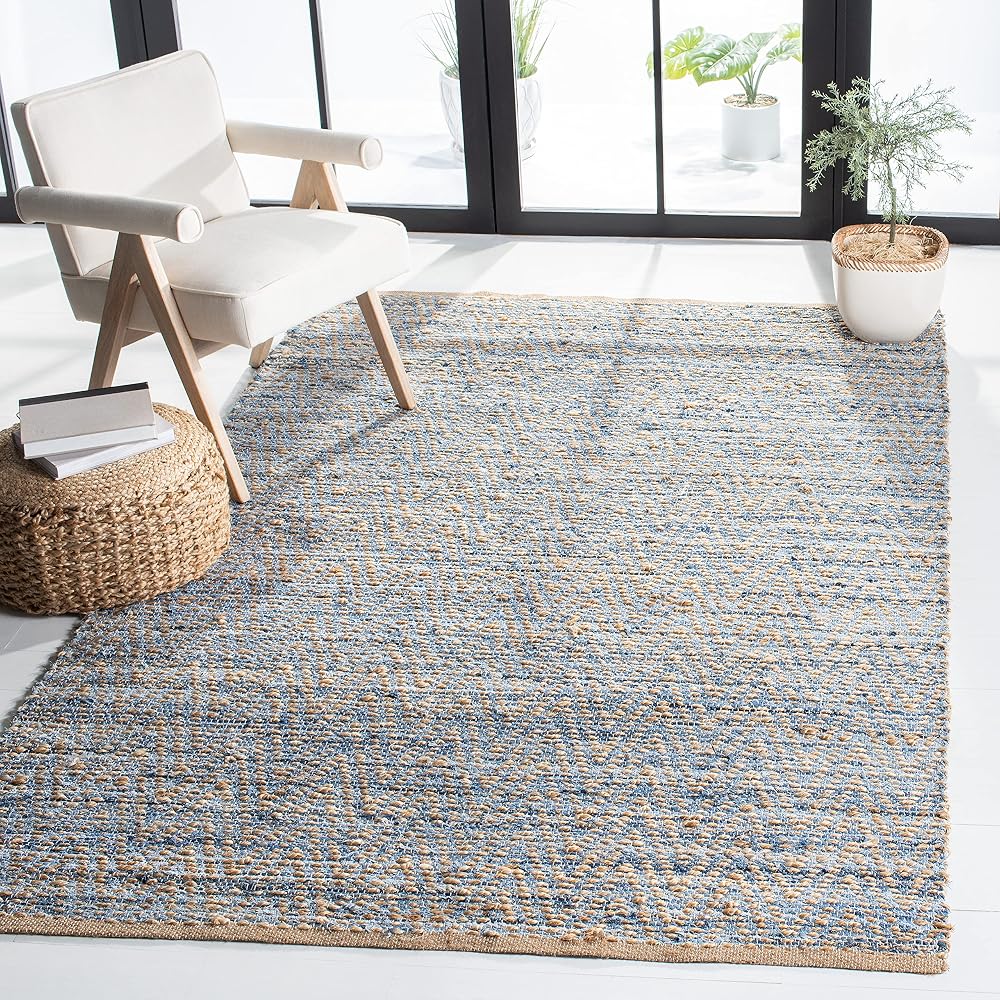
Best beach rugs for coastal homes: materials, sizes, pile height, backing and care for sandy, high traffic rooms.
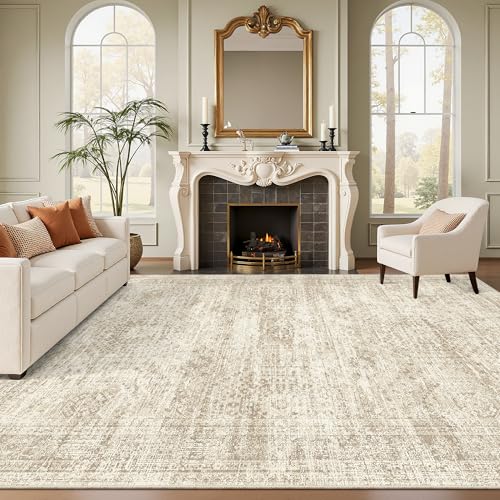
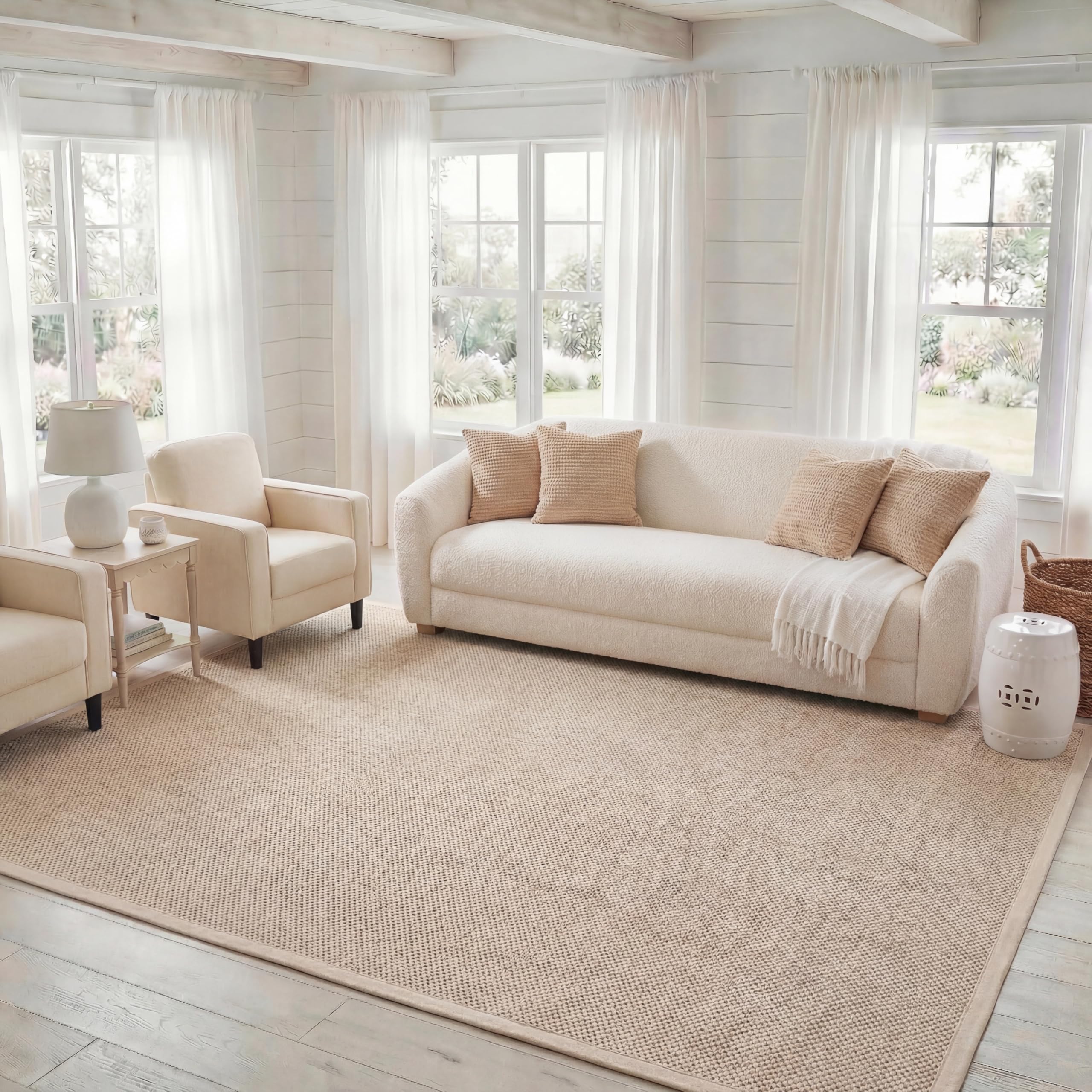
A rug in a beach house works harder than a rug almost anywhere else. Sand rides in on bare feet, sunlight pours through big windows, and floors stay busy from breakfast to sunset. The best beach rugs handle that traffic while keeping rooms light, calm, and easy to clean. This guide covers materials, sizes, pile height, and care so you can choose with confidence. The product table below pulls the key specs together.
Think about the room first. An entry rug needs grit trapping power, while a bedroom rug needs softness, and one product rarely does both jobs best.



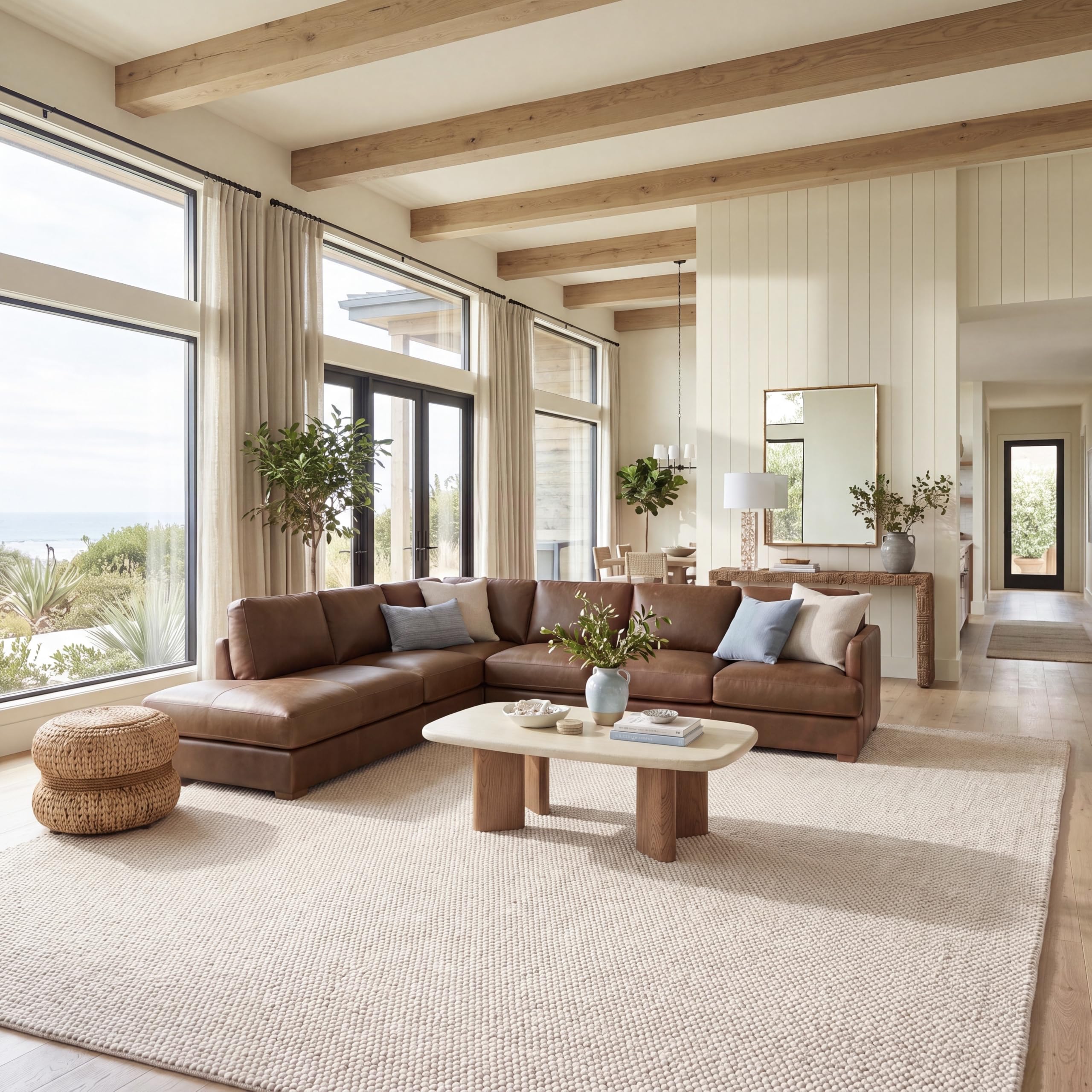

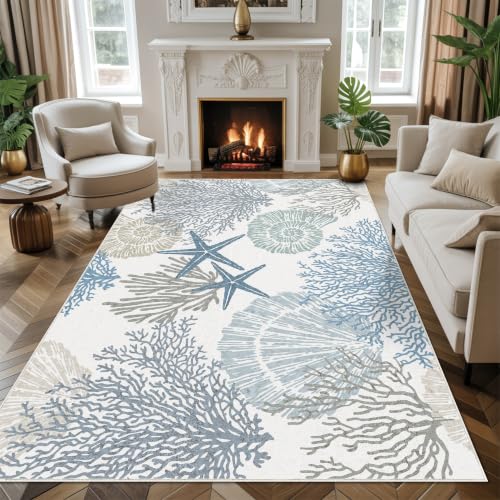
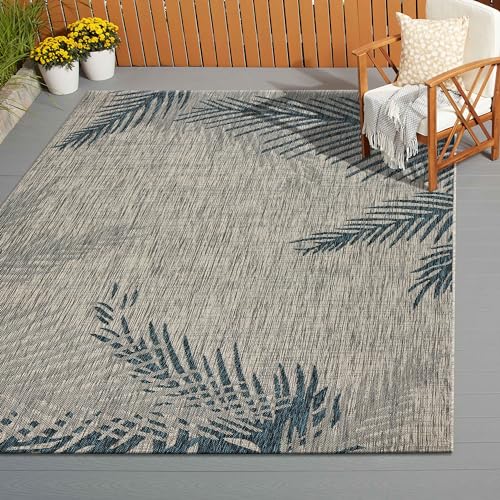

What Each Price Tier Delivers
Instead of naming specific rugs, this section explains what each price tier usually delivers. Match the tier to your room and traffic level, then check real listings in the product table below against it. Price should buy you better fiber, tighter weaving, and a backing that lies flat.
Mid Price Tier
The mid price tier, often about $150 to $400 for a large living room size, balances looks with grit tolerance. Expect dense flatweave or low pile construction in wool blends or quality synthetic fibers. Colors hide sand between cleanings, and edges are bound so they do not curl. The limit is weight, since a large dense rug is a two person job to shake out or move.
Value Tier
Value rugs, often about $60 to $150, lean on polypropylene and polyester fibers. They resist stains, dry quickly after a spill, and come in many coastal patterns. Pile can feel less plush, and thin rugs may slide without a pad. For rentals, kids rooms, and entry areas, this tier often gives the most use per dollar because nobody panics over tracked in sand.
Premium Tier
Premium rugs, often about $400 to $900 and up, use hand woven natural fibers or dense wool with careful finishing. They feel substantial underfoot and age gracefully when cared for well. The trade offs are price and upkeep, since some natural fibers dislike soaking and strong cleaners. Choose this tier for a main living room you plan to keep for years, not for a mudroom path.
How to Choose Beach Rugs for a Coastal Home
Material and Fiber
Polypropylene is the workhorse fiber for beach homes because it resists moisture, stains, and fading. Wool feels warmer and hides dirt well, but it costs more and needs gentler cleaning. Natural fibers such as jute and seagrass bring texture and a relaxed coastal look, yet they can stain and feel rough on bare feet. Cotton flatweaves are light and often washable, which suits kitchens and kids spaces. Pick the fiber by the mess the room sees most.
For a broader sense of weave quality across price points, see our guide to the best quality rugs before you commit to a fiber.
Durability and Care
Durability shows up in weave density and edge finishing. A tight weave sheds less and traps less sand deep in the pile. Low pile and flatweave rugs clean faster because grit sits near the surface where a vacuum can reach it. Check care labels before you buy, since machine washable claims usually apply to smaller sizes. A rug you cannot clean with the tools you own will slowly turn dingy no matter how pretty it starts.
Sunlight and Airflow
Beach rooms get strong sun, and sun fades rugs unevenly where furniture shadows fall. Solution dyed synthetic fibers hold color best in bright rooms. Rotating the rug a quarter turn every few months evens out both wear and fading. Humid coastal air also matters, so choose a rug pad that lets air move and lift the rug now and then to check the floor beneath for trapped moisture.
Feel Underfoot and Pile Height
Pile height is the comfort dial. Flatweave and low pile near a quarter inch feel firm, clean easily, and let doors swing free. Medium pile feels softer for bedrooms and reading corners. High pile traps sand, slows cleaning, and can mat down in walkways. Sit on the floor sample if you can, because families who play games or stretch on the rug will notice pile height every day.
Noise and Movement
Rugs quiet a hard floor room, and thicker rugs with a pad absorb the most sound. Movement is the other half of this check. A rug that creeps or bunches is a trip risk, especially for kids running in from the beach. Use a non slip pad cut slightly smaller than the rug, and avoid thin rugs on glossy tile without one. Corners that curl up after a week rarely flatten on their own.
Size and Fit
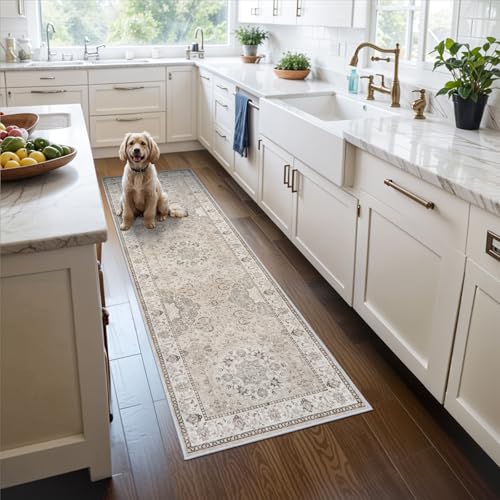
Measure the room, then leave about 8 to 24 inches of bare floor around the rug edges. In living rooms, at least the front legs of sofas and chairs should sit on the rug so the seating feels connected. Dining rugs should extend about 24 inches beyond the table on all sides so chairs stay on the rug when pulled out. Hallway runners need a few inches of floor showing on each side. Tape the outline on the floor and live with it for a day before ordering.
Room by room sizing examples live in our guide to the best area rugs for beach house layouts, which pairs well with the material advice here.
Labels and Certifications
Labels such as OEKO TEX tell you a rug was checked for certain harmful substances, which matters for rooms where babies crawl and pets nap. Low VOC claims relate to indoor air, and a new rug smell that fades in a day or two is normal. No label replaces basic care, though. Air a new rug in a ventilated room before heavy use, and vacuum it well to lift loose fibers from packing and shipping.
Types of Beach Rugs
Natural Fiber Rugs
Jute, sisal, and seagrass rugs bring sandy tones and texture that suit coastal decor instantly. They handle dry grit well and look better with a little wear. They dislike soaking and can feel scratchy, so they fit living rooms and entries better than bathrooms or kids play spots. A rug pad is essential because their backings can be rough on wood floors.
Indoor Outdoor Synthetic Rugs
These rugs use polypropylene woven flat so they can live on a deck, porch, or inside a busy kitchen. They hose off, dry fast, and shrug off sunscreen spills. Their feel is firmer than indoor only rugs, which is the price of that toughness.
Cotton Flatweave Rugs
Cotton flatweaves are light, flexible, and often washable in smaller sizes. They suit bedrooms, kitchens, and layered looks over a larger neutral rug. Colors can fade with washing and sun, and thin cotton slides without a pad. For a rental or a first beach place, they offer coastal style without a big commitment.
Wool and Wool Blend Rugs
Wool rugs feel cushioned, resist dirt naturally, and keep rooms quieter. Blends with synthetic fibers lower the price and add stain tolerance. Wool costs more and asks for prompt blotting of spills rather than scrubbing. Choose wool where bare feet land most, such as beside beds and in main seating areas, and keep it out of the wettest entry path.
Setup and Care Tips
- Shake small rugs outside weekly, since sand acts like grit paper under shoes and wears fibers from below.
- Vacuum with suction only or a raised brush setting on looped and natural fiber rugs to avoid pulling the weave.
- Blot spills fast with a clean cloth and mild cleaner, and test any cleaner on a hidden corner first.
- Use a rug pad for grip and airflow, and check under the rug monthly in humid months for damp spots.
- Rotate the rug every few months so sun and foot traffic spread evenly instead of carving one faded path.
Cleaning gear matters more than most owners expect. Our guide to the best vacuums for rugs explains which settings protect pile while still pulling sand out.
FAQs
How do I wash beach rugs safely?
Start with the care label, because fiber decides the method. Small cotton and synthetic rugs may machine wash cold and air dry flat. Larger rugs do better with vacuuming, a garden hose rinse outdoors, and full drying in sun before they come back inside. Never fold a damp rug away, since mildew can set in within a day in warm coastal air. When in doubt, a professional clean once a year protects the backing.
What pile height is best for comfort underfoot in a beach rug?
Low to medium pile suits most beach homes. Low pile near a quarter inch cleans fast and feels fine with a good pad beneath. Medium pile adds softness for bedrooms and play areas while still releasing sand when you vacuum. Plush high pile feels luxurious for a day, then traps grit and mats in walkways. If comfort is the goal, spend on a quality pad before you spend on taller pile.
How often should I replace my beach rug?
Replace a beach rug when the backing cracks, edges curl despite a pad, or stains and odors survive a deep clean. Busy entry rugs may reach that point in about two to three years. Living room rugs in synthetic fibers often last five years or more. A rug that slides even with a fresh pad is a safety issue, so treat that as a replacement sign rather than an annoyance.
Are light colored beach rugs a good idea in sunny rooms?
Yes, with the right fiber. Light colors show less fading than deep dyes and make sandy floors look cleaner between vacuums, since sand itself is pale. Solution dyed synthetic fibers hold up best under strong sun. Patterns with a mix of sand, white, and soft blue hide both grit and lint. Keep one darker, tougher rug at the main door where the worst of the beach comes in.
Does a denser weave always mean a better beach rug?
Not always, but density usually helps durability. A dense weave resists crushing and keeps sand near the surface where cleaning reaches it. Still, a dense rug in the wrong fiber for a wet room will disappoint, and a very dense rug is heavy to shake out. Judge density together with fiber, pile height, and the room. For an entry, a slightly looser flatweave that releases sand easily can outperform a dense plush rug.
The Bottom Line
Match fiber to the mess, pile height to the cleaning you will actually do, and size to the furniture the rug must anchor. Get those three right and coastal style follows on its own. When you are ready to choose the best beach rugs for your rooms, start with the product table above and check each option against your sunlight, traffic, and floor type.