
Best Bed Quilts for Summer of 2026: Complete Buying Guide
Disclosure: We may earn a commission when you buy through links on this page, at no extra cost to you. As an Amazon Associate I earn from qualifying purchases. Learn more

The best bed quilts for summer compared by fill, fabric weight, sizing and care, so hot sleepers can stay covered without overheating.
A winter duvet in July turns sleep into a nightly negotiation between kicking the covers off and pulling them back. A summer quilt solves that problem with light fill, breathable fabric, and just enough cover to feel settled. This guide helps you choose the best bed quilts for summer for your room temperature, your sleep style, and your laundry habits. Start with the product table, then use the buying guide that follows to match weight, material, and size to your bed.


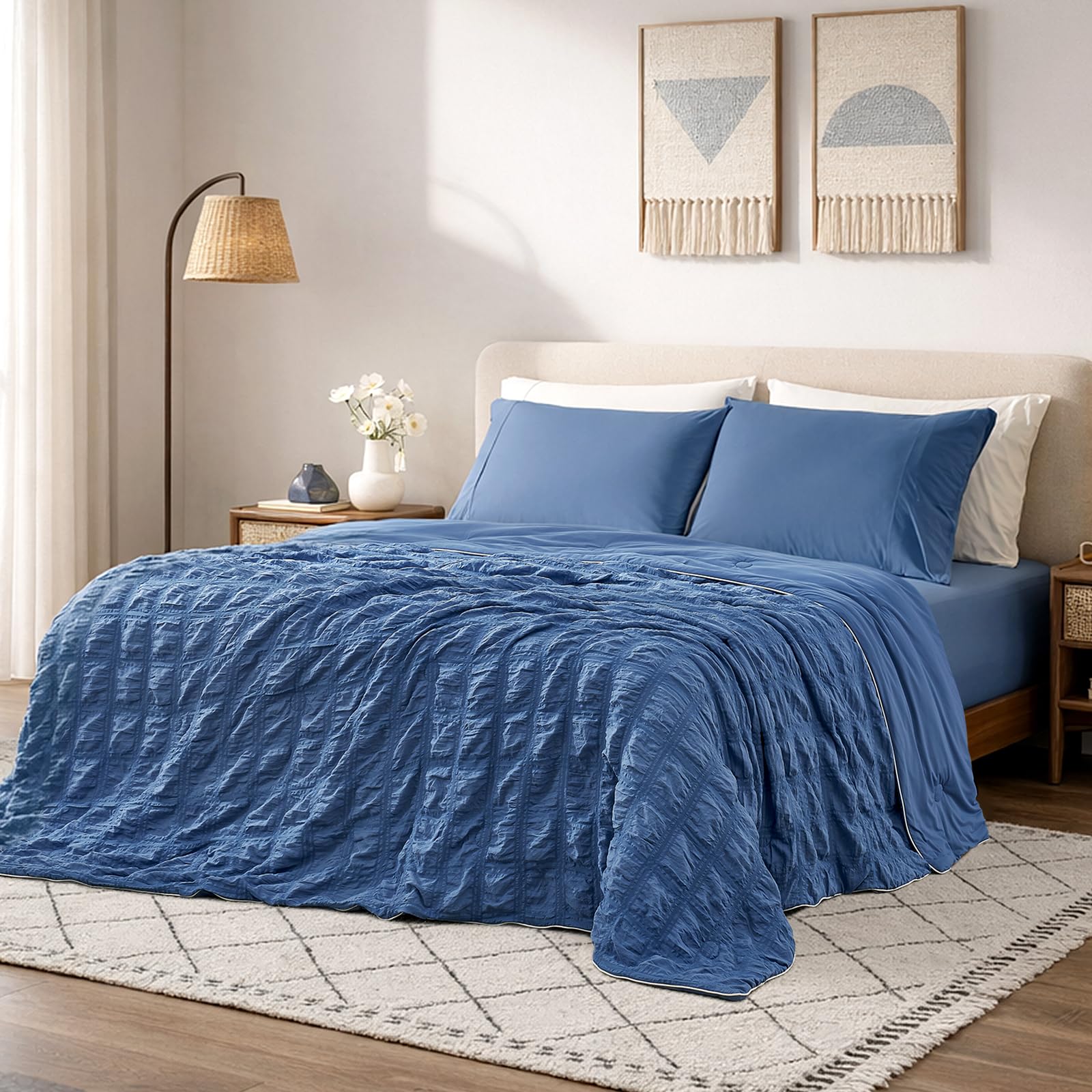
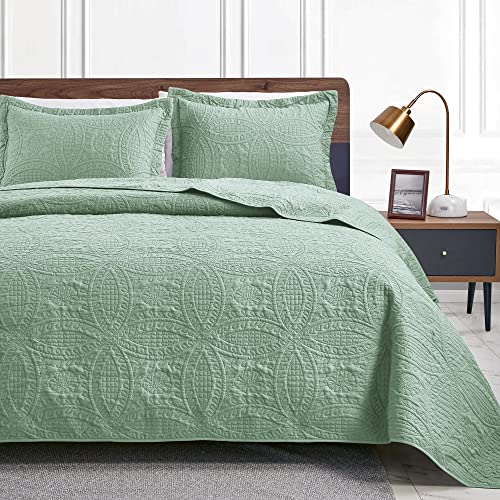
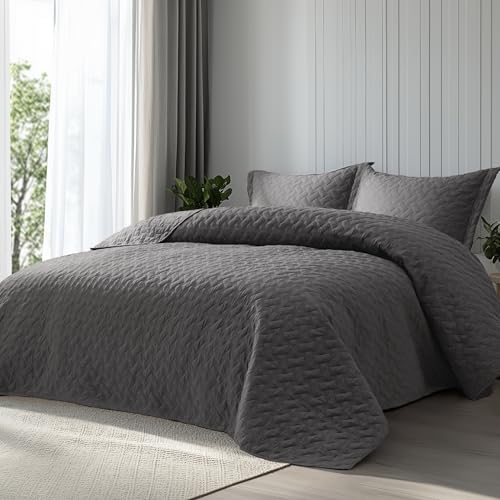

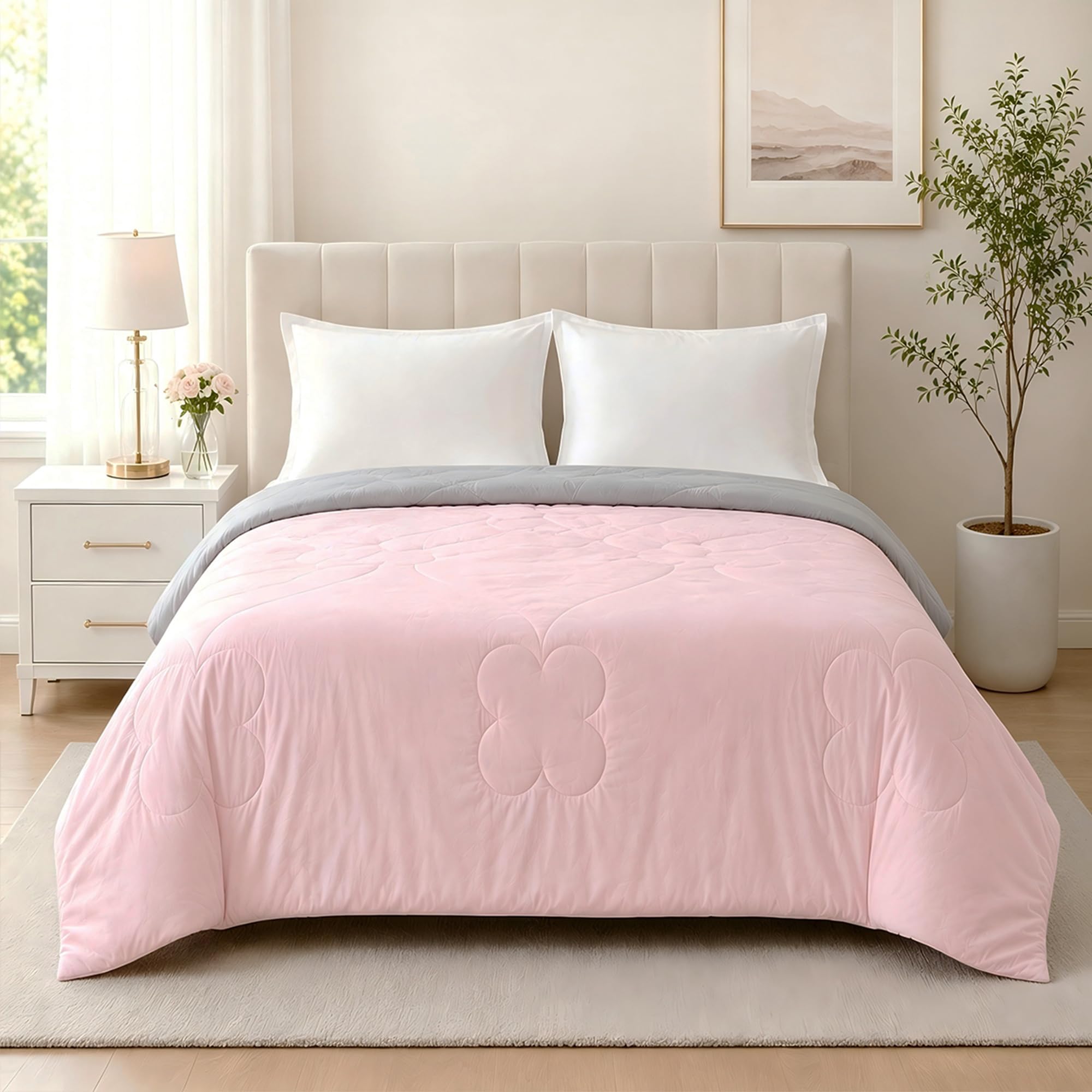


Three Price Tiers at a Glance
Budget Tier: Simple and Light
Budget summer quilts, often around $30 to $60, usually use microfiber shells with a thin synthetic fill. They feel light, wash easily, and suit guest beds, dorms, and kids rooms where frequent washing matters more than fine fabric. Expect simpler stitching and a shorter life, and check that the fill is stitched through in squares or channels so it does not drift into corners. For a spare bed that sees summer guests a few weeks a year, this tier is often all you need.
Mid Range Tier: The Sweet Spot for Most Beds
Mid range quilts, about $60 to $120, step up to cotton shells, better fills, and cleaner finishing. A cotton percale shell with a light down alternative fill gives you airflow, a soft hand feel, and easy machine washing in one package. Stitching tends to hold the fill in place through many washes, and colors and sizes are easier to find. For most main bedrooms, this tier balances comfort, durability, and price better than either end of the market, especially if you sleep warm but still like some weight on top of you.
Premium Tier: Natural Fibers and Fine Finishing
Premium summer quilts, about $120 to $250, use linen, long staple cotton, silk blends, or real down in very light amounts. The gains are breathability, a smoother feel against the skin, and construction that keeps its shape for years. Linen in particular manages moisture well on humid nights. This tier suits hot sleepers in warm climates who will use the quilt nightly for months.
How to Choose the Best Bed Quilts for Summer: Buying Guide
Features That Matter for Summer
Summer changes what a quilt must do. Your body still loses heat at night, so you want light cover, but the fabric must let warm air and moisture escape instead of trapping them. Look for a low fill weight, a breathable shell, and an open weave you can almost see light through when you hold it up. A simple check helps in store. Drape the quilt over your forearm for a minute. If your arm feels hot and damp quickly, the quilt will likely sleep warm in a real bed too.
Material and Fill
Cotton shells breathe well and feel familiar. Percale weaves feel crisp and cool, while sateen feels smoother and slightly warmer. Linen shells move air and moisture best of all, with a relaxed texture some sleepers love. For fill, down alternative microfiber is light, washable, and friendly for allergy prone sleepers. Real down in a very low fill power layer adds softness without much warmth. Bamboo derived fabrics feel cool at first touch and drape closely. If you want to compare quilt fabrics with sheet fabrics, see our guide to the best bed sheets for how percale and sateen behave against the skin.
Size and Fit
Buy for drop, not just for the mattress label. A summer quilt should hang over both sides of the bed enough to cover two sleepers who move, usually about 10 to 15 inches of drop per side on an average frame. Twin quilts suit single beds and daybeds, while queen and king sizes serve most couples. If your mattress is tall, or you like a generous drape, size up one step. Check the stated dimensions in inches rather than trusting the size name alone, because brands vary by several inches between ranges.
Loft and Sleep Position
Loft is simply how thick and puffy the quilt feels. Summer quilts should sit low and flat, enough to smooth the bed and give light pressure without building a warm air pocket. Side sleepers often like a slightly softer quilt that drapes into the curve of the shoulder and hip. Back and stomach sleepers usually prefer the thinnest option, since extra bulk under the arms or over the stomach can feel stuffy. If you share the bed, a quilt that drapes well matters more than loft, because gaps at the edge let cool air rush in each time your partner turns.
Durability and Care
A summer quilt gets washed more often than a winter one, thanks to sweat and sunscreen. Choose machine washable quilts with stitched through construction, and check that your washer is large enough for the quilt to move freely. Front load machines handle bulky quilts best. Look for clear care labels, colorfast dyes, and a reasonable trial or returns window so you can judge the warmth over a few real nights. Certifications such as OEKO TEX signal that the fabric was screened for harmful substances, which is a useful extra check.
Cooling and Breathability
Breathability beats marketing claims about cooling. Natural fiber shells, low fill weights, and plain weaves move air better than dense synthetic shells with a high thread count. Thread count alone tells you little, because tight weaves can trap heat even in cotton. If you run air conditioning lightly or rely on a fan, a very light quilt pairs well with moving air. Readers who want the lightest possible cover on the hottest nights may also like our guide to the best bed blankets for summer, since a blanket layer can replace a quilt in peak heat.
Motion and Noise
Quilts are naturally quiet, which is one reason couples like them. Soft cotton or microfiber shells make almost no sound when you turn, unlike crisp waterproof layers. Fill that is evenly stitched stays put, so one sleeper tugging the quilt does not drag a lump of fill across the bed. If your partner runs warm and you run cool, consider two twin quilts on one king bed, a simple trick that ends most cover disputes.
Types of Bed Quilts
Lightweight Microfiber
Microfiber quilts are the lightest and cheapest type, with a smooth shell and thin synthetic fill. They wash and dry fast and resist stains well. They can feel slightly warm on humid nights because the fibers move moisture slowly. They suit guest beds, travel, and anyone who wants easy care above all else.
Down and Down Alternative
Down quilts use a small amount of real down for softness and drape, while down alternative versions use fine synthetic fibers that mimic that feel. Both give gentle, even warmth with little bulk. Down alternative wins on washing ease and cost. Real down wins on lightness for its warmth, but needs gentler care and costs more.
Cotton (Percale and Sateen)
Cotton quilts pair a cotton shell with cotton or synthetic fill. Percale versions feel cool and crisp and suit hot sleepers. Sateen versions feel silky and drape more closely, with a touch more warmth. Cotton is the safest all round choice for most bedrooms, and our guide to the best bed quilts covers cotton options for other seasons as well.
Linen
Linen quilts breathe better than any other common type and handle humidity beautifully. The fabric feels textured at first and softens with washing. Linen costs more and wrinkles easily, so it suits sleepers who value cool sleep over a pressed look. In a warm, humid climate, a linen quilt can stay in service from late spring through early fall.
Tips to Get the Most From Your Bed Quilt
- Wash your sheets weekly in warm water, since clean sheets keep a light quilt feeling fresh far longer.
- Air the quilt over a chair or line on a dry morning each week to release trapped moisture.
- Use a light flat sheet between you and the quilt in peak heat, so the quilt itself needs washing less often.
- Rotate the quilt end to end each time you change the bed, so wear and sunlight spread evenly.
- Store the quilt loose in a cotton bag over winter, never compressed in a sealed plastic box.
If you are building a full warm weather setup rather than swapping one layer, our guide to the best summer bed sets shows how quilts, sheets, and pillowcases work together. See also our guide to the best quilts for summer.
Bed Quilts: Your Questions Answered
What features matter most in bed quilts for summer?
Low fill weight and a breathable shell matter most in a summer quilt. Together they decide whether the quilt sheds heat or traps it against your skin. Next come true dimensions, stitched through fill that stays in place, and care that fits your washer. A quilt you cannot wash easily will not stay fresh through a sweaty season, no matter how good it felt in the store.
How often should I replace my bed quilt?
Replace a bed quilt when the fill clumps, the shell thins, or odors linger after washing, which is often after about five to seven years of regular use. Summer quilts washed very often may fade sooner. A quilt that still lies flat, feels even, and smells clean after a wash has life left in it, even if the color has softened.
Are cooling bed quilts worth it for hot sleepers?
Cooling quilts can be worth it for hot sleepers, but the fabric matters more than the label. Linen and cotton percale with a very light fill genuinely sleep cooler. A dense synthetic quilt with a cooling claim may only feel cool for the first few minutes. Spend first on breathable natural fibers and a low weight, and treat special cooling finishes as a small bonus.
How do I wash bed quilts safely?
Wash a bed quilt in a large machine on a gentle cycle with mild detergent, then rinse well so no soap stays in the fill. Dry on low to medium heat, or line dry in shade on a breezy day. Stop the dryer once or twice to shake the quilt and break up any fill clumps. Avoid bleach on colored quilts, and make sure the quilt is fully dry before you store or use it.
What quilt weight is best if you have back pain?
A light quilt is best if you have back pain, because heavy covers can pull on your feet and twist your posture as you turn. A quilt will not treat back pain on its own, though. Support comes from your mattress and pillow. If pain is new, severe, or comes with numbness or weakness, talk with your doctor rather than trying to fix it with bedding changes.
Is a higher thread count always better?
No, a higher thread count is not always better, and for summer it can be worse. Very dense weaves block airflow and trap warmth against your body. A modest thread count in honest cotton, woven as percale, usually sleeps cooler than an extreme count in a tight sateen. Judge the fabric by feel and breathability, and be wary of counts that sound too good for the price.
The Bottom Line
For summer, choose breathability first, then true size, then easy washing. Most sleepers land happily in the mid range, with a cotton or linen shell and a light fill that survives weekly laundry. Compare your shortlist in the product table, check the dimensions in inches, and pick the quilt that suits your room temperature. Chosen well, the best bed quilts for summer give you cover without the heat, night after warm night.

