Best Bed Blankets for Summer 2026: Cool Sleep Guide
Disclosure: We may earn a commission when you buy through links on this page, at no extra cost to you. As an Amazon Associate I earn from qualifying purchases. Learn more

Stay cool at night with a summer bed blanket: breathable fabrics, open weaves, light weight, correct sizing, and washing tips for hot sleepers everywhere.
Hot nights make blanket choice matter more than thread counts suggest. This guide to the best bed blankets for summer covers breathable fabrics, light weights, and open weaves, so hot sleepers can choose cool comfort without waking sweaty.
A summer blanket should cover lightly, breathe freely, and wick moisture, rather than trap heat like a winter duvet. Fabric, weave, and weight together decide cooling, and a blanket that fails on any one of those can feel hot even if it looks light.




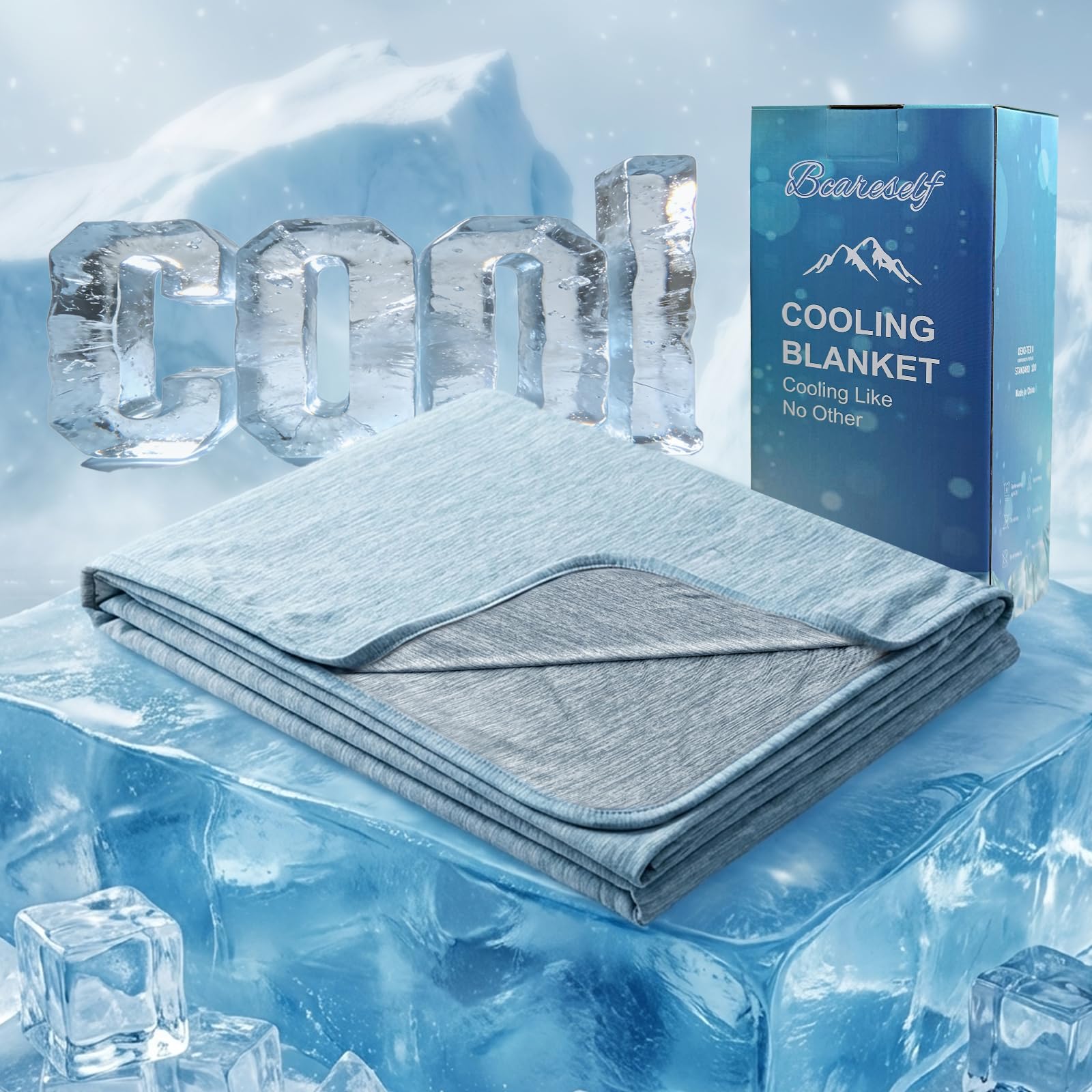


Who Needs a Summer Blanket
A summer blanket suits hot sleepers, warm climates, and anyone who wants light coverage without a heavy duvet. It also suits couples with different temperature needs, since a light blanket can layer over one side without overheating the other. Air conditioned bedrooms still benefit, since a breathable blanket prevents clamminess when cooling cycles off.
It is less suited to cold sleepers or unheated rooms, where a light blanket leaves you chilled. Those sleepers should layer a summer blanket over a warmer base, or choose a medium weight blanket instead. A summer blanket is a warm weather tool, and using it year round in cold rooms will disappoint.
- Hot sleepers who wake sweaty under duvets
- Warm climate bedrooms without steady cooling
- Couples needing light, flexible layering
Fabrics, Weave, and Weight
Breathable Fabrics
Cotton is the classic summer choice because it breathes, absorbs moisture, and washes easily. Percale cotton feels crisp and cool, while cotton voile feels softer and lighter. Linen breathes even better and feels cool at first touch, though it wrinkles and costs more. Bamboo derived fabrics feel soft and wick moisture, but check fabric blends, since pure bamboo claims vary.
Avoid heavy polyester blankets for summer sleep, since many trap heat and feel clammy despite light weight. Blends can work if cotton or linen dominates, but a blanket that feels plasticky in your hands will feel hotter at night. Feeling the fabric and checking how open the weave is predicts night comfort better than packaging claims.
Weave and Weight
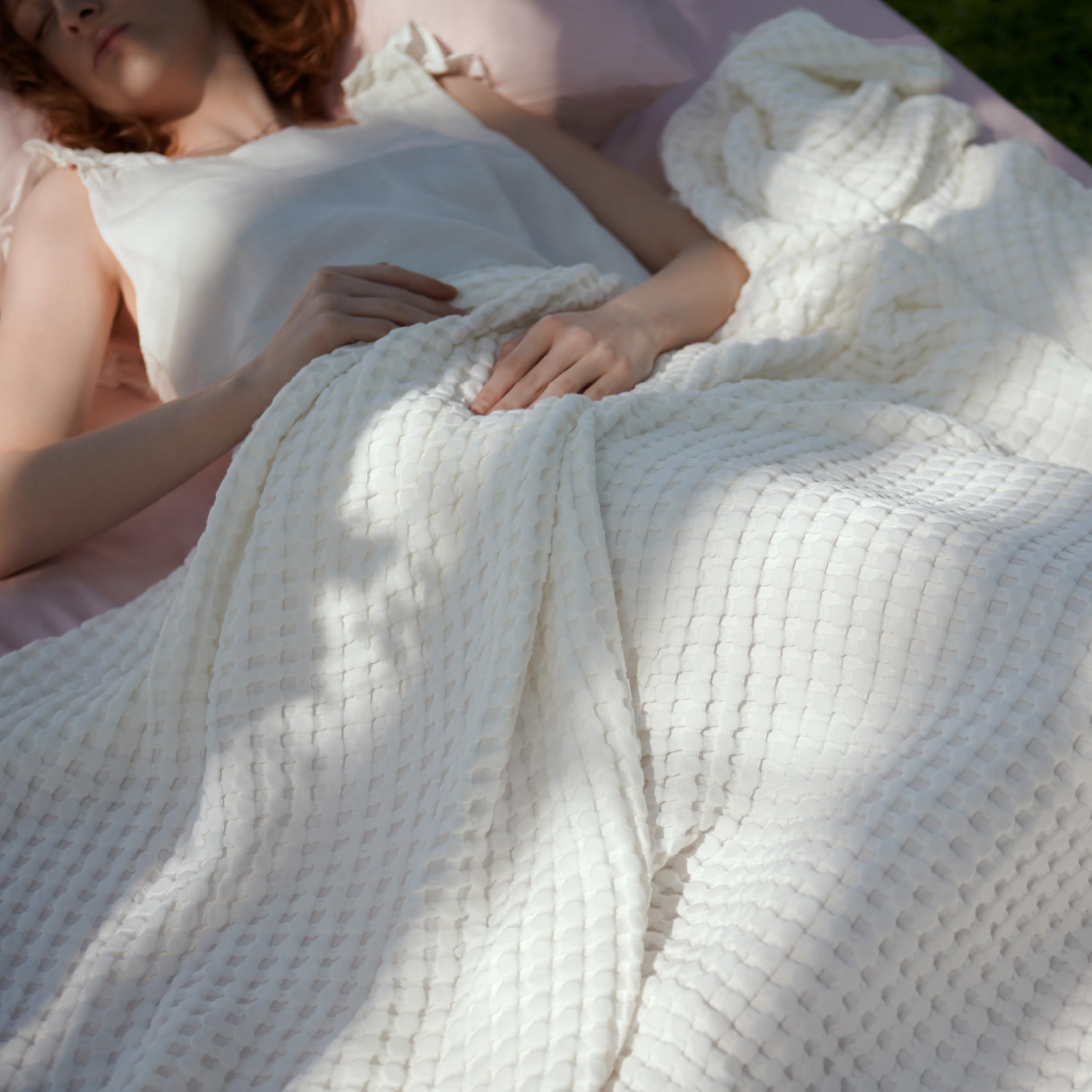
Open weaves such as waffle and gauze let air flow through the blanket, which cools better than dense weaves of the same fabric. Waffle blankets trap light air pockets without weight, while gauze blankets layer easily and dry quickly. A dense, heavy blanket, even in cotton, can still sleep warm, so weave matters as much as fiber.
Weight should feel barely there when spread over the bed. A summer blanket that feels substantial in hand will feel heavier after hours under it, especially for restless sleepers. Choose the lightest blanket that still gives the sense of coverage you like, since psychological comfort matters too: some sleepers need a little weight to feel settled.
Size, Layering, and Care
Size should cover the bed with enough drape at sides and foot to stay in place overnight. A blanket that is too short pulls off during sleep, while an oversized blanket bunches and traps heat. Check dimensions against your mattress size, including toppers, since toppers add height that short blankets cannot cover.
Layering extends a summer blanket into cooler nights. Pair it with a light sheet underneath and add a thin throw only when needed, rather than switching to a heavy duvet at the first cool night. Washability matters for summer, since sweat and sunscreen soil blankets faster, so favor machine washable fabrics that dry quickly.
Types Compared
Summer blankets range from cotton waffle to linen and light quilts, and each cools differently. The table below compares them for hot sleepers.
| Type | Suits | Watch Out For |
| Cotton waffle | Most hot sleepers, easy care | Can feel textured |
| Linen blanket | Very hot climates | Wrinkles, higher price |
| Light summer quilt | Sleepers wanting more coverage | Warmer than waffle |
Cotton waffle suits most hot sleepers with easy care, linen suits very hot climates with a premium feel, and light quilts suit sleepers who want a little more coverage without winter weight. Choose by climate, care habits, and texture preference.
Readers comparing nearby options often find related guides useful. See best bed blanket, best blankets for summer, and best lightweight summer blankets for closer looks at those related choices.
Choosing for Your Sleep Style
Side sleepers should check that the blanket drapes without bunching at hips and shoulders, since bunching traps heat at pressure points. Back sleepers can use lighter blankets, since they move less and lose less coverage overnight. Restless sleepers benefit from larger sizes that stay put through turning, even if the extra fabric adds a little weight.
Couples should consider separate light blankets if temperature needs differ sharply, since separate blankets end nightly tug wars and let each sleeper choose weight. A shared blanket works when needs are similar, but separate blankets are a practical, low cost fix for mismatched sleep temperatures.
If your shortlist is still wide, these related guides can narrow it. See best winter blankets for bed for a closer look at that related choice.
Care and Common Mistakes
Wash summer blankets regularly in summer, since sweat buildup makes even breathable fabrics feel clammy. Follow care labels, avoid high heat that shrinks cotton and linen, and dry fully before use to prevent musty smells. Store off season blankets clean and dry, since stored sweat stains set over time.
A common mistake is choosing by color or pattern alone, without checking weave and weight. Another mistake is buying a blanket too small for a topped mattress, which pulls off nightly. Measure your bed, check weave openness by holding the blanket to light, and favor breathability over decoration.
What Your Money Gets at Each Price Level
Price tiers for a summer blanket reflect materials, build quality, and features rather than a single best choice, so use this table as a guide to where extra spending actually helps. A budget option often covers the core job well, while higher tiers add durability, comfort, or convenience that frequent users will notice most.
| Tier | Typical Price | What You Get |
| Budget | about $20 to $40 | Basic cotton blankets with simple weaves. |
| Mid range | about $40 to $80 | Better cotton or linen blends with open weaves. |
| Higher end | about $80 to $150 | Premium linen, refined finishes, and generous sizing. |
Start at the lowest tier that meets your real use, then step up only for a weakness that would bother you daily. A casual user rarely benefits from premium durability, while a daily user feels cheap materials quickly. That simple rule keeps spending sensible without sacrificing the features that matter for your routine.
Also consider running costs and lifespan alongside the purchase price. A slightly pricier option with replaceable parts, washable covers, or widely available spares can cost less over years than a cheap option that needs early replacement. Compare total ownership, not just the price on the listing, before you decide.
Frequently Asked Questions
What fabric is coolest for summer blankets?
Linen and open weave cotton are among the coolest, since both breathe well and wick moisture, with linen feeling cooler at first touch. Cotton percale and waffle weaves also sleep cool and wash easily. Avoid dense polyester, which traps heat, and check that bamboo blends are mostly natural fiber for real breathability.
Should a summer blanket be lightweight or medium weight?
Most hot sleepers do best with a lightweight blanket that covers without trapping heat, since weight adds warmth even in breathable fabrics. Sleepers who like a sense of coverage can choose a light medium weight waffle, which feels settled without winter warmth. Judge weight by how it feels when spread over your arm.
Can I use a summer blanket with air conditioning?
Yes, a summer blanket pairs well with air conditioning, since it gives light coverage without overheating when cooling cycles off. A breathable blanket prevents clamminess during temperature swings, while a heavy duvet can feel hot even in cooled rooms. Layer a sheet underneath for adjustable comfort on nights when cooling cycles on and off.
How do I wash a summer blanket without shrinking it?
Follow the care label, wash in cool or warm water, and avoid high dryer heat, which shrinks cotton and linen most. Line drying preserves size and freshness, while low heat tumble drying works when time is short. Wash before first use to remove finishes that can reduce breathability.
What size summer blanket should I buy?
Choose a blanket that covers your mattress plus drape at the sides and foot, accounting for any topper height. A queen blanket on a queen bed with a thick topper may pull short, so size up if your mattress is tall. Larger sizes also suit restless sleepers, since extra drape keeps coverage through turning.
Should couples use one blanket or two?
Separate light blankets suit couples with different temperature needs, since each sleeper can choose weight and coverage without nightly tug wars. A shared blanket works when temperature preferences match closely. Many couples sleep better with them.
Final Thoughts
A good summer blanket breathes, weighs little, and stays put without trapping heat. Compare the product table against your climate and sleep style, and judge weave and weight before buying.
Cool sleep starts with airflow, not with marketing. Careful best bed blankets for summer research usually ends with a light blanket that lets you sleep through hot nights comfortably.