Best Bed Pillows for Sleeping: Every Type Explained Side by Side for 2026
Disclosure: We may earn a commission when you buy through links on this page, at no extra cost to you. As an Amazon Associate I earn from qualifying purchases. Learn more
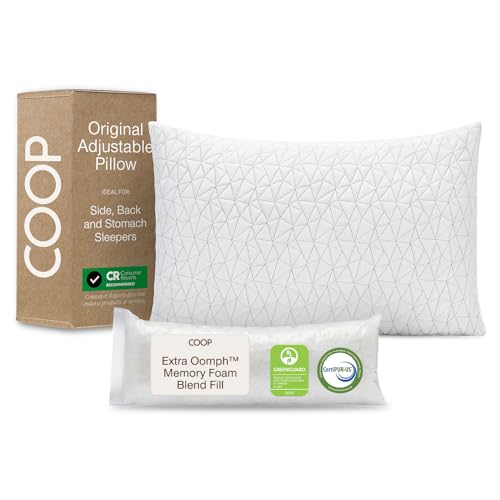
Compare the best bed pillows for sleeping by type, then match loft and firmness to how you sleep.
Choosing a pillow should be simple, yet the shelves are full of competing claims about cooling, support, and sleep quality. This guide compares every major type side by side, explains loft and firmness in plain terms, and helps you match a pillow to your sleep position rather than to a slogan. The best bed pillows for sleeping feel right for your head, neck, and shoulders through the whole night, and the comparison table below lays out the tradeoffs before you spend anything.
Start with how you sleep, not with a material. Side sleepers usually need more loft to fill the gap between head and shoulder, back sleepers need medium loft to keep the neck neutral, and stomach sleepers need a low, soft pillow to avoid bending the neck upward. Once you know your position and whether you sleep hot, the type comparison becomes much easier to read.
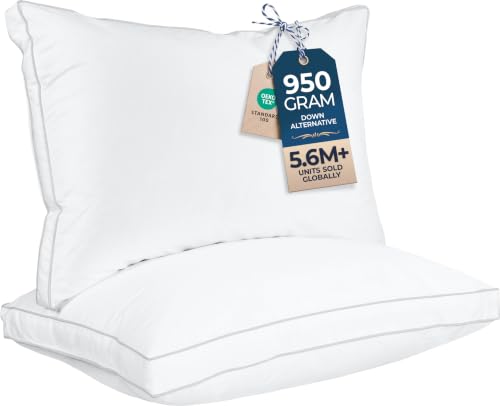

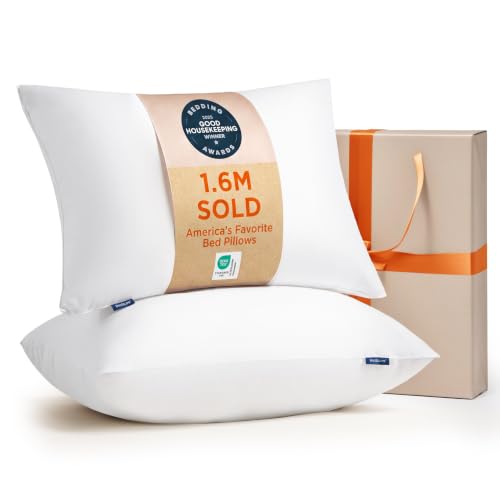
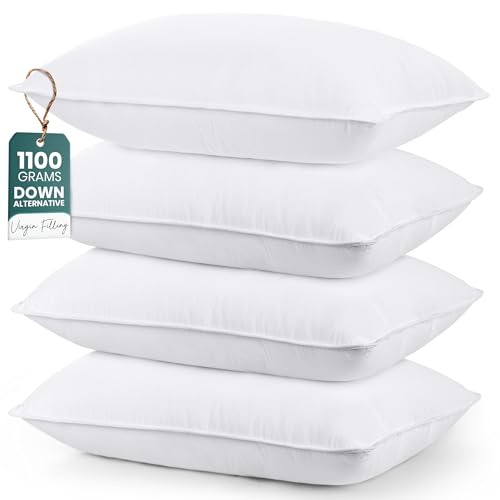



Best Bed Pillows for Sleeping: Types Compared
The table below gives a quick overview of the main types. Each section that follows explains how the type works, who it suits, and where it falls short, so you can compare them on equal terms.
| Type | Best For | Pros | Cons | Typical Price |
|---|---|---|---|---|
| Cooling fabrics | Hot sleepers | Breathable surface, drier feel | Cooling fades with body heat | About $25 to $80 |
| Cotton percale and sateen | Crisp or smooth feel fans | Natural fibers, easy washing | Flattens faster than foam | About $20 to $70 |
| Memory foam | Steady support seekers | Even pressure, slow response | Can sleep warm, heavier feel | About $30 to $100 |
| Down and down alternative | Soft, moldable feel fans | Light, adjustable loft | Needs fluffing, less steady support | About $25 to $120 |
Cooling Fabrics
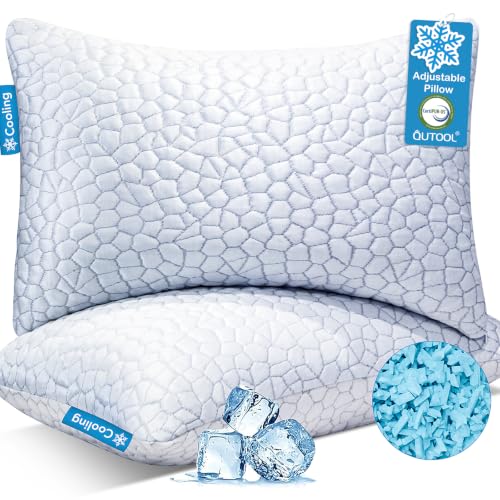
Cooling pillows use breathable covers, open weaves, or phase change fabrics to move heat away from your head at the start of the night. They feel noticeably cooler when you first lie down, which suits people who wake up warm or who live in a warm bedroom. The cooling effect usually fades as the pillow warms to body temperature, so the fill underneath still matters for the rest of the night. Pair a cooling cover with a breathable fill if you sleep hot all night, and remember that a cool room and light bedding help more than any single fabric.
Cotton (Percale and Sateen)
Cotton pillows come in two main cover feels: percale, which feels crisp and matte, and sateen, which feels smooth and slightly silky. The fill is often cotton fiber, down alternative, or a blend, so the cover feel and the support feel are two separate choices. Cotton covers wash easily and breathe well, which suits sleepers who want a fresh, natural surface. The tradeoff is that fiber fills flatten faster than foam, so you may need to fluff the pillow often and replace it sooner to keep the same loft.
Memory Foam
Memory foam softens with body heat and molds around your head and neck, giving steady, even support that changes little during the night. It suits sleepers who want a stable loft and who do not shift position often, since the foam responds slowly to movement. The main downsides are warmth and weight: dense foam can trap heat, and a solid foam pillow feels heavier to move than a fiber pillow. Shredded foam versions feel more adjustable and breathe better, but they still suit sleepers who prefer a firmer, more settled feel.
Down and Down Alternative
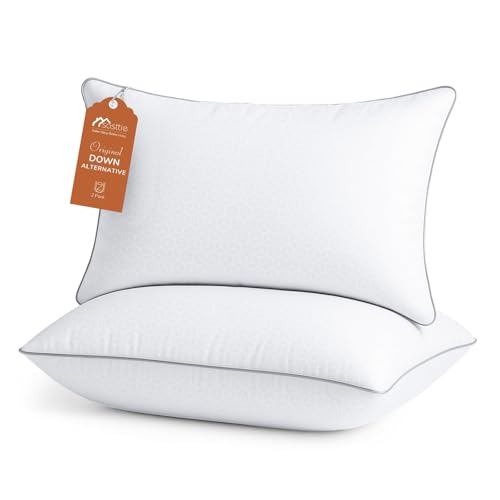
Down pillows use soft clusters that mold easily and feel light on the head, while down alternative pillows use synthetic fibers shaped to imitate that softness without animal fill. Both types let you push fill around to change the loft, which suits sleepers who adjust their pillow during the night. The tradeoff is stability: the loft can shift under your head, so side sleepers who need firm, steady height may wake up with less support than they started with. Regular fluffing restores the shape, and a good cover keeps fill from escaping.
Cooling Fabrics vs Cotton (Percale and Sateen): Which Should You Choose?
Cooling fabrics win at the start of the night, when a cool surface helps you fall asleep, while cotton covers win on breathability, easy washing, and a familiar natural feel. Compare them on four points: initial coolness, airflow through the night, washing ease, and how the cover pairs with the fill inside. If you sleep hot in a warm room, a cooling cover over a breathable fill is the safer pick. If you value a crisp or smooth cover that you can wash often, cotton percale or sateen fits better, and you can still add a light, breathable fill for airflow.
How to Choose the Right Bed Pillow
Use the factors below in order: sleep position first, then heat, then material, then firmness and care. A pillow that scores well on one factor but misses your sleep position will still leave you uncomfortable by morning.
Features That Matter for Sleeping
Sleeping demands steady head height, a neutral neck, and a surface that stays comfortable for hours, not just for the first minutes. Look for a loft that fills the gap between your head and the mattress without lifting your chin toward your chest or letting your head drop. Check the pillow dimensions too, since a standard size suits most sleepers while a larger size gives more room to shift. For a related guide to pillows grouped by sleep style, see our guide to best pillows for sleeping.
Cooling and Breathability
Cooling comes from airflow and moisture movement, not from a single magic fabric. Open cell foam, breathable covers, and fiber fills that do not pack tightly all let air move, while dense solid foam and heavy covers trap heat. Thread count is not the whole story: a very high thread count can feel smoother but breathe less than a moderate count with an open weave. If you sleep hot, choose a breathable cover and fill, keep the bedroom cool, and avoid heavy bedding that cancels out the pillow cover.
Material and Fill
Material decides how the pillow responds when you move. Memory foam holds its shape, latex feels springy and responsive, fiber fills feel soft and adjustable, and down feels light and moldable. Cotton percale and sateen describe the cover weave, while linen and bamboo covers offer different textures and airflow. For a simple overview of pillow sizing and covers, see our guide to best bed pillows, and pair your pillow choice with bedding that suits the same sleep style, as in our guide to best bed sheets.
Firmness, Loft, and Sleep Position
Firmness and loft work together: loft is the height of the pillow, while firmness is how much it compresses under your head. Side sleepers usually need high loft and medium to firm support to fill the shoulder gap, back sleepers need medium loft with gentle neck support, and stomach sleepers need low loft and soft support. Heavier sleepers compress a pillow more, so they often need a firmer or higher loft pillow than a lighter sleeper in the same position. If you wake with neck stiffness that lasts, talk with a doctor about persistent or worsening pain rather than assuming a new pillow will fix it.
Durability and Care
Durability depends on fill type and on care. Foam pillows hold their shape longest but need spot cleaning and airing, while fiber and down pillows wash more easily but flatten sooner. Check whether the cover removes for washing, whether the maker allows machine washing, and what warranty or sleep trial applies. For side sleepers who need steady height, see our guide to best sleeping pillows for side sleepers before deciding on loft.
Care and Maintenance Tips
Protect your pillow with a washable cover and wash that cover weekly in warm water. Fluff fiber and down pillows each morning to restore loft, and air foam pillows regularly instead of soaking them. Replace a pillow when it stays flat after fluffing, when lumps will not smooth out, or when the cover shows wear that lets fill escape. Keep the bedroom clean and dry, since dust and moisture wear fills faster than normal use alone.
Frequently Asked Questions
What features matter most in a pillow for sleeping?
Loft matched to your sleep position, firmness that holds that loft through the night, and a breathable cover matter most. A pillow that is too high lifts your chin, while one that is too low lets your head drop, and both can leave your neck stiff by morning. Material comes next, since foam holds shape while fiber and down feel softer and more adjustable. Finally, check washing and care, because a pillow that is hard to keep clean will lose comfort faster than a simpler pillow you can maintain easily.
How do I wash bed pillows safely?
Read the maker care label first, since foam, down, and fiber fills need different care. Most fiber and down alternative pillows machine wash on a gentle cycle with a mild detergent, followed by thorough drying to prevent clumping. Solid foam pillows usually need spot cleaning and air drying instead of a full wash, since soaking can damage the foam. Always dry pillows completely before use, and use a washable protector to cut down on how often the pillow itself needs washing.
Are cooling pillows worth it for hot sleepers?
Cooling pillows are worth trying if you fall asleep warm but sleep comfortably once the room cools down, since the cool surface helps at the start of the night. They help less if you stay hot all night, because the cover warms to body temperature and the fill underneath then decides airflow. In that case, choose a breathable fill and cover together, keep the bedroom cool, and use light bedding. A cooling cover is a useful extra, but it cannot replace good airflow through the whole pillow.
Is a higher thread count always better?
A higher thread count is not always better, since it describes yarn density rather than comfort or cooling. A moderate count with an open weave can breathe better than a very high count with a tight weave, and the cover feel depends on fiber and finish as well as count. For pillows, the fill and the loft matter more than the cover count, so treat thread count as one detail among several. Choose a cover that feels comfortable against your skin and washes well, rather than chasing the highest number on the label.
What firmness suits a sleeper with back discomfort?
Medium firmness with medium loft suits many back sleepers, since it supports the natural curve of the neck without lifting the head too high. A pillow that is too firm can push the head forward, while one that is too soft lets the head sink and strains the neck. Comfort and fit guidance is all a pillow guide can offer, and pain that persists or worsens, or pain with numbness or weakness, deserves a doctor visit rather than another pillow purchase. Bring your sleep position and pillow height to that conversation, since both help a clinician judge fit.
How often should I replace my bed pillow?
Most pillows need replacing every one to two years, with foam lasting longer and fiber fills flattening sooner. Replace yours when fluffing no longer restores loft, when lumps stay after washing, or when the cover wears thin. Allergies, odors that survive washing, and visible staining are also signs to replace rather than keep using the pillow. A fresh pillow with the right loft for your sleep position usually feels better than an older pillow that has lost its shape, even if the older one once felt perfect.
Wrapping Up
Match loft to your sleep position first, then choose a material that holds that loft and a cover that breathes well through the night. Side sleepers need height and steady support, back sleepers need medium loft with gentle neck support, and stomach sleepers need a low, soft pillow.
The best bed pillows for sleeping are the ones that still feel right at 3 a.m., so use the product table above to compare types, check care and warranty, and choose comfort that lasts beyond the first night.