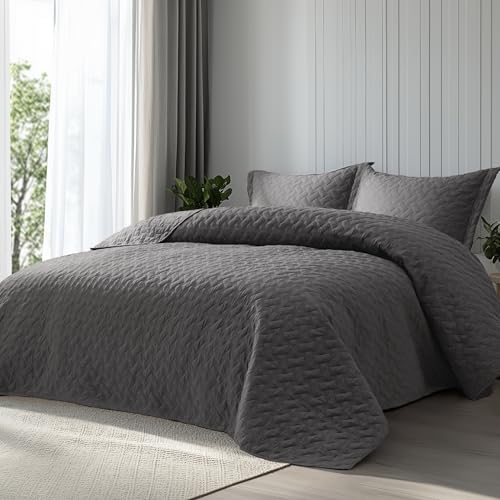
Best Bed Blankets for Warmth: Matching the Right Model to Your Routine for 2026
Disclosure: We may earn a commission when you buy through links on this page, at no extra cost to you. As an Amazon Associate I earn from qualifying purchases. Learn more
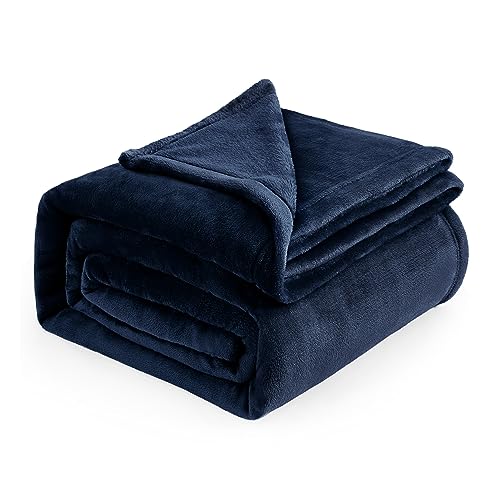
Discover the best bed blankets for warmth for your needs. We match features to real use cases so you avoid overpaying and get the right fit the first time.
There is no single warmest blanket that suits every sleeper, bedroom, and heating bill. A person in a drafty farmhouse needs something very different from a person in a mild apartment who runs hot by midnight. Finding best bed blankets for warmth starts with your routine, your room temperature, and how you actually sleep.
This guide matches blanket types to real use cases first, then explains the features behind warmth. The product table gives sizes and materials at a glance, and the sections after it help you avoid paying for loft or weight you do not need.


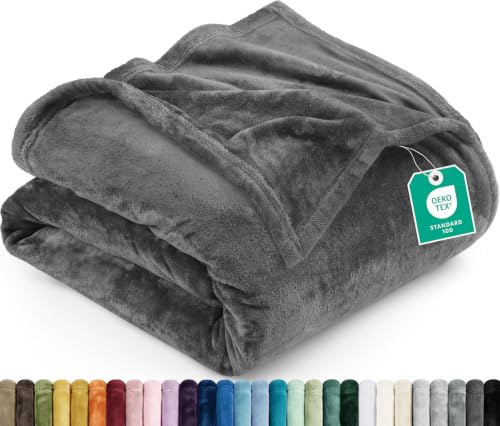


Who Should Buy Which Bed Blankets?
Start by placing yourself in one of the groups below. Each group needs a different balance of insulation, breathability, and care effort, and choosing by group prevents the most common buying errors.
For People Who Want the Best Performance
If you sleep cold in a cool room, prioritize insulation that traps still air without constant adjusting. Wool and quality down fill hold warmth well across the night and cope with temperature swings. Expect to pay around $100 to $250 for strong performance in a large size. Premium warmth is worth it when you can lower home heating at night, because the blanket then offsets part of its cost over a winter.
For Value Seekers
Value seekers should look at fleece, microfiber, and down alternative blankets that deliver steady warmth for around $35 to $90. These fabrics wash easily, dry fast, and suit guest rooms and family beds where blankets face heavy use. The trade off is lifespan and temperature control, since synthetic fills can feel clammy in a warm room. Check stitching and edge binding, which predict durability better than brand claims.
For First Time Buyers
First time buyers should choose a mid weight blanket in a washable fabric and a size that fully covers the mattress with drape on both sides. A simple cotton blend or down alternative layer works with most sheets and duvets, so you can adjust warmth by adding or removing layers. If you are also rebuilding your base layer, our guide to the best bed sheets explains how sheet fabric changes how warm a blanket feels. Start simple, sleep a week, then add a throw or a second layer only if needed.
Key Features to Compare
Warmth is not one feature but a result of fill, weave, weight, and fit working together. The points below translate each feature into what you will feel during the night.
Features That Matter for Warmth
Loft is the main warmth driver, because puffy fill traps air and air insulates. Look for fill weight or a stated warmth rating suited to your room, with winter weight options for rooms below about 65 degrees. Tight weaves block drafts, while brushed surfaces feel warmer on contact. A blanket that is warm but too heavy can disturb sleep, so match insulation to your thermostat before chasing maximum loft. For deeper winter needs, our guide to the best winter blankets for bed focuses on the coldest setups.
Size, Drape and Shared Beds
On a shared bed, size decides who stays warm. A blanket cut to the exact mattress width leaves each person with a narrow strip once both turn over. Soft fleece and knit blankets drape close and move quietly, so they shift less when one person turns, while slick or heavily coated fabrics slide and wake a light sleeper. A larger size with generous drape reduces tugging, because each sleeper keeps enough cover through the night.
Material and Fill
Wool regulates temperature and resists odor, but it costs more and may need gentler washing. Cotton breathes well and suits moderate cold, especially in a thermal weave, and our guide to the best cotton blankets for beds compares cotton weaves in detail. Down offers high warmth for low weight, while down alternative fills cost less and suit allergy concerns. Fleece and microfiber give instant surface warmth at low prices but can build static in dry winter air.
Loft, Weight and Sleep Position
Think of loft and weight as a match for your body and position. Side sleepers often like a draping blanket that fills the gap at the shoulder and hip without pressing down. Back sleepers do well with even mid loft layers. Stomach sleepers usually prefer lighter warmth so the chest and feet stay comfortable. Heavier blankets can feel secure, but anyone with breathing or mobility concerns should choose lighter layers and talk with their clinician about personal needs.
Common Mistakes to Avoid When Buying Bed Blankets
A short list of errors accounts for most returns and cold nights. Check your shortlist against each point before you order.
- Judging warmth by price or thickness alone, without checking fill type, weave, and room temperature.
- Ignoring the features that matter for warmth, such as loft and draft blocking, and buying a decorative throw as a main blanket.
- Buying too small, so the blanket barely reaches the mattress edges and pulls loose whenever you turn.
- Skipping care labels and warranty terms, then shrinking a wool or down blanket in a hot wash.
- Forgetting the rest of the bed, because a warm blanket over cold, damp feeling sheets still sleeps poorly; a good base such as the options in our guide to the best bed blanket basics can anchor your layering plan.
Setup and Care Tips
Shake a new blanket out and air it for a few hours before first use so loft can recover from packing. Wash sheets weekly in warm water and wash the blanket itself on the gentle cycle the label allows, drying fully before storage. Store off season blankets in a breathable bag in a dry place, not in a sealed plastic bin where moisture can linger. When summer arrives, our guide to the best bed blankets for summer helps you swap to a lighter layer without losing comfort.
A short trial helps before you remove tags. Sleep with the new blanket for two or three nights at your usual thermostat setting, and note whether you wake cold, comfortable, or sweating. Check the morning fit as well, because a blanket that ends up bunched at the foot of the bed is too slick or too small for your mattress. Keep the packaging until that trial is done, since most sellers accept returns far more easily when the blanket is clean, folded, and complete with its labels.
Frequently Asked Questions
What features matter most in bed blankets for warmth?
Loft, fill type, and weave matter most because together they trap air and block drafts. Size matters more than many buyers expect, since a short blanket leaks warm air at the shoulders and feet all night. Also consider how the blanket pairs with your existing duvet, because two mid weight layers often regulate temperature better than one extreme layer you cannot adjust.
How do I wash bed blankets safely?
You wash most blankets safely on a gentle cold or warm cycle with mild detergent, then dry on low heat or line dry as the label directs. Use a large capacity machine so the blanket can move freely and rinse clean. Add an extra rinse for down and thick fleece, because trapped detergent reduces loft and can irritate skin during long contact overnight.
How often should I replace my bed blanket?
Replace a blanket when it loses loft, develops thin patches, or no longer keeps you warm without extra layers. That point often arrives after about five to ten years for quality wool or down, and sooner for low cost synthetics. A useful check is to hold the blanket to the light, because visible clumping or bare spots mean insulation is no longer even.
Is fleece or wool warmer?
Both warm well, but they behave differently. Fleece gives instant warmth at a low price and washes easily, though it can feel clammy if you overheat. Wool holds heat and moves moisture away, which suits wide temperature swings, but it costs more and needs gentler care.
How heavy should a warm bed blanket be?
A medium weight blanket suits most people, and you can layer a second blanket on colder nights. Very heavy blankets can make turning over harder. If you have breathing or mobility concerns, ask your doctor before choosing a heavy layer.
What if one partner sleeps hot and the other cold?
Use separate blankets, or one shared blanket plus a throw on the colder side. If you overheat by midnight, choose breathable cotton or a lighter layer instead of maximum loft.
Wrapping Up
Match loft and material to your room and sleep style, buy a size with real drape, and keep care simple. The product table makes those comparisons fast before you commit. Chosen that way, best bed blankets for warmth will keep you comfortable through the cold months without wasted spending or restless nights.