
Best Bean to Cup Coffee Machines for Home by Budget: A Guide for 2026
Disclosure: We may earn a commission when you buy through links on this page, at no extra cost to you. As an Amazon Associate I earn from qualifying purchases. Learn more

Compare the best bean to cup coffee machines for home by budget tier, grinder, milk options, and long term costs with this practical buying guide.
Home bean to cup machines range from a few hundred dollars to well over two thousand, and the price gap is not always obvious from the outside. Knowing where the money actually goes helps you fund the features your household will use and skip the rest. The best bean to cup coffee machines for home are the ones whose tier matches your drink count, your milk habits, and your tolerance for cleaning.
This guide breaks the market into budget, midrange, and premium tiers, then shows which features deserve your money at each level. Check the comparison table below first, then read the tier notes before you set your budget ceiling.

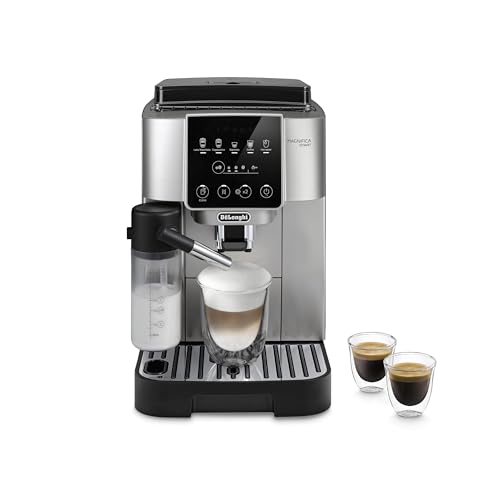
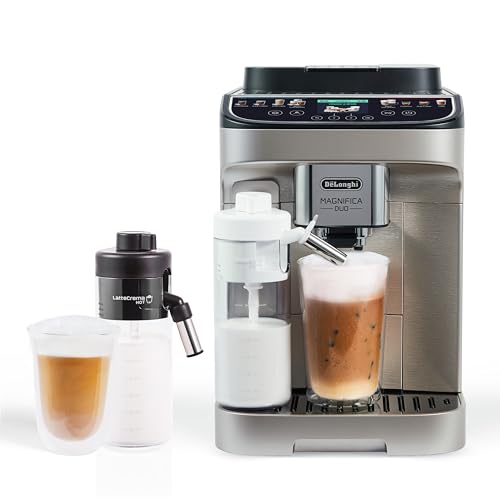

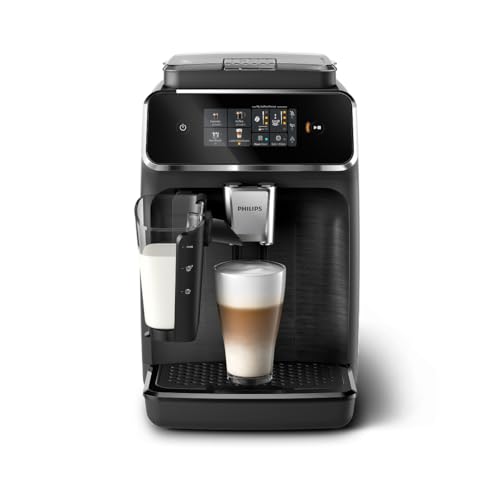

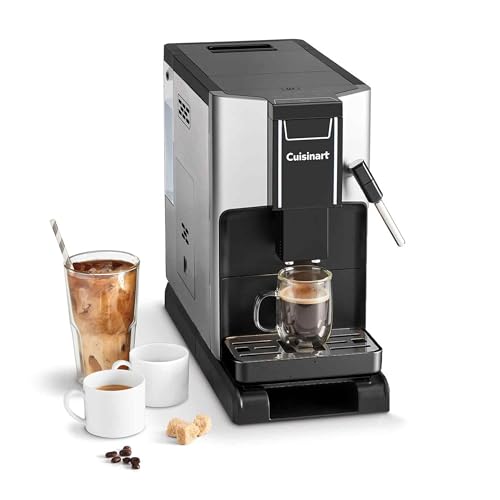
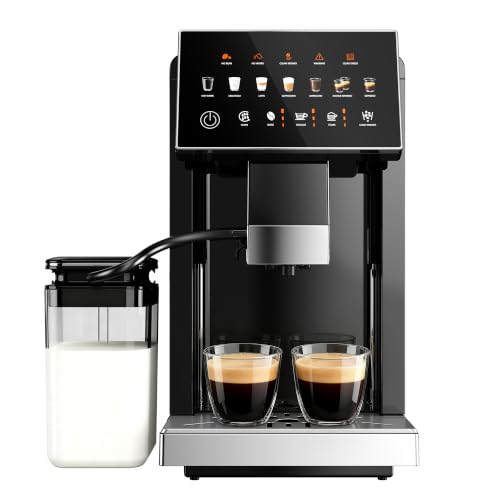
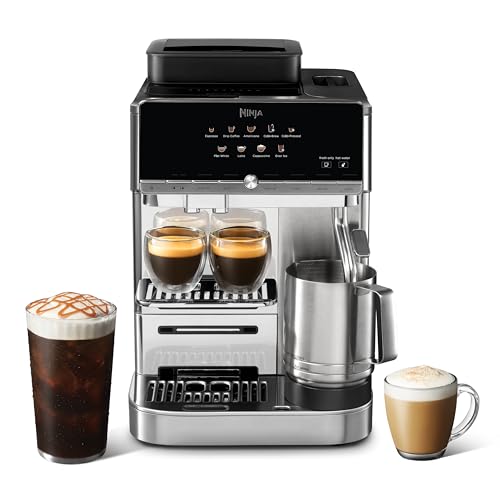

Three Budget Tiers at a Glance
Rather than naming models, use these three tier profiles as shopping checklists. Match a machine against the profile for your budget and you will avoid both underspending on a grinder you outgrow and overspending on automation you never touch.
Budget Profile
The ideal budget profile, around $300 to $600, covers the essentials honestly: a burr grinder with several settings, a pump that brews true espresso, and a manual steam wand for milk drinks. Expect a compact body, a smaller water tank, and simple dial or button controls. This profile suits singles and couples making one or two drinks at a time who do not mind a minute of hands on milk work. The main trade off is speed and polish, not basic drink quality.
Midrange Profile
The midrange profile, about $600 to $1,200, adds the comforts most homes feel daily: a bigger hopper and tank, saved user profiles, a clearer display, and either a refined wand or an automatic milk carafe. Warm up is faster and back to back drinks hold temperature better. This is the profile to target if two or more people drink coffee every morning. It also tends to include guided cleaning programs that protect your investment with little effort.
Premium Profile
The premium profile, often $1,200 and above, buys refinement and automation: dual heating for near instant steam, very quiet grinding, fine control over temperature and dose, and one touch milk drinks with distinct foam levels. Materials shift toward stainless, and service parts are easier to source. Choose this profile for busy households, frequent guests, or anyone who values a calm, fast routine enough to pay for it. Occasional users rarely recover the premium in enjoyment.
What Your Money Gets You at Each Price Tier
Budget Tier: What to Expect
Budget machines focus on the core path from bean to cup and trim everything else. Grinders may have fewer steps and more noise, milk comes from a manual wand, and drink menus stay short. Tanks and grounds bins need frequent attention. None of that prevents a good espresso or cappuccino, it simply asks more of you. If your household drinks mostly straight coffee with an occasional milk drink, this tier delivers honest value and a small footprint.
Midrange Tier: The Sweet Spot for Most Buyers
Midrange is where convenience jumps. You gain consistent dosing, better temperature control, programmable strength and volume, and milk options that cut the learning curve. Parts such as brew groups remove for rinsing, and descaling becomes a guided routine. For families comparing related categories, our guide to the best coffee machines for home shows how bean to cup models sit beside drip and pod options. For most homes, this tier is where extra spending stops feeling like a luxury.
Premium Tier: When Spending More Pays Off
Premium spending pays when it removes daily friction: instant steam after brewing, profiles for each person, quiet early morning grinding, and milk systems that rinse themselves. It also pays in longevity, with stronger pumps, metal fittings, and better warranty support. What it does not change is the need for fresh beans and clean water. A premium machine fed stale beans still disappoints, so reserve part of a large budget for a steady supply of quality beans.
Features Worth Paying For (and Ones to Skip)
Build Materials (Plastic vs Stainless vs Glass)
Pay for stainless where heat and wear concentrate, such as the boiler, steam wand, and drip tray, and accept quality BPA free plastic for housings and tanks. Full stainless exteriors look superb and clean easily, but they add cost without changing flavor. Glass appears on carafes for coffee serving and is fine if you handle it carefully. Skip paying extra for decorative chrome trim that only adds fingerprints and cleaning time to your morning.
Built In Grinder vs Pre Ground
A built in burr grinder is worth paying for at every tier, because beans stay fresh until seconds before brewing and you can tune the grind to the bean. Blade grinders, rare in this category, chop unevenly and hurt consistency, so treat a burr set as a requirement. Pre ground bypass modes are a useful free extra for decaf, not a reason to skip the grinder. Expect grinder quality and quietness to improve steadily as you move up tiers.
Brewing Method and Coffee Style
Pay for pressure brewing if espresso based drinks are your goal, since drip and pour over styles cannot produce the concentrated shot that lattes and cappuccinos need. Some home machines add a long coffee or pot mode, which is worth a little extra for households that host brunch. Cold brew modes on a bean to cup unit are usually a slow drip novelty, so do not pay a premium for them. Match the method list to drinks you already make weekly.
Milk Frothing Options
Milk handling is the feature most worth funding if you drink cappuccinos or lattes daily. A manual wand costs least and rewards practice with fine foam. Automatic carafes cost more, store in the fridge, and deliver consistent foam at a button press, which busy families love. If nobody at home drinks milk coffee, skip the carafe tier entirely and put the savings into the grinder. Shoppers focused on espresso first can compare our guide to the best home espresso coffee machines for a narrower view.
Long Term Costs to Factor In
The purchase price is only part of ownership. Budget for water filters every two to three months if your model uses them, descaler a few times a year, and fresh beans as your main running cost, often more than the machine over its life. Milk systems may need a specific cleaning solution to keep foam paths clear. Electricity use is modest, though premium dual heater models draw more during warm up. Finally, check warranty length and the price of burrs and seals, and read our guide to the best home bean coffee machines if you want to compare running costs across simpler grinder setups. High volume households should also glance at our guide to the best commercial bean to cup coffee machines to see when home duty limits appear, and espresso lovers can check our guide to the best bean to cup espresso coffee machines for extraction focused costs.
Frequently Asked Questions
Can I use regular coffee in a bean to cup coffee machine?
Yes, nearly all models include a bypass chute for pre ground coffee, measured one drink at a time. It is ideal for decaf at night or a flavored ground coffee a guest brings. Never pour grounds into the bean hopper, since fine particles jam the burrs. Flavor from pre ground coffee fades fast once a bag is open, so treat the chute as a convenience, not your main brewing path.
How long does a bean to cup coffee machine usually last?
Expect about five to seven years from a cared for midrange machine, with budget models often shorter and premium builds longer. Water quality and descaling discipline decide most of that span. A practical sign of age is slower heating and weaker steam, which often trace to scale rather than failure. Price a professional descale or seal service before assuming the machine is finished.
Is a more expensive bean to cup coffee machine really worth it?
It is worth it if your household makes milk drinks daily, values one touch speed, or includes several people with different taste settings. The gains are convenience, consistency, and quieter operation, not a magical jump in flavor. A solo drinker making one espresso each morning gains little beyond the midrange. Honest drink counts, not showroom demos, should set your ceiling.
Is a bean to cup coffee machine with a built in grinder worth it?
Yes, for almost every home buyer it is the defining advantage of the category. Fresh grinding improves aroma and lets you adjust for each new bag of beans, which pre ground coffee cannot do. The grinder also removes a separate appliance from your counter. The only exception is a household that drinks only decaf grounds and would never fill the hopper, a rare case worth a simpler machine.
What grind size works best with a bean to cup coffee machine?
Start with the maker suggested middle setting, which targets a fine espresso grind, and adjust in single steps. Sour, fast shots call for a finer setting, while bitter, slow shots call for coarser. Beans differ, so expect a small adjustment with each new bag or roast level. Change one variable at a time and taste two cups before judging, since the first cup after a change still holds some old grounds.
Final Thoughts
Set your tier by drink count and milk habits, insist on a burr grinder at any price, and keep money aside for beans, filters, and descaler. Those choices decide your daily experience far more than screen size or drink menu length. Review the product table above with your tier in mind, and the best bean to cup coffee machines for home for your kitchen will stand out clearly.


