Best Beam Flashlight Buying Guide and Checklist for 2026
Disclosure: We may earn a commission when you buy through links on this page, at no extra cost to you. As an Amazon Associate I earn from qualifying purchases. Learn more

The best beam flashlight matches throw or flood to your task. Compare distance, runtime, size, and weather resistance before you buy.
A beam flashlight is judged by how far and how evenly it throws light, not just by how bright it looks up close. The best beam flashlight matches its beam shape to your task, whether that means spotting a trail marker at distance, lighting a work area, or finding your way during a power outage. This guide explains the specs that matter, so you can compare options in the product table with confidence.
Two lights with the same brightness rating can behave very differently outdoors. A narrow beam reaches farther but lights a smaller area, while a wide beam covers more ground at close range but fades sooner. Understanding that tradeoff is the key to choosing well, along with battery life, size, durability, and controls.


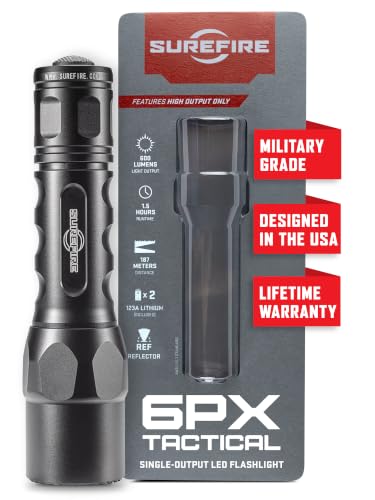
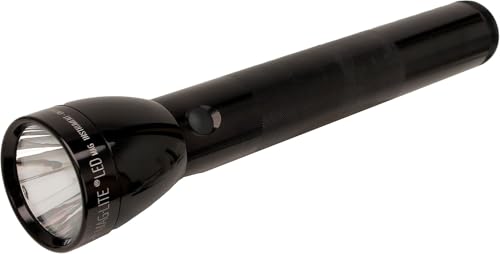

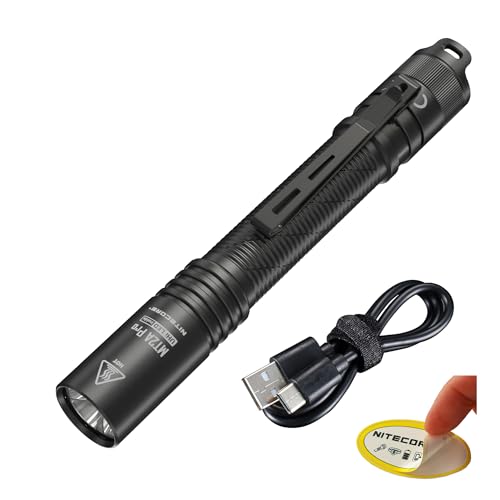
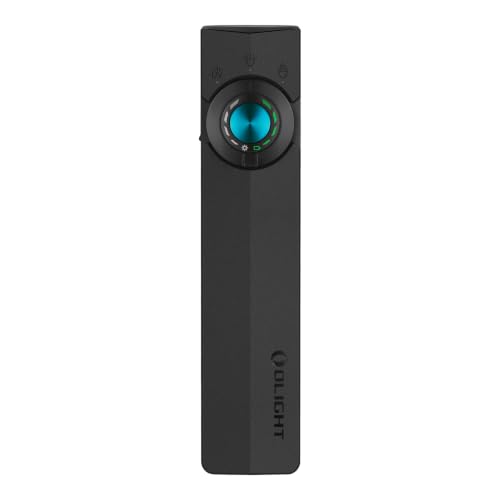
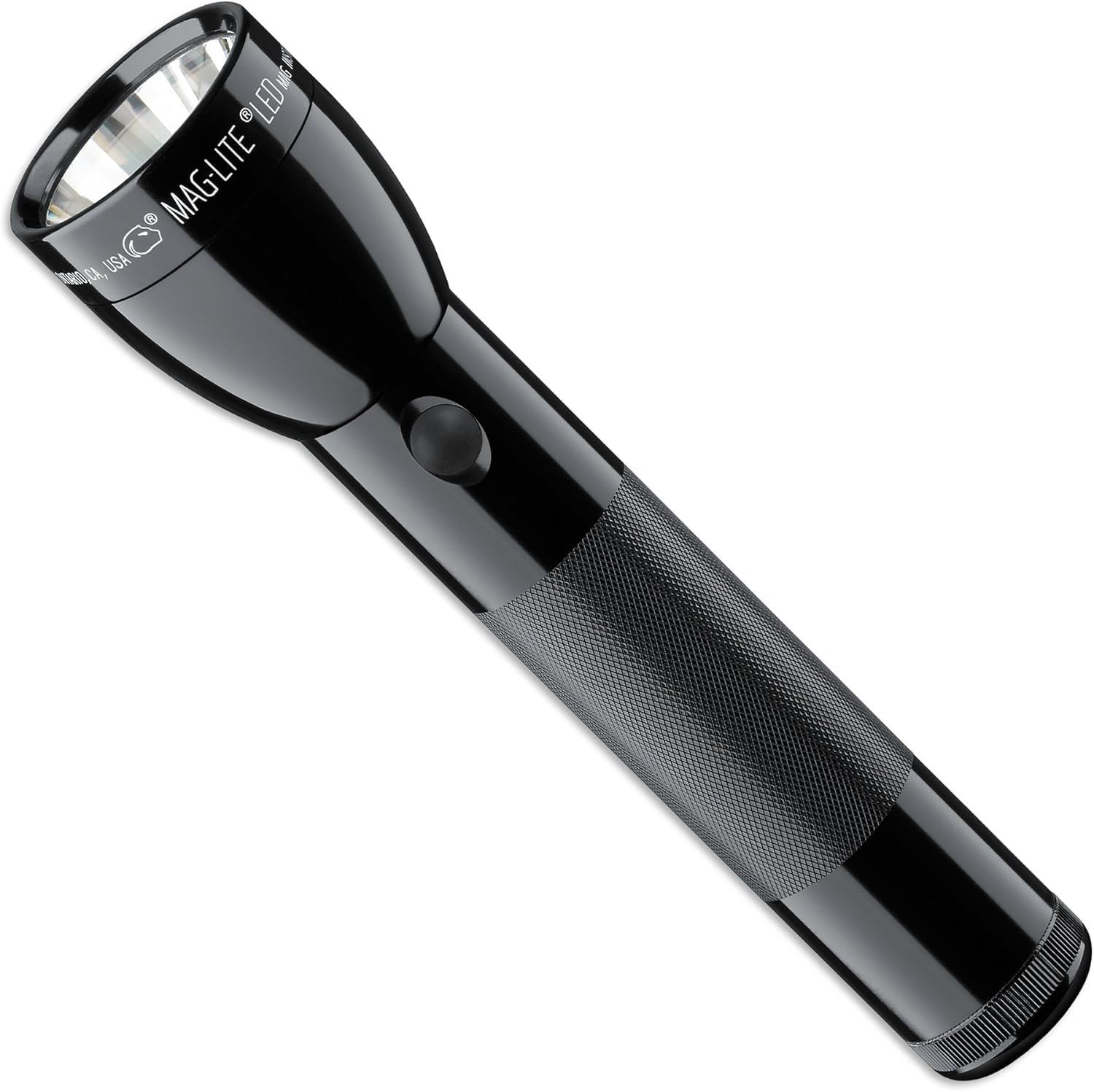
How to Choose the Best Beam Flashlight
Judge a beam flashlight by its beam, its battery, and its build, in that order. Start with how far you need to see and how wide an area you need to light, then check whether the battery can support that beam for long enough. Finally, check size, controls, and weather resistance, since a light that is hard to carry or hard to use will stay in a drawer.
Beam Distance and Throw
Beam distance tells you how far the light reaches usefully, and it depends on the reflector, the lens, and the light source working together. A throw focused beam concentrates light into a tight spot for distance, which suits trail use, search tasks, and spotting objects far away. Check the rated beam distance rather than brightness alone, since a high brightness rating with a wide beam may still fall short at distance. For close work, a very long throw beam can feel too narrow, so match distance to your real use.
Beam Shape: Throw Versus Flood
Throw beams reach far but cover a small area, while flood beams spread light widely for close and medium range work. Many lights offer an adjustable focus or several modes that shift between these shapes. An adjustable beam adds flexibility, but it also adds moving parts, so check that the adjustment feels smooth and stays in place. If you mostly work close up, a flood leaning beam will serve you better than a maximum throw beam.
Brightness and Modes
Brightness, measured in lumens, tells you how much light the flashlight produces, but it does not tell you how that light is shaped. Useful lights offer several modes, from a low mode for close tasks and long runtime to a high mode for distance and emergencies. For a closer look at high output options, see our guide to best bright flashlight. Check that switching modes feels simple, especially when you need light quickly in the dark.
Battery Life and Power Options
Battery life depends heavily on the mode you use. A light may run for many hours on low and for a much shorter time on high, so compare runtime figures at the same mode. Rechargeable batteries save money over time and suit frequent users, as explained in our guide to best rechargeable flashlight. Check the charging method, charging time, and whether the light can run while charging, since those details affect daily convenience.
Size, Weight, and Carry
Size and weight decide whether you will actually carry the light. A compact light fits a pocket and suits everyday carry, while a larger light often offers a longer beam and longer runtime. Compact options are covered in our guide to best small flashlights. A light that feels balanced in the hand is easier to aim steadily, which matters when you need to hold a beam on a distant target.
Durability and Weather Resistance
Look for a sturdy body, a secure lens, and a water resistance rating that matches your use. A light used outdoors should handle rain and drops onto firm ground without failing. Check the impact rating and the water resistance rating, and read the maker guidance for what those ratings actually cover. Seals and switches wear over time, so a light that is easy to inspect and clean will usually last longer.
Beam Types Compared
Beam types suit different tasks, and the right choice depends on where you will use the light most. A tight throw beam excels outdoors and at distance. A wide flood beam excels indoors, in workshops, and at camp.
A balanced beam tries to cover both, with a bright center spot and a useful spill of light around it. Many buyers do best with a balanced beam, since it handles the widest range of everyday tasks.
| Beam type | Strength | Best for |
|---|---|---|
| Tight throw | Long distance, narrow spot | Trails, search, spotting |
| Wide flood | Broad coverage, short range | Camp, workshop, close work |
| Balanced beam | Center spot plus spill | Everyday and mixed use |
| Adjustable focus | Shifts between throw and flood | Varied tasks, one light |
Spending Levels Explained
Budget lights can work well for occasional use around the home, especially when you need a simple beam and modest runtime. Mid range lights usually add better beam control, longer runtime, stronger bodies, and more reliable switches, which matters for frequent outdoor use. Higher priced lights often offer finer beam shaping, better efficiency, and tougher construction, but they only pay off if you use those advantages regularly.
Spend more when you rely on the light outdoors, in bad weather, or for safety critical tasks. Spend less when you need a backup light for a drawer or a glove box. In every price range, check beam distance and runtime at the modes you will actually use, rather than trusting the headline brightness figure alone.
Quick Buyer Checklist
Use these questions before you buy, and answer honestly rather than rushing to checkout:
- How far do I need to see, and how wide an area must the beam cover?
- Do I need a throw beam, a flood beam, or a balanced beam?
- How long must the light run on the mode I will use most?
- Is the battery type convenient for my use and budget?
- Is the size and weight comfortable to carry and aim?
- Can I switch modes easily in the dark?
- Does the water and impact resistance match my outdoor use?
- Does the maker state beam distance and runtime clearly?
Red Flags to Watch For
Be cautious when a listing claims extreme brightness or beam distance with no stated measurement standard, no runtime figures, and no detail about the battery. Vague claims, missing water resistance ratings, and very short warranties can signal a maker that does not stand behind the light. Watch for reports of switches failing, lenses fogging, or batteries draining while the light is off, since those problems affect reliability when you need light most.
Also be cautious of lights that promise a single beam for every task. A very narrow beam disappoints up close, and a very wide beam disappoints at distance. A trustworthy description explains the beam shape honestly and gives runtime figures for several modes, rather than quoting only the most impressive number.
Tips to Get the Most From Your Beam Flashlight
Store batteries at a moderate charge for long term storage, following maker guidance, and keep the lens and reflector clean for a clear beam. Avoid extreme heat, which shortens battery life, and check seals after use in rain or dust. Carry a spare battery or a backup light for important outdoor trips, since even a good light can run out at the wrong moment. Follow the manufacturer's instructions for charging and batteries, and keep small parts and batteries away from children.
Beam Flashlight Questions Answered
Is a brighter flashlight always better for distance?
A brighter flashlight is not always better for distance, because beam shape matters as much as total brightness. A narrow throw beam can reach farther than a brighter flood beam, since it concentrates light into a smaller spot. When comparing lights, look at beam distance alongside brightness, and think about how wide an area you need to light. For distant targets, a focused beam usually beats raw brightness, while for close work a wider beam feels more useful.
How many lumens do I need for outdoor use?
How many lumens you need depends on your task, your surroundings, and the beam shape. A modest output can work well on a dark trail, while a brighter output helps in open areas or when you need to spot objects far away. More important than a single lumen number is how the light holds up over time, since some lights dim quickly on high mode. Choose a light with a useful medium mode for regular use and a high mode in reserve for distance or emergencies.
How long should a beam flashlight run?
Runtime should match your longest realistic use, with some margin for cold weather and unexpected delays. A light may run for many hours on low but for a much shorter time on high, so check runtime at the mode you will actually use. Rechargeable lights suit frequent users, while lights with standard batteries suit emergency kits that sit unused for months. If you plan long outdoor sessions, carry a spare battery rather than trusting a single charge to last all night.
Are adjustable focus flashlights worth it?
Adjustable focus flashlights are worth it when you regularly switch between distant spotting and close work with one light. They let you tighten the beam for distance or widen it for area coverage, which reduces the need to carry two lights. The tradeoff is extra moving parts, so check that the focus mechanism feels smooth and stays where you set it. If you mostly use one beam shape, a fixed beam light often offers better durability and simpler controls.
What water resistance rating do I need?
The water resistance rating you need depends on whether you use the light in rain, near water, or only indoors. A light for outdoor use should handle steady rain without leaking, while a light for occasional home use can accept a lower rating. Read the maker guidance for what the rating covers, since ratings differ in depth and duration. After wet use, dry the light, check the seals, and clean any grit from the switch and lens areas.
Final Thoughts
Beam distance, beam shape, and runtime at your real mode matter more than headline brightness alone. Choose a beam that matches your task, a battery setup that fits your habits, and a body tough enough for your weather, then check the controls before you commit. The best beam flashlight is the one you will actually carry and trust, so review the product table above once more before you decide.