
Best Beach Umbrella: A Practical Buying Guide 2026
Disclosure: We may earn a commission when you buy through links on this page, at no extra cost to you. As an Amazon Associate I earn from qualifying purchases. Learn more

Learn how canopy size, wind resistance, weight, and setup help you choose a beach umbrella that gives steady shade and survives a breezy shore day.
A best beach umbrella should do three jobs at once: shade your group, stay put in wind, and pack down small enough to carry without a struggle. The comparison table below shows the main styles side by side so you can compare canopy size, weight, and setup style. This guide walks through each factor in plain terms so you can pick shade that actually works on a real beach day.
Beach shade fails in predictable ways. A canopy that is too small leaves feet and bags in the sun by midday. A pole that will not anchor lets the whole umbrella lift in a gust. A heavy, awkward bag means the umbrella stays in the car. Planning around those three failures will get you further than chasing the largest canopy you can find.
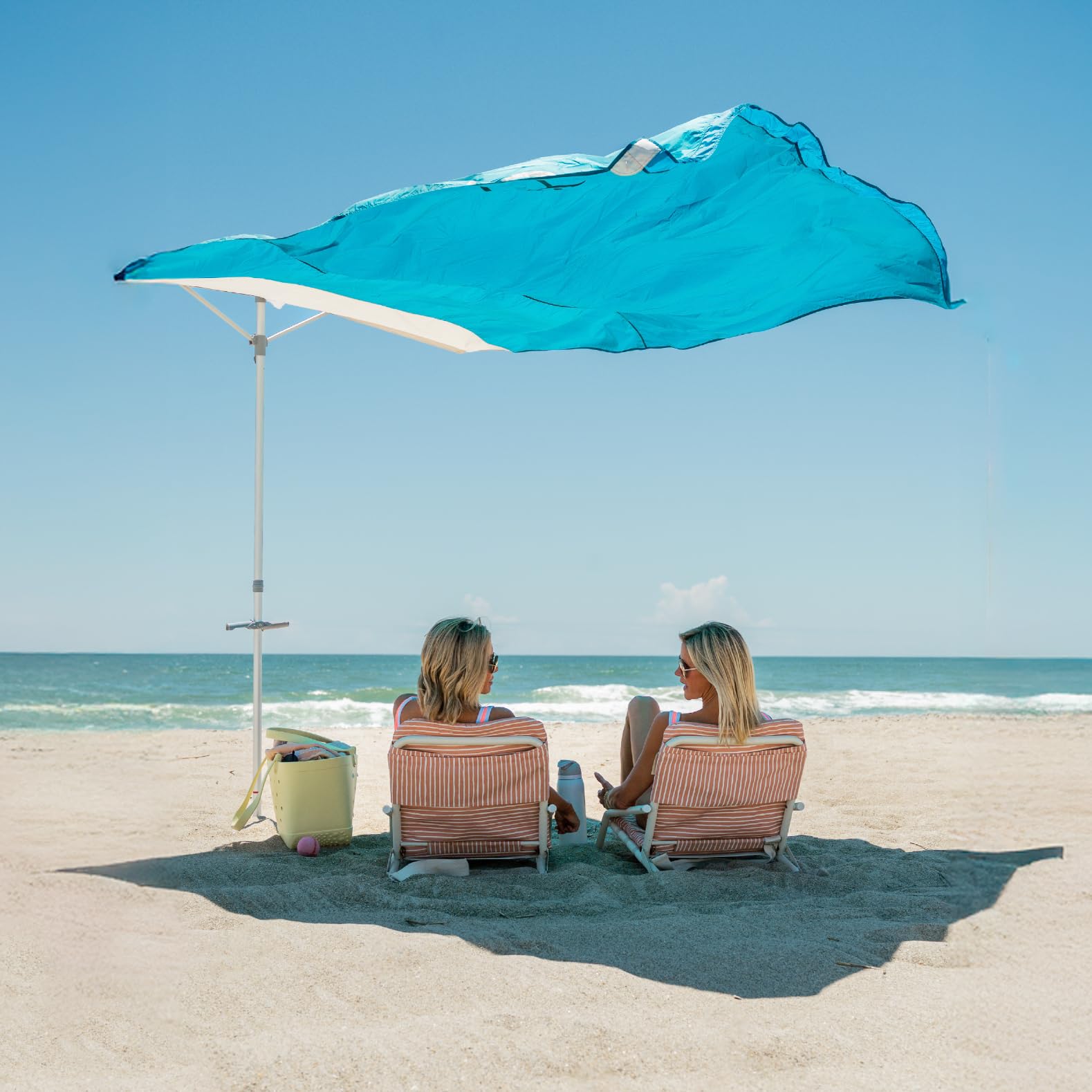

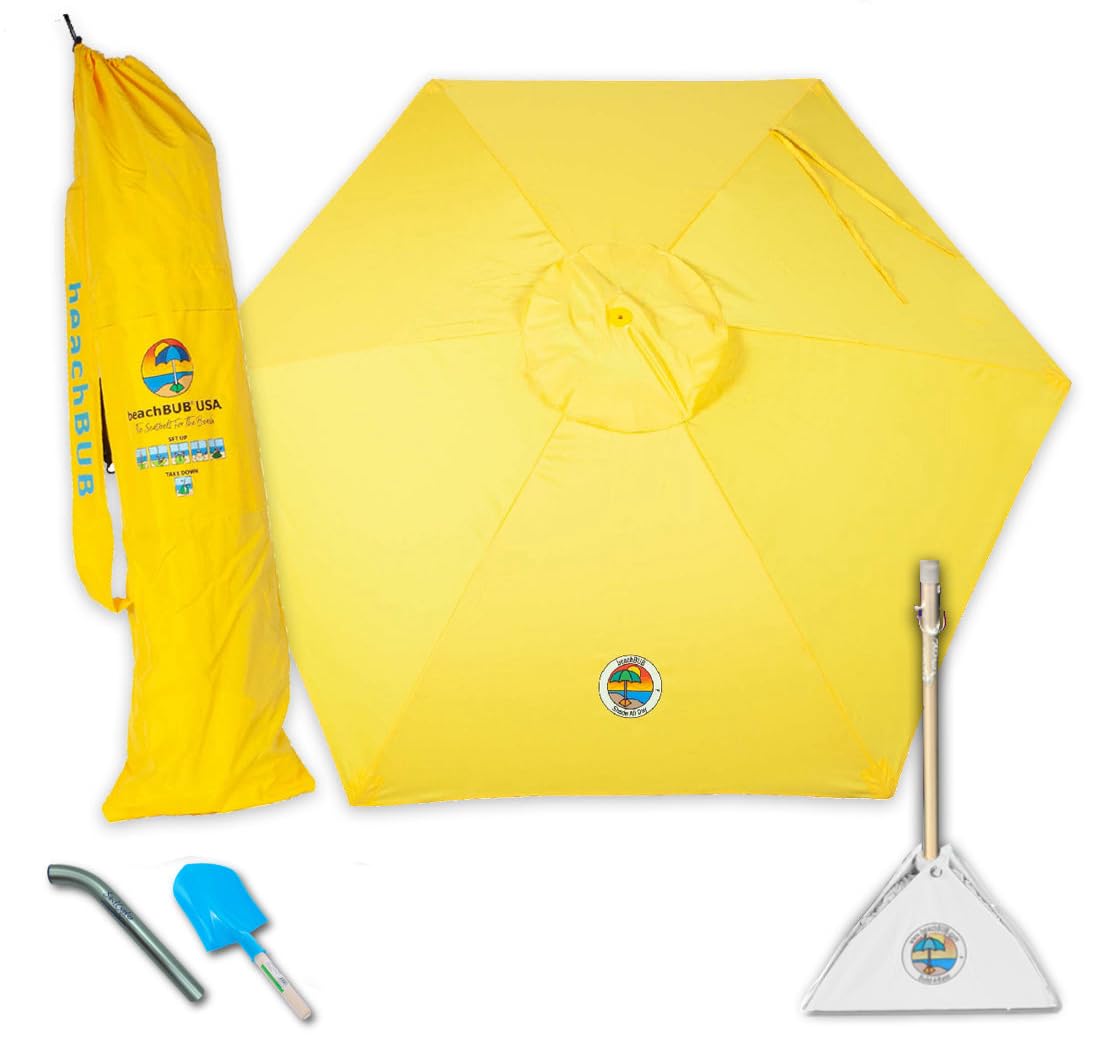
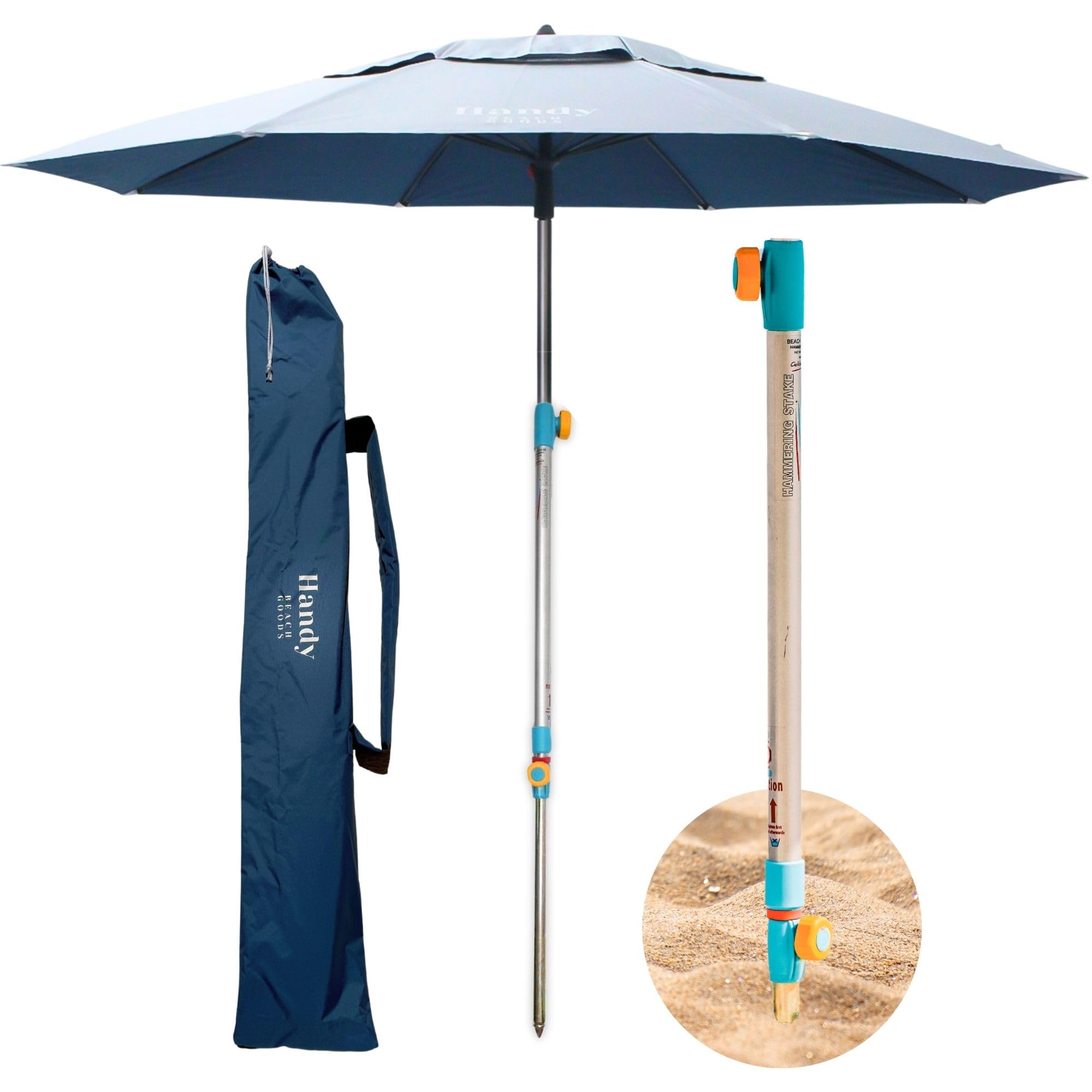
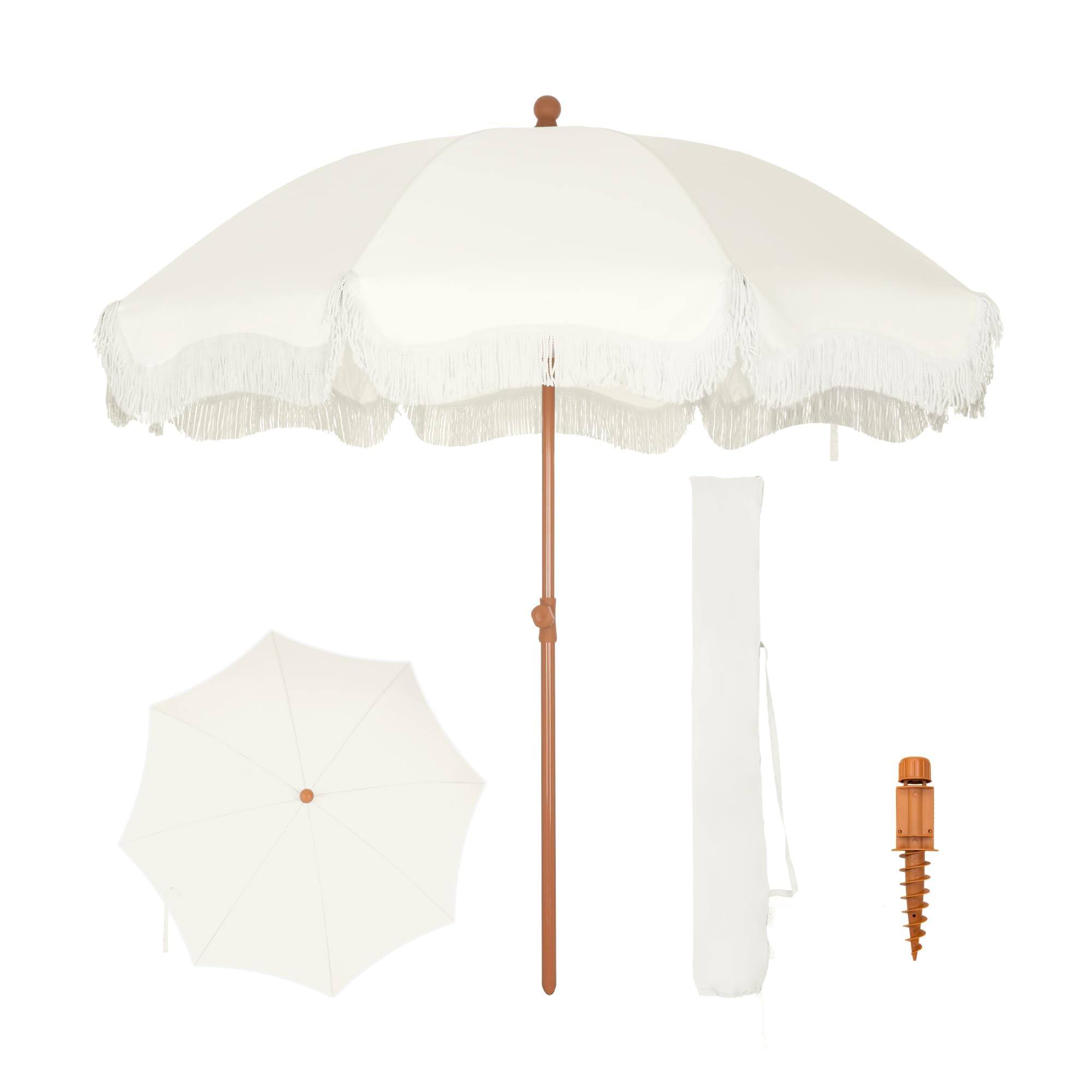
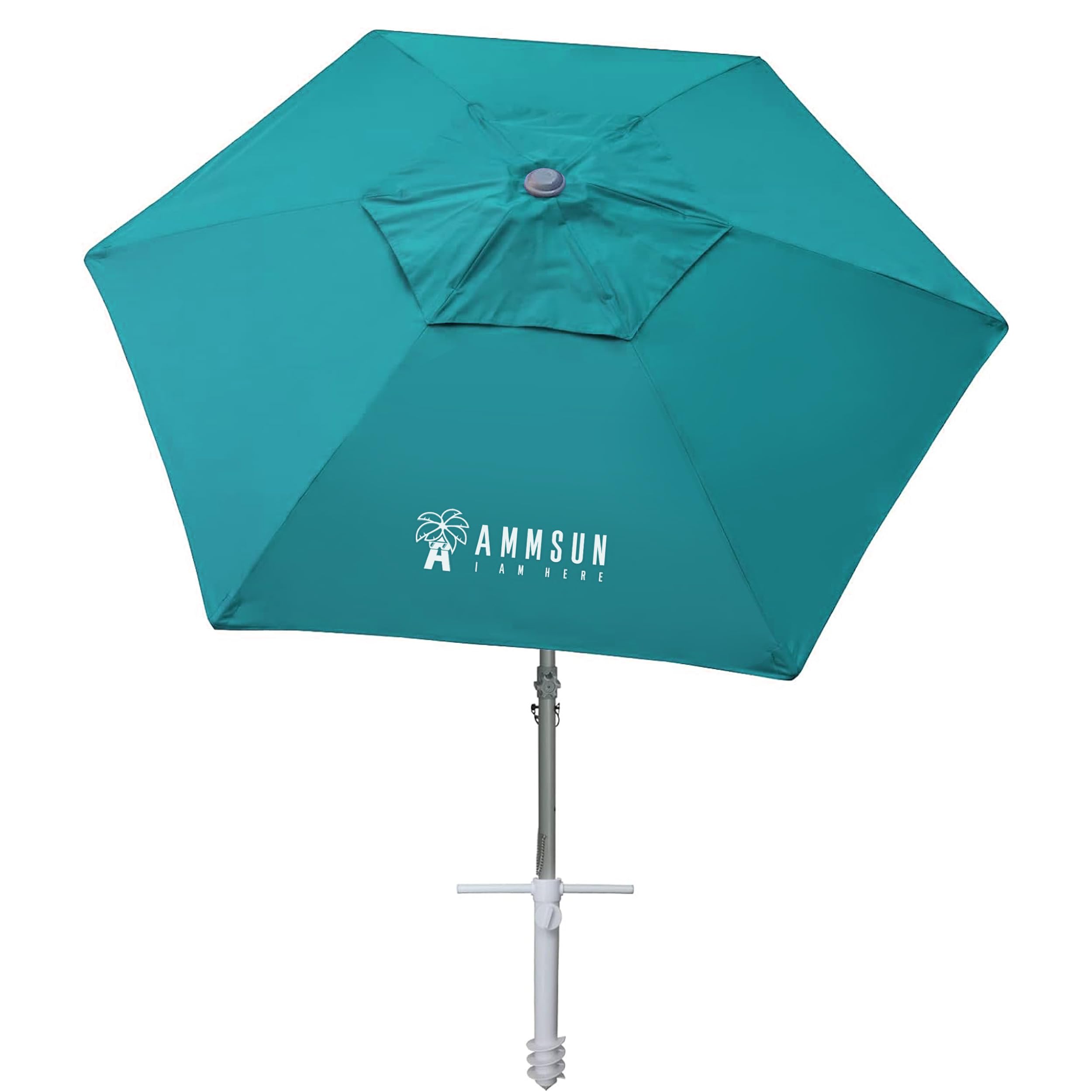

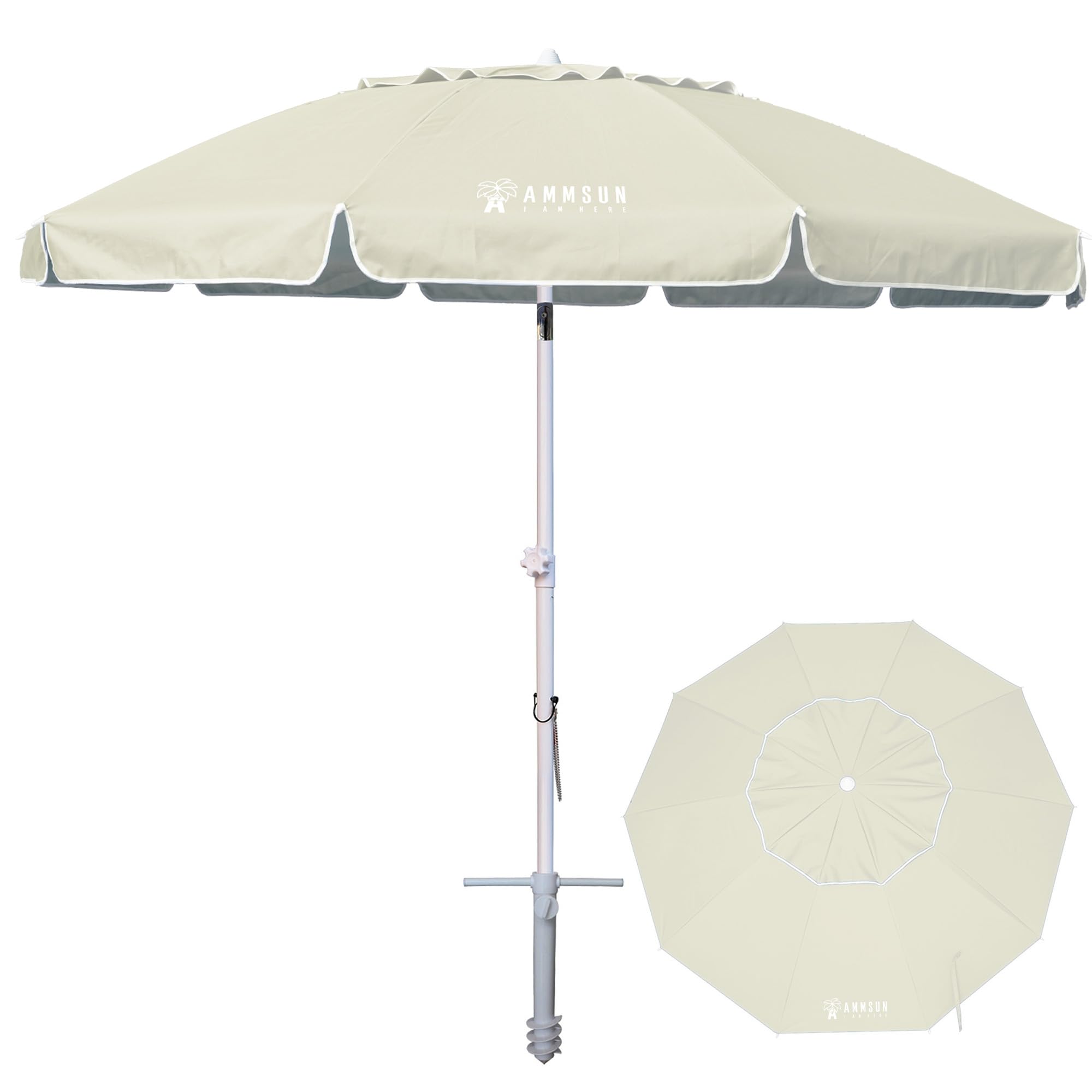
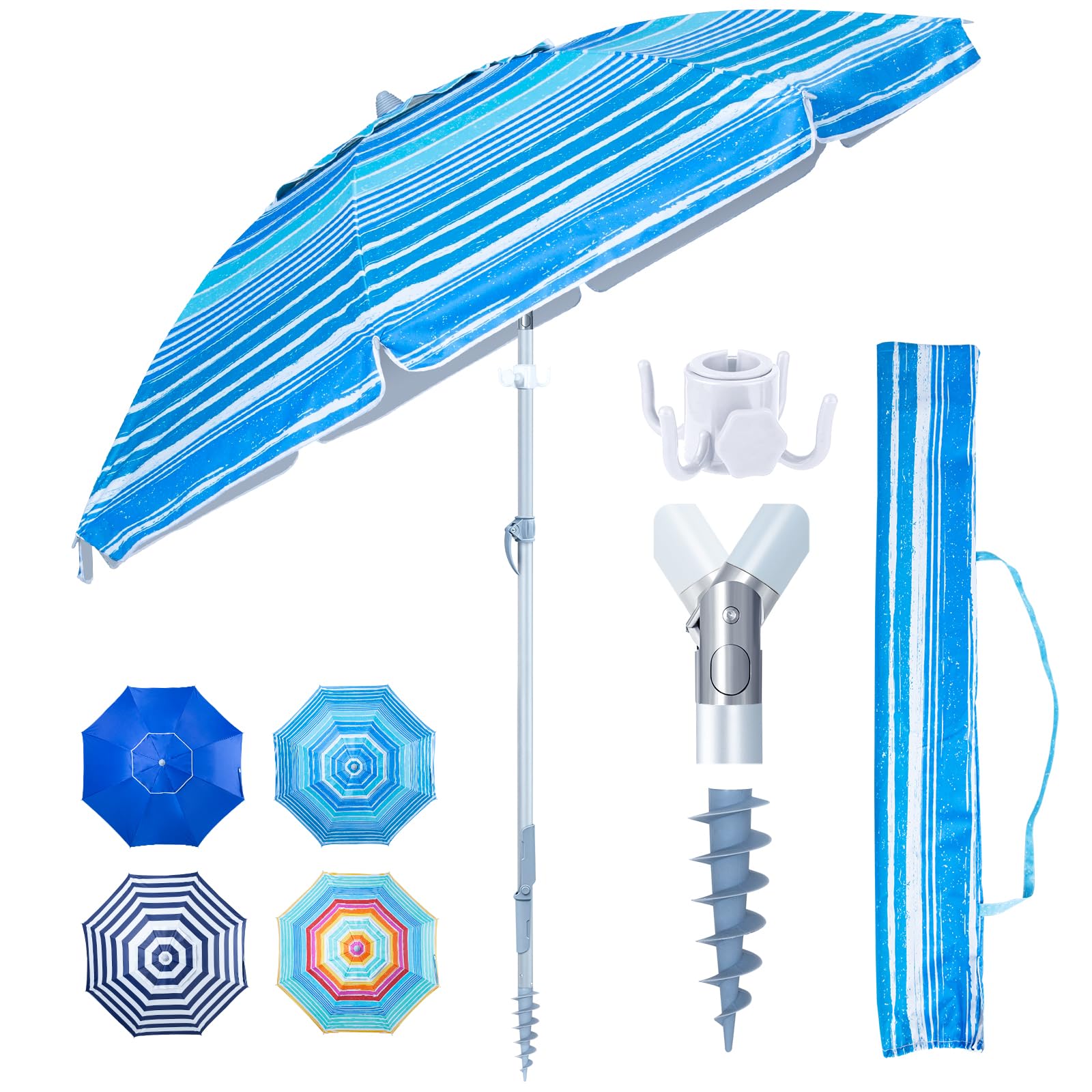

Who Should Buy Which Beach Umbrella
Families with children usually need a wide canopy, a sturdy anchor, and fabric that blocks sun well. A larger canopy costs more weight, but it keeps toys, snacks, and small children in shade as the sun moves. Solo beachgoers and couples can often choose a lighter, smaller canopy that is easier to carry and quicker to set up.
If you walk far from the car, weight and pack size matter more than maximum shade. If you drive right up to the sand and stay all day, a heavier canopy with a strong anchor is worth carrying. Think about your usual beach trip, not an ideal one, and let that trip set your priorities.
Key Features to Compare
Canopy Size and Sun Coverage
A canopy around 7 to 8 feet across shades two adults and their bags for a few hours, but the shade moves as the sun moves. Larger canopies near 9 feet cover a small group more reliably. Check the shape too: a tilted canopy throws shade where you sit, while a flat canopy throws it straight down and may miss your chairs.
Wind Resistance and Anchoring
Wind is the main enemy of beach umbrellas. Look for vented canopies that let gusts pass through, a pointed pole end or a screw anchor, and a way to add sand weight. In strong wind, tilt the canopy low and toward the wind. Never leave an umbrella open and unattended, because a gust can turn it into a hazard.
Weight and Portability
A good beach umbrella usually weighs around 5 to 10 pounds with its bag. Lighter models use fiberglass ribs, while heavier models use steel or wood poles that feel sturdier. Check the packed length against your car and your walk. A bag with a shoulder strap makes a long walk far easier than a short carry handle.
Fabric and Sun Protection
Look for tightly woven polyester or nylon with a sun protection rating on the label. Darker colors and denser weaves usually block more sun, but they also absorb heat. A silver or light underside can reflect light and feel cooler underneath. Rinse salt and sand off after trips so the fabric and joints last longer.
How to Compare Options Before You Buy
Start with your group size and your walk from the car. Those two facts set your canopy size and your weight limit. Then compare anchoring systems, because an umbrella that will not stay put is useless no matter how large its canopy is.
Price tiers are simple here. Basic umbrellas around $30 to $60 give decent shade for occasional trips. Units around $60 to $120 add better anchors, vented canopies, and sturdier poles. Above that range you pay for lighter materials, larger canopies, and longer warranties rather than for more shade alone.
Common Mistakes to Avoid
Do not judge shade by canopy size alone, since a canopy that cannot tilt wastes much of its coverage. Do not trust a push in anchor on loose dry sand without checking it, because dry sand grips far less than wet sand. Finally, do not leave the umbrella open in rising wind to hold a spot, since a flying umbrella can hurt people and damage gear.
Getting the Most From Your Purchase
Practice setup at home before your first beach trip. Opening the canopy, fitting the anchor, and tilting the pole all feel easier on a lawn than on sand with children waiting. Time yourself and check that every part fits in the bag. A practice run also reveals missing pieces, such as a sand anchor or a carry strap, while you can still buy them.
Plan for sun movement during a long beach day. Shade shifts noticeably over a few hours, so a canopy that shades your group at noon may leave feet exposed by mid afternoon. Bring a small second shade source, such as a chair canopy or a towel shelter, for children and bags. Shifting chairs a few feet every hour or two keeps everyone comfortable without buying a larger umbrella.
Care after the beach extends umbrella life greatly. Shake off sand, rinse salt water from fabric and joints, and dry the canopy fully before storage. Salt corrodes metal parts and sand grinds joints if left in place. Store the umbrella in its bag away from constant sun, and check ribs and joints at the start of each season for cracks or stiffness.
Before You Decide: A Closer Look
Check the pole sections and joints before each season, since sand and salt wear them gradually. Extend and collapse the pole, tilt the canopy through its full range, and tighten any locking knobs. A joint that sticks or slips on a calm day will fail sooner in wind, so replace worn parts early. Keeping a spare anchor screw or sand bag in your beach kit also saves a trip when a part breaks unexpectedly at the shore.
Think about shade for gear as well as people. Bags, phones, and food spoil or overheat in direct sun, so position the canopy to cover a small gear zone beside your chairs. A light colored towel over bags adds protection on very hot days. Food safety matters too: keep perishables in a cooler in the shade, since sun heated food spoils faster and attracts insects that ruin a beach afternoon.
Choose a setup routine that one person can handle alone. If you often visit the beach solo or with small children, a one person setup is essential, not just convenient. Practice unfolding, anchoring, and tilting with one hand free, since the other hand may hold a bag or a child hand. A routine you can complete in a few minutes means shade goes up promptly, even when the beach is busy or the wind is rising.
Consider a wind strategy for changing conditions. Morning calm can turn into afternoon gusts, so watch flags, trees, and other umbrellas for early signs of rising wind. Lower the canopy, tilt it toward the wind, and add sand weight before gusts strengthen. Closing the umbrella early is never a wasted effort: it protects people nearby and preserves your canopy for the next calm period.
Related Guides
If you want shade paired with seating, see best beach chairs and umbrellas. For chairs to sit under your canopy, see best beach chairs. A chair mounted shade option is covered in best clip on beach chair umbrella.
Frequently Asked Questions
How large a canopy do I need for two people?
A canopy around 7 to 8 feet across usually shades two adults and a small bag for part of the day. You will still need to shift chairs or tilt the canopy as the sun moves. For all day shade without moving, a larger canopy or a second shade source works better than one small umbrella.
What keeps an umbrella from blowing away?
A vented canopy, a deep anchor, and a low tilt all help. Screw the anchor into damp sand when possible, pile sand around the base, and lower the canopy in gusts. In strong or rising wind, close the umbrella. No anchor makes an open umbrella safe in a real storm gust.
Are lighter umbrellas less durable?
Not always. Fiberglass ribs flex in wind instead of bending, which can help a light umbrella survive gusts that damage stiff poles. Durability depends more on joint quality, fabric weight, and care than on total weight. Rinse off salt, dry the canopy before storage, and store it out of constant sun.
Does canopy color change sun protection?
Yes, somewhat. Denser weaves and darker colors usually block more direct sun, while light colors reflect heat and feel cooler. The labeled sun protection rating matters more than color alone. If sun protection is your main concern, choose a rated canopy and pair it with sunscreen and a hat.
Can I use a beach umbrella in my yard?
Yes, if the ground allows a firm anchor. A screw anchor works in soil, but a patio base or a heavy stand may suit a hard surface better. Beach poles are long, so check overhead clearance and make sure the canopy cannot blow into a neighbor yard or a walkway.
Final Thoughts
Use the product table above to compare canopy size, weight, and anchoring side by side, then match the result to your usual beach trip. A best beach umbrella choice is the one you will actually carry, that stays anchored in a breeze, and that shades the people and gear you bring.


