Best Beach Towels for Travel for 2026: A Practical Buying Guide
Disclosure: We may earn a commission when you buy through links on this page, at no extra cost to you. As an Amazon Associate I earn from qualifying purchases. Learn more

The best beach towels for travel pack small, dry fast, and stay soft, with size, fabric, and care tips for every trip and budget.
A towel that works well at home can feel like a burden on a trip. It may be heavy when wet, slow to dry in a hotel room, and hard to fit in a bag that is already full. The best beach towels for travel solve those problems first, and comfort comes from the same choices: light fabric, a size that covers you without swallowing your luggage, and a weave that dries quickly between uses. The comparison table in the types section shows how the main types compare on those points.
This guide walks through fabric, size, weight, and care so you can match a towel to the way you travel. A weekend beach trip, a long road trip, and a flight with only a carry on each call for a different balance of softness, pack size, and drying speed. Read the sections in order, or jump to the type that fits your trip, and use the checklist at the end before you buy.





How to Choose the Best Beach Towels for Travel
Light Packers and Carry On Travelers
If your bag has strict size and weight limits, pack size matters more than plush thickness. A thin microfiber towel or a light cotton towel that folds flat will leave room for clothes, sunscreen, and a book. Look for a packed size close to a paperback book and a dry weight under about one pound, so the towel does not eat into your baggage allowance. These towels also dry faster in a hotel room, which matters when you need to repack the next morning.
Families Packing for Several People
Families need towels that are easy to tell apart, easy to wash, and tough enough for repeated use. Bright colors or different patterns help each person keep track of their own towel at a busy beach. Choose fabrics that survive frequent washing without going stiff, and skip very light towels that may feel too small for adults. A midweight cotton towel often strikes the best balance for a family beach bag, since it feels familiar and dries at a reasonable pace.
Beachgoers Who Stay Put for Days
If you drive to the beach and stay in one place for a week, weight matters less and comfort matters more. A larger, plusher towel can be worth the extra space because you will use it every day for lounging, drying off, and wrapping up after a swim. In this case, look for a generous length, a soft loop or velour face, and a fabric that stays soft after several washes. You can still pack a second light towel for day trips away from your base.
Key Features to Compare
Weight and Packed Size
Weight and packed size decide whether a towel is truly made for travel. A towel that weighs close to two pounds when dry will feel much heavier once it is wet, and it may crowd out other gear. Check the stated dry weight and the folded dimensions, and think about your bag rather than the towel alone. A towel that rolls into a small bundle is easier to fit beside shoes and toiletries than one that folds into a thick square.
For lighter options, see our guide to best lightweight beach towels for travel.
Fabric and Feel
Cotton towels feel soft and familiar, and Turkish cotton in particular is known for long fibers that stay soft after washing. Microfiber towels feel smoother and lighter, and they often dry faster, but some people find them less cozy against the skin. A blend can offer a middle path, with cotton softness and faster drying than pure cotton. Think about what you like to wrap up in after a swim, because a towel you dislike will stay in the bag.
For flat woven options, see our guide to best turkish beach towels.
Absorbency and Drying Speed
Absorbency is how much water a towel can hold, and drying speed is how fast the towel itself dries after use. Thick cotton towels absorb a lot but can stay damp for hours in a humid room. Thin microfiber towels absorb less per pass but dry much faster, so they are ready sooner for a second swim. For travel, drying speed often matters more than maximum absorbency, because a damp towel packed in a bag can develop a musty smell.
Size and Coverage
Beach towels are usually larger than bath towels, and that extra size matters when you want to lie down comfortably. A towel around 30 by 60 inches suits many adults for lounging, while a towel around 35 by 70 inches gives more room to stretch out. Taller travelers and people who like to wrap up fully should lean toward the larger end, but remember that each extra inch adds weight and bulk. Measure your bag and your beach chair before you settle on a size.
Durability and Washing
A travel towel should survive repeated washing, sun exposure, and rough handling without fraying at the edges. Look for double stitched hems and a weave that does not pull easily when it catches on a bag zipper. Dark colors may fade faster in strong sun, while light colors may show stains more easily, so choose based on how you will use the towel. A towel that holds its shape after ten washes is a better travel companion than one that feels great only on the first trip.
For guidance on well made options, see our guide to best quality beach towels.
Types of Beach Towels for Travel
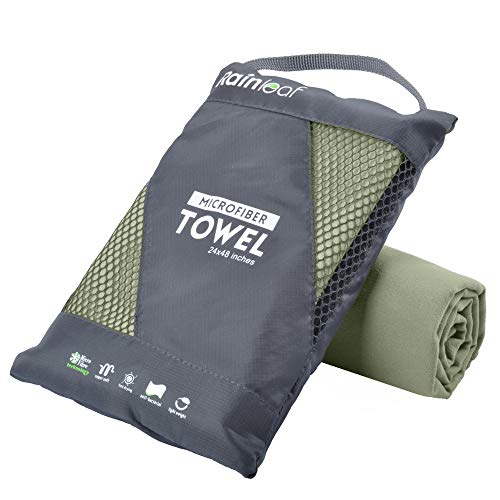
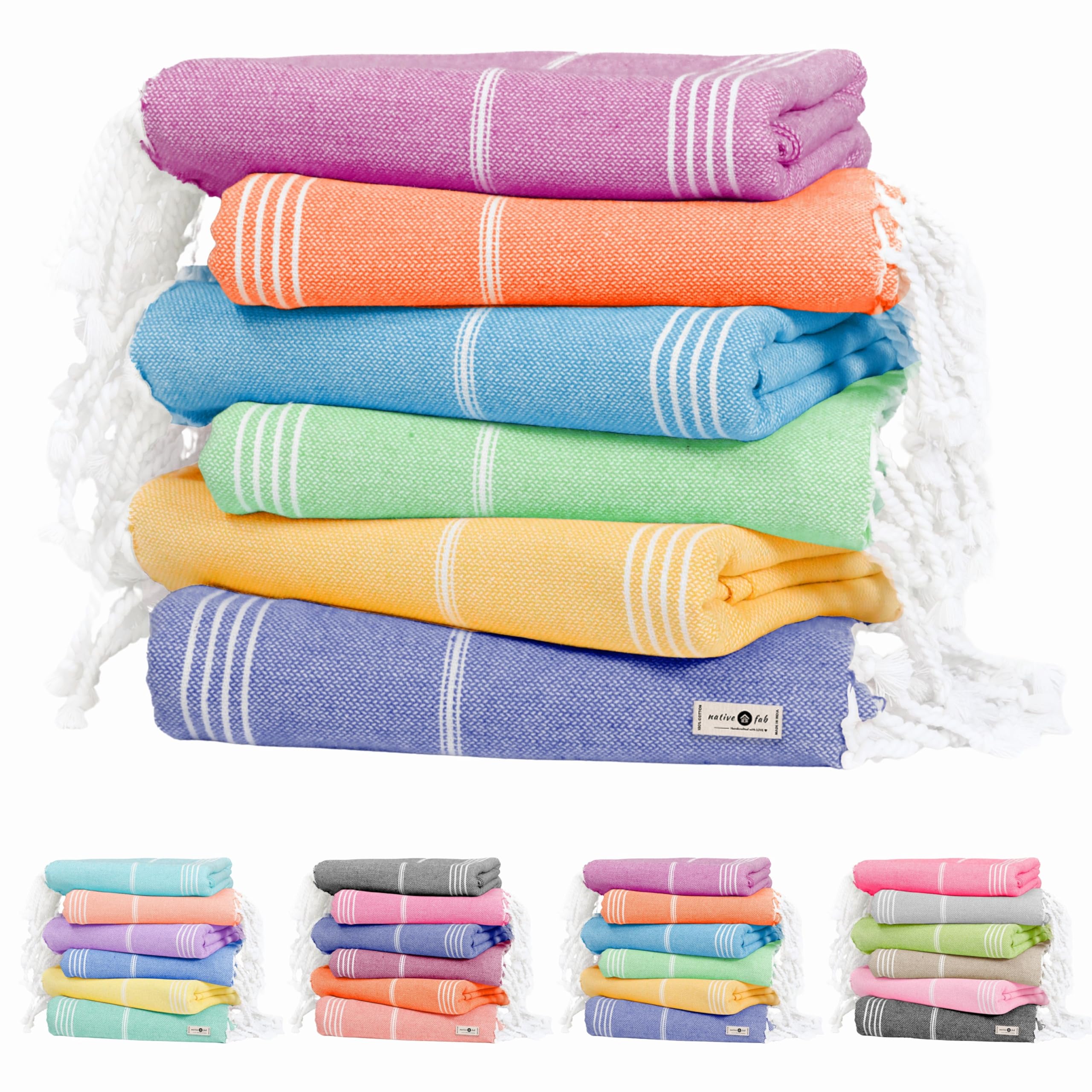
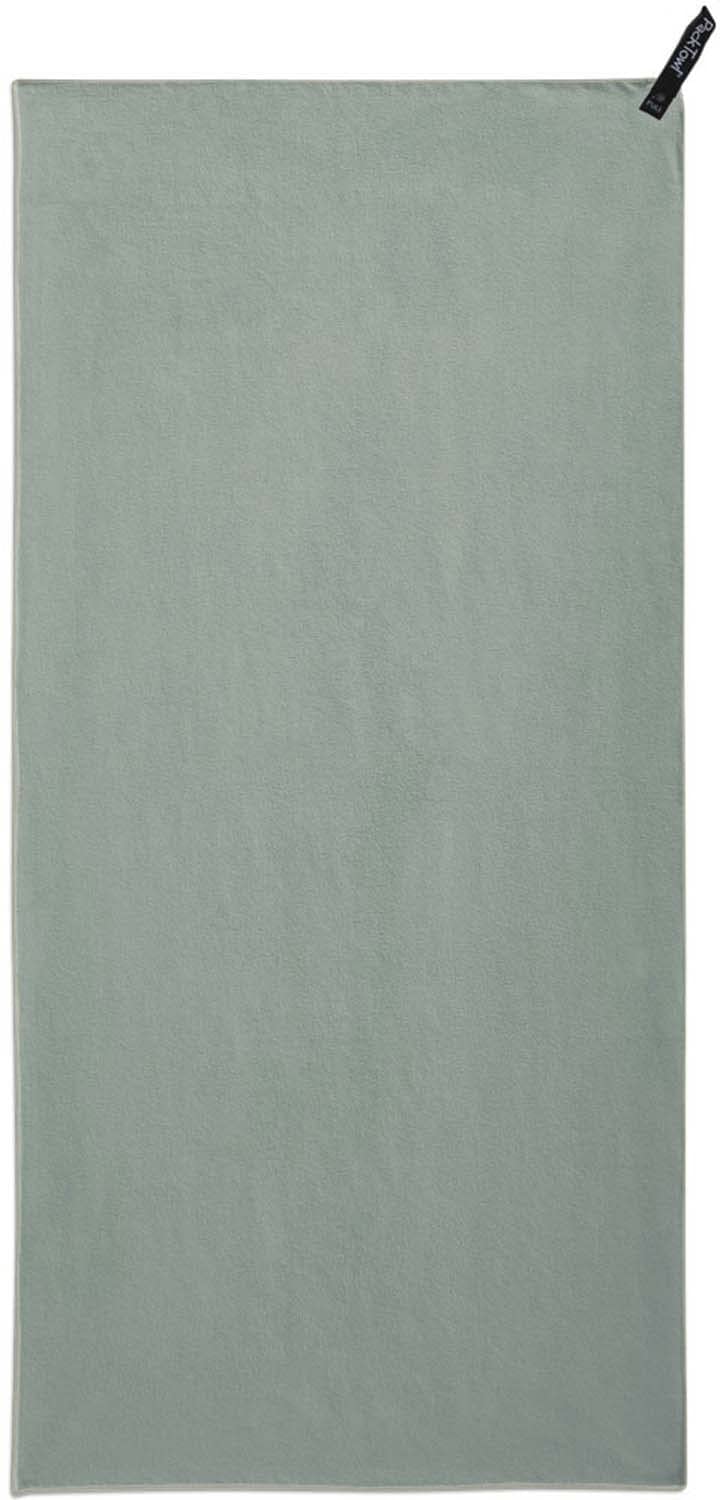
The market offers several distinct types, and each suits a different kind of trip. Light microfiber towels pack smallest and dry fastest, which makes them a strong choice for flights and hikes to remote beaches. Cotton towels feel softer and more traditional, and they suit car trips where space is less tight. Turkish towels, which are flat woven and often fringed, fold very flat and double as a wrap or a picnic cloth.
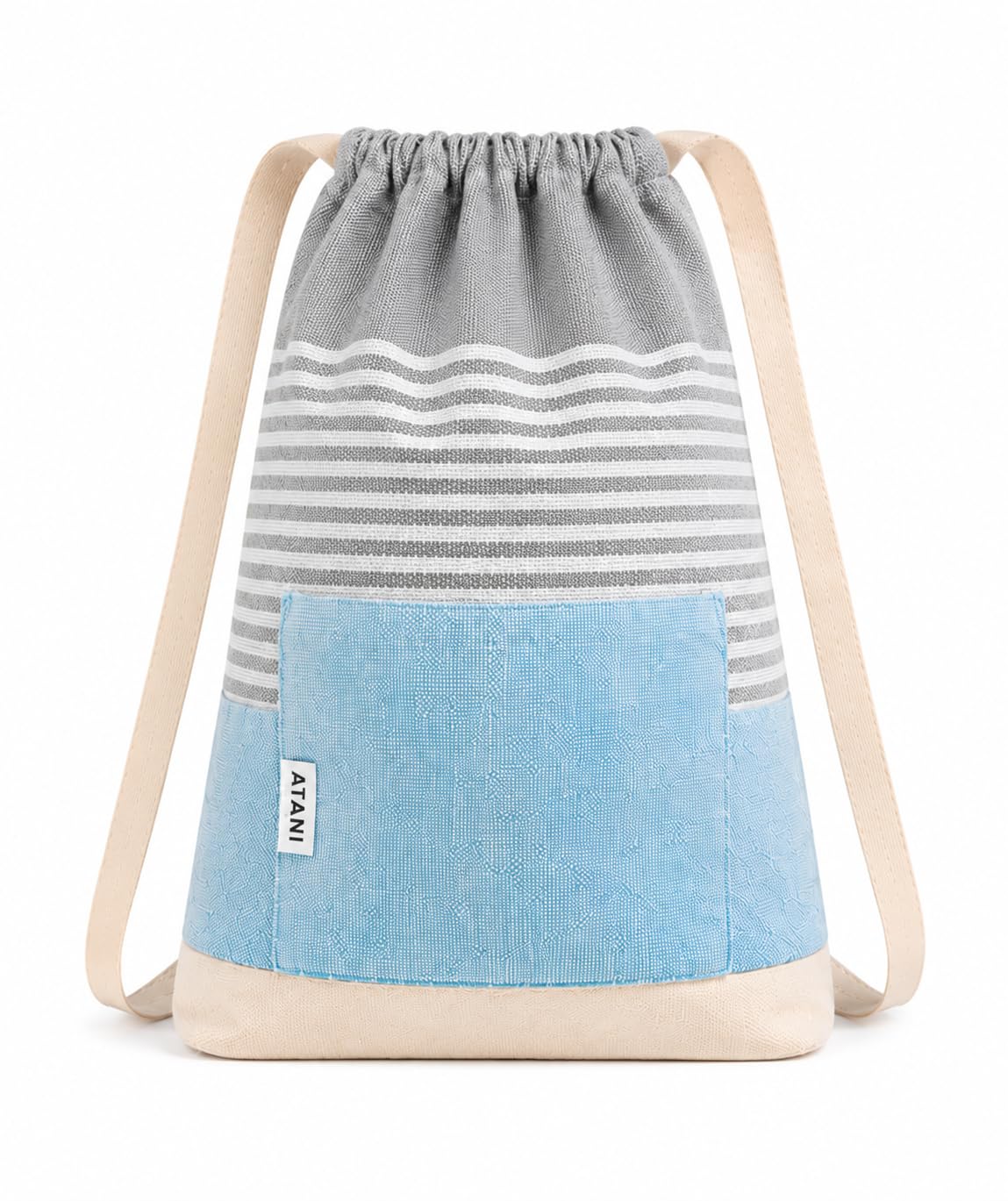
Some towels add features that help on the road, such as a zip pocket for a key or a phone, a loop for hanging, or a mesh bag for packing. These extras are useful only if they do not add bulk or a hard part that digs into your bag. A simple towel with a good weave often beats a feature heavy towel that is awkward to fold. Focus on the core qualities first, then treat extras as a bonus.
| Type | Pack Size | Drying Speed | Best For |
|---|---|---|---|
| Microfiber | Smallest | Fastest | Flights and light packing |
| Cotton | Larger | Slower | Comfort on car trips |
| Turkish flat weave | Flat and light | Moderate | Versatile use as wrap or cover |
Choosing among these types is easier when you rank your own priorities. If pack size comes first, microfiber or Turkish flat weave will serve you best. If softness comes first and you travel by car, cotton is the natural choice. For more general options, see our guide to best travel towels.
Spending Levels: What Your Money Gets You
At a lower spending level, expect simple microfiber or light cotton towels that pack small and dry fast. They may feel thinner and less plush, but they do the job for short trips and occasional beach days. Check the hems and the weave, since a well made budget towel can last several seasons, while a very cheap towel may fray quickly. This level suits travelers who want a spare towel that does not take much space.
In the middle range, towels tend to offer better fabric, neater stitching, and more size choices. You may find softer cotton, denser microfiber, and nicer colors that hold up to washing. This is often the sweet range for regular beachgoers who travel several times a year and want a towel that feels good without costing a lot. Spending here usually buys durability and comfort rather than brand prestige.
Common Mistakes to Avoid
- Choosing the largest towel without checking whether it fits your bag when folded.
- Picking a very thick towel for a flight, then finding it stays damp overnight in a hotel room.
- Using fabric softener on towels, which can coat fibers and reduce how well they absorb water.
- Packing a damp towel in a closed bag, which can lead to a musty smell by the next day.
- Ignoring sand shedding, then carrying a lot of sand back to the car or hotel room.
- Buying a towel only for its color, without checking weight, size, and drying speed.
Care and Maintenance Tips
Good care keeps a travel towel soft and fresh across many trips. Wash new towels before first use to remove loose fibers and any factory finish that can reduce absorbency. Skip fabric softener on towels, since it coats fibers and makes them less able to soak up water. Dry towels fully before packing, and hang them in moving air rather than folding them while still damp.
Between trips, store towels in a dry place away from direct sun, which can fade colors over time. Shake sand out outdoors before washing, and wash beach towels separately from clothes with zippers that could snag the weave. If a towel develops a musty smell, wash it in warm water with a small amount of white vinegar added to the rinse, then dry it fully in the sun or in moving air. These simple steps extend the life of any towel, whatever you paid for it.
Beach Towels: Your Questions Answered
What features matter most in beach towels for travel?
Pack size, drying speed, and weight matter most for travel, because they decide whether the towel fits your trip or fights against it. A towel that packs small and dries fast is ready for the next day, even in a humid hotel room. Softness and size come next, since a towel should still feel good to lie on and wrap up in. Balance these points against your transport: flights reward lightness, while car trips allow more plushness.
Are luxury options worth it?
Luxury towels are worth it if you use a towel often and value a plush feel that lasts through many washes. Long fiber cotton and careful finishing can stay soft longer than very thin towels, which is noticeable on a long beach holiday. They are less worth it for occasional trips or flights, where weight and pack size matter more than plushness. For most travelers, a well made midrange towel gives most of the comfort for less money and less bulk.
What GSM is best for towels?
For travel, towels around 300 to 400 GSM usually offer the best mix of lightness and absorbency. They pack small, dry fairly fast, and still soak up a reasonable amount of water. Towels around 500 to 600 GSM feel plusher and absorb more, but they are heavier and slower to dry, which can be a drawback on a trip. If you travel by car and stay in one place, the higher range can be a pleasure, but for flights, stay near the lower range.
How do I keep them fresh longer?
Keep towels fresh by drying them fully between uses and never packing them while damp. Hang a towel in moving air after the beach, and shake sand out before folding it. Wash towels in cool or warm water without fabric softener, and let them dry completely before storing them. If a towel starts to smell musty, wash it with a small amount of white vinegar in the rinse and dry it in the sun.
How often should I replace them?
Replace a beach towel when it no longer absorbs well, feels rough after washing, or has frayed edges that catch on bags and chairs. A well cared for towel can last several summers of regular use, while a towel that is often packed damp may wear out sooner. Fading alone is not a reason to replace a towel that still works well, but thinning fabric and persistent odor are signs that it has reached the end of its useful life. Keep a spare light towel for travel so a worn towel does not spoil a trip.
Final Thoughts
The right travel towel is the one that fits your bag, dries in time for the next day, and feels good enough that you reach for it every time. Rank pack size, drying speed, and softness in the order that matches your trips, then check size, fabric, and care before you buy. A light towel for flights and a softer towel for car trips can cover most situations, and good care will keep both fresh for many summers. The best beach towels for travel are not the thickest or the most expensive, but the ones that make every beach day simpler, so check the product table once more and choose the type that fits how you actually travel.