Best Beach Towels for Sand: A First Time Buyer's Guide for 2026
Disclosure: We may earn a commission when you buy through links on this page, at no extra cost to you. As an Amazon Associate I earn from qualifying purchases. Learn more

First time buyers: learn how weave, weight and size help the best beach towels for sand shake clean and dry fast.
If you are buying best beach towels for sand for the first time, the main question is simple: will sand shake off easily, or will it cling to the towel and follow you home? Ordinary bath towels often trap sand in thick loops, while beach towels made for sandy days use smoother weaves, lighter fabric, or a two layer design that lets sand fall through. This guide explains those differences in plain terms, so you can choose with confidence.
The product table shows the main towel options side by side, and the sections that follow explain fabric, size, absorbency and care in everyday language. You do not need to learn every textile term. Focus on weave, weight, size and drying speed, and you will avoid the most common first time mistakes.



Beach Towels 101: The Basics
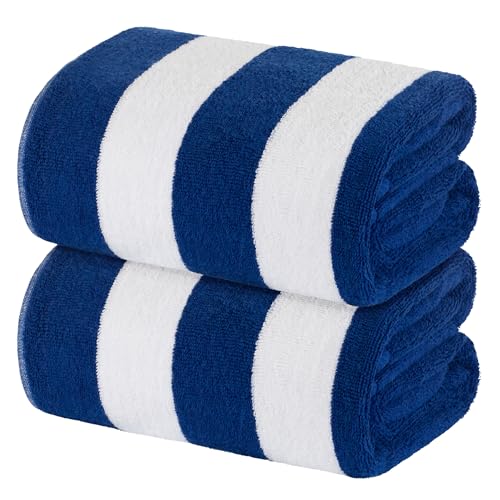
A beach towel is larger and lighter than a bath towel, and it is made to dry you, give you a place to lie down, and pack down small for the trip home. For sandy days, the surface matters most. A smooth or flat weave gives sand fewer loops to catch on, so a quick shake removes most of it. A thick looped pile feels plush, but it can hold sand in its fibers even after several shakes.
Weight is measured in GSM, which means grams per square meter. Lower GSM towels are thinner and dry faster, while higher GSM towels feel thicker and absorb more water. For sand, a mid weight towel often works best, because it absorbs well without holding as much sand as a very thick towel. Drying speed also matters, since a towel that stays damp in a bag can smell stale by the next day, and a towel that dries fast is ready to pack sooner.
Key Specs Explained in Plain English
Specs on a towel listing can look technical, but most of them describe only a few simple ideas: how the towel is woven, how thick it is, how big it is, and how it feels. The sections below translate each one into a buying choice.
Features That Matter for Sand
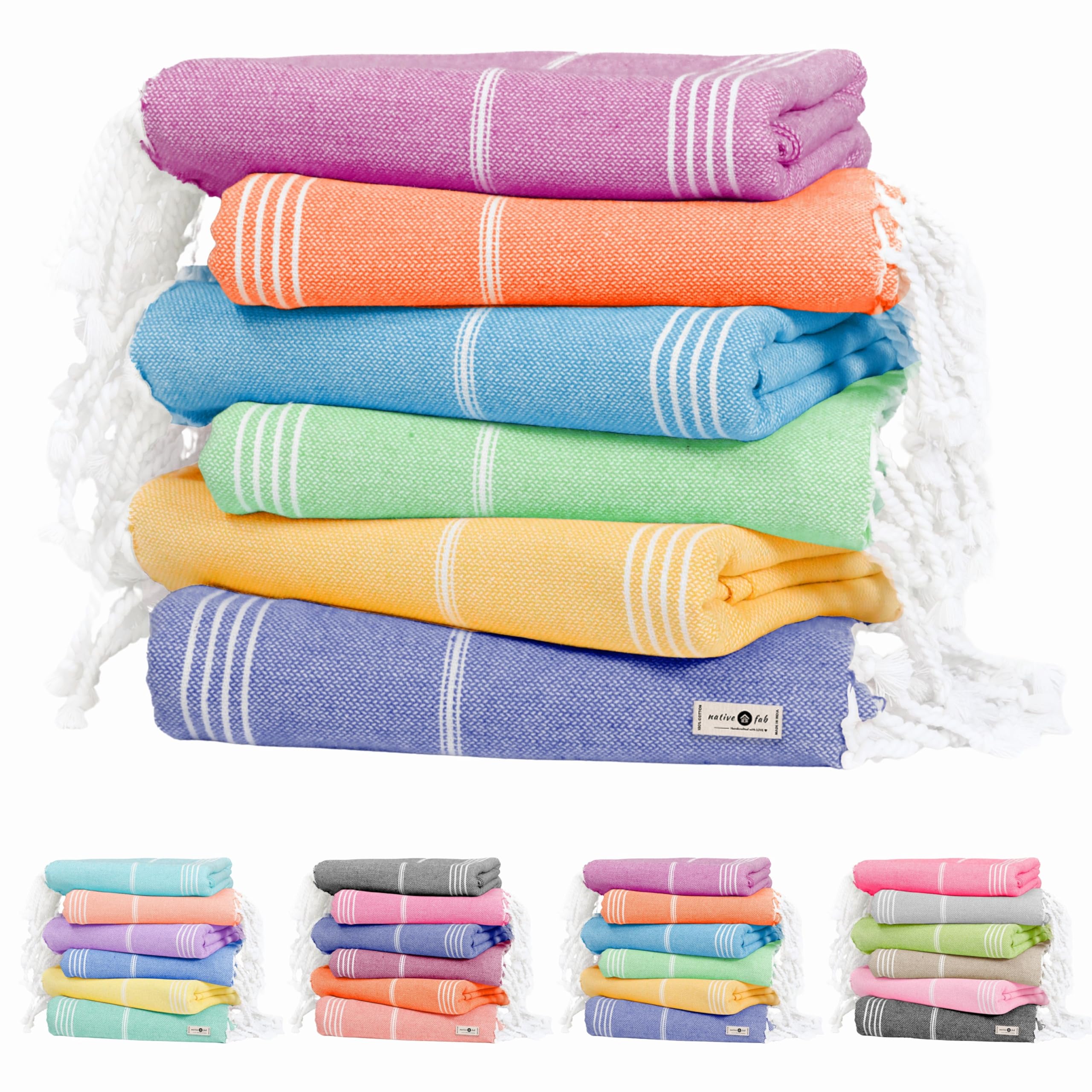
Sand performance comes down to weave and surface texture. A flat weave, a waffle weave, or a two layer mesh design lets sand slip off instead of lodging in loops. Some towels use a tighter weave on one side for lying down and a softer side for drying off.
If sand pickup is your top concern, choose a smooth surface first, then check absorbency, because the smoothest towel is of little use if it does not dry you well. For towels built around this idea, see our guide to best beach towels that repel sand.
Material and Construction
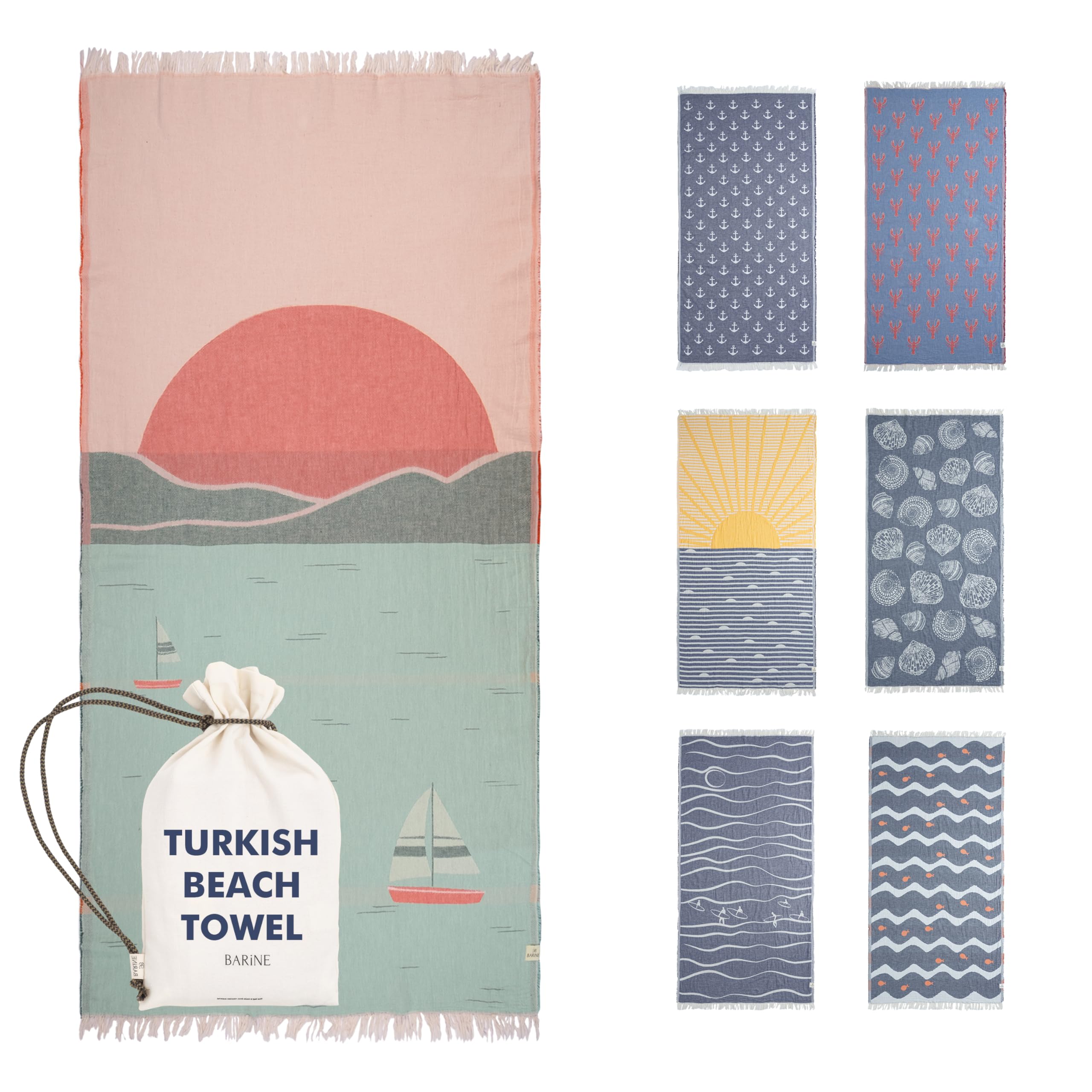
Most beach towels use cotton, microfiber, or a blend of the two. Cotton feels soft and natural, and Turkish cotton in particular is known for long fibers that feel smooth and absorb well. Microfiber is lighter, dries faster, and often shakes sand off more easily, but it can feel slick against skin. Blends try to balance softness with fast drying.
For a classic cotton option, see our guide to best turkish beach towels. Construction also matters: stitched edges last longer than raw edges, and a two layer towel can separate sand from the side you lie on.
Size and Fit
Beach towels usually range from about 30 inches wide by 60 inches long to about 40 inches wide by 70 inches long. A larger towel gives more room to lie down and keeps your legs off the sand, but it also weighs more and takes longer to dry. If you pack light or travel with children, a mid size towel may suit you better. Check the size before ordering, because some towels marketed as oversized are only slightly larger than a standard towel.
Performance: Absorbency and Drying Speed
Absorbency tells you how much water a towel can take up, while drying speed tells you how fast the towel itself dries after use. Thick cotton absorbs a lot but dries slowly, while thin microfiber absorbs less per pass but dries fast and packs small. For a beach day with swimming, a towel that absorbs well on the first pass matters more than one that needs several passes. For a day spent mostly lying on sand, fast drying and easy sand release may matter more than maximum absorbency.
Comfort and Feel
Comfort depends on softness, weight, and how the towel feels against sun warmed skin. A very thin towel can feel papery, while a very thick towel can feel heavy when wet. Mid weight towels often feel best for most people, because they stay soft without becoming bulky. If you have sensitive skin, look for a smooth finish rather than a rough or heavily textured weave, and wash the towel before first use to soften the fibers and remove loose lint.
Style and Color Options
Color and pattern do not change sand performance, but they affect how sand shows and how easy a towel is to spot on a crowded beach. Light colors show sand less, while bright patterns make your spot easy to find. Dark colors hide stains but absorb more heat in direct sun. Choose a color you like and can find quickly, and remember that a towel left in strong sun will fade over time no matter its color, so store it out of sun between trips.
Rookie Mistakes to Avoid
- Choosing the thickest towel available, then finding it traps sand and stays damp for hours.
- Buying a towel that is too small, so your feet and legs rest directly on hot sand.
- Skipping the first wash, which can leave the towel stiff and less absorbent on day one.
- Using fabric softener, which coats fibers and reduces how well the towel absorbs water.
- Packing a damp towel in a closed bag, which invites a stale smell by the next beach day.
Getting Started: Setup and First Use
Wash new towels before first use, using warm water and no fabric softener, then dry them fully before packing. Washing removes loose fibers and finishing residues, and it helps the towel absorb better from the first beach day. At the beach, shake the towel from one corner so sand falls away from you, and lay it flat rather than bunching it, which traps sand in folds.
After swimming, hang the towel in open air when you can, and shake it again before folding it for the trip home. For towels that aim to stay almost sand free, see our guide to best beach towels no sand.
Frequently Asked Questions
What features matter most in beach towels for sand?
A smooth weave matters most, because it gives sand fewer loops to catch on. Next, check weight and drying speed, since a mid weight towel shakes clean more easily and dries faster than a very thick one. Size matters too, because a towel that is too small leaves skin on the sand. Finally, look at edge stitching and overall build, because a towel that frays at the edges will not last many beach seasons even if its weave is good.
What GSM is best for towels?
A GSM of about 300 to 500 often works well for beach towels meant for sand. Towels below that range dry fast and pack small, but they may feel thin and absorb less water. Towels above that range feel plush and absorb more, but they hold more sand and take longer to dry.
If you swim often, lean toward the middle or upper end of that range. If you mostly lie on sand and pack light, lean toward the lower end.
Are luxury options worth it?
Luxury towels are worth it if you value softness, larger size, and denser fabric, and you do not mind longer drying times. For sandy days, however, a luxury towel is not always the best choice, because very thick pile can trap sand. A mid priced towel with a smooth weave often performs better on sand than a costly thick towel. Compare weave and weight first, and treat luxury touches such as fringed edges or gift packaging as extras rather than performance features.
How often should I replace beach towels?
Most beach towels last several seasons with regular washing and proper drying. Replace a towel when its edges fray, its fabric thins in the middle, or it no longer absorbs well after washing without softener. Sun fading alone is not a reason to replace a towel, as long as the fabric still feels strong. Storing towels dry and out of constant sun helps them last longer, as does avoiding harsh bleach on colored towels.
How do I keep beach towels fresh longer?
Wash towels after beach trips, skip fabric softener, and dry them fully before storage. Shake sand out before washing so it does not wear down the fabric in the machine. If a towel smells stale, wash it again with warm water and dry it in open air.
Avoid leaving damp towels in a car or a closed bag for days, because trapped moisture is the main cause of stale smells. For a broader quality comparison, see our guide to best quality beach towels.
Final Thoughts
For a first purchase, focus on three checks: a smooth weave that releases sand, a size that fits your body, and a weight that balances absorbency with drying speed. Those three choices matter more than brand names, fancy packaging, or luxury claims. Use the product table to compare the options side by side, then pick the towel that fits how you spend beach days. With the right towel, best beach towels for sand stop being a puzzle and become a simple, reliable part of every beach trip.
If you are still unsure, start with a mid size, mid weight towel with a smooth weave, since that combination suits most beach days and is easy to replace later if your needs change.
Never leave children unsupervised near water, even in shallow water, and keep towels and bags clear of walkways on crowded beaches.