
Best Beach Sand Chairs in 2026: How to Pick the Right One for Every Need
Disclosure: We may earn a commission when you buy through links on this page, at no extra cost to you. As an Amazon Associate I earn from qualifying purchases. Learn more

Compare beach sand chairs by low seat height, wide feet, fabric that dries fast and carry weight, so you pick the right chair for soft sand days.
There is no single chair that suits every beach day. The best beach sand chairs sit low to the ground, spread your weight so the feet stay on top of soft sand, and dry before the ride home. A chair that feels fine on a deck can feel awkward once its legs sink and the seat tilts. Use the product table below to match seat height, feet and fabric to the way you actually sit at the shore.
Start with your usual outing. A reader who stays in one spot needs a supportive back and room to stretch out. A parent who moves with the tide needs stability and a quick fold. A long walk from the car makes every extra pound matter, so carry weight counts as much as comfort.

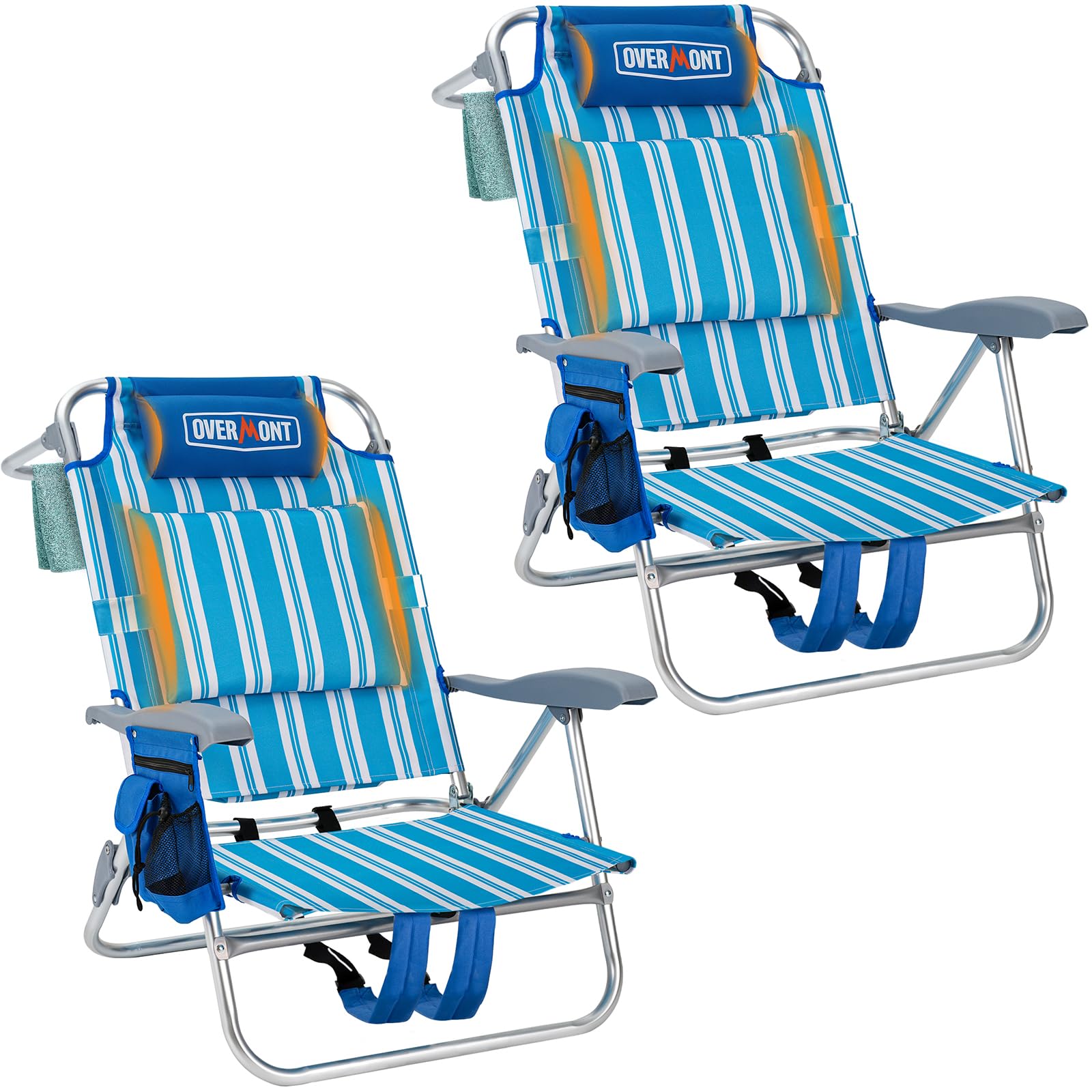

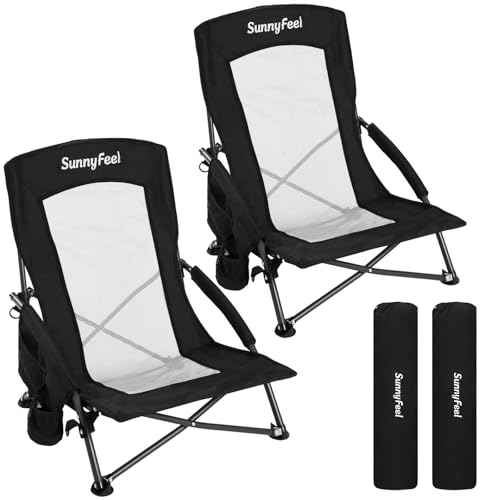


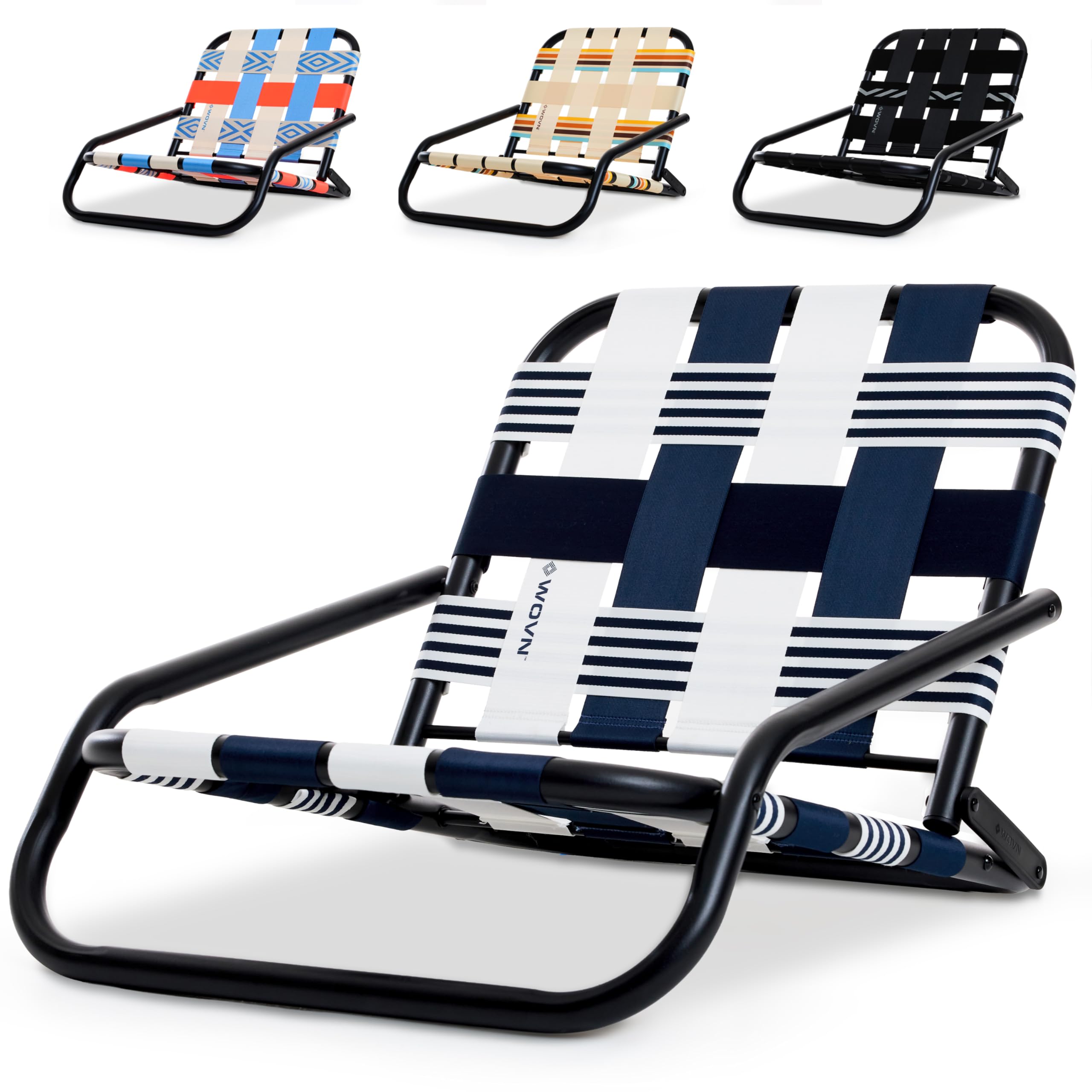
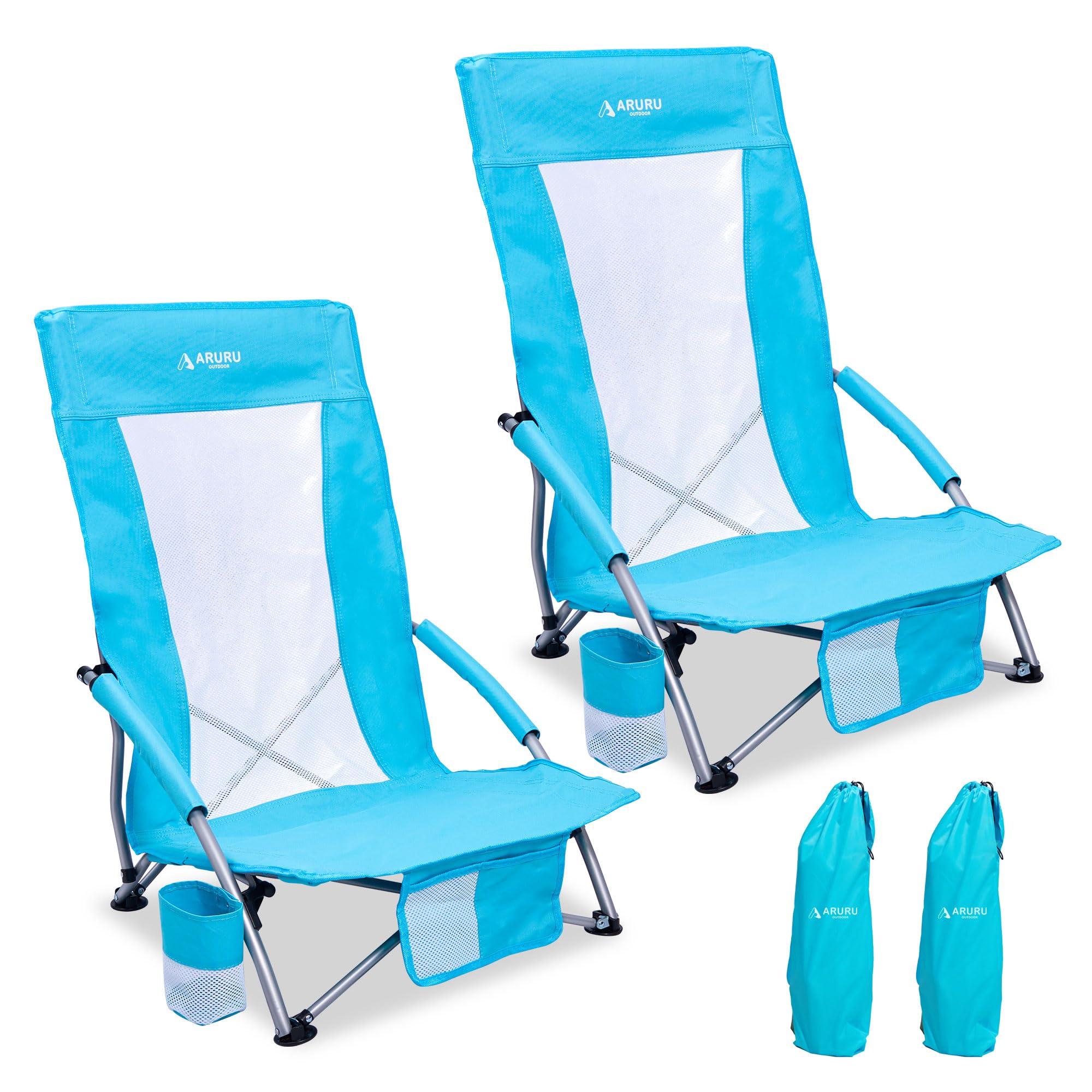
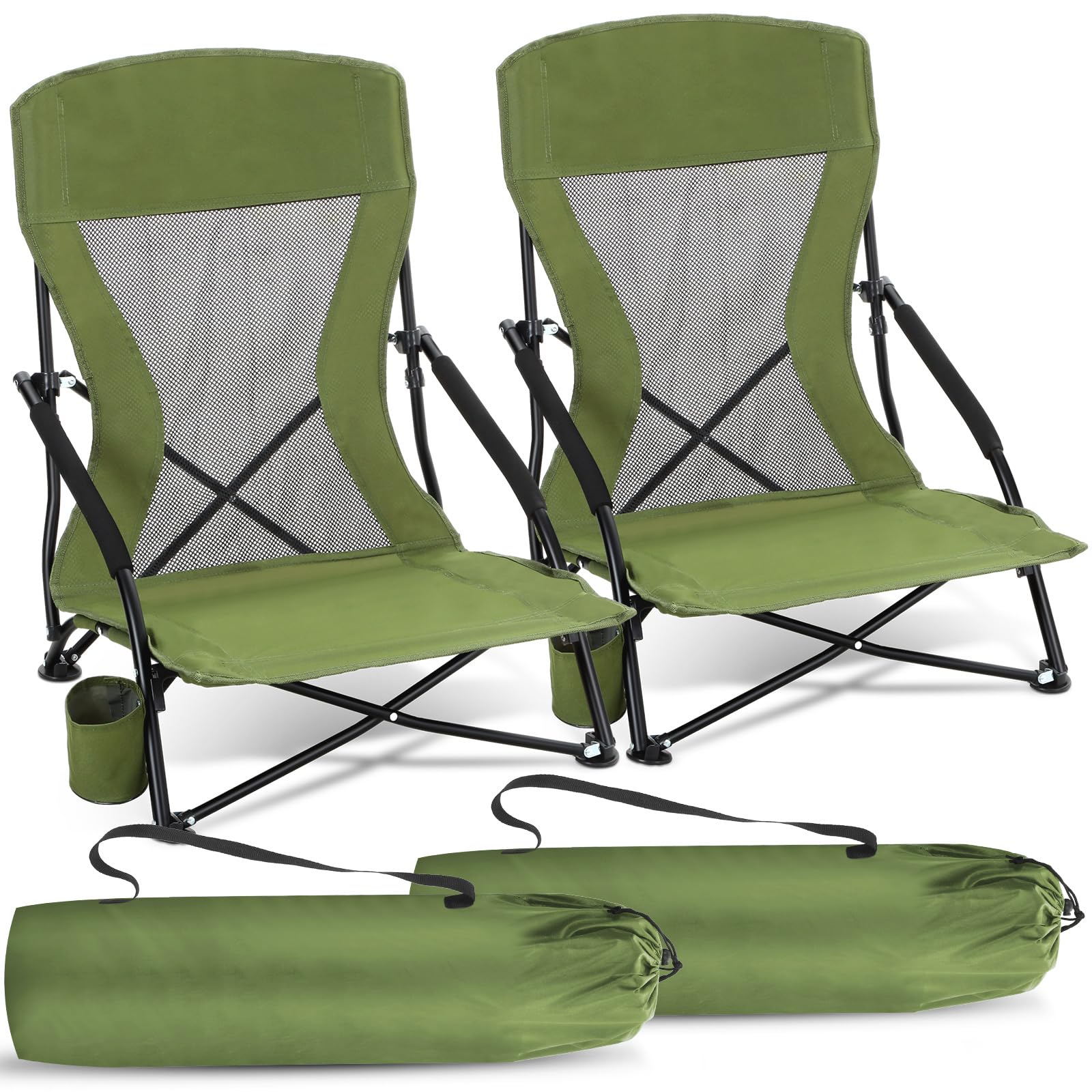

Who Should Buy Which Beach Sand Chairs?
Pick by the beach day you repeat most often. Your sand, sitting time and walk to the water point to the right style faster than price alone.
Readers and Sunbathers Who Sit Low for Hours
You settle in one spot, stretch your legs toward the water and stay through a whole chapter or a long conversation. Choose a low seat with several recline positions and a back tall enough to support your head when you lean back. A mesh panel in the back lets air move on still, hot afternoons. A small pillow, solid arms and a low cup holder complete the setup.
Families Who Need Chairs That Stay Steady in Soft Sand
You set up near the water, move chairs as the shade shifts and share seats with children who climb in and out all day. Choose wide feet, a strong frame and fabric that brushes clean, since spilled snacks and wet swimsuits are part of the outing. A generous seat width helps when a small child joins you for a snack, and a simple fold lets one adult open the chair while holding towels and toys.
Beachgoers Who Need an Easier Rise From a Low Seat
A very low seat can be hard to leave if your knees or hips feel stiff. Choose the taller end of the sand chair range, firm arms you can push against and a seat that stays taut rather than sagging in the middle. If a higher seat matters more than sitting low, see our guide to the best beach chairs for seniors. Test your choice on a lawn at home first, with a friend nearby, until the motion feels steady.
Key Features to Compare
Compare these factors in the same order each time. Sand quickly exposes a chair built only for a patio.
Low Seat Height and Room to Stretch Your Legs
Sand chairs sit much lower than camp chairs, often about 6 to 12 inches off the ground at the front edge of the seat. That low position lets you stretch your legs flat on the sand and keeps the chair stable when the surface shifts. If standing up from a low seat feels hard, choose the top of that range and pair it with firm arms for leverage.
Wide Feet That Resist Sinking in Soft Sand
Feet decide whether a chair stays level or slowly tips backward through the afternoon. Wide flat feet, broad caps and bar style feet all spread your weight over more sand, so each leg sinks less. Narrow pointed legs push straight down and can drop an inch or more in dry, loose sand. Favor feet with a closed shape, so they do not fill with sand and add weight to the walk back.
Frame Material, Joints, and Weight Capacity
Aluminum frames weigh less and resist rust well, which suits walkers and anyone who visits salt water often. Steel frames cost less and feel solid, but a chipped coating can rust where sand rubs it away. Most sand chairs hold about 250 to 300 pounds, and reinforced models hold more. Count a child on your lap or a heavy bag on the arm in that total. Check joints and cross bars too, since loose rivets make a chair feel unsteady.
Fabric That Dries Fast and Lets Sand Fall Away
Most seats use woven polyester because it is strong for its weight, holds its shape in heat and dries far faster than cotton. Open mesh panels in the seat or back let water drain after a swim and let dry sand fall through instead of pooling under your legs. Padded solid fabric feels softer at first, but it can hold water and stay damp for the drive home. Choose a smooth weave if you brush sand off often, since rough textures trap grains.
Recline, Back Height, and How You Carry the Chair
Three or four recline positions cover upright reading, relaxed talking and a near flat rest for sunbathing. Most sand chairs weigh about 5 to 10 pounds and fold to a long, flat bundle. Backpack straps suit a long walk across a wide beach, while a single shoulder strap suits a short trip from a nearby lot. A storage pouch on the back holds sunscreen and a paperback.
How to Set a Beach Sand Chair So It Stays Level on Sand
Choose your spot before you open the chair. Packed sand just above the water line holds feet well, while dry sand near the dunes lets legs sink. If most of your sitting happens on that packed strip, see our guide to the best sand chairs for chairs built for firmer ground. Stomp a flat patch, clear shells, then open the chair fully and press each foot down in turn.
Sit slowly the first time and notice which corner drops. Stand, scoop a hollow under a foot that sits high, or pack sand under a foot that sinks, then sit again. The best beach sand chairs still need this leveling step, since no foot design can fix a sloped patch. For styles that also work on grass and decks, see our guide to the best beach chairs.
Common Mistakes to Avoid
These errors seem small at the store and much larger in loose sand far from the car.
- Buying a patio chair with narrow legs leaves you tilting and sinking once the sand softens in the heat.
- Choosing the lowest seat without testing the rise makes standing slow and awkward after a long, still afternoon.
- Ignoring the rated capacity and loading the arms with heavy bags strains joints and can bend a frame leg.
- Paying for thick padding you rarely need adds carry weight and leaves you with fabric that stays damp.
- Leaving a chair open in strong wind lets it tumble across the sand and bend a leg or tear the fabric.
Care and Maintenance for Beach Sand Chairs
Shake the open chair well before you fold it, and turn pouches outward so trapped sand falls free. At home, rinse feet, joints and fabric with plain water to remove salt, since dried salt speeds wear on coatings. A soft brush clears grains from recline notches. Open the chair fully in shade and let every panel dry before storage.
Store the folded chair indoors, away from direct sun, because heat and light age fabric even between trips. Check rivets, straps and seams each season, and stop using a chair with a cracked foot or a bent leg. Never force a stiff joint closed, since trapped grains can score the metal.
Beach Sand Chairs: Your Questions Answered
How do I choose the right size beach sand chair for my body?
Choose a beach sand chair that leaves a little open space beside your hips and a seat depth that supports your thighs without pressing behind your knees. Test it in swim clothes, since a cover up and a towel change how the seat feels. If two people will share the chair, size it for the larger person first, because extra width is easy to enjoy and a tight seat is not.
Which beach sand chair features matter most for long hours in the sun?
For long hours, a beach sand chair with adjustable shade and a movable headrest matters most after basic comfort is met. Shade that only works at noon loses value fast, so turn the chair as the sun moves rather than leaning out of its cover. Stand and walk at regular intervals, so your legs do not stiffen in one position.
How long should a good beach sand chair last with regular beach use?
A good beach sand chair should last several seasons of regular use when you rinse it and store it dry. Fading color is often the first warning, since it shows fabric losing strength in the sun. Play at a joint is another early sign. Replacing a worn carry strap early costs little and can stop a sudden drop on the walk back.
Is an expensive beach sand chair worth the extra cost for occasional trips?
An expensive beach sand chair is rarely worth it for two or three trips a year, unless cheaper chairs felt unstable or hard to carry. Think in cost per trip instead of shelf price. One beach week a year spreads a higher price over few days, while weekly use makes a lighter frame and stronger fabric pay you back in comfort.
Can a beach sand chair work for a shorter adult or an older child?
Yes, a beach sand chair often suits a shorter adult or an older child well, since the low seat lets shorter legs reach the sand instead of dangling. Check that the sitter can push on the arms and stand without help first. For a child, pick a seat without wide gaps at the sides where small arms can slip, and keep an adult within reach.
Final Thoughts
Match seat height to how easily you rise, feet to the softness of your sand, and fabric to how wet your days get. Then check weight capacity, carry weight and recline. Use the product table above to compare those points, and drop any model that fails the first three checks.
When you judge best beach sand chairs by the day you actually spend at the shore, the right choice usually stands out. Buy the lightest chair that stays level, supports you well and dries fast, and your beach days get simpler from the first setup.


