Best Beach Pool Towels: Our 2026 Checklist for Smarter Buying
Disclosure: We may earn a commission when you buy through links on this page, at no extra cost to you. As an Amazon Associate I earn from qualifying purchases. Learn more

Pick the best beach pool towels by fiber, GSM, size and drying speed, with care tips that keep towels soft and absorbent.
A towel that works at the beach has a harder job than a bath towel. It has to soak up a lot of water, shake off sand, dry in the sun between swims, and survive chlorine, salt, and repeated washing. The best beach pool towels balance all of that without feeling heavy in your bag. This guide uses a simple checklist so you can judge any towel by fiber, weight, size, and care needs before you buy.
Start with how and where you swim, then match the towel to that routine. The product table below gives you a quick view of the options, and the sections that follow explain each checklist point in plain terms.



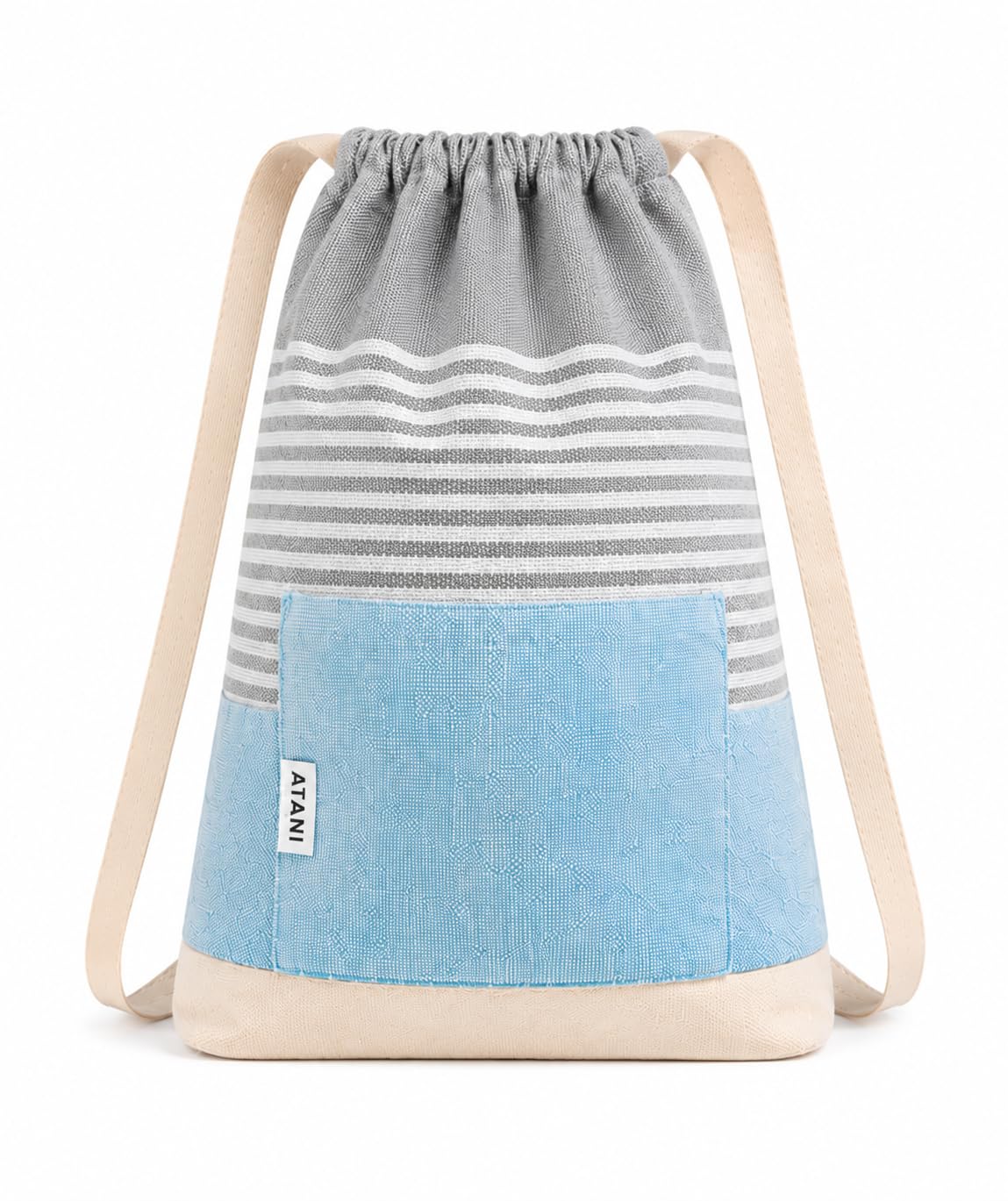
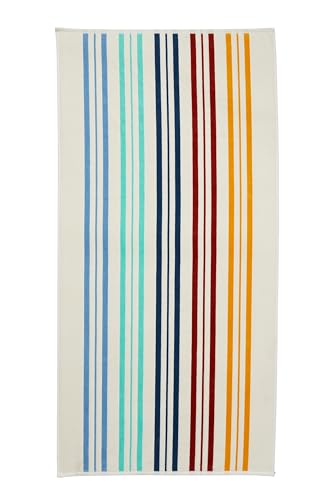
Who Should Buy Towels for the Beach and Pool
Your swim routine decides which towel traits matter most. A family hauling gear for four people needs something different from a lap swimmer who trains three mornings a week.
Families Heading to the Beach With Kids
You need towels that are big enough to sit on, tough enough for daily washing, and easy to tell apart in a pile. Oversized towels in different colors or bold stripes stop mix ups on the sand and give each child a dry spot to land on. Look for cotton or a cotton blend with strong hems, since family towels get dragged, stepped on, and washed far more often than a towel used by one adult.
Regular Pool Swimmers and Swim Clubs
If you swim laps or take lessons every week, drying speed and chlorine resistance matter more than plush thickness. A midweight towel dries between morning and evening sessions and holds up to pool chemicals that fade thin fabric fast. If your routine is mostly pool based, see our guide to the best towels for pool for options shaped around deck and locker room use.
Travelers and Vacation Rental Hosts
Space decides this choice. A compact flat weave towel folds small, weighs less in a suitcase, and still covers a lounge chair. Hosts stocking a rental need the opposite trade off in bulk form, with sturdy towels that wash well at high volume and look fresh for every guest. For trips where every inch of bag space counts, see our guide to the best travel beach towels before you pack.
Key Features to Compare
Five factors decide how a towel performs outdoors. When you compare best beach pool towels side by side, score each one on the points below instead of judging by color or a single softness claim.
Fiber and Weave Choice
Cotton terry has loops that trap water and feel cushioned on a chair, and long staple cotton stays softer after many washes. If you want that classic plush feel, see our guide to the best turkish beach towels for the long fiber style in detail. Microfiber is a synthetic option that packs small and dries fast, though it can feel less cozy and may cling to dry skin. Flat weave cotton sits between the two, shedding sand well while still absorbing a useful amount of water.
GSM and Absorbency
GSM means grams per square meter, and it tells you how dense the fabric is. Towels around 350 to 500 GSM hit the sweet spot for beach and pool use, absorbing plenty of water while still drying in a reasonable time outdoors. Towels above about 600 GSM feel luxurious but stay damp for hours and add real weight to a beach bag. Towels under 300 GSM dry very fast yet may feel thin and need more passes to dry your body after a swim.
Size and Coverage
A standard beach towel measures about 30 by 60 inches, which covers most lounge chairs and leaves a little length to spare. Oversized towels around 35 by 70 inches or 40 by 72 inches suit taller adults, double as a shared picnic base, and stop your feet from landing on hot sand. Check the listed size before you buy, since some towels sold for the beach are closer to bath towel dimensions and leave the chair arms and head area exposed.
Drying Speed and Sand Release
A towel that is still soggy at sunset is a problem in a shared car or a small hotel room. Flat weave and lower GSM towels release water fastest, and a quick shake clears sand from their smooth surface with little effort. Dense terry holds more sand in its loops and needs a firm snap or two before you fold it. If your group swims twice in one day, drying speed is worth more than extra plushness, since a damp towel feels cold and starts to smell musty fast.
Durability Against Sun, Chlorine, and Salt
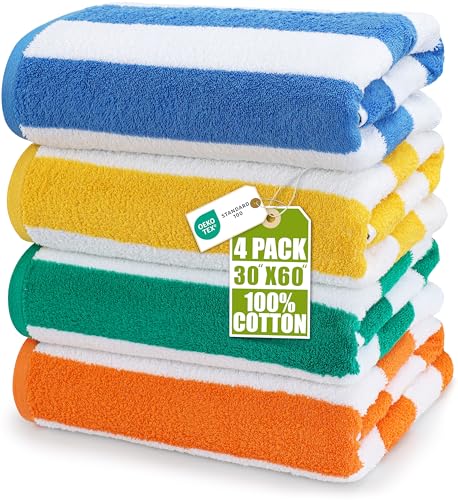
Outdoor towels fade and weaken faster than bath towels because sun, chlorine, and salt all attack fibers and dyes. Yarn dyed stripes keep their color longer than printed designs, and double stitched hems resist fraying at the edges where towels fail first. If lasting color and strong stitching matter most to you, see our guide to the best quality beach towels for construction details. An OEKO TEX label also signals that the fabric was checked for harmful substances, which is a sensible check for towels used by kids.
Final Checks Before Ordering Towels for the Beach Bag
Run through these questions before you add any towel to your cart. A towel that earns a yes on most of them will suit your routine well.
- Is the size at least 30 by 60 inches, or larger if you are tall?
- Is the GSM between about 350 and 500 for a balance of absorbency and drying speed?
- Does the fiber match your priority, plush cotton for comfort or flat weave for packing small?
- Are the hems double stitched so the edges resist fraying?
- Is the color yarn dyed or described as colorfast for sun and chlorine exposure?
- Does the care label allow machine washing without special steps?
- Do you have a dry place to hang the towel between swims?
Common Mistakes to Avoid
- Buying the thickest towel you can find, so it stays damp all day and makes your beach bag heavy.
- Choosing a bath towel size for the beach, so your legs and the chair headrest stay uncovered.
- Using fabric softener on new towels, so a coating builds up and the fabric absorbs less water.
- Leaving a wet towel balled up in a bag overnight, so mildew and a sour smell set in.
- Judging by a printed pattern alone, so the design fades after a few weeks of sun and chlorine.
- Buying a single towel for a full day of repeated swims, so you end up drying off with a soggy one.
Care and Maintenance for Beach and Pool Towels
Wash new towels before the first use to remove loose fibers and any factory finish that blocks absorbency. Wash beach and pool towels in warm water with a mild detergent, and rinse pool towels soon after swimming so chlorine does not sit in the fabric. Skip fabric softener and dryer sheets on these towels, since the coating they leave behind reduces how much water the loops can hold.
Dry towels fully before you store them. Hang them in open air after each swim, and give sandy towels a good shake outdoors before they go in the wash so grit does not wear the fibers or clog your machine. Wash dark and light towels apart for the first few cycles, since loose dye is common early on. Store clean towels in a dry spot, and fold them only once they feel dry all the way through.
FAQ
What GSM is best for a beach pool towel?
About 350 to 500 GSM is best for most beach pool towels. That range absorbs well after a swim and still dries during a day outdoors. One extra point to check is your laundry routine. If you wash towels after every swim and need them ready the next morning, stay near the lower end of the range so each load dries faster in the dryer or on the line.
How do I keep beach pool towels fresh for longer?
The fastest way to keep beach pool towels fresh is to dry them fully after every use. A towel stored damp grows mildew within a day in warm weather. If a sour smell has already set in, wash the towel with a cup of white vinegar in the rinse and no detergent, then wash it again as normal. That two step wash clears buildup that traps odor in the loops.
How often should I replace beach pool towels?
Replace beach pool towels when they stop absorbing well, feel rough even after washing, or show frayed hems and thin spots. For a family towel used all summer and washed weekly, that point often arrives after about two to three seasons of use. Towels kept only for guests last much longer, so judge by performance and feel rather than by a fixed date on the calendar.
Are luxury beach pool towels worth the extra cost?
Luxury beach pool towels are worth it if you swim often and value long staple cotton, dense loops, and colors that stay rich for years. If you want that higher end feel, see our guide to the best luxury beach towels for what the extra money buys. For a towel that kids will drag across the sand every day, a sturdy midrange option is usually the smarter spend.
Should I choose cotton or microfiber for a beach pool towel?
Cotton is the better choice for comfort at home or at a rental, while microfiber wins when pack size matters most. One point the fiber debate often misses is grip. Microfiber can feel grabby on dry skin and may pick up lint in a mixed wash load, so wash it apart from cotton items. Cotton terry stays pleasant on skin and handles hot washes that microfiber cannot always tolerate.
The Bottom Line
Match the towel to your routine first, then check GSM, size, and stitching before you fall for a pattern. The best beach pool towels for your group will dry between swims, cover the chair, and survive a full season of sun and washing. When you are ready to choose, look back at the product table above and pick the option that fits how you actually swim.