Best Beach Chairs with Footrest: Budget, Midrange, and Premium Picks for 2026
Disclosure: We may earn a commission when you buy through links on this page, at no extra cost to you. As an Amazon Associate I earn from qualifying purchases. Learn more

Compare best beach chairs with footrest by price tier, frame strength, recline range, and padding so you can pick a comfortable chair that fits your budget.
Prices for a beach chair with an attached footrest start around $40 and climb from there, and the gap is not just about looks. Spending more can buy a stronger frame, smoother recline, and fabric that survives salt air. Knowing where your money actually goes helps you choose best beach chairs with footrest for the way you spend your beach days.
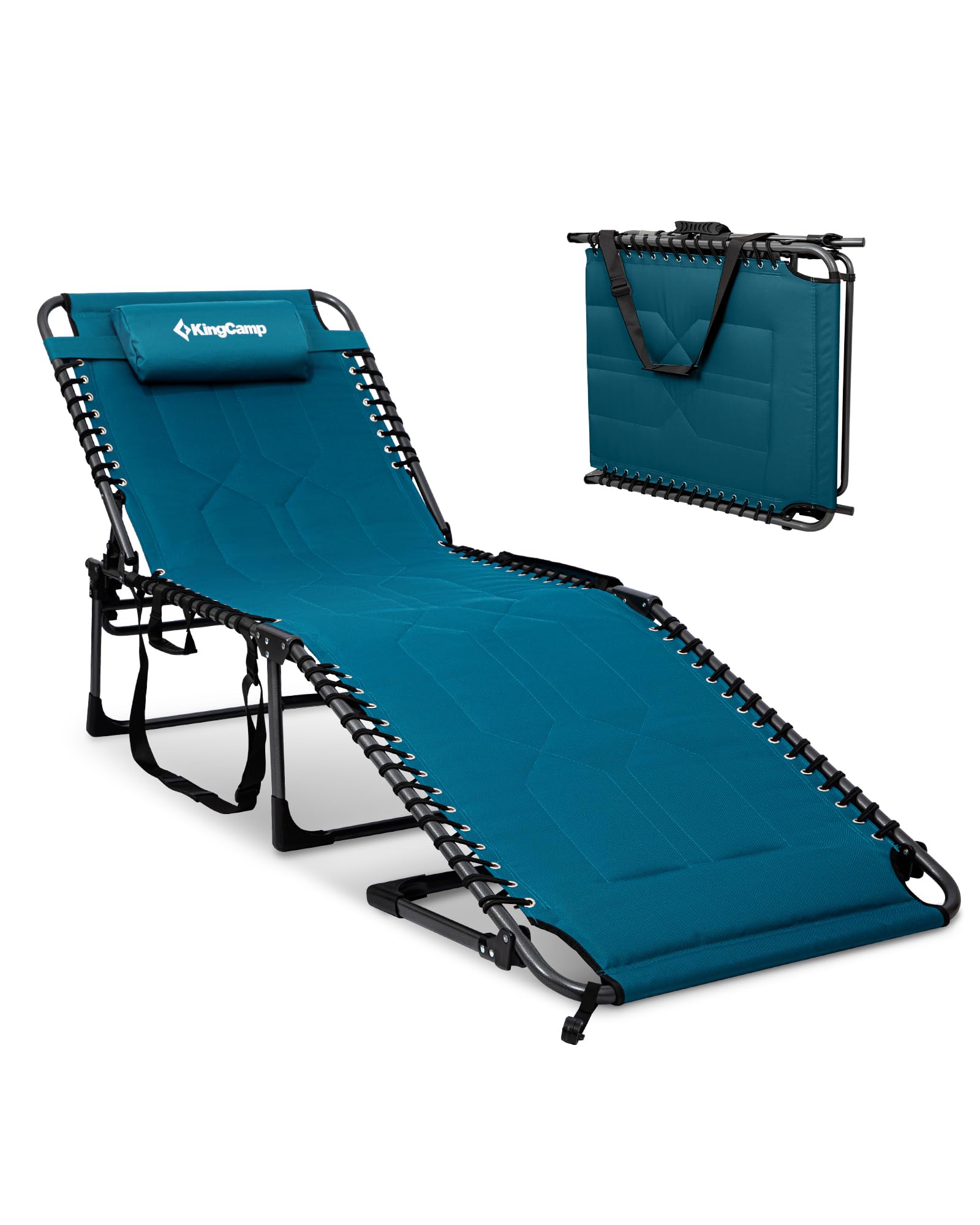
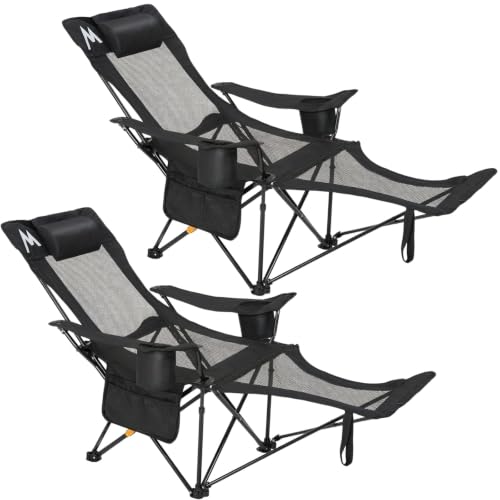
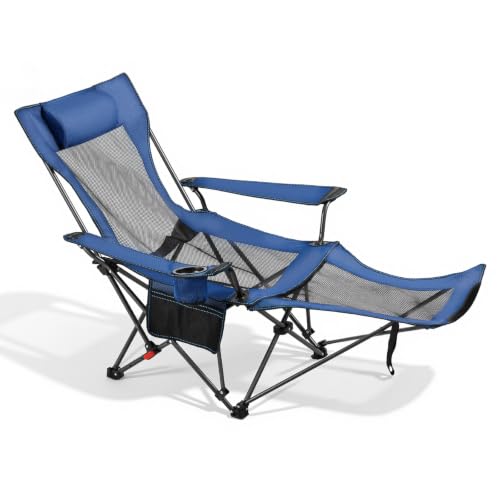
This guide walks through what each price tier delivers, which upgrades are worth paying for, and which ones you can safely skip. The comparison table below lines up the key specs side by side, so you can match a chair to your budget before you read the details.



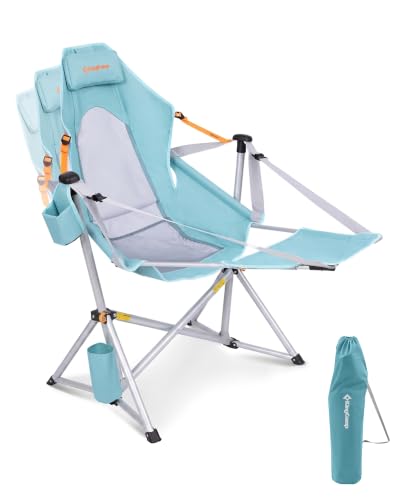
Who Should Buy Which Beach Chair with a Footrest?
Readers and Relaxers Who Sit for Hours
If your beach day means a book, a podcast, and long stretches in one spot, comfort features matter more to you than saving a few dollars. Look for a midrange or premium chair with lumbar support, a padded seat, and several recline positions that end in a near flat lounge. A footrest that rises with the backrest lets you stretch out without a separate ottoman taking up space.
Taller and Heavier Beachgoers
Your priority is fit and strength. Check the stated weight capacity before anything else, and choose a chair rated well above your body weight so the frame is not working at its limit on soft sand. A longer footrest section matters too, because a short one ends under your calves and creates a pressure point.
Frequent Beachgoers Who Walk a Long Way to the Sand
If you cross a big parking lot or a boardwalk before you sit down, weight and carry design decide whether the chair comes along at all. Compact and space saving models fold flatter and often include backpack straps or a padded shoulder strap. For general options beyond footrest models, see our guide to the best beach chairs for a wider look at carry friendly designs.
Older Beachgoers Who Need Easy Entry and Exit
A very low seat feels relaxing until it is time to stand up. If getting out of a low chair is hard on your knees or hips, choose a taller seat height and firm armrests you can push against. Readers shopping with those needs first should also see our guide to the best beach chairs for seniors, which focuses on seat height and stability.
What Your Money Gets You at Each Price Tier
The product table above shows how quickly features change as prices climb. The tiers below explain the pattern behind those numbers, so you can decide which level fits your habits instead of simply buying the most expensive chair on the page. As you compare best beach chairs with footrest across tiers, notice how the same few upgrades keep appearing once prices pass about $80.
Budget Tier: Simple Frames and Fixed Footrests
Budget chairs usually cost around $40 to $70. Expect a basic steel or thin aluminum frame, a single fabric sling, and a footrest fixed at one angle or attached with simple straps. These chairs suit occasional beach trips, spare seats for guests, and buyers who would rather replace a chair every few seasons than pay more up front.
Midrange Tier: Better Padding and More Recline Positions
Midrange chairs run about $80 to $140, and this is where comfort improves the most per dollar. You typically get several locking recline positions, a footrest that adjusts with the back, thicker fabric, and a pillow or padded headrest. Frames feel sturdier, cup holders and storage pockets appear, and weight capacity rises.
Premium Tier: Stronger Frames and Finer Adjustments
Premium chairs cost about $150 to $250 or more. The extra money buys rust resistant aluminum or heavy gauge steel, high density foam padding, smoother recline mechanisms, and details like a tilt lock that holds your chosen angle without slow slipping. This tier makes sense for near weekly beach use, larger bodies that stress frames, and anyone who wants to buy once and keep the chair for years.
Key Features to Compare
Ergonomics and Adjustability
An ergonomic shape supports your lower back instead of letting you slump into the fabric. A tilt lock matters because gravity and shifting sand slowly pull an unlocked backrest flatter than you want. Adjustable armrests, or at least wide padded ones at a natural height, keep your shoulders from creeping up toward your ears while you read.
Why a Footrest Changes the Way You Sit
Raising your legs takes pressure off the back of your thighs and lets your lower back settle into the seat instead of bracing against the sand. The tradeoff is size, because a chair with a footrest folds longer and weighs a bit more than a basic model. If you are comparing footrest designs for home and shore use, see our guide to the best chairs with footrest for more on how the designs differ.
Materials and Fabric Choices
Most beach chair fabric is woven polyester because it dries fast, resists mildew, and handles sun better than cotton. A mesh back breathes on still, humid days but offers less padding, while solid fabric with foam feels softer and warmer. Frames come in aluminum, which is light and naturally rust resistant, or steel, which is stronger and cheaper but heavier and prone to rust once the coating chips.
Frame Strength and Weight Capacity
Weight capacity is the clearest signal of how a chair is built. Ratings around 225 to 250 pounds suit average adults on firm ground, while ratings of 300 pounds or more point to thicker tubing, extra crossbars, and stronger joints. Choosing capacity with a comfortable margin also protects the recline mechanism, which strains when a frame flexes under load.
Seat Height and Footrest Length
Seat height shapes both comfort and ease of use. Low seats, around 8 to 12 inches off the sand, feel laid back and stable, but they ask more of your knees when you stand. Footrest length should support your calves fully, so taller readers should check the total open length of the chair rather than the seat depth alone.
Portability and Storage
A chair you dread carrying will stay in the garage. Look at folded length and total weight, not just the open size, and check how it carries, whether by backpack straps, a shoulder strap, or a simple handle. Compact and space saving models suit small car trunks and apartment closets, while larger loungers need real storage room.
Long Term Costs to Factor In
The purchase price is only part of what a beach chair costs you. Fabric is usually the first thing to wear out, and most makers do not sell replacement slings, so a torn seat often means a whole new chair. Salt exposure is the other quiet cost, since unrinsed hardware corrodes faster and can cut a chair life in half.
Small extras add up as well. A carry bag, if one is not included, costs around $15 to $30, and replacement pillows or cup holder attachments add a little more. Warranty length is worth checking before you buy, because a two or three year warranty on the frame signals the maker expects the chair to last.
Common Mistakes to Avoid
- Buying by open size alone and ignoring folded length, so the chair does not fit your trunk or closet.
- Choosing a weight capacity that barely covers you, which makes the frame flex and the recline slip on soft sand.
- Picking the lowest seat height for looks, then struggling to stand up every time you leave the chair.
- Assuming every footrest adjusts, when many budget models fix the footrest at one angle that may not suit your legs.
- Leaving the chair unrinsed after beach days, so salt corrodes the joints and the recline stops holding position.
- Paying for premium padding but skipping the carry strap, which means the chair you love most is the one you leave home.
How to Make Your Beach Chair Last Longer
Rinse the whole chair with fresh water after every beach trip, paying special attention to the joints, the recline mechanism, and the ends of the frame tubes where salt collects. Shake off dry sand before folding, because grit trapped in moving parts grinds them down each time the chair opens and closes. Let the fabric dry fully in the shade before you store the chair, since folding a damp chair invites mildew that weakens stitching.
Store the chair indoors or in a dry garage rather than on an open porch, and keep it out of direct sun when it is not in use, because ultraviolet light fades and weakens polyester over time. Once or twice a season, check bolts and rivets for looseness and look for small rust spots on steel parts, treating them early before they spread.
Frequently Asked Questions
How long should a beach chair with a footrest last?
A good beach chair with a footrest should last about three to five seasons of regular use. Budget models often give two or three seasons before fabric or joints wear out, while premium frames can go much longer. One point many buyers miss is that the recline lock usually wears before the fabric, so a chair that slowly flattens itself is near the end even if the seat still looks fine.
What features matter most for long hours in a beach chair with a footrest?
Lumbar support, a recline lock, and padding where your shoulder blades and calves rest matter most for long hours. Ergonomic models spread your weight so no single spot takes all the pressure. Change your recline angle every hour or so, because even a well shaped chair creates stiffness if you hold one position all afternoon. A small towel rolled behind your neck can also upgrade a basic chair more than most paid accessories.
Is an expensive beach chair with a footrest worth the money?
An expensive beach chair with a footrest is worth it if you go often, weigh more than average, or plan to keep one chair for many seasons. The higher price mostly buys frame strength and a recline mechanism that still locks firmly years later. If you visit the beach twice a summer, a midrange chair gives you most of the comfort for much less, and the money saved covers parking, shade, and other gear.
How do I choose the right size beach chair with a footrest?
Start with total open length, seat height, and weight capacity, then match them to your height and how easily you stand up. Taller readers need a longer footrest section so their heels are supported, not hanging past the end. If you are choosing for an older family member who needs a higher seat and steady arms, see our guide to the best beach chairs for elderly readers for sizing advice aimed at that stage of life.
Are beach chairs with a footrest hard to carry?
No, most beach chairs with a footrest carry much like a standard folding chair, just a little longer when closed. The footrest usually folds in as part of the frame, so there is nothing extra to hold. The real difference is weight, since added tubing and padding can add a few pounds. If the walk is long, choose aluminum and backpack straps, and the extra length stops being an issue.
Final Thoughts
Start with the tier that matches how often you go, then check weight capacity, seat height, and how the footrest adjusts before you look at colors. The product table above is the quickest way to compare those numbers across price ranges in one view. Choose well, and the best beach chairs with footrest for your budget will turn an ordinary beach day into hours of genuinely relaxed sitting.