
Best Beach Chairs With Canopy: Every Type Explained Side by Side for 2026
Disclosure: We may earn a commission when you buy through links on this page, at no extra cost to you. As an Amazon Associate I earn from qualifying purchases. Learn more

Shade style, weight, and wind stability decide the best beach chairs with canopy for you. Compare four canopy types side by side.
Choosing best beach chairs with canopy can feel confusing because the shade looks similar in photos but works very differently on sand. Some canopies stay fixed overhead, some tilt to follow the sun, and some lift off entirely when you want open sky. This guide compares each type side by side so you can match the shade style to the way you actually spend a beach day.
Use the comparison table below to narrow the field first, then read the type details and buying factors before you decide. A good choice balances shade coverage, weight, wind stability, and how easily the chair folds for the walk to the shore.


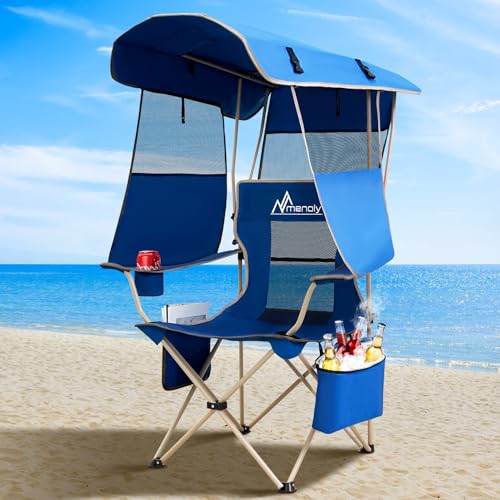

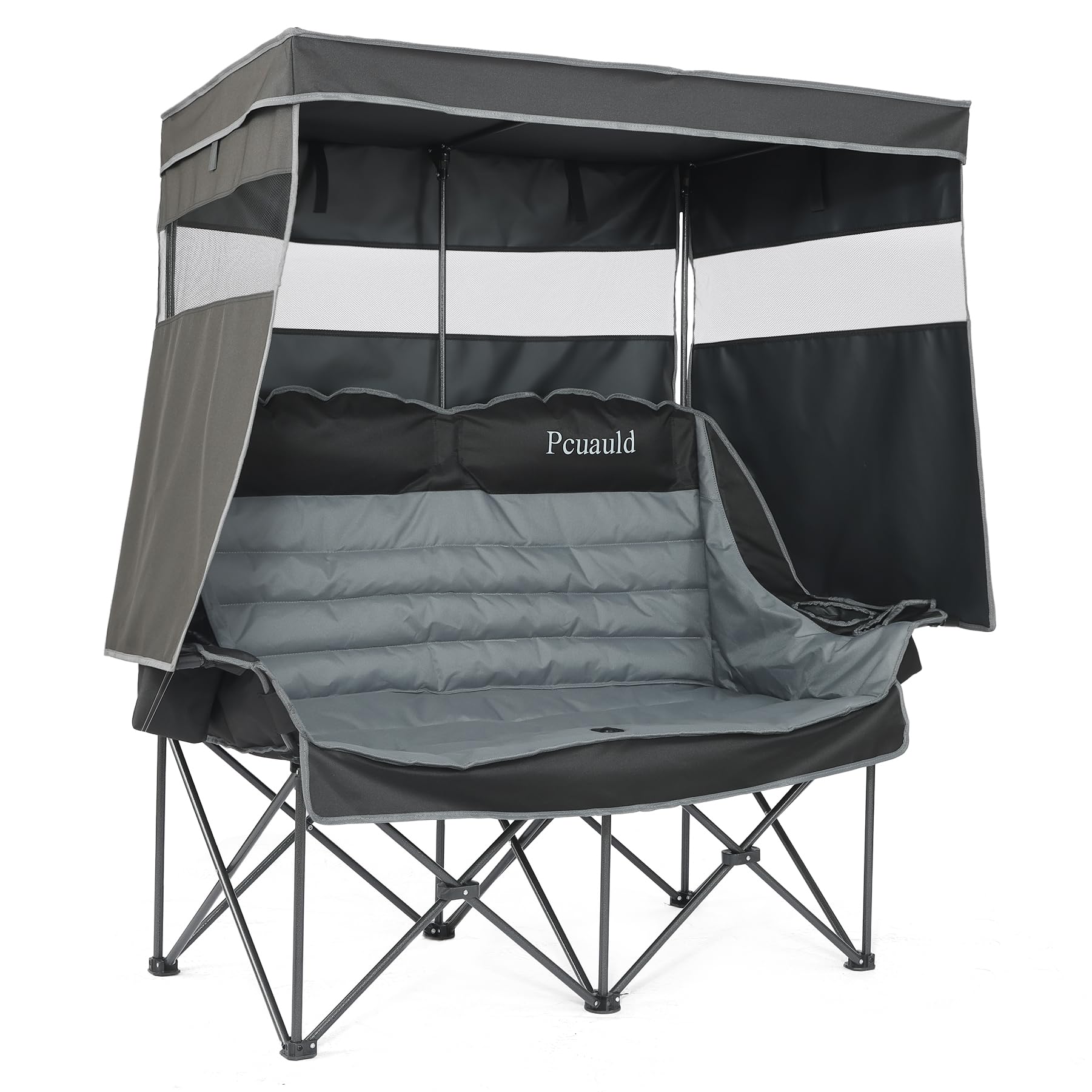


Best Beach Chairs With Canopy: Types Compared
The table below gives a quick overview of the four main canopy styles. The sections that follow explain the trade offs behind each row.
| Type | Best For | Pros | Cons | Typical Price |
|---|---|---|---|---|
| Fixed attached canopy | Simple setup and steady shade | Always in place, few moving parts | Cannot adjust as the sun moves | About $40 to $90 |
| Adjustable tilt canopy | Long stays and a moving sun | Angle changes through the day | More joints to check and tighten | About $60 to $130 |
| Detachable canopy | People who want shade on some days only | Removes for open sun or lighter packing | Can be left behind or misplaced | About $50 to $110 |
| Umbrella style shade | Wide coverage for two people or extra gear | Covers a larger patch of sand | Heavier and harder in strong wind | About $70 to $150 |
Fixed Attached Canopy
A fixed attached canopy is sewn or clamped to the chair frame and stays in one position. It suits readers and families who want shade without fiddling with angles, and it usually folds down with the chair in one motion. The drawback is that the shade patch moves as the sun moves, so you may need to shift the whole chair during a long stay.
Adjustable Tilt Canopy
An adjustable tilt canopy pivots forward, back, or sideways so you can chase shade without moving the chair. This style suits long beach days, naps, and anyone who dislikes repacking a spot every hour. Look for a tilt lock that holds under a light breeze and a range of motion that covers both morning and afternoon sun angles. More joints mean more parts to inspect, so check the mechanism before a trip and keep sand out of the hinges.
Detachable Canopy
A detachable canopy clips or slides onto the frame and comes off when you want full sun or a lighter load. It suits people who share one chair between shaded reading days and open sun swimming days. The main risk is practical rather than technical: a loose canopy can be forgotten at home or blown across the sand if it is not secured. Confirm that the clips fit your exact frame width and that the canopy packs into the same carry bag as the chair.
Umbrella Style Shade
Umbrella style shade uses a wider canopy, often on its own pole, to cover more sand than a chair mounted canopy. It suits couples, parents with a small bag of toys, and anyone who wants shade over both the chair and the ground beside it. The larger surface catches more wind, so a sturdy pole joint and a way to anchor the base matter more than they do on smaller canopies. This style also tends to weigh more, so weigh the extra coverage against the walk from the car.
Attached Canopy vs Detachable Canopy: Which Should You Choose?
Choose an attached canopy if you want the simplest routine: open the chair and the shade is ready. Choose a detachable canopy if you sometimes want sun and sometimes want shade, or if you pack light and would rather leave the canopy behind on short trips. Attached canopies usually fold faster, while detachable canopies give you two chairs in one, at the cost of one more part to track.
Consider your beach habits before the price tag. A daily beach walker who carries gear a long way may value the lighter, simpler attached style. A family that settles in one spot for hours may value the flexibility of a detachable canopy that can be angled, removed, or swapped between chairs. Either way, check the canopy size in inches, since a small canopy may shade only your head while a larger one shades your shoulders and book as well.
How to Choose the Right Canopy Beach Chair
Materials and Durability
Frame material sets the balance between weight and strength, with aluminum frames usually lighter and steel frames usually sturdier under heavier loads. Seat fabric should resist fading and dry reasonably fast after a splash, and a higher denier fabric generally feels tougher against sand and repeated folding. Check the stitching around the canopy mount, since that joint takes wind load all day. For a chair that will live in a car trunk through summer, look for rust resistant hardware and a fabric that does not stiffen after salt water exposure.
Capacity and Performance Specs
Weight capacity matters more than it first appears, because a chair rated well above your weight usually feels steadier when you shift or stand up on soft sand. Canopy size matters just as much: measure the width and depth of the shade patch rather than trusting a photo. For a fuller picture of seating comfort, see our guide to best beach chairs alongside the canopy details here.
Why Choose a Beach Chair With Canopy
A canopy gives you a patch of personal shade without carrying a separate umbrella, setting up a tent, or renting gear at the beach. That convenience matters most on hot days, for readers who want glare off the page, and for anyone who burns easily and wants a retreat between swims. The limit is honest too: shade moves with the sun, wind can lift a light canopy, and the sides of your body may still catch reflected light from sand and water.
Sun safety still needs your attention even under a canopy. Use sunscreen on exposed skin, drink water through the day, take shade breaks during peak sun, and avoid long stretches of peak sun exposure. Never leave children unsupervised near water, even when they are sitting happily in a shaded chair. If you want a broader view of canopy seating, see our guide to best canopy chairs before you choose a style.
Weight and Packed Size
Weight and packed size decide whether a chair is a pleasure or a chore on the walk to the water. A chair around 8 to 12 pounds suits most adults for a short walk, while heavier umbrella style models suit car adjacent beaches better than long boardwalk hikes. Folded length matters on crowded paths and in small trunks, so compare the folded dimensions, not just the open seat size. A padded carry strap or a backpack style bag can matter more than a one pound weight difference on a long carry.
Sun and Weather Protection
Wind is the biggest challenge for a canopy chair, since a broad canopy acts like a small sail. Look for a low profile canopy, a firm locking joint, and wide feet or sand pockets that keep the chair planted on soft ground. In a sudden gust, lowering the canopy or turning the chair sideways to the wind reduces lift. For rainy or very windy forecasts, a simple chair without a canopy may be the calmer choice, and you can add shade another day.
How to Make Your Canopy Beach Chair Last Longer
Shake off loose sand before folding, since trapped grains wear fabric and jam hinges over a season. Rinse salt water off the frame and fabric with fresh water after beach days, then dry everything fully before storage so mildew does not take hold. Store the chair unfolded or loosely folded in a dry place, and keep the canopy out of direct sun during the off season so the fabric does not fade unevenly.
Frequently Asked Questions
Do canopy beach chairs block all sun?
No, a canopy beach chair reduces direct sun but does not block all of it. Reflected light from sand and water still reaches your skin, and the shade patch shifts as the sun moves across the sky. Use sunscreen on exposed skin, wear a hat for extra coverage, and move the chair or adjust the canopy during long stays. Treat the canopy as helpful shade, not as full sun protection.
How much should a canopy beach chair weigh for a walk to the shore?
For a walk of several minutes over sand, a chair around 8 to 12 pounds usually feels manageable for most adults. Heavier models can still work if the carry bag has a padded shoulder strap or backpack straps that leave your hands free for a cooler or towel. If you regularly walk a long distance, favor a lighter frame and a compact fold over a larger canopy. Try carrying the packed chair at home before a trip to avoid surprises on the sand.
Can a canopy beach chair handle wind at the beach?
A canopy beach chair can handle a light breeze well, but strong gusts will challenge any broad canopy. Choose a lower profile canopy, lock the tilt joint firmly, and use wide feet or sand pockets to anchor the legs. In gusty conditions, lower the canopy or angle the chair so the wind hits the narrow side rather than the full canopy face. If gusts keep lifting the canopy, fold it down and enjoy open air until the wind eases.
What size canopy gives useful shade for reading?
For reading, look for a canopy at least 30 inches wide and deep enough to shade your head, shoulders, and book at the same time. Smaller canopies often shade only the top of your head, which leaves your arms and pages in glare. An adjustable tilt canopy helps here, since you can angle the shade onto the book as the sun moves. If you read for hours, pair the chair with a hat so shifting shade never leaves your face exposed.
How do I clean sand from a canopy chair?
Start by shaking the open chair upside down to drop loose sand from the fabric and frame joints. Rinse the chair with fresh water, then wipe the canopy fabric and let it dry fully before folding it away. Check the tilt joints and clips after cleaning, since fine sand can hide in hinges and stiffen the mechanism over time. A soft brush on dry fabric works well for stubborn grains, while harsh scrubbing can wear the coating on lighter canopy fabrics.
Final Thoughts
The right canopy style depends on how long you stay, how far you carry your gear, and how much you value adjustable shade over simple setup. Fixed canopies win on simplicity, tilt canopies win on all day comfort, detachable canopies win on flexibility, and umbrella style shade wins on coverage. Compare canopy size, weight, and wind stability in the product table, then choose the style that fits your beach routine rather than the largest shade you can find. With the right match, best beach chairs with canopy give you a cool, comfortable base for long sunny days by the water.


