
Best Beach Chairs with Umbrella: A Price Wise Buying Guide for 2026
Disclosure: We may earn a commission when you buy through links on this page, at no extra cost to you. As an Amazon Associate I earn from qualifying purchases. Learn more

Compare the best beach chairs with umbrella by price tier, shade size, frame strength and comfort to see which upgrades are worth paying for.
Shopping for the best beach chairs with umbrella can feel confusing because prices range from modest to high, and the shade that comes with the chair is often the part that matters most. A good choice balances a seat you can sit in for hours with a canopy that actually covers your head and shoulders as the sun moves. This guide explains what each price tier usually delivers, which features are worth paying for, and which extras you can safely skip.
The product table gives a quick side by side view of the picks, while the sections that follow explain how to judge shade, frame strength, comfort and pack size. Use the price tiers as a starting point, not a verdict, because a simple chair can suit a short beach visit better than a heavy chair with features you will never use.


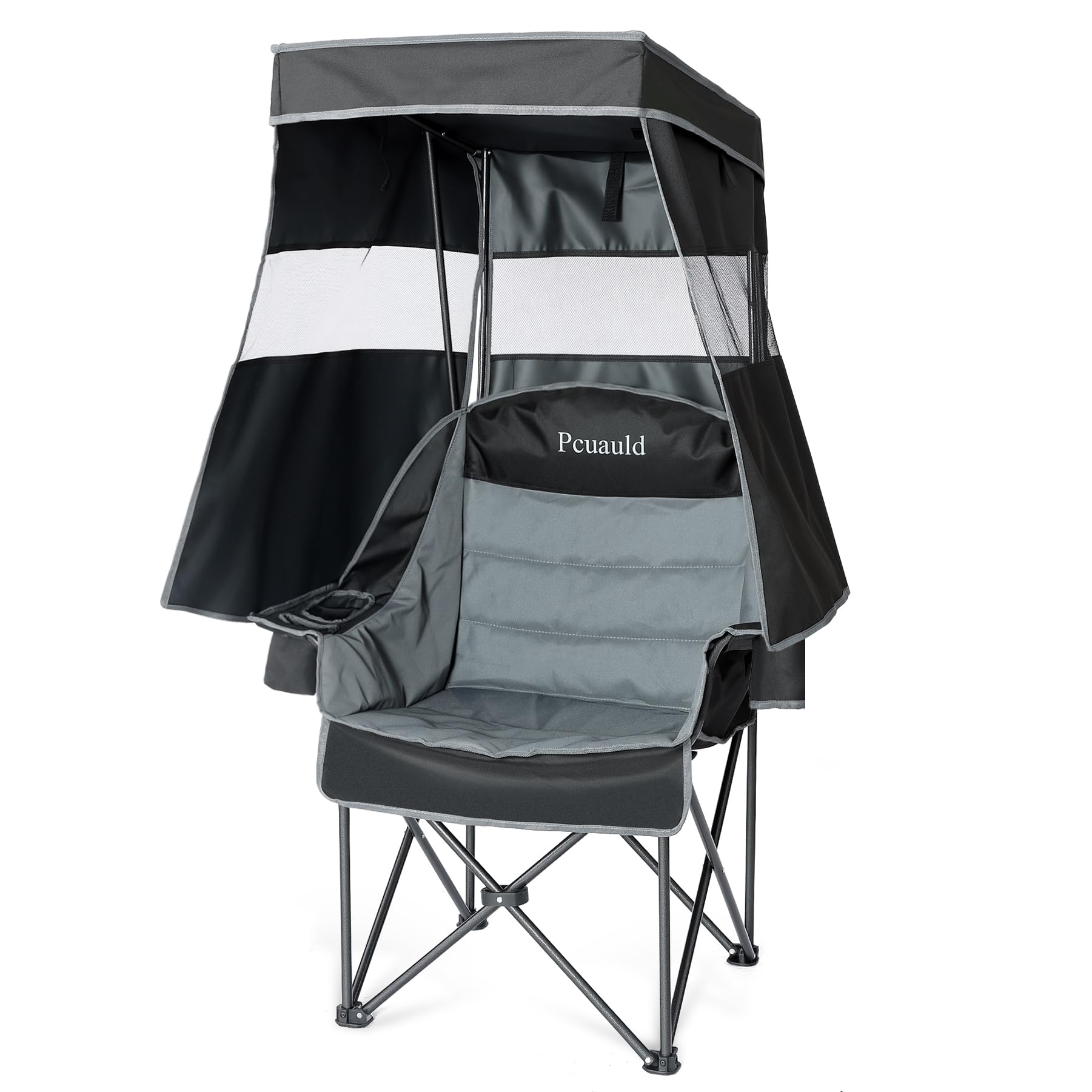


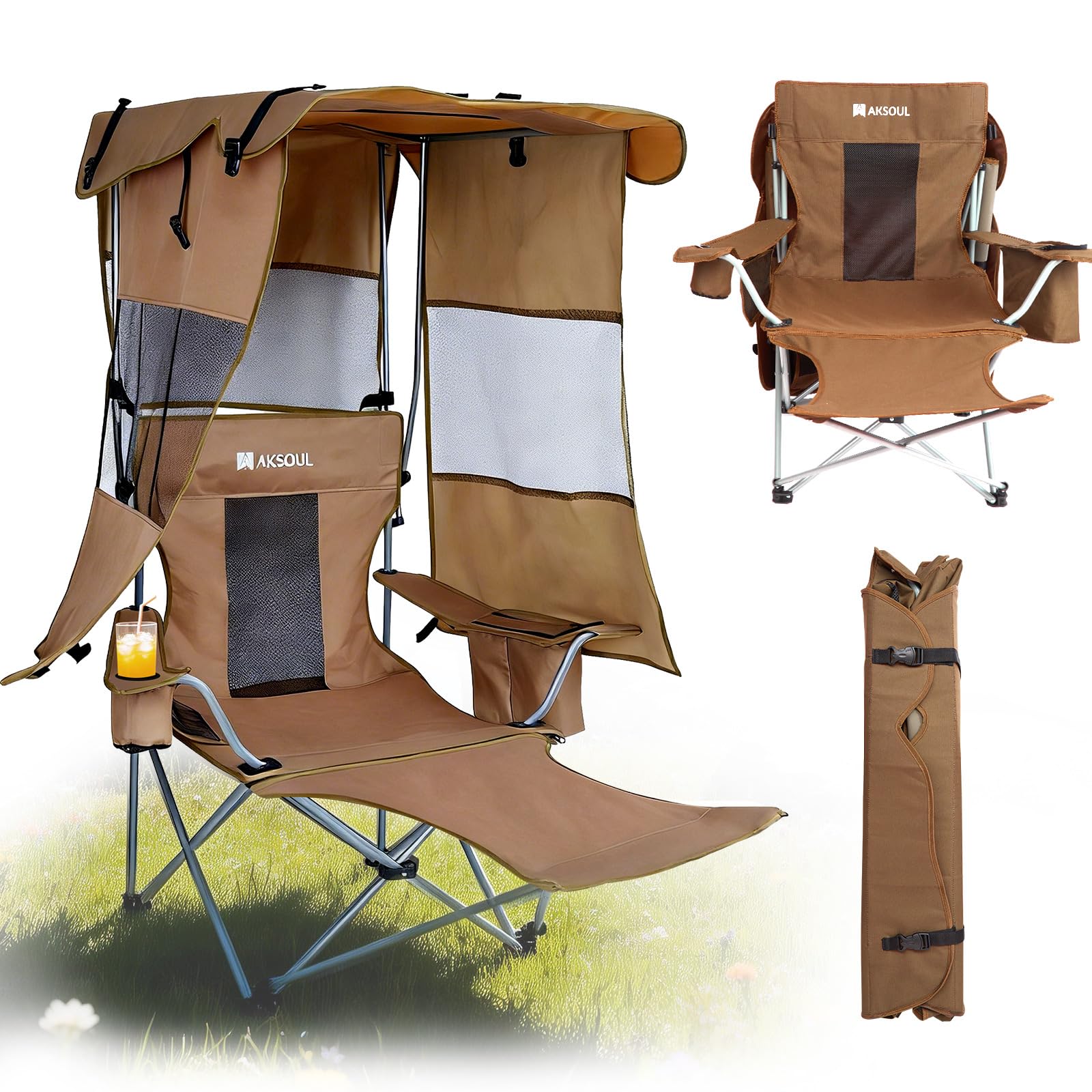


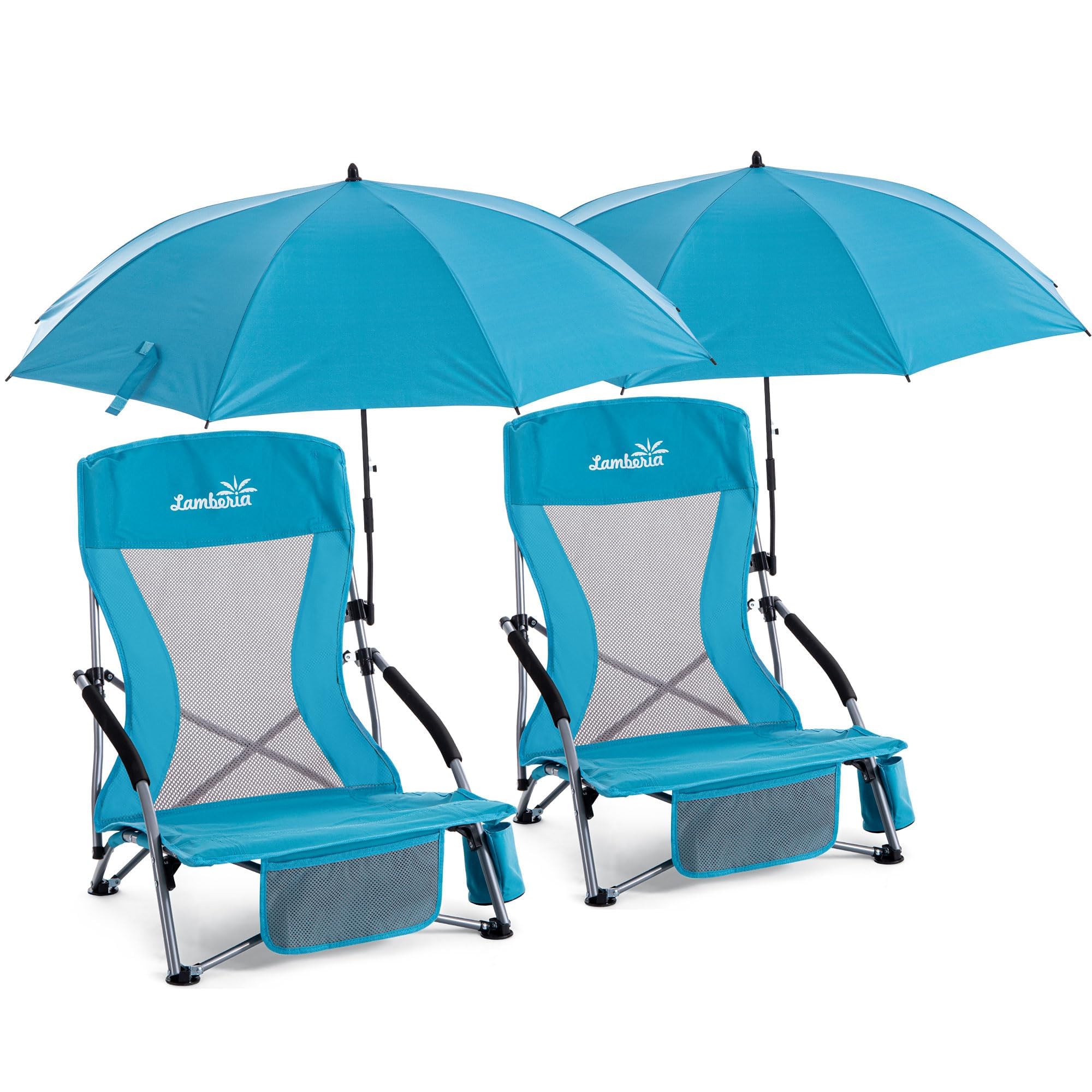
Who Should Buy Which Umbrella Chair
Different beach days call for different chairs. Think about how long you stay, how far you walk from the car, and whether you need shade that moves with the sun.
Short Visit Beachgoers
If you visit for an hour or two, a light chair with a small fixed canopy may be enough. Look for a seat that folds fast, a canopy that opens without a struggle, and a carry strap that leaves your hands free. You do not need a wide canopy or a thick seat pad for a short stay, and a lighter chair makes the walk back easier.
All Day Sitters
If you stay from morning to late afternoon, shade coverage and seat comfort matter far more than low weight. A wider canopy, an adjustable tilt, and a seat with some padding help you stay comfortable as the sun shifts. A sturdy frame also matters, because a chair that wobbles on soft sand gets tiring fast. For ideas on plain seating without a canopy, see our guide to best beach chairs.
Older Beachgoers and Families
A higher seat makes standing up easier, and armrests give extra support when getting out of the chair. A canopy that tilts helps older sitters stay in shade without moving the whole chair. Families may also want a chair that is easy to brush clean after a sandy day. For seating shaped around easier entry and exit, see our guide to best beach chairs for seniors.
What Your Money Gets You at Each Price Tier
Price tiers in this category mostly reflect frame material, canopy size, adjustment range and fabric quality. The cheapest chairs are not always poor value, but they usually trade comfort and durability for low weight and low cost.
Low Cost Tier: Simple Shade and Simple Seating
Chairs at about $30 to $60 often use a light steel or aluminum frame, a basic fabric seat, and a small canopy that stays in one position. They fold small and weigh little, which suits short trips and travelers who pack light. The trade off is thinner fabric, less padding, and a canopy that may cover only your head at midday. Check the leg feet, because narrow feet can sink into soft sand.
Mid Cost Tier: Sturdier Frames and Easier Adjusting
Chairs at about $60 to $120 often add a stronger frame, a wider canopy, and a tilt adjustment that lets you follow the sun without moving the chair. Seat fabric tends to feel thicker, and many models add a small pocket or a cup holder. This tier suits most all day sitters, because it balances comfort, shade and weight. It is also the tier where a detachable canopy option becomes useful, as explained in our guide to best clip on beach chair umbrella.
Higher Cost Tier: Wider Shade and Longer Lasting Parts
Chairs at about $120 to $200 often use rust resistant frames, denser fabric, and canopies that cover the head, shoulders and part of the torso. Joints and hinges usually feel tighter, and the canopy fabric often blocks more sun. These chairs weigh more, so they suit beachgoers who park close to the sand or use a cart. Paying more makes sense if you visit often and want a chair that keeps its shape after many seasons.
Features Worth Paying For and Ones to Skip
Why Choose a Chair With an Attached Umbrella
An attached canopy saves you from carrying a separate umbrella and a base, and it keeps shade close even on a crowded beach. The limit is coverage: most attached canopies shade the head and shoulders, not the whole body. If you want full body shade, a separate beach umbrella may serve you better, as covered in our guide to best beach umbrella.
Shade Size and Tilt
Canopy width and tilt range matter more than canopy shape alone. A canopy that tilts forward and sideways lets you stay in shade through the morning and afternoon without dragging the chair. Look for a tilt lock that holds firm in a breeze, because a canopy that flops forward blocks your view and offers little shade.
Frame Strength and Stability
Frame material affects weight, rust resistance and how steady the chair feels on sand. Aluminum resists rust and stays light, while steel can feel sturdier but heavier. Wide feet or a low stance help on soft sand. Check the joints for play before you buy, because loose joints grow looser with use.
Comfort and Seat Support
Seat width, back height and padding decide whether a chair stays comfortable after an hour. A seat that is too narrow squeezes the hips, while a back that is too low leaves the shoulders unsupported. Lumbar support helps if you read or watch the water for long stretches, but thick padding adds weight and drying time after a wet day.
Pack Size and Carrying Weight
A chair that folds flat and weighs little is easier to carry, store and load into a car. Measure the folded length against your trunk or closet space, not just the open size. A carry strap or a bag helps on long walks, but a bag can trap sand and moisture if you store the chair while it is still damp.
Long Term Costs to Factor In
The purchase price is only part of the total cost. Fabric can fade or tear, canopy joints can loosen, and a chair stored damp can develop mildew. Rinsing sand off after each trip, drying the chair before storage, and tightening loose screws can extend its life. Replacement parts such as canopy fabric or leg feet are not always sold separately, so a chair with a solid warranty may cost less over time even if the first price is higher.
Common Mistakes to Avoid
- Judging shade by canopy size alone, without checking tilt range, which leaves you in sun by afternoon.
- Choosing a very low seat for easier packing, then struggling to stand up on soft sand.
- Ignoring leg feet, so narrow legs sink and the chair tilts on every shift.
- Buying the widest canopy without checking folded size, then finding it does not fit your car.
- Storing a damp chair in a closed bag, which invites mildew and a stale smell.
How to Make Your Umbrella Chair Last Longer
Shake sand out before folding, rinse the frame and fabric with fresh water after beach days, and let the chair dry fully in open air before storage. Keep it out of long direct sun when not in use, because sun weakens fabric over time. Check hinges, tilt locks and screws at the start of each season, and tighten anything loose before it wears further. Small care habits like these keep the canopy moving smoothly and the frame steady for more seasons.
Frequently Asked Questions
How do I choose the right size umbrella chair?
Start with seat width and back height, then check folded length and weight. A seat should fit your hips without squeezing, and the back should support your shoulders when you lean back. Folded length matters for cars and closets, and weight matters for long walks to the beach. Also check canopy width against your shoulders, because a canopy narrower than your shoulders leaves one side in sun at midday.
How long should a good beach chair last?
A well cared for chair often lasts several seasons, while a lightly built chair may last only one or two summers of frequent use. Frame rust, fabric fading, and joint wear are the usual limits. Rinsing after beach days, drying before storage, and keeping the chair out of constant sun help it last longer. If joints wobble or fabric tears at stress points, repair may cost more than the chair is worth.
Is an expensive beach chair worth it?
A higher price is worth it if you visit often, sit for long hours, or need wider shade and a sturdier frame. Occasional visitors may do fine with a simpler chair that costs less and weighs less. Compare what the higher price adds, such as a wider tilting canopy, rust resistant parts, or thicker fabric. If those features match your beach habits, the extra cost can pay off over several seasons.
What features matter most for long hours in an umbrella chair?
Shade tilt, seat support, and frame stability matter most for long hours. A tilting canopy keeps shade on you as the sun moves, a supportive seat prevents stiffness, and wide feet keep the chair steady on sand. Padding helps, but it matters less than a seat shape that fits your body. A small pocket for a phone or sunscreen also helps, because it keeps small items off the sand.
Can an umbrella chair replace a separate beach umbrella?
An umbrella chair can replace a separate umbrella for one person who wants shade close at hand. It does not replace a large umbrella for a group, because its canopy covers mainly the sitter. A separate umbrella also shades bags, food, and children playing nearby. Choose an umbrella chair when you travel light and sit alone, and choose a separate umbrella when you need shade for a wider area.
Final Thoughts
The best choice comes down to three checks: shade that tilts far enough, a seat that fits your body, and a frame that stays steady on sand. Price tiers help you see what you gain at each step, but the right chair is the one that matches how long you stay and how far you carry it. Use the product table to compare the picks side by side, then weigh shade, comfort and pack size before you decide. With the right balance, the best beach chairs with umbrella can make beach days simpler, cooler and far more comfortable.
Remember sun safety on every visit: use sunscreen, drink water, take shade breaks, and keep a close eye on anyone near the water.


