
Best Beach Chairs for Pregnancy in 2026: What Actually Matters Before You Buy
Disclosure: We may earn a commission when you buy through links on this page, at no extra cost to you. As an Amazon Associate I earn from qualifying purchases. Learn more

Compare the best beach chairs for pregnancy by seat height, recline, lumbar support, stability on sand, shade and carry weight with a simple checklist.
Sitting down on sand is easy. Getting back up again in late pregnancy is the hard part, and the chair you choose decides how that moment feels. The best beach chairs for pregnancy give you a higher seat, firm arms to push against, and support that lets you rest without sinking. This guide turns those needs into a checklist you can use with the product table below.
Start by picturing your real beach day. Think about how far you walk, how long you sit at a stretch, and whether you need shade for most of the visit. Your answers point to the right seat height, recline range, and carry weight far better than color ever will.


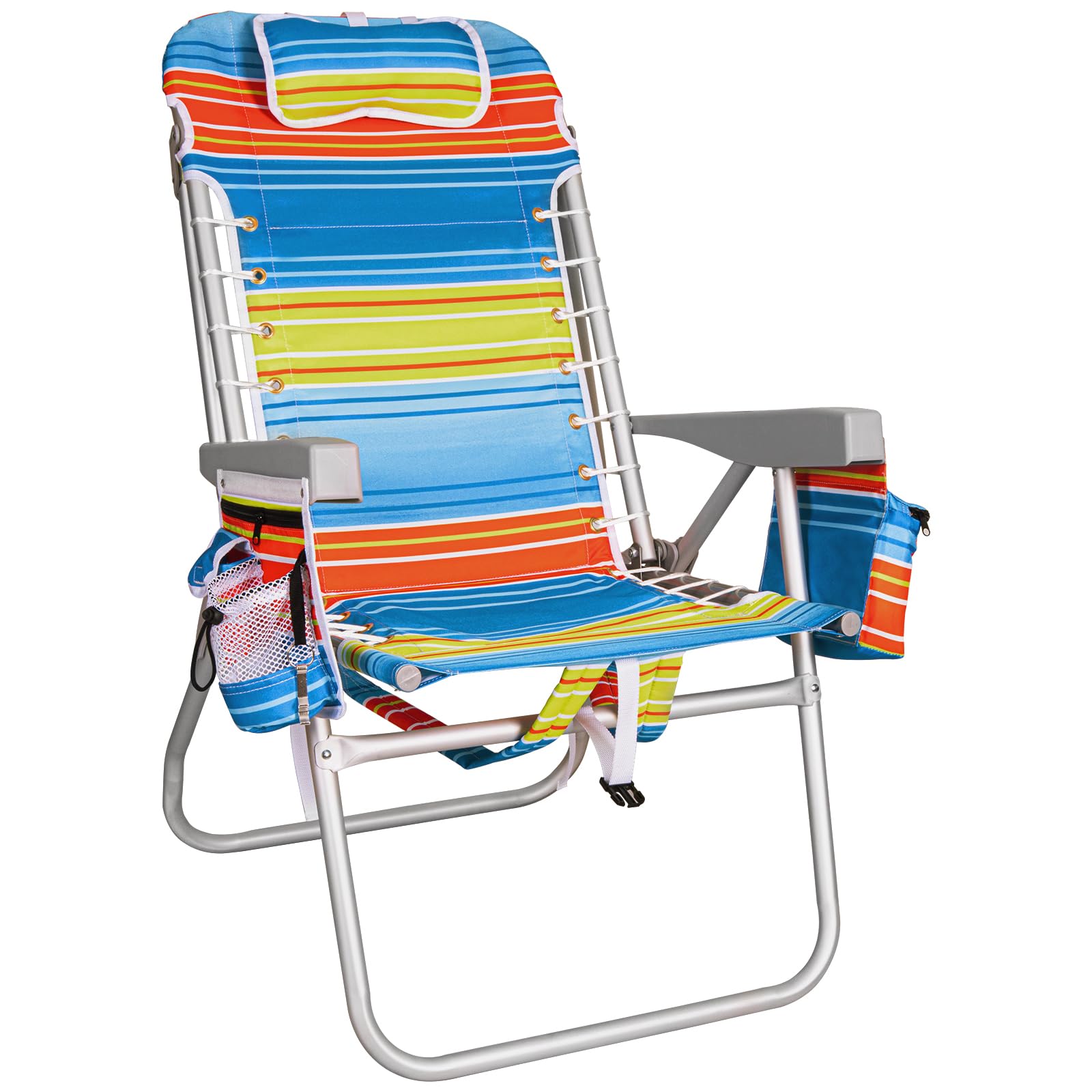
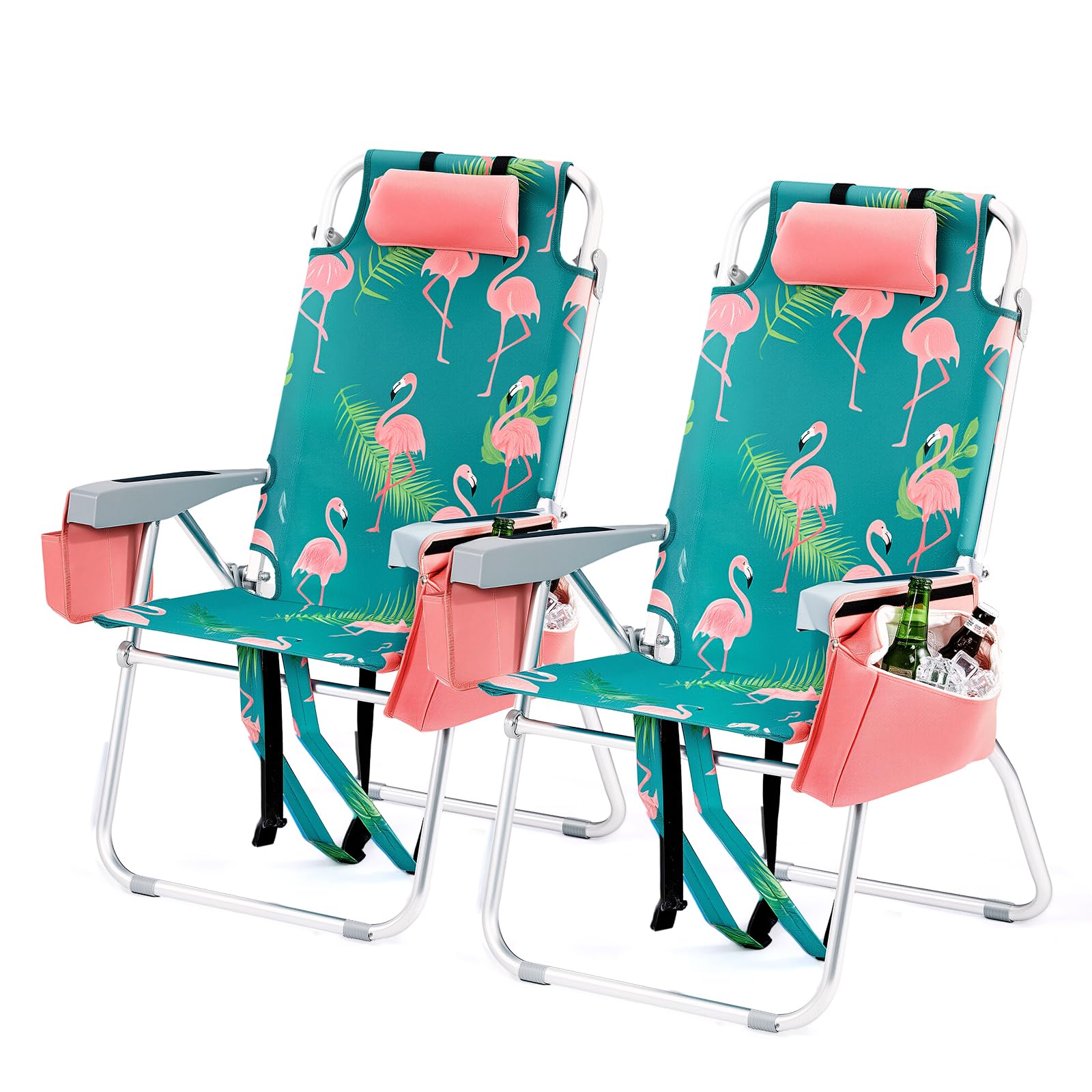
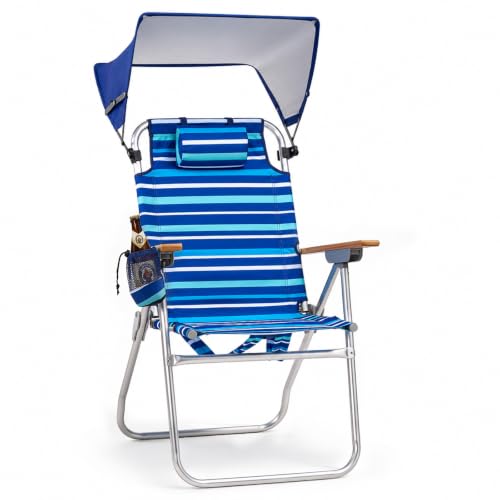
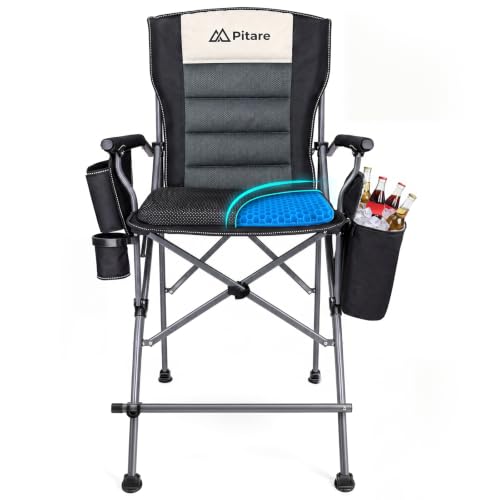

Who Should Buy Which Beach Chairs in Pregnancy?
Your stage of pregnancy and your usual symptoms shape the right choice more than any feature list. Match your group below first, then check the next section.
Pregnant Readers in Later Trimesters Who Need Easier Standing
As your belly grows, your center of balance shifts and rising from a low seat takes real effort. Choose a tall upright chair with a seat about 16 to 19 inches above the sand and wide, firm armrests you can push down on with both hands. Avoid low slung chairs that sit just a few inches off the ground, because you may need help every time you stand.
Pregnant Readers With Back Ache and Swollen Legs
A sore lower back and puffy ankles call for a reclining chair with steady lumbar support and a leg rest that lifts your feet. Change position often rather than sitting still for hours. Sudden swelling in your face or hands, a severe headache, vision changes, strong belly pain, dizziness, or reduced movement from your baby needs medical care promptly, so talk with your clinician about personal needs and warning signs.
Pregnant Readers Who Walk a Long Way to the Sand
If the walk from parking to shoreline crosses soft sand or stairs, carry weight matters as much as comfort. Choose a chair under about 10 pounds with backpack straps or a padded shoulder strap, and let a partner carry the cooler and heavy bags. A simpler chair you can carry without strain beats a heavy padded model that leaves you breathless.
Key Features to Compare
Work through these five factors in order. When you compare best beach chairs for pregnancy this way, a low price cannot hide a seat that is too low or too heavy.
Seat Height and Firm Armrests for Standing Up
Seat height is the measurement from the sand to the top of the seat fabric, and it controls how hard standing feels. Most low beach chairs sit about 8 to 12 inches high, while tall models reach about 16 to 19 inches and suit pregnancy far better. Your feet should rest flat with your knees near a right angle. Wide armrests at elbow height give your hands a solid push point, and a few models add adjustable armrests that lock at more than one height.
Recline Positions, Lumbar Support and Tilt Lock
Recline lets you shift pressure off your lower back as the day goes on, and most beach loungers offer about three to five set positions from upright to nearly flat. Look for a tilt lock that holds each position firmly, because a backrest that slips while you lean can jolt your back and belly. An ergonomic curve or a small pillow behind your lower back adds lumbar support, and a headrest supports your neck when you lean back.
Seat Width, Cushioning and Weight Capacity
A standard seat is about 20 to 22 inches wide, while wide models offer about 24 to 26 inches and leave room to shift as your body changes. Thin fabric seats feel cool but can press under your thighs, while padding with high density foam spreads pressure for longer sits. Check weight capacity with a real margin: most chairs hold about 250 to 300 pounds, and reinforced frames hold more. Choose a rating comfortably above your current weight plus any bag on the seat.
Stability on Sand and Frame Strength
Sand shifts under narrow feet, so wide feet or bar style feet spread your weight and sink less. A steel frame feels solid and costs less, while an aluminum frame weighs less and resists rust near salt water. Press each foot down before you sit, sit slowly the first time, and lean gently to test the spot. If one foot sinks, stand and move to firmer ground rather than rocking, because rocking under load can bend a leg.
Breathable Fabric, Shade and Carry Weight
A mesh back lets air move on hot days and lets water pass through after a splash, while solid fabric with padding holds heat and dries slowly. A canopy keeps sun off your face and shoulders, though it adds weight and can catch the wind. Most chairs weigh about 7 to 13 pounds, so count towels and water in your total carry too. If you also need easier standing indoors, see our guide to the best chairs for pregnancy for support at home.
Beach Chair Types Compared for Pregnancy
Tall upright chairs are the safest default for most of pregnancy. They keep your hips above your knees, work well for reading and talking, and pair with a footrest if you want your legs raised.
Reclining loungers with a leg rest suit long, slow days when you plan to rest for an hour or more. Choose one that still sits fairly high upright, because some loungers drop low when fully reclined. For styles beyond pregnancy, see our guide to the best beach chairs. Older family members face the same standing problem, so see our guide to the best beach chairs for seniors for grandparents too.
Before you order, run this quick checklist. Can you stand from that seat height without help? Does the recline lock in a position that supports your lower back? Is the seat wide enough to shift sides? Does the weight capacity leave a clear margin? Will the feet stay steady on soft sand? Can you carry the folded chair without strain? Any no means keep looking.
Common Mistakes to Avoid
These errors are common because a chair that worked last summer may no longer fit your body now.
- Choosing a low slung chair makes standing so hard that you avoid drinks and walks and sit stiff for hours.
- Ignoring weight capacity leaves no margin for weight gain, so the fabric sags and the frame strains late in pregnancy.
- Picking a narrow seat pinches your hips and thighs, so you shift often and your legs fall asleep.
- Skipping a recline lock lets the backrest slip without warning, which can jolt your back as you lean.
- Carrying a heavy chair across hot sand raises your heart rate and tires your arms before the visit starts.
- Forgetting shade leaves your face and shoulders in full sun, so you cut the day short with a headache.
Care and Maintenance for Beach Chairs in Pregnancy
Rinse sand and salt water off the frame and fabric with plain water after each trip, then open the chair fully and let it dry in shade before you fold it away. Sand left in the recline joints grinds the moving parts and can make the tilt lock stiff, so brush joints clean once dry.
Check armrests, locking pins, and frame joints before each outing, and stop using a chair with a bent leg or a lock that slips. Store the folded chair indoors out of direct sun, because heat and light weaken fabric over a season. Let thick padding dry fully to prevent a musty smell.
FAQ
What seat height is best for a beach chair during pregnancy?
A seat height of about 16 to 19 inches suits most pregnant readers best. That height keeps your hips near or above your knees, so standing needs less push from your legs. Test the idea at home with a dining chair of similar height before you buy. If you are tall, choose the upper end of the range.
Can pregnant readers use a low beach chair safely?
Most pregnant readers should treat a low beach chair as a short rest seat only, not their main chair. Sitting just a few inches above the sand makes standing a two person job in later months. If you borrow one at a group outing, sit on the edge with feet planted wide and ask for a steady hand.
How long should pregnant readers sit in a beach chair at one time?
Plan to stand and walk briefly about every 30 to 60 minutes during a beach visit. Regular movement eases stiffness in your hips and helps your legs feel less heavy after sitting. Set a phone reminder if you tend to read for hours. Use each break for water and shade, and stop resting outdoors if you feel dizzy or unwell.
Is a reclining beach chair or an upright beach chair better in pregnancy?
A reclining beach chair suits longer rests, while an upright chair suits meals, reading, and frequent standing. Many readers do best with a recliner that locks in a fairly upright position, so one chair covers both needs. Avoid lying fully flat for long stretches if that position makes you lightheaded. Sit up slowly and stand only once you feel steady.
What should pregnant readers pack with a beach chair for comfort?
Pack a small pillow for your lower back, a wide hat, and more water than you expect to drink. A light towel over the seat fabric stops skin sticking to warm fabric and makes shifting easier. Keep snacks and sunscreen in a bag beside the chair, not on your lap. A small battery fan clipped to the armrest can make humid air feel far more bearable.
Final Thoughts
Put seat height first, then recline support, a wide seat with a clear capacity margin, and steady feet on sand. Add shade and a carry weight you can manage, and the chair will serve you through every trimester. Use the product table above to check height, width, and weight.
Chosen with those points in mind, the best beach chairs for pregnancy let you enjoy the shore without dreading the moment you need to stand. Pick the simplest chair that passes your checklist and rest well.


