
Best Beach Chairs for Plus Size in 2026: Types Compared and How to Choose
Disclosure: We may earn a commission when you buy through links on this page, at no extra cost to you. As an Amazon Associate I earn from qualifying purchases. Learn more

Compare beach chair types for plus size readers by capacity, seat width, and frame build, with price bands and simple care tips to help you choose well.
Standard beach chairs are built around a standard frame, and that is exactly the problem when you are not a standard size. The best beach chairs for plus size readers are not just bigger versions of the same chair, because the frame, the fabric, and the seat width all have to change together. This guide compares the main types side by side, explains the figures behind comfort and safety, and shows you how to read a label first.
The comparison table below sums up the types first, and the sections after it explain each one in plain terms.


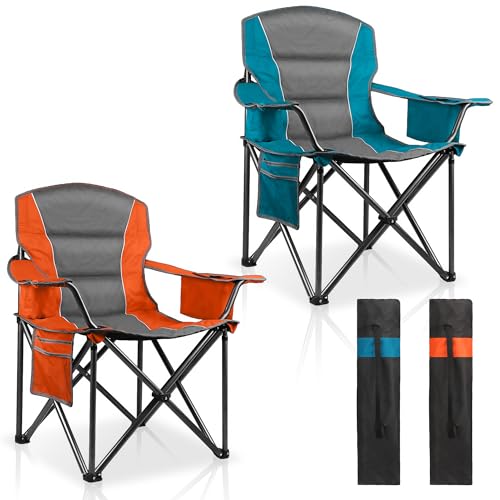


Types of Beach Chairs Compared
Start every comparison with capacity, because capacity is read from the label and the label is the one figure a maker has to stand behind. A capacity class is only trustworthy when a reinforced frame class and a wide seat class sit behind it, since a strong tube frame under a narrow seat still fails a plus size reader. Standard beach chairs are commonly rated at about 225 to 250 pounds, while genuine plus size classes run about 300 to 400 pounds and beyond. Treat any chair that hides its rating as a standard chair in disguise.
| Type | Best For | Pros | Cons | Typical Price |
|---|---|---|---|---|
| Heavy duty high capacity | Readers who want the strongest frame | Highest ratings, steel or thick aluminium tubes | Heavier to carry to the waterline | About $120 to $200 |
| Wide seat loungers | Long reclined afternoons | Widest seats, adjustable backs | Bulky when folded | About $80 to $150 |
| Low profile sand chairs | Sitting close to the water | Light, stable, easy to pack | Low seat is harder to rise from | About $40 to $80 |
| Backpack folding chairs | Walking a long way to the beach | Straps free both hands, storage pockets | Mid range ratings only | About $50 to $110 |
Heavy Duty High Capacity Chairs
These are the chairs built around the frame first. Tubes are thicker, joints are braced with cross bars, and fabric is sewn with double seams so the seat does not sag by noon.
Ratings at the top of this class reach about 400 pounds and beyond. The cost of that strength is carry weight, since a steel frame chair can weigh twice as much as a slim aluminium one. Choose this type if the chair serves one reader for whole seasons and the walk from the car is short.
Wide Seat Loungers
Loungers trade a little frame strength for room and recline. The seat is the widest of any type, and the back adjusts through several positions so you can stretch out fully. They suit readers who spend the day in one spot.
Check the rating carefully, because a wide seat on a light frame is a comfort feature, not a strength feature. Folded size is the other catch, since a lounger can fill a small car boot on its own.
Low Profile Sand Chairs
A low profile chair sits just a few inches above the sand, which keeps it stable in wind and lets you stretch your legs out flat. That low seat is also its weakness for many plus size readers, because rising from about 8 to 10 inches of seat height asks a lot of knees and hips. Some models split the difference with a seat around 12 inches high, which keeps the relaxed feel and eases standing. This type suits anyone who sits at the waterline, and it packs smaller than any other class.
Backpack and Compact Folding Chairs
Backpack chairs fold flat and carry on shoulder straps, leaving hands free for gear. Most sit mid range, at about 300 pounds, with aluminium frames that keep carry weight down. Pockets on the back hold a book, a bottle, and sunscreen, which removes one more bag from the walk.
The folding joints are the wear point, so look for metal rather than plastic hinges. Choose this type when the beach is a long walk from parking and the chair travels on your back every time.
Heavy Duty Frames vs Wide Seat Loungers: Which Should You Choose?
Choose the heavy duty frame when the rating is your first worry, because its braced tubes and double sewn fabric hold their shape season after season.
Choose the wide seat lounger when comfort across a long afternoon matters more, because its recline positions and extra width spread your weight and ease pressure points. Carry splits them too, since the steel frame chair is the heavier lift while the lounger is merely bulky. Price splits them further, with loungers often costing less at the same rating. Readers can also start from our guide to best beach chairs and check each rating against the plus size figures here.
How to Choose the Right Beach Chair
Seat Width and Seat Height
Width is the figure that decides whether a chair feels generous or pinching. A seat width of about 24 inches and up counts as a true wide class, while standard seats sit near 20 to 21 inches and squeeze hips and thighs. Measure across the inside of the frame, not the fabric edge, because armrests steal room the headline figure claims.
Height matters just as much. A seat around 15 to 17 inches off the sand lets most readers stand up without pushing off their knees, while very low seats trade that ease for a relaxed recline.
Legs and Feet on Sand
Legs decide whether a chair stays level or slowly sinks and tips. A wide leg spread governs how the chair behaves on sand, because four feet planted far apart spread the load and stop one corner from digging in under your weight. Flat feet or wide pads beat narrow tube ends, which act like pegs in soft sand. On hard ground the same wide stance keeps the chair from rocking.
Rinse the feet and joints after wet sand trips, since trapped grit grinds the folding points.
Fabric, Armrests, and Frame Build
The honest way to shop for the best beach chairs for plus size is to read build details before colour charts. Fabric should be a heavy weave rated for outdoor use, with seams sewn rather than glued, since a glued seam peels in heat. Armrests need metal or hardwood supports under them, because you press your full weight through your arms every time you stand.
Powder coated steel resists salt air better than bare metal, and aluminium frames trade a little strength for a much lighter carry. A frame warranty of a year or more tells you the maker expects the chair to last.
Care and Maintenance Tips
Salt and sand shorten a chair life faster than weight does. Shake sand out of the joints before folding, rinse the frame with fresh water after beach days, and let fabric dry fully before storage so mildew cannot take hold.
Check bolts and rivets at the folding points each season and tighten any that work loose. Store the chair indoors or under cover, because sun weakens fabric month by month. A rinsed, dried, well stored chair will usually outlast a stronger chair left damp in a garage corner.
Beach Chairs: Your Questions Answered
What features matter most in beach chairs for plus size?
An honest weight rating, a seat at least about 24 inches wide, and a braced frame matter most in a plus size beach chair. One point labels rarely spell out is the margin. A chair rated about 50 to 100 pounds above your weight will feel firmer and last longer than one rated exactly at it. Buy the margin, not the minimum.
How do I choose the right size beach chair for a plus size frame?
Match the chair to three of your own measurements: hip width, your weight, and how easily you rise from a low seat. Your hips plus about 2 inches of spare room set the seat width to look for. If rising is hard, skip low profile models and choose a seat height of about 15 to 17 inches. Trying a chair in a shop for one full minute tells you more than any chart.
Is an expensive plus size beach chair worth it?
An expensive chair is worth it when the money buys frame metal, seam quality, and a stated warranty rather than colours and cup holders. Heavy duty models at about $120 to $200 usually carry ratings and warranties that budget chairs do not match. One strong chair can outlast two cheap ones that sag or snap. If your beach trips are rare, a mid priced wide seat chair is the smarter spend.
How long should a good plus size beach chair last?
A good plus size beach chair should last about three to five seasons of regular use. The frame usually outlives the fabric, so chairs with replaceable or repairable fabric last longest. Fading is cosmetic, but a seat that has stretched into a deep sag is a safety issue, because it shifts your weight onto the frame edges. Retire a chair when a tube bends, a joint wobbles after tightening, or stitching opens along a loaded seam.
What features matter most for long hours in a beach chair?
An adjustable back, breathable fabric, and a seat height you can rise from without help matter most across long hours. A recline range lets you shift position before stiffness sets in, and a mesh or open weave panel keeps air moving. A small pillow or rolled towel behind your lower back fills the gap most flat backs leave. Pair the chair with a hat or umbrella for shade.
Final Thoughts
Read the rating first, the seat width second, and the leg stance third, and the right type usually picks itself. The product table above lines those figures up against each price band so you can weigh strength against carry weight at a glance. Chosen on figures rather than photos, the best beach chairs for plus size readers are the ones that still feel solid at the end of the season, and a well kept chair gives you several summers of that.


