
Best Beach Chairs Ever: A Complete Buying Guide for 2026
Disclosure: We may earn a commission when you buy through links on this page, at no extra cost to you. As an Amazon Associate I earn from qualifying purchases. Learn more

The best beach chairs ever balance comfort, frame strength and portability. Learn what to check on seat height, recline and weight capacity.
A great beach chair makes the difference between shifting around on hot sand and actually relaxing for hours. The trouble is that chairs that look similar online can feel very different once you sit, carry, and fold them a few times.
This guide explains how to judge best beach chairs ever claims with simple checks on comfort, strength, and portability. Work through the criteria below, then use the product table to match those checks against real options and prices.


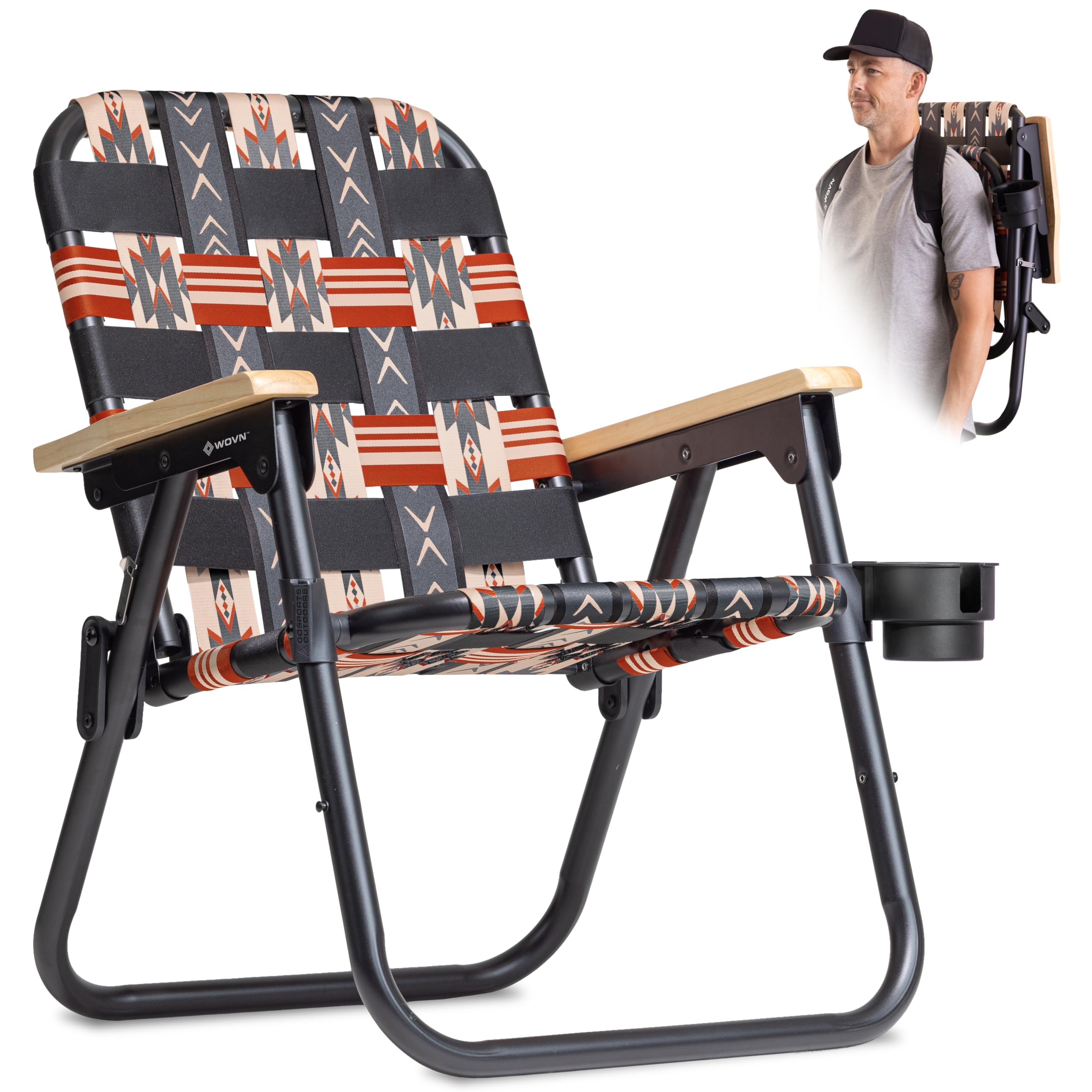

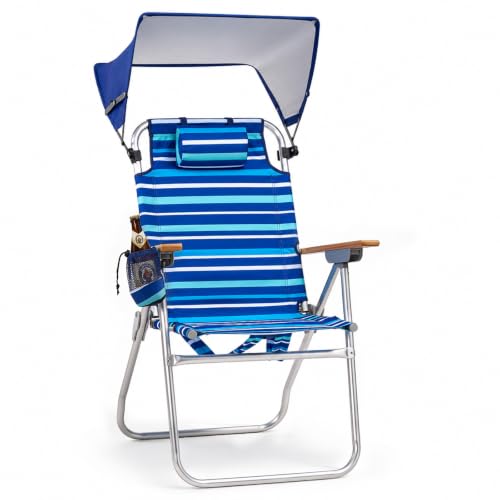

What Great Beach Chairs Share: Three Buying Priorities
Overall Qualities
The strongest all around chairs balance four things at once: a sturdy frame, fabric that dries fast and breathes, a recline range that suits both reading and napping, and a folded size you can carry without strain. None of these needs to be extreme. A chair that does each job well will beat a chair that is brilliant at one thing and poor at the rest.
Look for smooth recline action, armrests at a natural height, and a weight rating with real headroom above your body weight. In the middle price tier, around $60 to $120, you usually get this balance. Cup holders and a small storage pocket are useful extras, but they should never be the reason you choose a weak frame.
Value Qualities
Value means cost spread over seasons of use, not the lowest sticker price. A chair at around $40 to $70 with an aluminum frame, solid stitching, and a one year warranty often outlasts a bargain chair that bends or tears in a single summer. Check the cost of failure too: a chair that collapses can ruin a beach day and even cause a fall.
To judge value, compare weight capacity, frame material, and fabric type before you compare colors or accessories. If two chairs match on those core points, the one with a longer warranty and readily available replacement parts is usually the smarter buy. Simple designs with fewer moving parts also tend to age better at this tier.
Qualities for Beginners
If this is your first beach chair, favor ease over features. A lightweight folding chair that opens in seconds, sits at a comfortable height for getting up, and rinses clean with a hose will teach you what you like without locking you into a bulky design. Backpack style straps are a genuine help if you walk far from the car to the sand.
Beginners should also start with a standard seat height rather than a very low sand chair. Low chairs feel relaxing but can be hard to rise from, especially on soft sand. Once you know your habits, you can add a second, more specialized chair later with confidence.
How to Choose a Great Beach Chair: Buying Guide
Ergonomics and Adjustability
Seat height shapes comfort more than most buyers expect. Standard chairs sit about 8 to 12 inches off the sand, which suits most adults and makes standing up easier. Taller chairs around 15 to 17 inches help people with knee or hip concerns, while low chairs near the sand suit sunbathers who like to stretch their legs out.
Recline positions matter for long stays. Four or five locking positions let you sit upright for conversation, lean back for reading, and lie nearly flat for a nap. Check that the lock holds firmly on both sides, since a lock that slips on one side twists the frame and feels unsafe. Padded head support or a movable pillow adds comfort without much weight.
Comfort and Cushioning
Most beach chairs use taut fabric rather than thick cushions, and that is a good thing near water. Breathable mesh panels keep air moving on hot days and dry quickly after a swim. Solid fabric feels smoother against skin but can hold heat and stay damp longer, so mesh inserts are a practical compromise.
Armrests change how a chair feels over hours. Wide wooden or padded armrests spread pressure and stay cooler than thin plastic in strong sun. If you read or hold a drink for long stretches, test armrest height against your natural elbow position. A chair that supports your arms well reduces shoulder tension across the whole afternoon.
Build Quality and Frame
Aluminum frames are light, resist rust, and suit most beach use. Steel frames feel very solid and often carry higher weight ratings, but they are heavier and can rust if the coating chips in salty air. For regular beach trips, aluminum with reinforced joints is the practical default.
Check the stated weight capacity and choose a rating comfortably above the user weight, since sand creates uneven loads when you shift or lean. Inspect photos for wide feet or sand friendly bars that stop legs from sinking. Cross bracing at the back and under the seat is a good sign of a frame built to last.
Warranty and Return Policy
Warranties on beach chairs often run from one year to a few years on the frame, with shorter coverage on fabric. Read what counts as normal wear, because sun fading and sand abrasion are usually excluded. A clear policy with easy contact details tells you the maker expects the chair to survive real use.
Return terms matter because comfort is personal and hard to judge from photos. If you can, buy where a home trial sit is possible within the return window. Sit in the chair on a firm floor, recline through every position, and fold it twice before deciding to keep it.
Style and Beach Fit
Style is not only about color. A wide chair looks inviting but may not fit a crowded beach or a small car trunk when folded. Measure your trunk or storage space and compare it with the folded dimensions before you buy, especially for oversized or lounger style chairs.
Color has a practical side too. Dark fabrics absorb heat and can feel hot against bare skin at midday, while very light fabrics show sand and sunscreen stains quickly. Mid tone colors with patterned fabric hide wear well and stay comfortable in the sun. If you often go as a pair or a family, matching folded size across chairs makes packing far simpler. Our general guide to the best beach chairs covers sizing in more depth.
Materials and Fabric
Polyester fabric is common because it resists sun damage and dries at a reasonable speed. Higher denier counts generally mean a tougher weave that handles friction from sand better. Mesh sections improve airflow, and double stitching at stress points near the frame helps prevent early tears.
Wood accents, often on armrests, look attractive and feel cool, but they need drying after wet use to avoid swelling or cracking. Plastic parts should feel thick and flexible rather than brittle. If you are choosing for an older family member, compare the supportive designs in our guide to the best beach chairs for seniors, where seat height and armrest support get extra attention.
Setup and Carrying
A good beach chair opens and folds without pinching fingers or forcing stiff joints. Many designs use backpack straps or a single shoulder strap, which keeps your hands free for a cooler and a bag. Weight matters on every step of that walk: most adults carry chairs around 7 to 11 lb comfortably, while heavier chairs quickly become a burden in soft sand.
Practice folding at home first so the motion is familiar at the beach. Shake sand out before folding to protect joints and fabric, and store the chair dry to prevent mildew. A chair that is easy to carry and quick to set up is the chair you will actually bring, which is the whole point.
Types of Beach Chairs
Compact and Space Saving Models
Compact chairs fold small and light for walkers, cyclists, and anyone with tight car or closet space. They usually sit lower and offer fewer recline positions, which is a fair trade for portability. They suit short stays and solo trips best, and they make a smart second chair for guests.
Ergonomic Models
Ergonomic models add higher seats, firmer back support, and sometimes a face opening for lying on your stomach while reading. They help people who find low chairs hard to use and anyone who stays seated for long periods. Expect more weight and a larger folded size. For relatives who need that extra support, see the options discussed in our guide to the best beach chairs for elderly users.
Budget Models
Budget chairs, often under $40, cover basic needs for occasional beach days and spare seating. Frames and fabric are thinner, recline locks are simpler, and warranties are short. They can be a sensible buy for a vacation rental or a single season of light use, as long as you respect the weight rating and store them out of the weather.
Setup and Care Tips
- Set the seat on level sand. Press the legs down evenly and test the recline lock before you settle in with a drink.
- Rinse after each beach day. Fresh water removes salt and sand that grind at joints and fade fabric over time.
- Dry fully before storing. Open the chair in shade until the fabric and frame are dry to prevent mildew and rust.
- Check bolts and locks each season. Tighten loose hardware and retire a chair with a bent frame or a slipping lock.
- Keep fabric out of harsh storage heat. A cool, dry spot preserves elastic parts and coatings far better than a hot car trunk.
Beach Chairs: Your Questions Answered
Is an expensive beach chair worth the cost?
It can be, if you go to the beach often. Higher prices usually buy a stronger frame, better fabric, smoother recline locks, and a longer warranty, which spread the cost across many seasons. If you visit the sand only once or twice a year, a solid midrange chair gives you most of the comfort for far less money.
How long should a good beach chair last?
A good beach chair should last about three to five seasons of regular use with rinsing and dry storage. Chairs left outdoors, stored wet, or loaded beyond their rating wear out much sooner. Fabric fading is normal in strong sun, but torn stitching, bent joints, or locks that slip mean it is time to replace the chair for safety.
What features matter most for long hours on the beach?
Recline range, breathable fabric, and supportive armrests matter most for long hours. A movable head pillow and a seat height that lets you stand up easily also help more than novelty extras. Shade from an umbrella and regular breaks to stretch still matter, since no chair removes the need to move during a full day outside.
How do I choose the right beach chair size?
Match seat width and weight capacity to the largest regular user, with comfortable headroom on both numbers. Then check seat height against mobility: higher seats are easier to leave, lower seats feel more relaxed. Finally, confirm the folded size fits your car and storage space. A chair that fits your body but not your trunk will spend its life at home.
Final Thoughts
Choose on frame strength, seat height, and how easily you can carry and clean the chair. Those three points decide whether a chair earns its place season after season. Revisit the product table with your measurements in hand, and you will see why the best beach chairs ever for your routine are simply the ones that fit your body, your car, and your beach days without a fight.


