
Best Beach Cabanas: A Complete Buying Guide
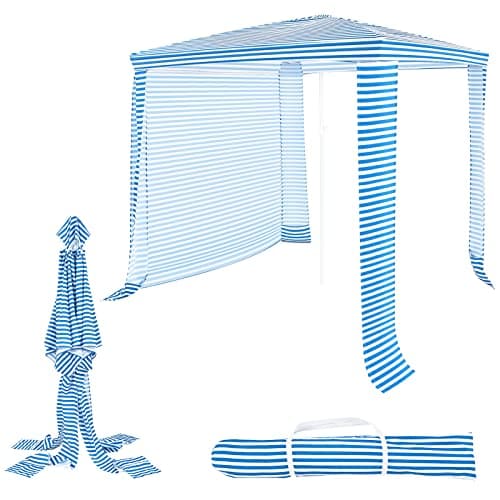
Nothing ruins a beach day faster than watching your shade structure tumble across the sand or realizing an hour in that your shoulders are already pink despite sitting under cover. A good cabana solves both problems, but only if you know what to look for before you buy. This guide walks through what separates the best beach cabanas from the ones that end up folded in a closet after one bad afternoon. You'll learn how cabanas compare to tents and umbrellas, what UV protection really means at the beach, how to keep your shade anchored in wind, and how to size and set one up without a second pair of hands.
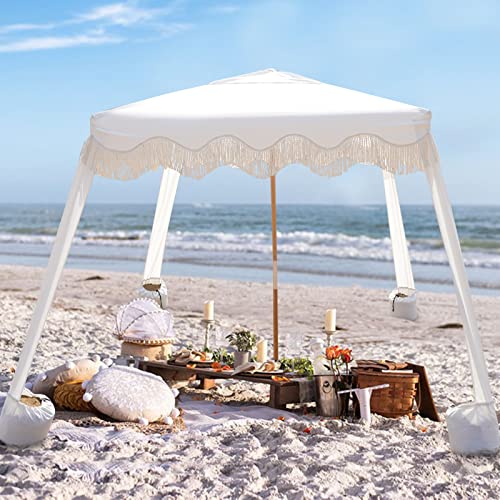
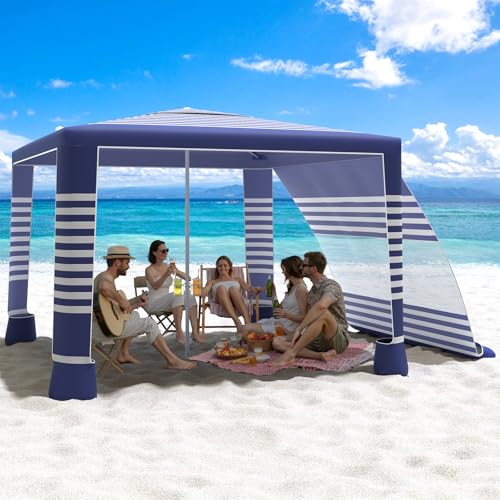
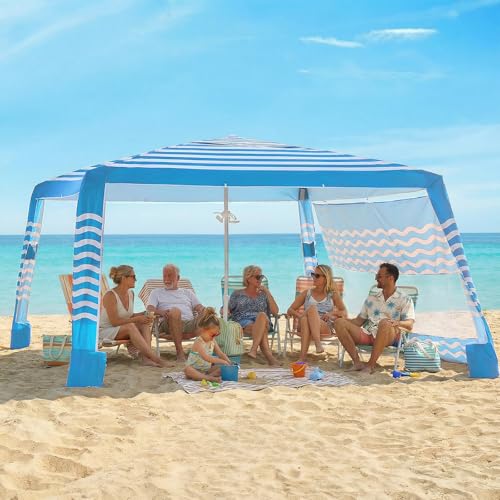

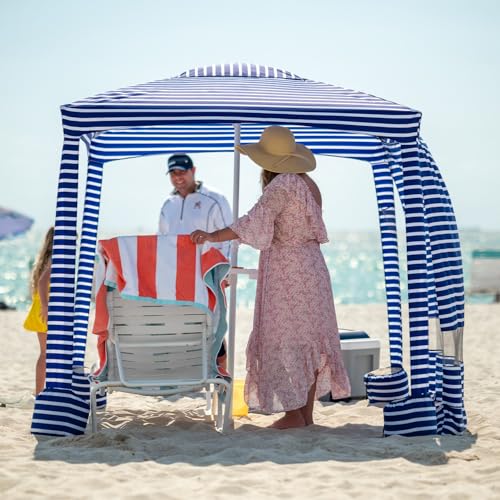
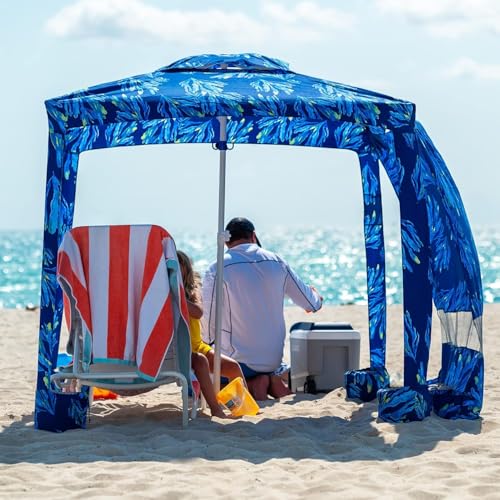
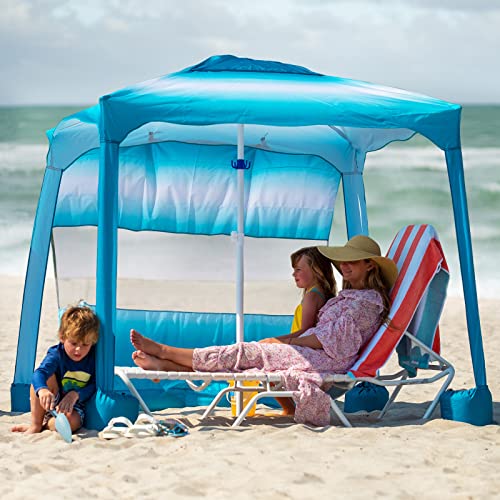
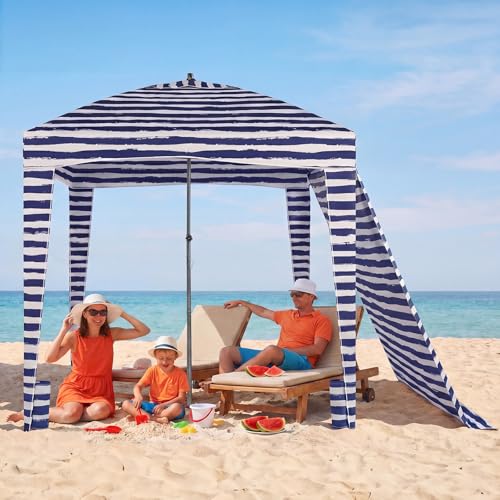
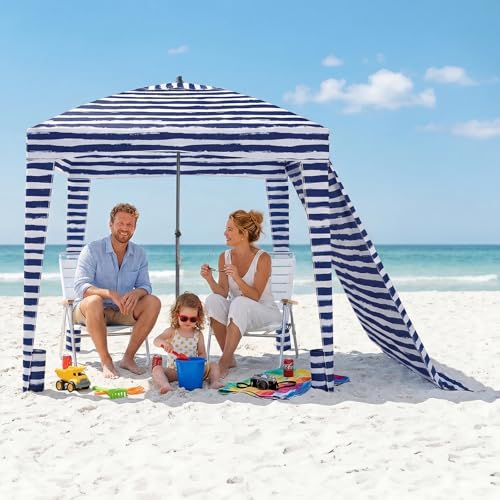
How a Beach Cabana Differs from a Tent or Umbrella
The term "beach cabana" gets used loosely, so it helps to know what actually sets one apart. A beach umbrella relies on a single center pole pushed into the sand. It's fast to set up and easy to carry, but that single pole also means it's the first thing to tip or lift when the wind picks up. A beach tent usually has a domed or wedge frame with fabric walls on most sides, which blocks more wind and gives you some privacy, though headroom is often limited to sitting or lying down.
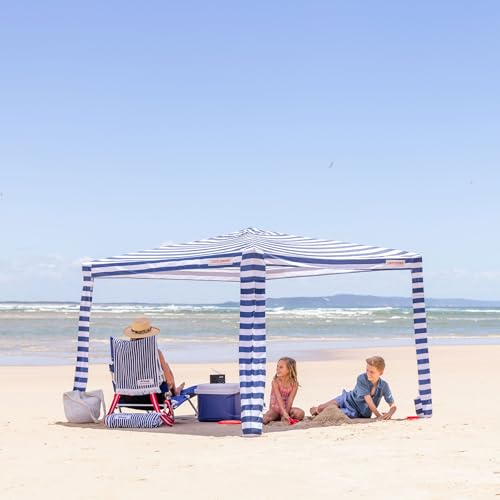
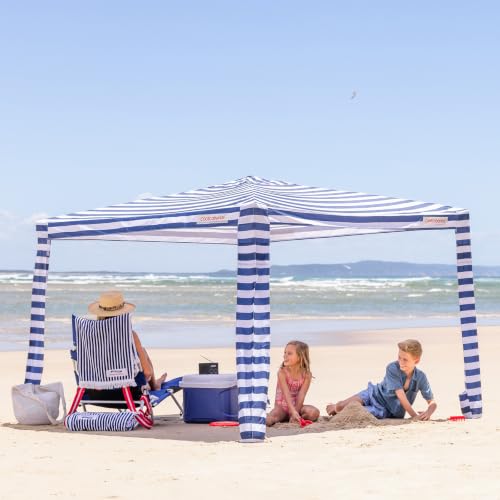
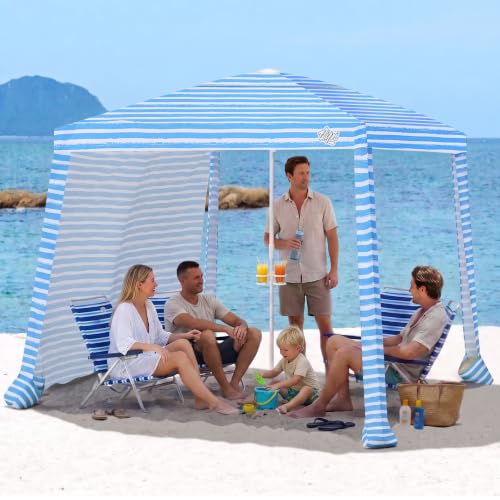
A cabana sits between the two. It typically uses one central support plus four corner poles holding up a UV-blocking canopy, with open or partially open sides that let sea breeze move through instead of catching it like a sail. That open-sided design is also why cabanas tend to offer standing height, which tents rarely do, and why they suit a group with chairs, a cooler, and gear rather than one or two people lying flat.
UV Protection and UPF Rating: What Actually Matters
Shade alone is not the same as sun protection. Look for a fabric rated UPF 50+, which means the material lets through roughly 1/50th of UV radiation, blocking about 98% of it. Cheaper polyester canopies without a UPF rating can still let a meaningful amount of UV through even though they look opaque, so check the label or product description rather than assuming any solid-colored fabric does the job. This is one reason the best beach cabanas list a UPF number up front instead of burying it in the fine print.
Why Sand and Water Make Shade Alone Not Enough
Sand can reflect a surprising amount of UV back up at you, by some estimates close to 18% of the UV hitting the ground. That means sitting under a cabana still exposes you to bounced light from below, especially on bright, open beaches. A properly rated cabana handles the overhead exposure, but pairing it with sunscreen, a hat, and sunglasses for anyone stepping in and out of the shade is still worth doing, particularly for kids who wander in and out all day.
Wind Stability: Anchoring So It Doesn't Blow Away
This is where most cheap shade structures fail. A cabana that isn't anchored correctly can flip, drag across the sand, or launch entirely, which is more than an inconvenience when there are coolers and kids nearby. The fix comes down to two things: preparing the site and anchoring it properly.
Prepping the Site Before You Stake
Clear away shells, rocks, or sticks that could tear the fabric or throw off a level base. Flatten the sand where your center pole and corners will sit, using your feet or a small shovel. If the sand is loose and dry, lightly dampening it can help stakes hold instead of sliding.
Getting the Angle Right
Drive each stake in at roughly a 45 degree angle, pointing away from the cabana and ideally facing into the prevailing wind, then bury it at least six to twelve inches deep. Sandbags placed at the base of each leg add extra hold, and pairing a stake with a sandbag on each corner is worth the extra minute or two if you're setting up somewhere exposed. Keep stake placement symmetrical, since lopsided tension is what tends to give way first when a gust hits.
Sizing a Cabana for Your Family or Group
Cabana dimensions usually range from compact setups meant for two people up to larger canopies that comfortably shade six to eight adults. Before choosing a size, think about what actually goes under it with you: folding chairs, a cooler, beach towels, and bags all take up floor space, not just bodies. A cabana that technically "fits four" on paper can feel cramped once you add gear for a full day.
As a rough guide, add extra footage for each additional person beyond the base capacity, and size up if you're bringing young kids who need room to move around rather than sit still. If you tend to pack light with just a couple of beach backpacks and chairs, a mid-size cabana is usually plenty; if you're setting up a full base camp for the day, go a size larger than you think you need.
Setup You Can Handle Solo
Not everyone has help unloading and assembling a shade structure while also managing kids and gear. Pop-up style cabanas that spring into shape when unfolded are the easiest for one person, since there's no pole assembly involved beyond staking it down. Pole-frame cabanas, where you slide poles through fabric sleeves and raise the roof, take a bit more time and are easier with a second person but are still manageable solo once you've done it once or twice.
Whichever style you choose, practice the setup at home first. A cabana that seems simple in a store display can feel different on uneven sand with wind pulling at the fabric, and knowing the steps ahead of time cuts setup time roughly in half on your first real beach trip.
Frequently Asked Questions
What is the difference between a beach cabana and a beach tent?
A cabana typically has open or partially open sides and standing height, built around a center pole plus four corner poles. A beach tent usually has more enclosed walls and a lower profile, offering more wind blockage and privacy but less headroom and airflow.
Do beach cabanas actually block UV rays?
A cabana with UPF 50+ fabric blocks roughly 98% of direct UV rays from above. It won't block UV reflected off sand or water, so combining shade with sunscreen and sun-protective clothing is still recommended.
How do you keep a beach cabana from blowing away in the wind?
Stake each corner at a 45 degree angle facing away from the cabana, buried at least six to twelve inches deep, and add sandbags at the base of each leg for extra hold. Prepping and leveling the sand before setup also makes a real difference.
What size beach cabana do I need for a family of four?
Most mid-to-large cabanas are rated for four to six adults, but factor in chairs, a cooler, and bags when picking a size, since gear takes up floor space too. Sizing up one level from your headcount usually leaves enough room to be comfortable.
Can one person set up a beach cabana alone?
Yes, especially with a pop-up style cabana that unfolds into shape without pole assembly. Pole-frame styles take a little more coordination but are still doable solo once you're familiar with the steps.
Are beach cabanas allowed on every beach?
Not always. Some beaches limit the size or type of shade structures allowed, particularly larger canopies, so it's worth checking local beach rules before you set up, especially somewhere new to you.
Making Your Decision
Comparing the best beach cabanas ultimately comes down to matching the structure to how you actually use it: enough UPF-rated coverage to protect the group, sturdy enough anchoring to handle wind without a fight, a size that accounts for gear and not just people, and a setup you can manage without waiting on extra hands. Get those four right and the rest, color, style, and extra pockets, is just personal preference.