
Best Beach Backpacks: A Complete Buying Guide
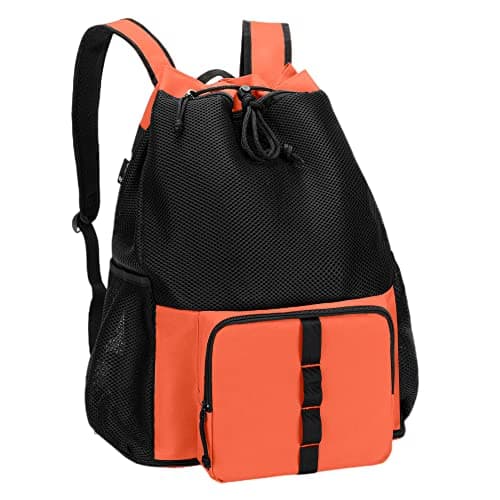
Nothing ruins a good beach day faster than a tote bag that tips over the second you set it in the sand, spilling sunscreen and phone chargers everywhere. A solid backpack keeps your hands free for coolers, chairs, and kids while you cross hot sand or a long stretch of boardwalk. If you are shopping for the best beach backpacks, the right pick comes down to a handful of details that most shoppers overlook until their gear is soaked or full of grit. This guide walks through the materials, compartment styles, sizing, and care habits that actually matter, so you can choose a bag that survives salt water, sunscreen, and sand trip after trip.

What Actually Makes a Backpack Work for the Beach
A backpack built for hiking or commuting rarely holds up the same way on sand. Salt air corrodes cheap zippers, sunscreen stains porous fabric, and standard nylon linings trap moisture instead of letting it escape. Before comparing styles, it helps to know which construction details separate a bag that lasts one season from one that lasts several summers.
Waterproof vs. Water-Resistant: Why the Difference Matters
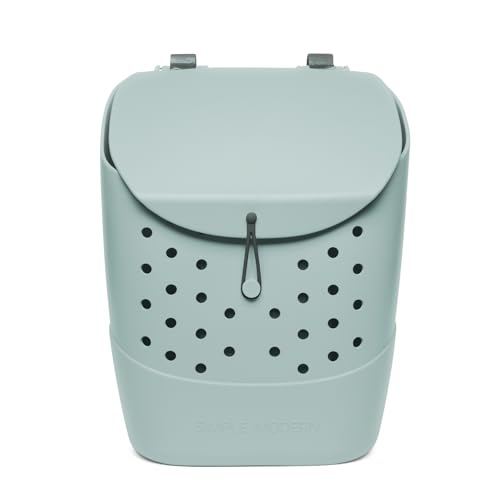
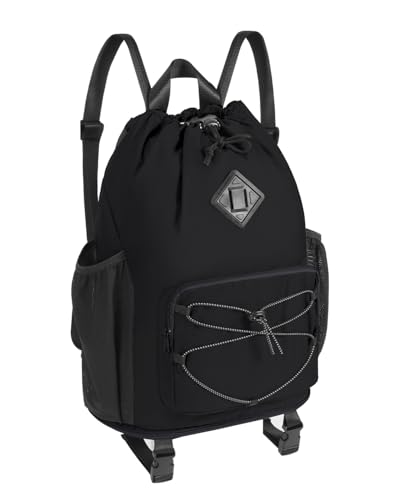
These two terms get used interchangeably, but they describe very different levels of protection. Water-resistant fabrics are treated with a coating that sheds light splashes and spray, which is fine for sunscreen bottles and dry towels. Fully waterproof backpacks use welded or taped seams and sealed zippers, so they can handle a dunk in the shallows or a sudden downpour without letting moisture reach whatever is inside. If you plan to carry a phone, wallet, or a pair of waterproof headphones for swimming, a truly waterproof compartment is worth the extra cost over a merely water-resistant one.
Mesh Panels and Sand-Shedding Design
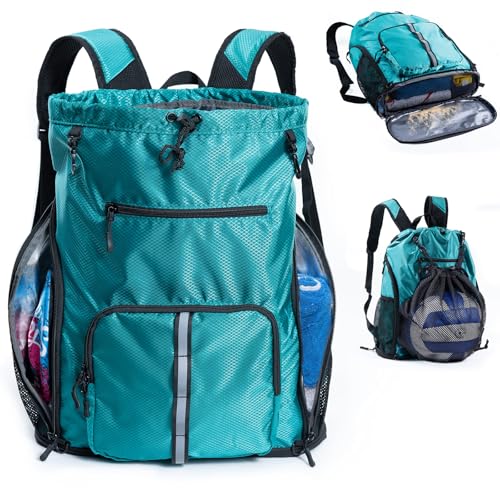
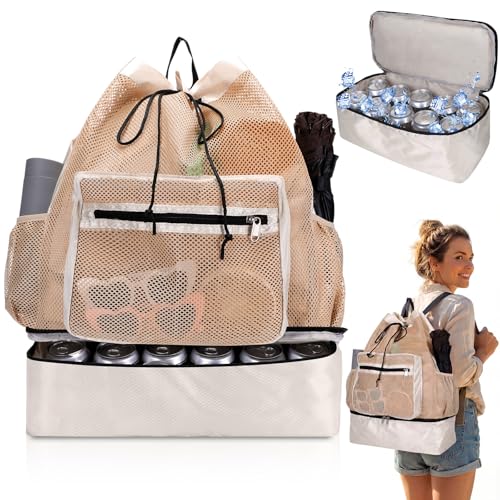
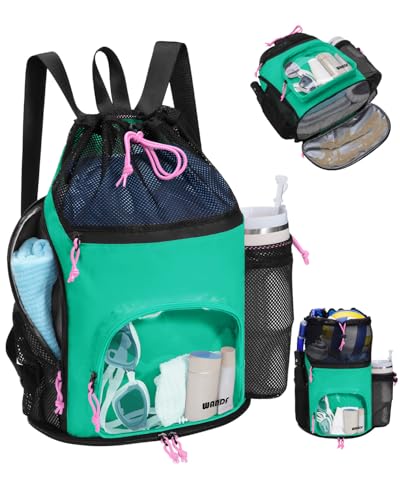
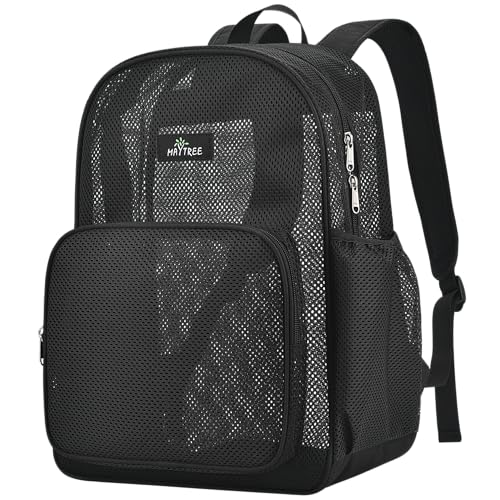
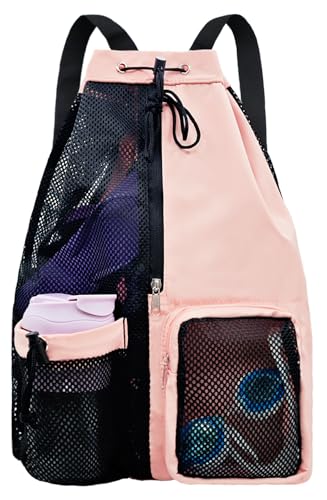
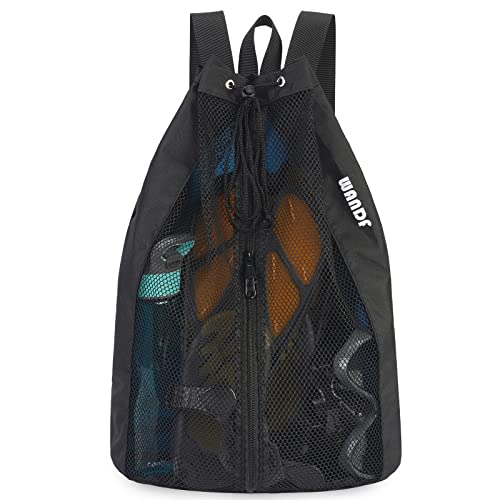
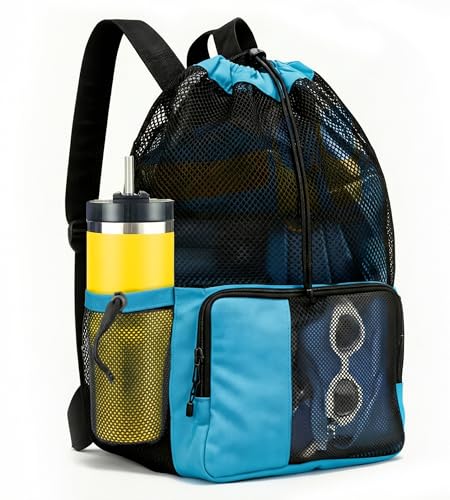
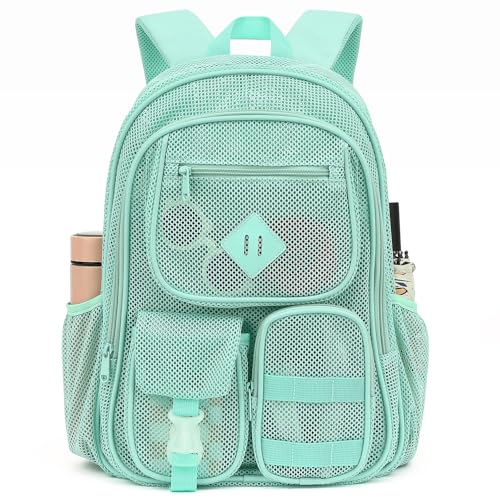
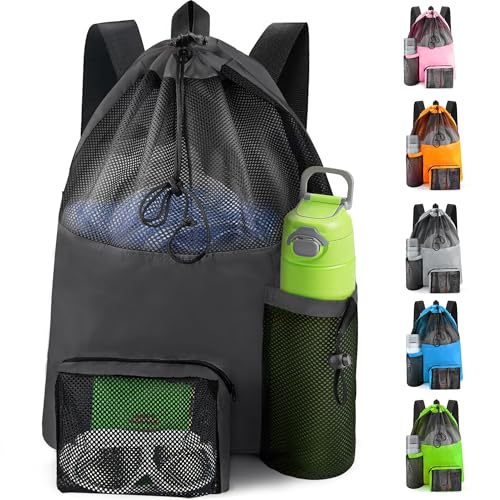
Mesh construction solves a problem plain fabric cannot: sand works its way into every seam and pocket, and it needs somewhere to go. A backpack with mesh panels lets loose sand fall straight through instead of collecting in the bottom corners. It also speeds up drying for wet swimsuits and rash guards you toss in on the walk back to the car. The tradeoff is that mesh alone will not keep small items dry, so many of the better designs pair mesh side panels with a sealed main compartment.
Straps and Back Panels That Hold Up on Sand and Salt Air
Carrying a loaded bag across soft sand is harder on your shoulders than carrying the same weight on pavement, since your whole body works to stay balanced with every step. Wide, padded straps distribute that load far better than thin webbing. Look for a ventilated back panel too. Standing in direct sun with a sweaty backpack pressed against you gets uncomfortable fast, and airflow channels behind the pack make a noticeable difference on a long walk to a quieter stretch of shore.
Mesh, Waterproof, and Cooler Builds: Picking the Right Type
Once you understand the materials, the next decision is which overall style matches how you actually use the bag. Beach backpacks generally fall into three categories, and each one is built around a different priority.
Mesh Backpacks for Quick Drainage and Drying
These are the lightest option and the easiest to fold flat for travel. They excel at holding towels, flip-flops, and beach toys that do not mind getting wet or sandy, since you can rinse the whole bag off with a hose and let it air dry in minutes. They are not the right choice if you need to protect electronics or keep anything bone dry.
Fully Waterproof Backpacks for Wet Gear and Electronics
A sealed, roll-top or zippered waterproof pack is the better call if you are bringing a phone, keys, a book, or camera gear. Many of these also double as dry bags for kayaking or paddleboarding, so they earn their keep beyond just beach days. Expect a slightly heavier build and a higher price than a basic mesh tote-style backpack.
Backpack Coolers for Ice and Drinks
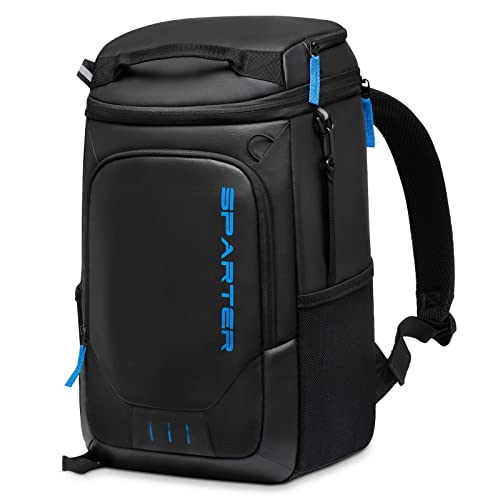
If keeping drinks and snacks cold matters more than anything else, a dedicated cooler backpack changes the equation. These use insulated liners instead of open mesh or thin waterproof fabric, so they trade some packability for genuine ice retention over several hours in the sun. Our roundup of backpack coolers breaks down insulation performance and capacity if that is your top priority.
Sizing It Right for Your Beach Day
Capacity gets overlooked until you are trying to zip a bag closed with a beach towel sticking halfway out. Matching the size to your actual trip prevents both problems: a pack that is too small to hold your gear, and one so oversized it becomes awkward to carry when it is only half full.
Day-Trip Capacity vs a Full Week Away
For a few hours at the beach with sunscreen, snacks, a phone, and a light cover-up, something in the 20 to 25 liter range is usually plenty. Families packing for a full day, or anyone hauling gear for a family beach tent setup, will want closer to 30 to 40 liters so towels and extra layers do not have to be crammed in on top of everything else.
What Actually Has to Fit Inside
Make a rough list before you shop: sunscreen, a water bottle, snacks, a phone, sandals, and at least one beach towel are the baseline for most trips. If you are also bringing a book, a change of clothes, or gear for kids, add a dedicated wet pocket or a second compartment to the must-have list so damp items never touch anything dry.
Keeping Sand, Salt, and Sunscreen From Wrecking Your Bag
The habits you build around a beach backpack matter almost as much as the bag itself. Salt water and UV exposure break down fabric coatings faster than everyday wear, so a little maintenance goes a long way toward getting several seasons out of one bag.
Rinsing and Drying Between Trips
A quick rinse with fresh water after every beach trip removes salt residue before it has a chance to stiffen fabric or corrode hardware. Turn the bag inside out if it has a wet compartment, shake out loose sand while it is still damp rather than letting it dry into the seams, and let everything air dry fully before storing it. Skipping this step is the fastest way to end up with mildew smell by the next trip.
Protecting Zippers and Hardware From Salt Air
Zippers are usually the first part to fail on a beach bag, since sand acts like sandpaper on the teeth every time you open and close it. A light rinse followed by a small amount of silicone lubricant on the zipper track keeps it moving smoothly. Metal hardware, including buckles and D-rings, holds up better if you choose a bag with coated or plastic fittings instead of bare metal, which corrodes quickly in salty air.
Frequently Asked Questions
What is the best material for a beach backpack?
Coated nylon or polyester with sealed seams handles sand and water best, while mesh panels add breathability and let loose sand fall out on their own.
Are mesh backpacks good for the beach?
Yes, especially for towels, toys, and wet swimsuits. They drain and dry quickly, though they will not keep small electronics or papers dry the way a sealed waterproof pack does.
How do you keep sand out of a beach bag?
Shake sandy items off before packing them, use mesh pockets that let sand fall through, and rinse the bag with fresh water after each trip so grit does not settle into the seams.
What size backpack do I need for a day at the beach?
A 20 to 25 liter pack covers most solo or couple trips. Families or longer outings typically need 30 to 40 liters to fit towels, snacks, and extra layers comfortably.
Is a waterproof backpack necessary for the beach?
Not always. If you only carry towels and sunscreen, water-resistant is enough. Fully waterproof matters more if you are bringing a phone, camera, or anything electronic near the water.
Can you put a wet swimsuit in a beach backpack?
Yes, as long as the bag has a dedicated wet compartment or mesh section. Without one, a wet suit can soak through and dampen everything else packed nearby.
Do beach backpacks come with a cooler compartment?
Some do, though most separate cooler backpacks from general beach backpacks entirely. If keeping drinks cold is a priority, a dedicated insulated cooler backpack will outperform a standard bag with a small cooler pocket.
Making Your Decision
The right beach backpack comes down to matching the build to how you actually spend your day. A mesh design suits quick, casual trips where drying fast matters more than keeping things bone dry, a fully waterproof pack protects electronics and valuables, and a cooler backpack earns its space when cold drinks are non-negotiable. Whichever type you land on, prioritizing padded straps, sand-shedding panels, and salt-resistant hardware will keep it working well trip after trip.