
Best Beach Blankets For Sand 2026 Complete Buying Guide
Disclosure: We may earn a commission when you buy through links on this page, at no extra cost to you. As an Amazon Associate I earn from qualifying purchases. Learn more

Compare beach blankets for sand by size, sand resistance, and pack weight, with wind, drying, and carry guidance for beach days with family.
A good beach blanket keeps you off hot sand, keeps your snacks and phone out of it, and lets you shake the beach off at the end of the day. The best beach blankets for sand are made from fabrics that let grains fall through or slide off, with anchors to hold them down in the wind. The product table lines up the main styles, and the sections below explain what to check.
Think about your group size and how far you carry gear. Those two answers decide the size and weight you need.
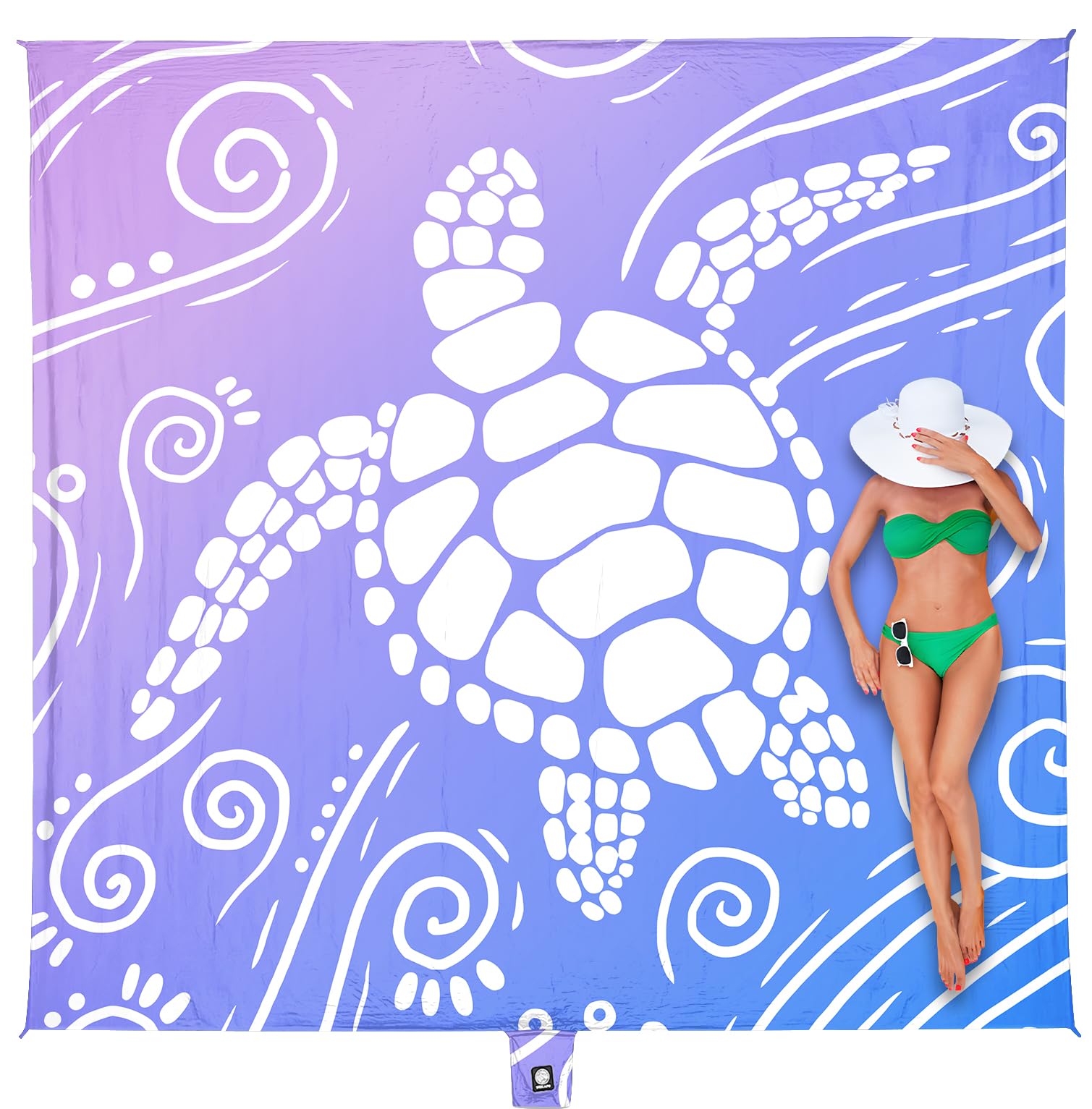
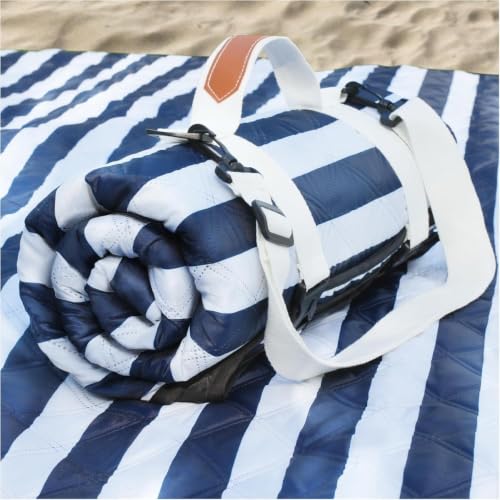
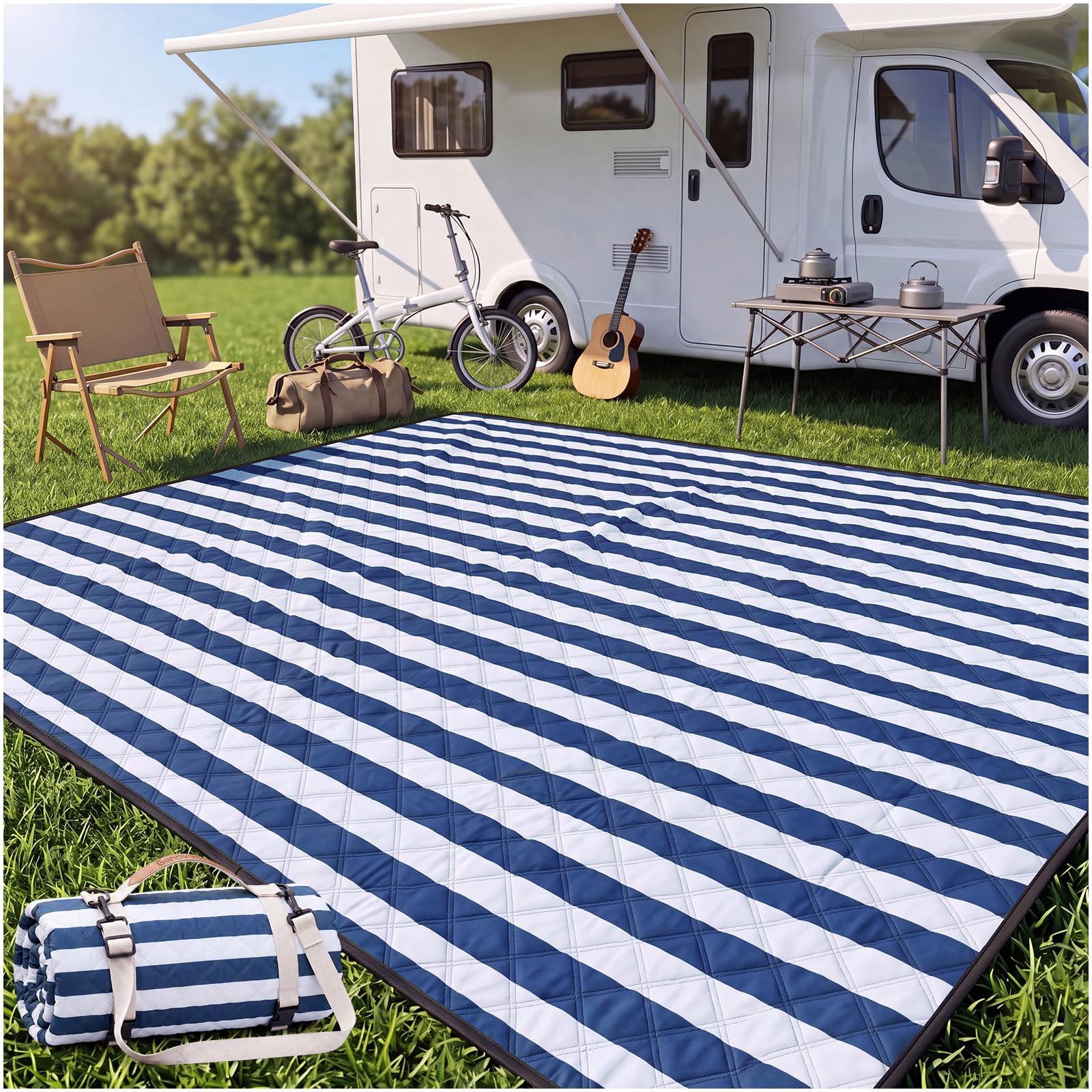


Who Should Buy Which Sand Beach Blanket?
Couples and Solo Beachgoers
A blanket of about 5 by 7 feet seats two people and a small cooler. Look for a light, compact fold that fits a tote bag.
Families With Kids
Choose 9 by 10 feet or larger so children can play without leaving the blanket. Corner pockets, ground stakes and a durable bottom layer matter more here, because kids move around and kick sand onto the edges.
Groups and Picnics
Large 10 by 10 foot styles seat six to eight adults. A carry strap helps, since a big blanket still weighs about one to two pounds.
Key Features to Compare
Sand Resistance
Two designs dominate. Mesh or lightweight nylon top layers let sand slip through the surface, so it falls away when you stand up. Waterproof, smooth bottomed blankets keep sand and damp out from underneath. Check which layer you need: sand free refers to the top, while waterproof protects from the ground.
Size and Packed Weight
Compare listed dimensions and think about seated space per person, about 3 by 5 feet each. Most oversized blankets pack to the size of a water bottle, so weight is usually under two pounds. Check whether the carry bag is included.
Material and Durability
Parachute nylon and polyester are common. They dry quickly and resist mildew but can tear if dragged over rough surfaces. Look for reinforced stitching at the corners and a durable binding at the edges.
Wind Anchors and Stakes
Windy beaches lift blankets quickly. Corner pockets that you fill with sand, plastic stakes and weighted loops all work, so pick a model that includes at least two methods.
Quick Drying and Cleaning
Choose a fabric that dries within an hour and shakes off easily. Most can be machine washed on a gentle cycle and air dried. Check the label first.
Blanket or Towel?
A beach blanket is a surface for sitting, eating and storing gear, while a towel is for drying off. Turkish style towels double as light blankets, and some models fold into a bag. If drying matters more than seating, see our guide to the best beach towels for sand. For a purpose made sitting surface, a dedicated sand free mat is the better choice, and our guide to the best sand blankets covers the style in more detail.
Choosing Fabric for Your Beach
Lightweight ripstop nylon packs smallest and dries fastest, which suits hikes to a quiet cove. Polyester with a coated underside is heavier but stands up to rough ground and spills. Terry cloth towels and cotton throws feel comfortable but hold sand deep in their loops and take hours to dry, so they work better as a layer on top of a sand free mat than as the main surface.
Color matters more than people expect. Dark blankets absorb heat and can feel hot by midday, while light or patterned ones stay cooler and hide sand marks. Bright colors are also easier to spot in a crowded beach, which helps families regroup after a swim.
Packing and Carrying
Most beach blankets fold into a stuff sack or a built in pouch. Fold lengthwise twice and roll toward the corner with the pocket, then press the air out before closing the bag. If you carry a cooler, chairs and an umbrella as well, keep the blanket on top of the pile so it is the first thing out of the bag when you arrive. A shoulder strap or a loop for a wrist saves a free hand for kids.
Common Mistakes to Avoid
- Buying a blanket that is too small for the group leaves people sitting on bare sand.
- Ignoring anchors means chasing the blanket down the beach on a windy day.
- Confusing sandproof with waterproof leaves a damp bottom on wet ground.
- Folding the blanket while it is still wet encourages odors and mildew.
- Skipping the manufacturer's care label risks shrinking or damaging the coating.
Setup and Care
Pick a flat spot above the wet line, spread the blanket and fix the corners first. Place heavy items such as coolers on the corners and keep sunscreen and drinks centered. At the end of the day, lift the blanket by two corners and shake it away from your group, then fold it dry. Wash it occasionally on a gentle cycle and air dry in the shade.
Frequently Asked Questions
How big should a beach blanket be?
Allow about 3 by 5 feet per adult. A couple can use 5 by 7 feet, and a family of four usually needs 9 by 10 feet or larger.
Do sand free blankets really work?
They work well for sand that lands on the surface, because grains fall through mesh or slide off. They cannot stop wind blown sand from covering the top completely, so shake them regularly.
Can I use a beach blanket for picnics?
Yes. A waterproof bottom keeps grass dampness out, and the same size works well for park days, camping and concerts.
How do I keep a blanket from blowing away?
Use corner pockets, stakes, and weight on all four corners. Position the blanket with a narrow edge facing the wind.
How do I wash a beach blanket?
Check the label. Most synthetic blankets can be washed on a gentle cycle with mild detergent and air dried. Avoid high heat.
Final Thoughts
Choose the size for your group, check the sand and waterproof layers, and make sure anchors are included. Compare your shortlist in the product table, and pick the best beach blankets for sand that match your beach trips.


