Best Battery Charger Jump Starter in 2026: Complete Guide
Disclosure: We may earn a commission when you buy through links on this page, at no extra cost to you. As an Amazon Associate I earn from qualifying purchases. Learn more

Compare the best battery charger jump starter types by engine size, cranking power and safety features, with guidance on storage and charging.
A charger that also jump starts earns its place in a trunk twice: once across the quiet months when it keeps a stored battery topped up, and once on the morning the engine will not turn over. Choosing the best battery charger jump starter means sizing one unit for both jobs, not buying the largest cranking figure on the shelf. This guide walks through sizing, safety, and storage in that order.
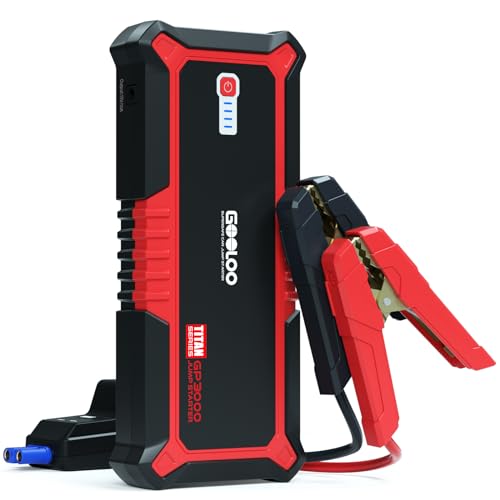
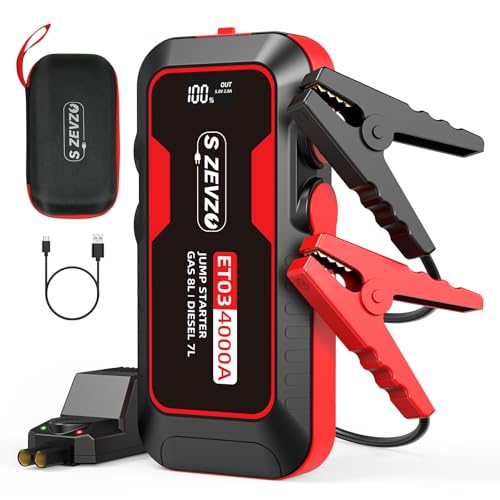
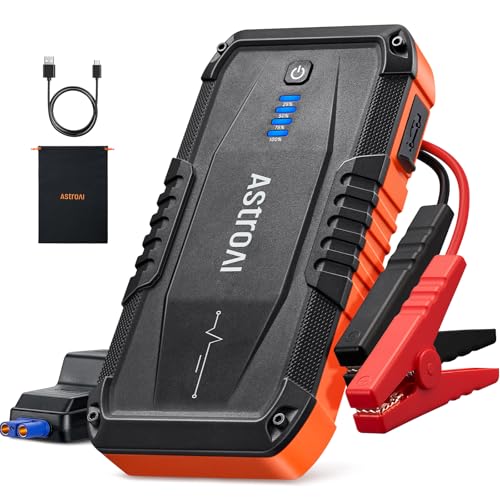
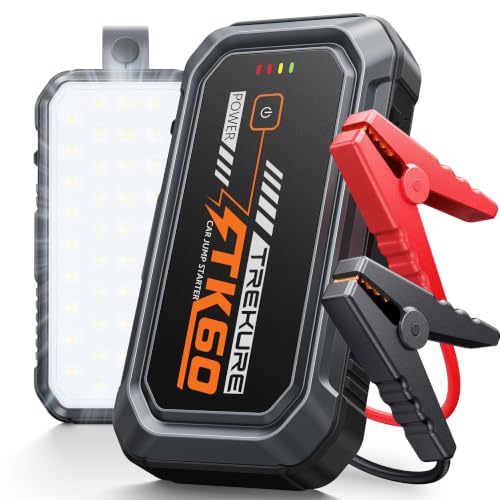
Safety comes before specs here, because a jump starter is one of the few car tools that can hurt you when used in the wrong order. The product table lines up the main options, and the sections after it explain how to match the best battery charger jump starter to your engine, your garage, and your habits.







How to Choose: Safety and Sizing First
Connection Order Is a Safety Class
Stated plainly, connection order is a safety class. The order printed by the maker of your unit is followed exactly, every time, with no shortcuts from memory. In the standard sequence the ground connection is made last when you connect and is removed first when you disconnect, which keeps any spark away from the battery itself. That detail matters because a spark near a battery is a genuine hazard: batteries vent gas that a spark can ignite, and a loose clamp that slips during cranking can arc in the same place.
Good units add protection classes behind that order, including reverse polarity warnings, spark proof clamps, and short circuit shutoff. Treat those features as a second line of defense, not as permission to connect carelessly. If a unit alarms or refuses to start the process, believe it and recheck the clamps rather than forcing a second attempt.
Engine Class Decides the Unit Class
The engine class decides the unit class. Cranking figures printed on boxes are maker figures, stated under the maker's own conditions, so read them against your engine size class rather than against other boxes. A compact gasoline engine asks far less of a unit than a large diesel, which is harder to crank and often needs glow plug time before cranking at all. When your vehicle sits between two classes, choose the larger unit class: an oversized unit starts a small engine calmly, while an undersized unit may fail on the coldest morning of the year, which is exactly when you need it.
Charging duty splits the classes further. A unit that will maintain a stored car or a seasonal vehicle needs a true maintenance mode that tapers and holds without overcharging. A unit bought only for emergencies can be simpler. Decide which job matters more before you compare prices, because the combined units that do both jobs well are the ones sized for both from the start.
Beginner Friendly Features That Matter
Clear clamp markings, a short printed sequence on the case, and a charge level display you can read at a glance matter more than extra ports. Look for clamps that open wide enough for your battery posts and cables long enough to reach a ground point away from the battery. If the broader combined class interests you, the guide to best battery charger and jump starter combo covers combined units in more depth. Drivers who want the vehicle specific view can also read the guide to best car battery charger jump starter before deciding.
Performance Specs Without the Hype
Peak amps is the loosest figure in this category and the least useful for comparing units, because it describes a brief surge rather than sustained cranking. Cranking amps and the stated engine size range tell you more. On the charger side, the charge rate in amps tells you how fast a flat battery recovers: small rates suit maintenance, while higher rates suit a battery you need back in service the same day. Ignore scan tool and audio terms in listings for this category, because a charger jump starter neither reads vehicle computer codes nor powers a sound system.
What Ratings Pages Can and Cannot Tell You
Star ratings compress many different vehicles and habits into one score, so a highly rated small unit may still be wrong for a large engine. A page titled best rated battery jump starter is best used to learn which failure complaints repeat, such as weak clamps or short cables, rather than to pick a size class. The same caution applies to best rated car battery jump starter roundups, where the useful signal is the pattern of complaints across many owners. For a second view of the vehicle class as a whole, best auto battery jump starter covers the wider category.
Warranty and Support
Warranty length matters here because the unit itself contains a battery that ages even in storage. Prefer clear warranty terms that cover the internal battery, and a maker that sells replacement clamps and cables. A unit with a dead internal battery and no support path is a paperweight, so support is a real feature in this category, not paperwork.
Types of Battery Charger Jump Starters
Compact Portable Options
Compact lithium units fit a glove box or a small trunk corner and hold enough charge for several starts on small and midsize gasoline engines. They ask for regular attention, because a small stored unit loses charge over months and must be checked to stay ready. Choose this class when space is tight and your engine is modest.
Pro Grade Options
Pro grade units are larger, often built around heavier batteries with higher cranking output for big gasoline and diesel engines. They suit workshops, farms, and households with several vehicles. The trade is weight and price: this class lives in a garage more happily than in a small car trunk.
Premium Options
Premium combined units add slower, smarter charging stages, battery repair modes for lightly sulfated batteries, and clearer displays. They suit a stored vehicle that needs careful maintenance across a whole season. The premium buys charging manners more than raw starting power, so judge this class by the charger side first.
Budget Options
Budget units cover small engines and light maintenance duty at about $40 to $80. They are a reasonable first purchase for one small car, as long as the safety protections are present. Skip any budget unit that lacks reverse polarity protection, whatever its cranking figure claims, because that single feature prevents the most common beginner error.
Tips to Get the Most From Your Unit
- Check the stored unit charge level about every three months and top it up, because a stored unit loses charge slowly even when never used.
- Recharge the unit right after every jump start, while the event is still fresh in mind, so it is ready for the next call.
- Keep clamps clean and dry, and coil cables loosely, because crushed or corroded clamps cause weak starts that look like a weak battery.
- Store the unit inside the vehicle or in a cool dry garage corner, away from fuel cans and away from heat sources that age its internal battery.
- Read your vehicle manual for its stated jump start points, because some vehicles provide a remote positive post and a named ground point away from the battery.
These habits decide real world readiness more than any figure on the box. The picks in the table can help you compare classes, but a midsize unit that is charged and reachable beats a larger unit sitting flat in a shed.
Frequently Asked Questions
How often should a battery charger jump starter be recharged in storage?
A stored unit should be checked about every three months and topped up whenever its display shows a partial charge. Internal batteries lose charge slowly with time, and deep discharge in storage shortens their life. Tie the check to a habit you already keep, such as the start of each season. If the unit has sat for a year unchecked, charge it fully and check its display before trusting it on a trip.
Can a battery charger jump starter charge a completely flat car battery?
It can start the engine, but a deeply flat battery needs a slow full charge afterward to recover well. A jump start followed by a short drive rarely restores a flat battery fully, and repeated shallow recovery shortens its life. Use the charger side on a low rate for several hours once you are home. If the battery goes flat again within days, have it checked, because the fault may be the battery or the vehicle charging system.
Is a battery charger jump starter safe for a beginner to use alone?
Yes, with the printed connection order followed exactly and the vehicle switched off before clamps are attached. Modern units with reverse polarity and spark protection forgive common slips, but they do not replace reading the short manual first. Keep hands, hair, and loose clothing away from belts and fans, and never lean directly over the battery while cranking. If anything smells hot or a clamp sparks repeatedly, stop and recheck the connections.
What size battery charger jump starter does a diesel vehicle need?
A diesel vehicle needs a unit class rated for diesel engines of its size, which is a step above the class a similar gasoline engine needs. Diesels crank slower and draw more current, and many need glow plug warm up time before cranking. Check the stated engine range on the unit rather than its peak amp headline. When your diesel sits near the top of a class range, move up one class for cold weather margin.
How long does a battery charger jump starter itself last?
The unit lasts about three to five years in typical storage before its internal battery fades noticeably. Heat, deep discharge in storage, and long periods sitting empty shorten that span, while regular top ups extend it. A unit that no longer holds a charge across a single month is near the end of its useful life. Replace it rather than trusting it, because a jump starter is emergency equipment and must work on its worst day.
Final Thoughts
Choose by safety first, engine class second, and storage habit third. Follow the printed connection order exactly, size the unit to the largest engine it must start, and keep it charged so the one bad morning goes well. Judged that way, the best battery charger jump starter for most drivers is a midsize combined unit with full safety protections and a clear maintenance mode, so check your short list against the product table before you buy.