Best Battery Powered Speakers 2026: Compare Types, Battery and Sound
Disclosure: We may earn a commission when you buy through links on this page, at no extra cost to you. As an Amazon Associate I earn from qualifying purchases. Learn more

Best battery powered speakers: compare size, loudness, battery life and water resistance for your listening spots.
A battery powered speaker works wherever you do: the garage, the beach, a hotel room, a job site or a camp table. Unlike a plug in bookshelf speaker, it stores its own power and plays for hours. The best battery powered speakers match your listening place with the right loudness, bass and toughness, so you are not carrying more speaker than you need.
The product table above covers compact Bluetooth speakers, rugged outdoor models, party speakers and portable PA speakers. The sections below explain how they differ and which specs deserve your attention. Use these checks whenever you compare the best battery powered speakers options in the table.
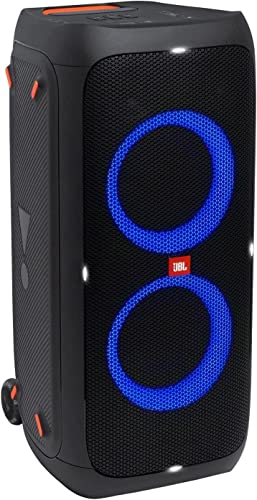

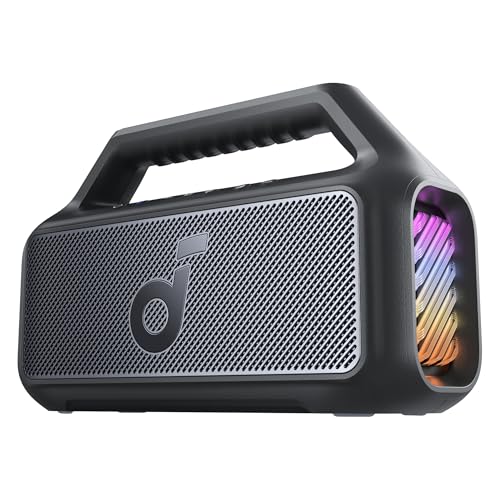

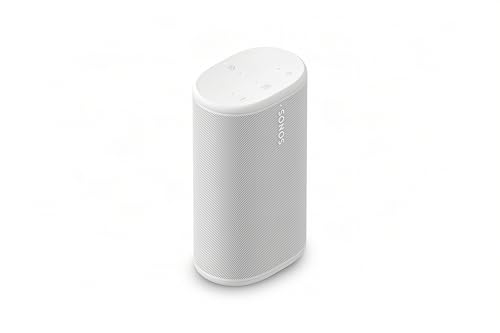

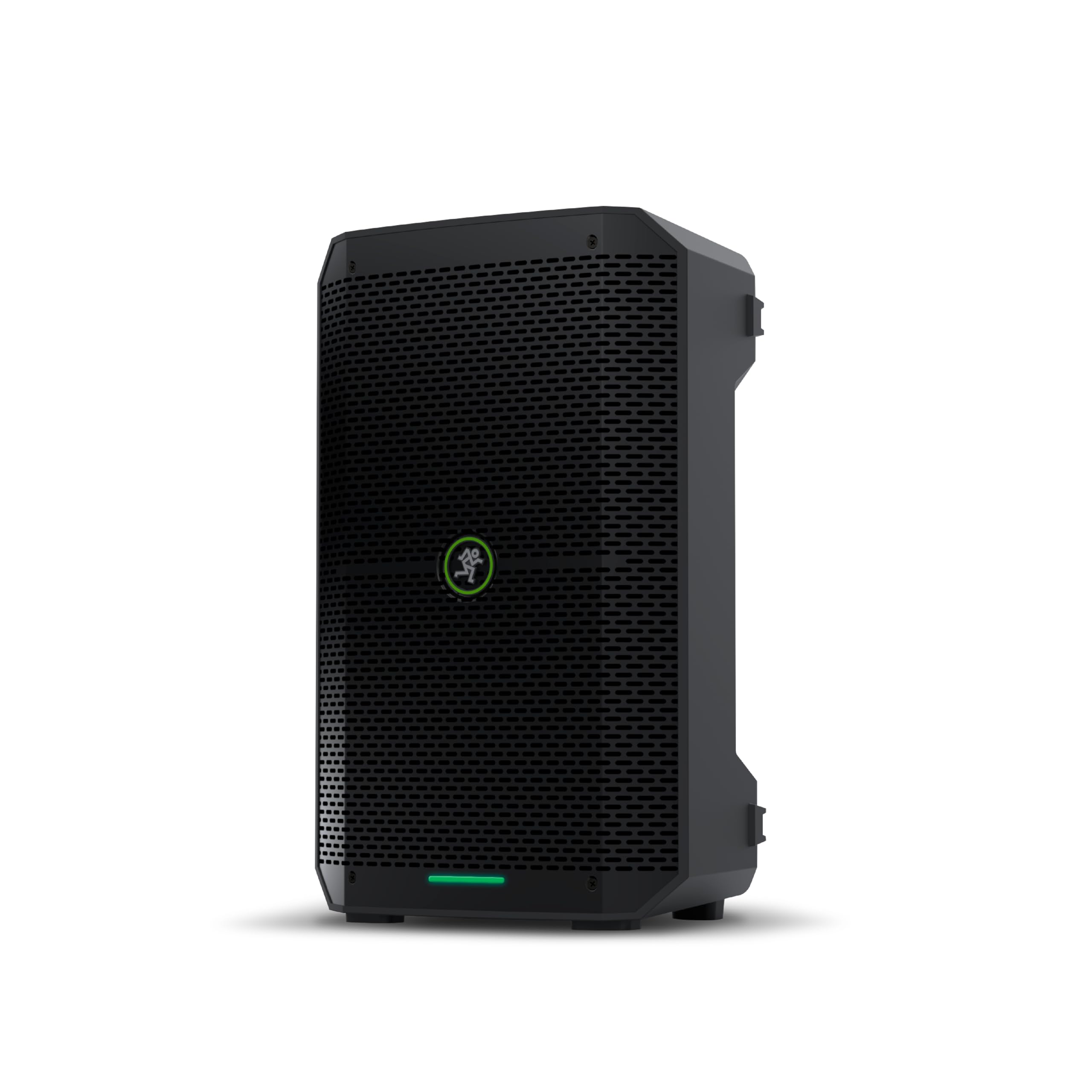
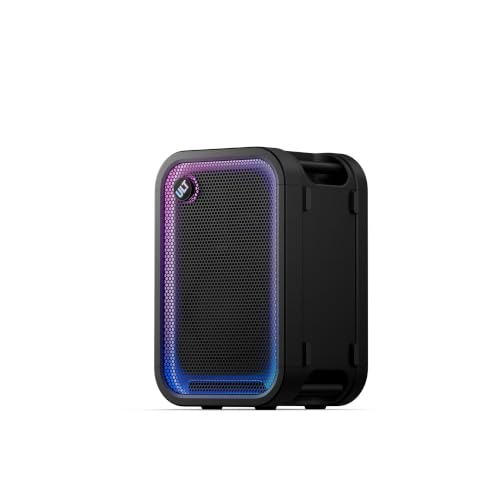
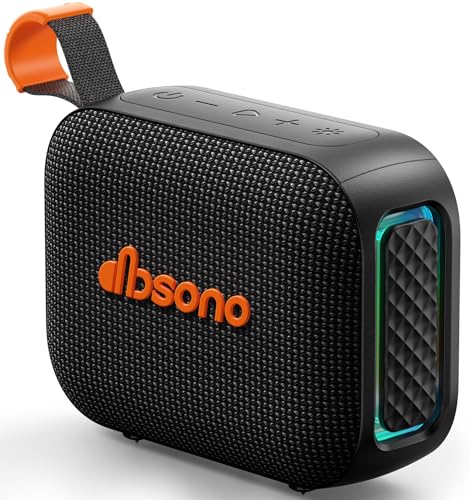
Types of Battery Powered Speakers
Compact Bluetooth speakers
Pocket friendly models for desks, bedrooms and travel. They are clear for podcasts and background music but have limited bass and volume.
Rugged outdoor speakers
Waterproof, shock resistant and often floatable, these are built for beaches, boats and campsites. They sound bigger than compact speakers and last longer on a charge.
Party speakers and boomboxes
Large, loud and often fitted with lights, handles and microphone inputs. They are ideal for backyards and gatherings.
Portable PA speakers
Designed for events, teaching, buskers and small gigs. They add microphone and instrument inputs and fill a room with clear voices.
Key Features to Compare
Battery life
Ten to fifteen hours suits a day out. Weekends away call for twenty hours or more. Loud volume and heavy bass shorten run time, so check the figure at medium volume.
Loudness and bass
Speaker size, driver design and tuning decide loudness more than the printed watts. Larger cabinets produce deeper bass. If you mostly play voices, mid range clarity matters more.
Durability and water rating
Look for an IP rating that matches your use. IPX4 handles splashes. IP67 handles dust and brief immersion. A rubber shell and corner guards protect the speaker from drops.
Connections
Bluetooth is standard. USB C charging, an aux input and, on larger models, microphone and instrument inputs add flexibility. Look for multi speaker linking if you want to expand later.
Portability
Weight, handle design and shape all influence how often a speaker leaves the house. A slightly smaller speaker you carry often is better than a bigger one that sits on a shelf.
Which Speaker for Which Situation
- Travel and commuting: a compact speaker with USB C charging.
- Pool and beach: a floating, waterproof model with strong bass.
- Camping: a rugged speaker with a carabiner loop and long battery life.
- Garage or workshop: a loud speaker with dust resistance and a radio or aux input.
- Events and classes: a portable PA speaker with microphone inputs.
Charging and Battery Care
Charge with the cable supplied or a quality USB C cable, and avoid cheap chargers that give unreliable voltage. Do not leave a speaker in a hot vehicle. If the speaker will sit unused for a long time, store it at a partial charge and top it up now and then. When the battery begins to fade after several years, some models offer replacement service, so check the manufacturer's policy.
Sound Quality Tips
Place speakers at ear height, away from walls, and aimed toward listeners. Use a quality audio source and keep the phone volume high enough that the speaker's volume does not need to be at maximum. If your speaker offers an equalizer, small adjustments give the best effect. Pair two speakers in stereo mode for a wider soundstage.
Common Mistakes to Avoid
- Buying on the watt rating alone.
- Choosing a speaker that is too heavy to carry.
- Assuming that every outdoor speaker is waterproof.
- Ignoring the charging port, which affects cable convenience.
Frequently Asked Questions
How long will the battery last?
From eight hours for compact speakers to more than twenty-four for large models, depending on volume.
Can I play music while the speaker charges?
Most speakers can. Some limit the volume or run warm while charging.
Can I use it as a power bank?
A few models have a USB port that can charge a phone.
Are bigger speakers better?
They sound fuller and louder, but they weigh more and cost more.
Understanding Power Ratings and Loudness
Wattage figures on speaker listings are not directly comparable. Some brands list peak power, others list continuous power, and a few list numbers that only describe the amplifier. A better guide is the size of the speaker and its stated maximum sound level. A speaker with a 4 inch woofer can fill a small room, while an 8 inch woofer is enough for a garage or a patio. A 12 inch woofer or larger handles a crowd.
Loudness also drains the battery. Doubling the volume can cut the run time in half, so a speaker advertised for twenty hours may last only five or six at party levels. If you need long hours at high volume, pick a larger battery or plan to recharge during the event.
Indoor and Outdoor Differences
Indoors, walls reflect sound and bass is amplified in corners, so even a small speaker can sound full. Outdoors, there is nothing to reflect the sound, and the same speaker will seem thinner. If you mainly listen outdoors, choose a speaker one size larger than you would pick for a bedroom. Wind and ambient noise further reduce clarity, so aim the speaker at listeners and keep it close.
Stereo Pairing and Expanding Your Setup
Many brands let you pair two identical speakers for true stereo, which separates left and right channels and widens the sound. Others offer party modes that link several speakers for more volume. If you think you may add a second speaker later, choose a brand with this feature. Check that older models and new ones can link together before you commit.
What to Spend
Compact speakers cost from about $20 to $60 and are fine for casual listening. Mid priced speakers, roughly $80 to $200, bring better drivers, waterproofing and longer battery life, and are the best value for most people. Large party speakers and PA speakers cost $200 and up and are worth it only if you need the volume. Set your budget by how often you will use the speaker and where you will use it.
Final Thoughts
Pick by listening place, then compare battery life, durability and connections. The best battery powered speakers give you reliable sound without cables, and fit the way you actually listen. Compare the picks in the product table, and see the guides to the best battery powered bluetooth speakers and the best battery powered dj speakers for more.