Best Battery Powered Projectors 2026: Brightness, Battery and Portability
Disclosure: We may earn a commission when you buy through links on this page, at no extra cost to you. As an Amazon Associate I earn from qualifying purchases. Learn more

Best battery powered projectors: compare brightness, battery life and resolution for camping and the backyard.
A projector that runs on its own battery turns a backyard wall, a tent or a hotel room into a movie screen. No power cord means you can set it up wherever the picture looks best. The best battery powered projectors offer a bright enough image for your viewing conditions, a usable battery life and a size that is easy to carry.
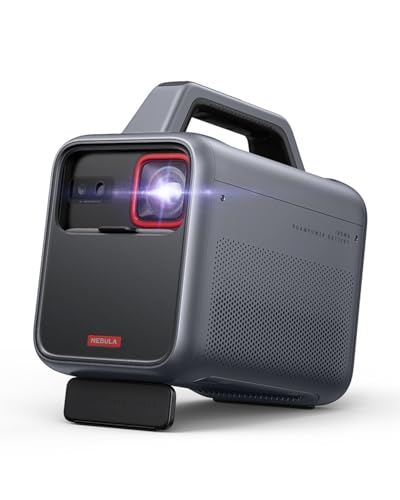
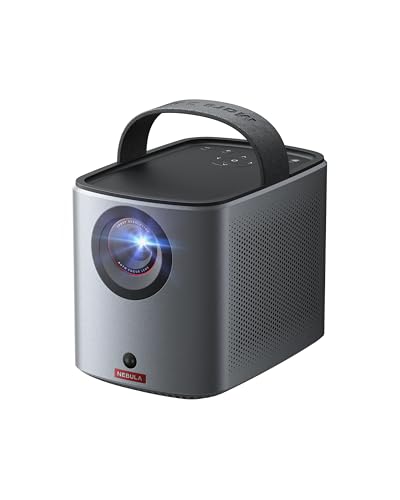
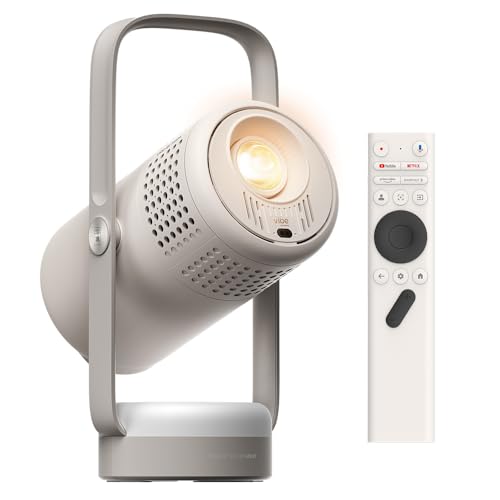
The product table above lists portable projectors with built in batteries, from pocket sized to outdoor ready models. Use the sections below to learn the specs that matter, and what to expect from battery projectors compared with plug in models. Use these checks whenever you compare the best battery powered projectors options in the table.


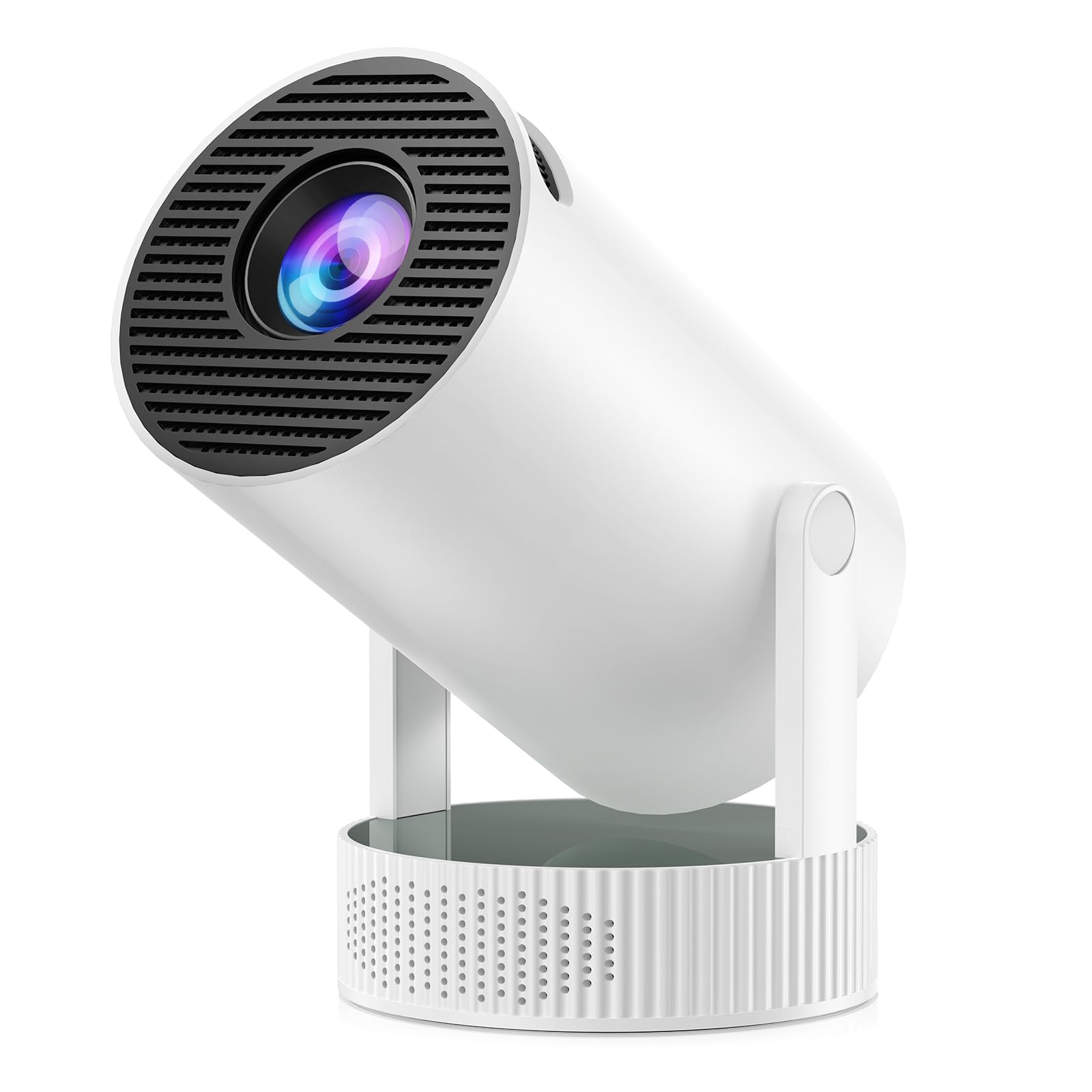
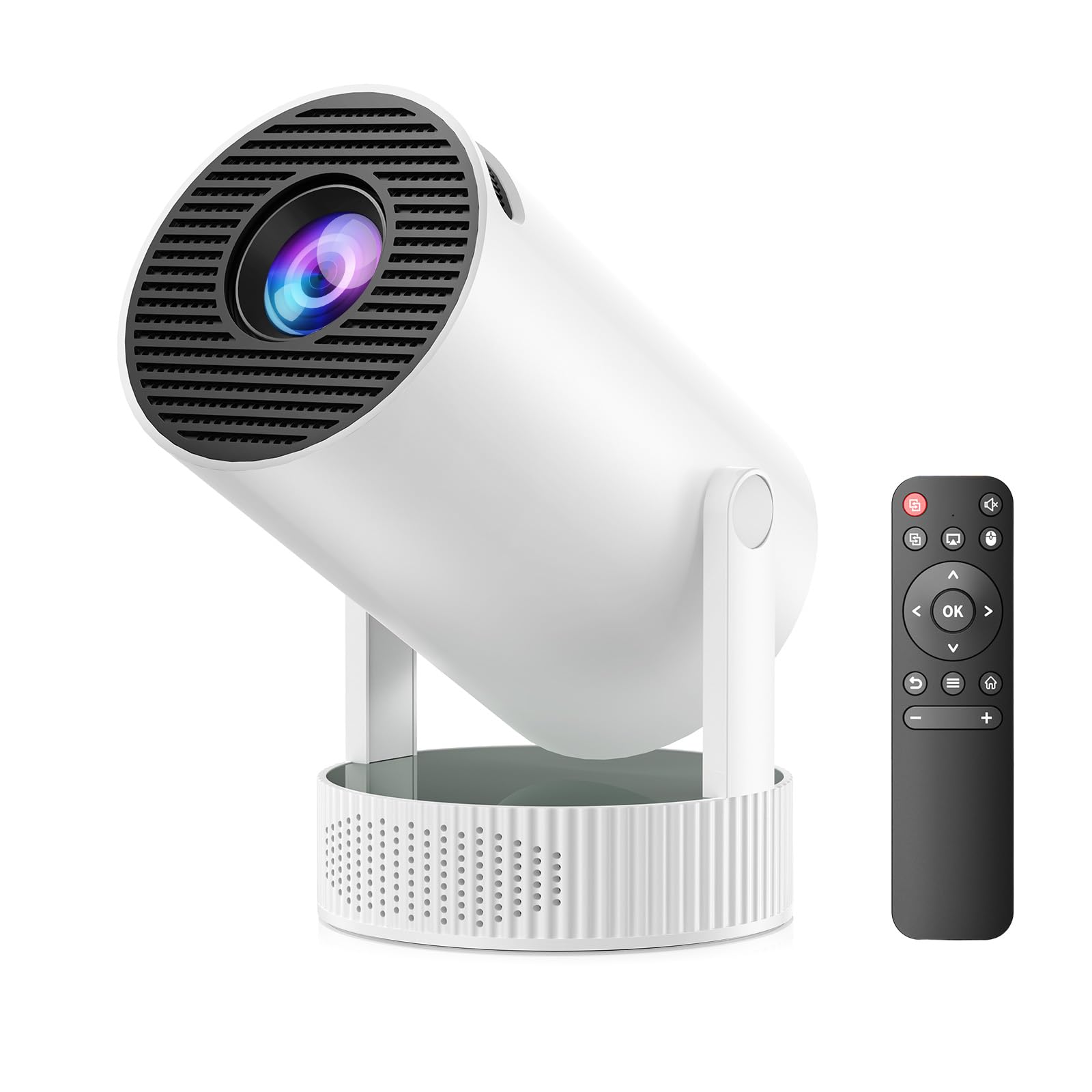
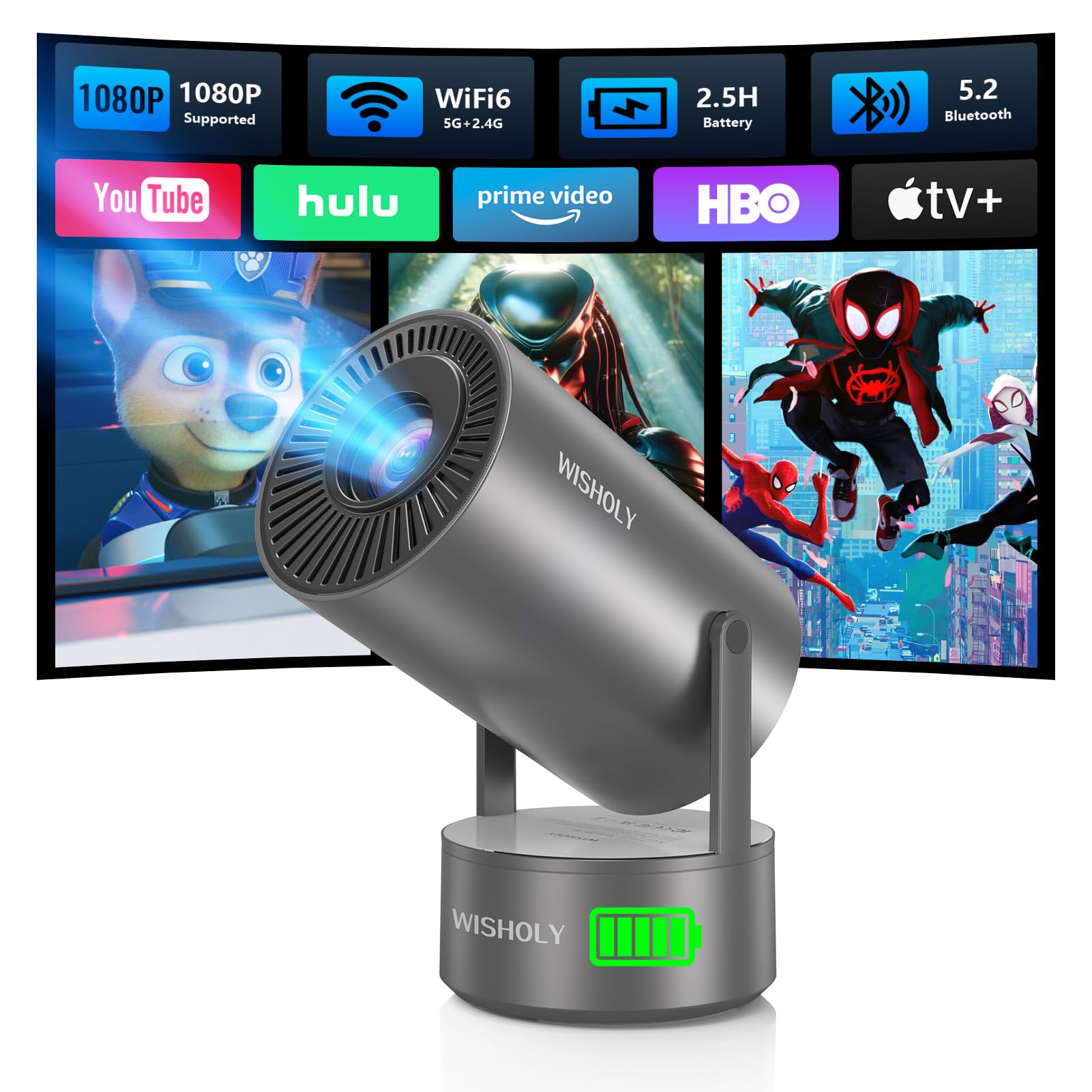
What to Expect From a Battery Projector
Battery powered projectors trade some brightness and run time for portability. Most run for about two to five hours on a charge, which covers one or two movies. Brightness is lower than in a plug in home theater projector, so the room should be dark or dim. They suit camping trips, backyard movie nights, kids' sleepovers and small spaces where you do not want a permanent setup.
Types of Battery Powered Projectors
Pocket projectors
Very small and light, these project a modest image at close range. They suit presentations and small screens in bedrooms. Do not expect a large bright picture.
Portable smart projectors
Mid size units with built in streaming apps, speakers and 1080p images are the best match for most people. They connect to Wi-Fi, accept phone casting and run for several hours.
Outdoor projectors
Larger, brighter units with stronger speakers and sometimes a handle or stand are built for backyards and campsites. They cost more and weigh more, but they handle partial daylight better.
Key Features to Compare
Brightness
Brightness is measured in lumens, but the numbers vary: ANSI lumens are the reliable standard. Around 100 to 200 ANSI lumens suits a dark room, 300 to 500 helps in a dim space and 1,000 or more is closer to what you need outdoors at dusk. Beware of listings with huge lumen claims at tiny prices, since those figures often use a different measure.
Resolution
Native 1080p gives a sharper image than 720p. Some projectors accept a 4K signal but display at a lower native resolution, so check the native figure.
Battery life
Look at the run time at normal brightness, not the longest figure on the box. If the battery lasts less than your longest film, plan to plug in or use a power bank, if the projector supports it.
Focus and keystone
Auto focus and automatic keystone correction make setup easier by straightening the image when the projector sits at an angle.
Sound
Built in speakers are convenient, but small speakers lack bass. A Bluetooth output lets you connect a better speaker.
Apps and connections
Some projectors have a full streaming platform, while others require a streaming stick. HDMI input, USB and wireless screen casting all add flexibility.
How to Set Up a Portable Projector
Place the projector on a stable surface, about six to ten feet from the wall or screen for a typical image size. Use a white wall, a plain bed sheet or a purpose made screen. Darken the room as much as possible, and adjust focus and keystone. For outdoor use, wait until it is dark, and use a fabric or inflatable screen that is firmly secured against wind.
Care and Safety
Keep vents clear, and place the projector on a hard surface so air can circulate. Do not look into the lens when the projector is on. Charge the battery before use, and avoid heat and moisture. Store the unit in its case or box with the lens covered.
Common Mistakes to Avoid
- Expecting a battery projector to look good in a bright room.
- Believing the lumen figure without checking the type.
- Ignoring native resolution.
- Forgetting a stand or tripod, which leaves the picture pointed at the ceiling.
Frequently Asked Questions
How long does the battery last?
Usually two to five hours at normal brightness.
Can I use it outdoors?
Yes, after dark or at dusk. Daylight washes out the image.
Can I stream movies?
Many models include a streaming platform. Others use an HDMI stick or phone casting.
What screen size can I get?
Most portable projectors produce images from about 40 to 100 inches, depending on distance.
Planning a Backyard Movie Night
A good outdoor screening starts with the screen. A white outdoor screen or a plain white sheet pulled tight gives a clean image, and weights or clips stop it from rippling in wind. Place the projector at the distance recommended in the manual for the screen size you want. A table or tripod at chest height keeps the beam above people's heads.
Sound makes or breaks the night. Built in speakers are fine for a small group, but a separate Bluetooth speaker gives richer sound for a larger crowd. Bring a power bank or an extension cord as a backup, bug spray for the evening and blankets for guests.
How Battery Projectors Compare With Plug In Models
A plug in projector of similar price is usually brighter and has a lamp or laser that lasts for thousands of hours. A battery model gives up some brightness for freedom from cables. If you will mostly watch in one dark room, a plug in model may offer better picture quality. If you want to move the projector between rooms, take it camping or set it up at short notice, the battery version is more practical. Many battery projectors also run from a wall adapter, so you can use them either way.
Lamp, LED and Laser Light Sources
Most portable projectors use LED light sources, which last for tens of thousands of hours and need no bulb replacement. They are efficient but limited in brightness. Laser models are brighter and also long lasting, though they cost more. Traditional lamps are rare in battery models. A long lasting light source means the projector will outlive many phones, so the battery is the part most likely to age first.
Final Thoughts
Choose brightness and battery life based on where and when you will watch. The best battery powered projectors make movie nights simple wherever you are, as long as you match them to a dark enough space. Compare the models in the product table, and for related reading see the guide to the best projectors for outside.