Best Battery Powered LED Lights: A First Time Buyer's Guide for 2026
Disclosure: We may earn a commission when you buy through links on this page, at no extra cost to you. As an Amazon Associate I earn from qualifying purchases. Learn more
A plain-English guide to the best battery powered LED lights, covering brightness, battery life, mounting, and controls for first time buyers.
Shopping for best battery powered led lights for the first time can feel confusing, because the choices look alike at first glance. Small lights differ in brightness, battery type, mounting style, and controls, and those details decide whether a light is handy or frustrating. This guide explains the basics in plain language so you can compare options without needing technical knowledge.
Start by deciding where the light will go and what job it must do. A light for a dark closet has different needs from a light for a camping table or a workbench. Once you know the spot and the task, the product table will make more sense, because you can judge each type by fit, brightness, and running cost.

Battery Powered LED Lights 101: The Basics
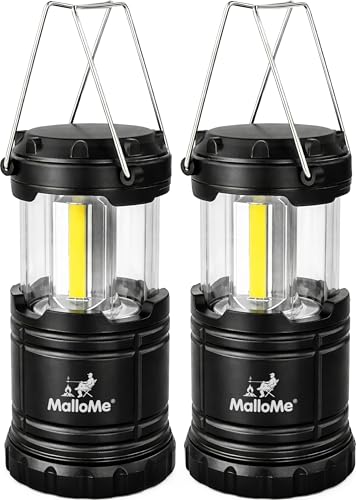
A battery powered LED light is a small light that runs on batteries instead of a wall outlet. It uses LED bulbs, which use less power than older bulbs and stay cool enough for small enclosed spaces. Most types use disposable batteries or rechargeable batteries, and some plug into a USB cable for charging. The light turns on with a switch, a remote, a motion sensor, or a tap on the unit, depending on the design.
For a first time buyer, the key idea is simple. The battery decides how long the light runs and how much it costs to keep using it. The mounting style decides where it can go.
The brightness and color decide whether the light helps you see clearly or only adds a soft glow. Keep those three ideas in mind, and the rest of the guide will fall into place.
Key Specs Explained in Plain English
The terms on a light package sound technical, but each one answers a practical question. Use this section to translate specs into everyday choices, and skip any feature that does not match your planned use.
Intended Use and Who It Is For
Think about the main job first. Closet and cabinet lights need even light across a small space, while reading lights need focused light that does not disturb others. Outdoor lights need weather resistance, and emergency lights need long standby time.
If you need light inside a closet, see our guide to best led closet lights for ideas on placement and coverage in that setting. A light that fits one job well may fail at another, so match the type to the task before you compare prices.
Warranty and Customer Support
A warranty shows how long the maker stands behind the light, and it matters more for lights with built in rechargeable batteries. Check how long the warranty lasts, what it covers, and whether battery failure counts. Support also matters when a remote stops working or a mount fails. Keep the receipt and the manual, and try the light soon after it arrives so any fault shows up inside the warranty period.
Price vs Value
Budget lights often cost around $10 to $20 for a small pack, mid range sets cost about $20 to $40, and premium sets with remotes, timers, and dimming can cost around $40 to $80. A higher price does not always mean a better light for your spot. Compare brightness, battery life, and build quality at each level. A cheap light that eats batteries quickly can cost more over a year than a pricier light with efficient LEDs and a good timer.
Ease of Use and Setup
Most battery lights mount with adhesive pads, screws, or magnets, and setup takes only a few minutes. Adhesive mounting suits renters and smooth surfaces, while screws suit heavier lights and rough surfaces. Check whether the light needs a remote, an app, or only a button on the unit. Simpler controls suit shared spaces and guests.
Follow the maker guidance for battery insertion, and keep small parts and batteries away from children during setup.
Size, Weight, and Fit for Your Space
Measure the spot before you buy, including depth and clearance for doors or drawers. A long bar light suits a shelf, while a small round puck suits a tight corner. Weight matters for adhesive mounts, since a heavy light can fall from a smooth surface. Leave room to reach the switch and to change batteries without removing the whole unit.
A light that fits the space well looks neat and stays in place.
Key Performance Specs
Brightness is measured in lumens, and a small closet light may need only around 50 to 150 lumens, while a work area may need more. Battery life depends on brightness, battery type, and how often the light runs. Color temperature describes warmth: warm white feels cozy, while cool white feels crisp for tasks. If you want adjustable brightness for different tasks, see our guide to best dimmable led light bulbs to learn how dimming changes comfort and battery use.
A timer or motion sensor can extend battery life by switching the light off when it is not needed.
Rookie Mistakes to Avoid
- Buying for brightness alone, then finding the light is too harsh for a small space or too weak for a workbench.
- Ignoring battery type, then facing high running costs from frequent disposable battery changes.
- Skipping measurements, then finding the light blocks a door, a drawer, or a shelf.
- Choosing adhesive mounting for a heavy light on a rough surface, then watching it fall.
- Forgetting to check the switch location, then struggling to reach it in the dark.
Getting Started: Setup and First Use
Start by reading the manual before first use, even for a simple light. Insert the correct battery type, check the polarity marks, and try each mode before mounting. Clean the surface and inspect the mount, then place the light where it covers the area without glare. Try it at night, since daylight can hide weak spots and harsh shadows.
After mounting, set the timer or sensor to match your routine. A short timer suits a closet, while a longer timer suits a work area. Clean and inspect the light regularly, replace weak batteries promptly, and store spare batteries in a cool dry place. Follow maker electrical safety guidance, and keep small parts and batteries away from children.
Best Battery Powered LED Lights: Your Questions Answered
Are expensive battery powered led lights worth it?
Expensive lights can be worth it when they offer better battery life, dimming, timers, or sturdier mounts that suit daily use. For a rarely used closet, a simple budget light may serve just as well. Compare the features you will actually use each week, not the longest feature list. A mid range light often gives the best balance for most first time buyers.
How much should I spend on a battery powered led light?
Most first time buyers spend around $10 to $40 for a single light or a small pack, depending on size and features. Simple puck lights sit at the low end, while bar lights with remotes and timers sit higher. Set a budget after you measure the space and list the features you need. Avoid paying extra for smart controls if a simple switch will do the job.
What features matter most when buying battery powered led lights?
Brightness, battery life, mounting style, and controls matter most for everyday use. Brightness must match the task, battery life must match how often the light runs, and the mount must suit the surface. A timer or motion sensor helps when you forget to switch lights off. Color temperature matters too, since warm light suits living spaces and cool light suits task work.
How long does a battery powered led light last?
Running time varies widely, from a few weeks of regular use on disposable batteries to months on efficient lights with timers. Rechargeable lights last as long as their built in battery holds a charge, which can decline over time. Check the maker stated run time at a stated brightness, since a light on full brightness drains faster. Using a timer or a lower brightness setting extends the time between battery changes.
How do I maintain a battery powered led light?
Maintain a battery light by wiping the lens and housing with a dry cloth, checking mounts for loosening, and replacing batteries before they leak. Remove batteries if you will not use the light for a long period. Store the light away from heat and moisture, and follow maker guidance for cleaning and battery disposal. Regular checks keep the light bright and prevent damage to the battery compartment.
Our Verdict
The right choice comes down to fit, brightness, and battery cost for your specific spot. Measure first, choose a mount that suits the surface, and pick brightness and controls that match the task. The product table above can help you compare types side by side once you know those answers. With a clear plan, best battery powered led lights become a simple and useful addition to any home.